1 week ago
H1N1 Cases Rise as Experts Advise Precautions, Not Routine Masks
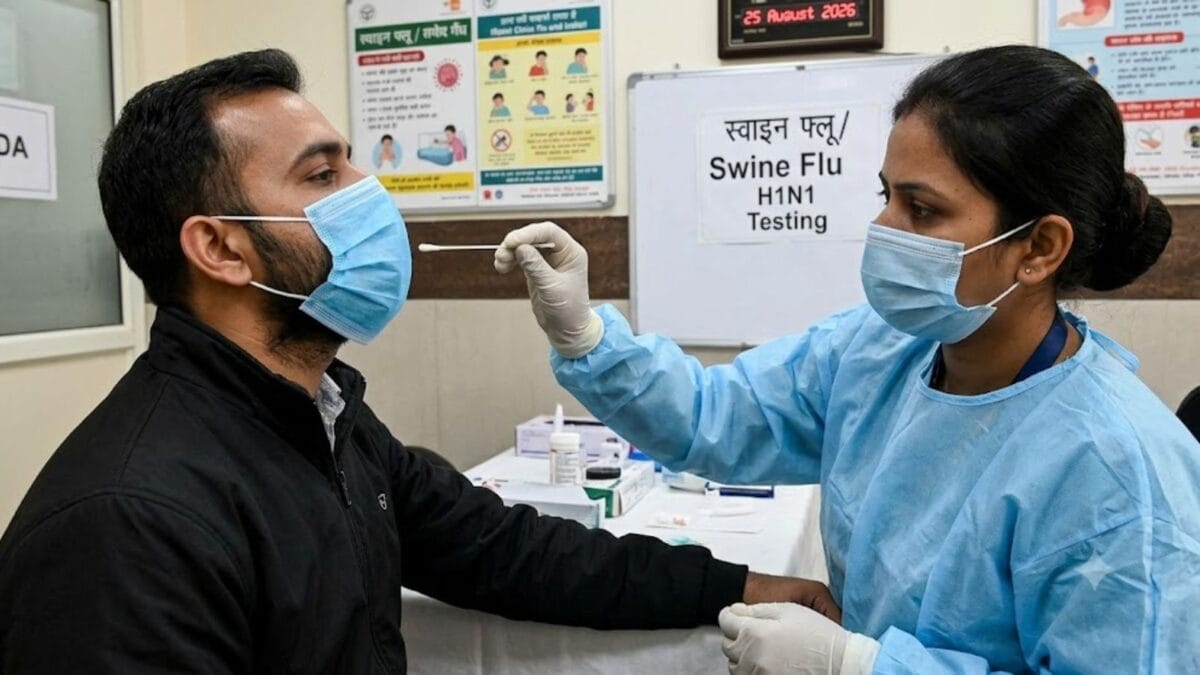
H1N1, also called swine flu, is spreading in Delhi and other areas.
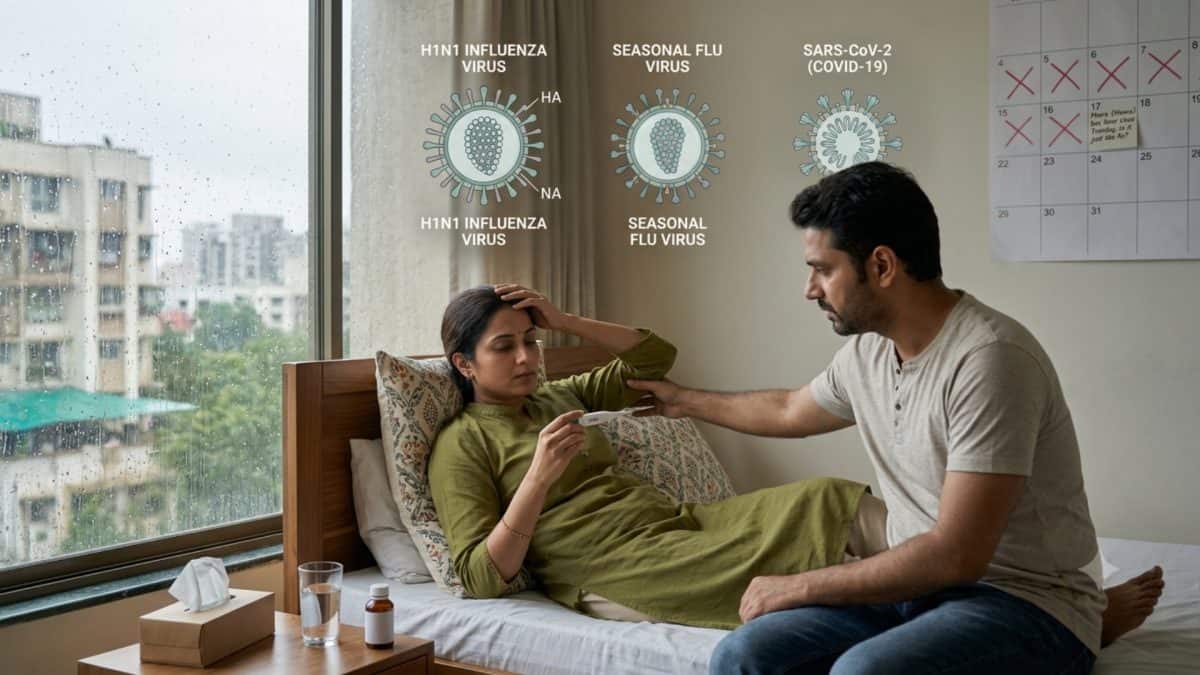
It is caused by a type of influenza virus, not the virus that causes COVID-19.
Both illnesses can cause fever, cough, sore throat, tiredness and body aches.
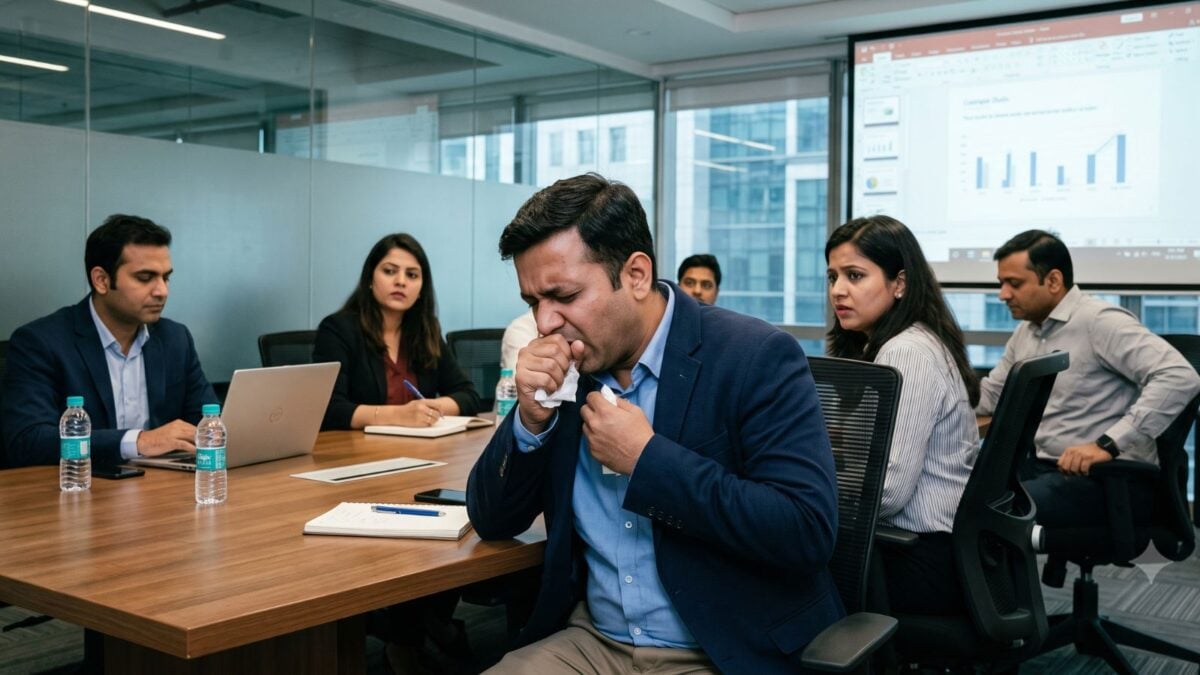
H1N1 can spread when an infected person coughs, sneezes or talks.
It can also spread through close contact or contaminated surfaces.
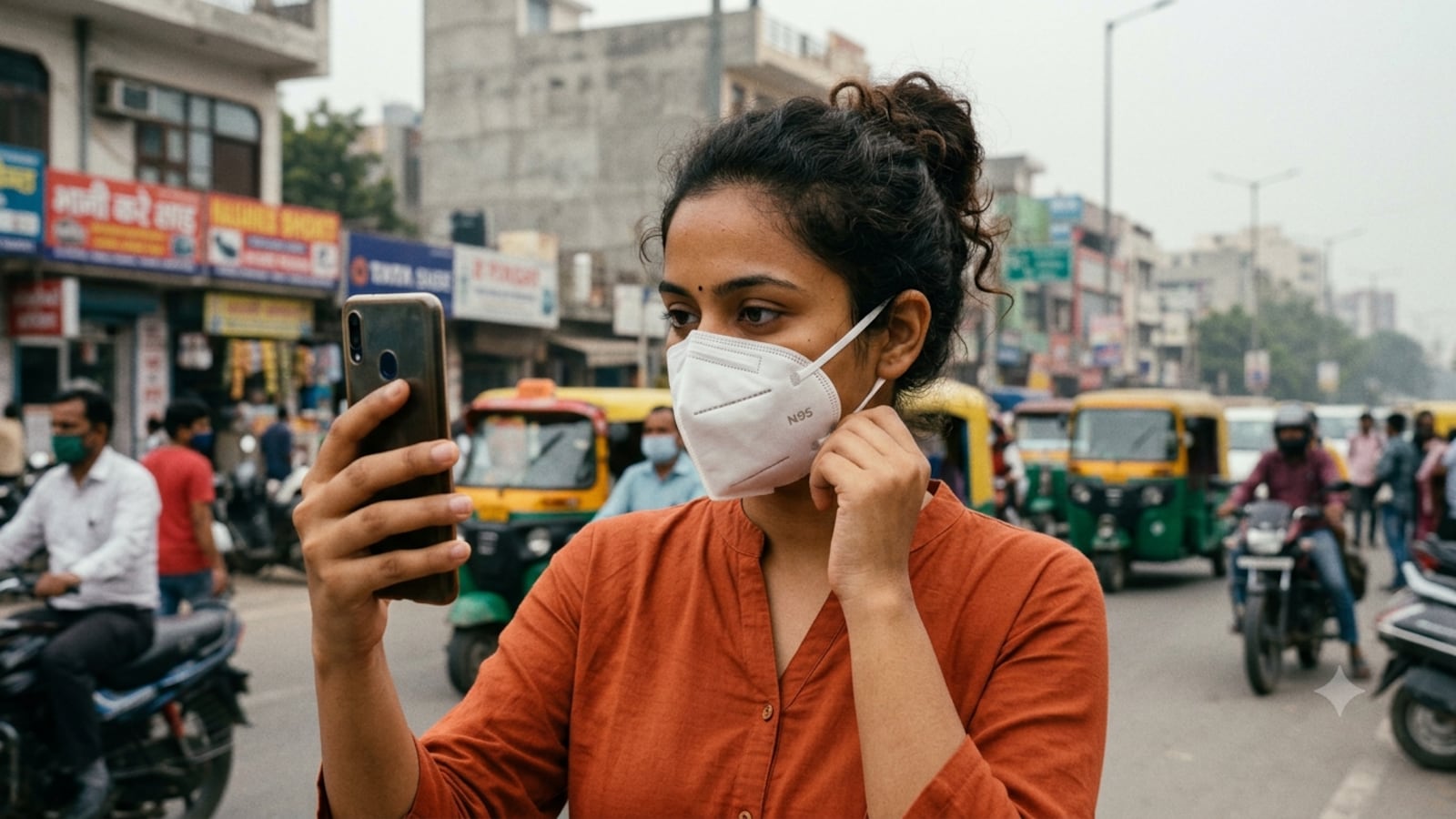
Health experts say most people do not need to wear masks routinely right now.
People should still wash their hands and avoid touching their eyes, nose and mouth with dirty hands.
They should keep away from people who are sick and cover their mouths when coughing or sneezing.
Anyone who is ill or at higher risk should follow medical advice.

Delhi has reported more than 2,300 swine flu cases, while Karnataka has around 300–400 active cases.
ICMR Director General Rajiv Bahl said routine mask use is not currently recommended for everyone.
H1N1 spreads mainly through respiratory droplets, close contact and contaminated surfaces.
H1N1 is an influenza A subtype, while COVID-19 is caused by the SARS-CoV-2 coronavirus.
Experts recommend hand hygiene, respiratory etiquette, distancing from sick people and staying home when unwell.
- Who
- People in Delhi and other parts of the country, including Karnataka, are affected; health experts and ICMR Director General Rajiv Bahl provided guidance.
- What
- Reported H1N1 and seasonal influenza cases are rising, prompting advice on transmission prevention and mask use.
- Where
- Delhi, Karnataka and several other parts of the country.
- When
- The report was published and updated on August 25, 2026; the circulating H1N1 strains have been present since 2025.
- Why
- The increase in reported cases has raised public concern and led health experts to emphasize precautions.
Key facts
- Delhi cases
- More than 2,300 swine flu cases have been reported.
- Karnataka cases
- The state has around 300–400 active cases.
- Mask guidance
- Routine masks are not currently recommended for everyone, according to Rajiv Bahl.
- Main transmission
- H1N1 primarily spreads through respiratory droplets and close contact.
- Other transmission route
- Touching contaminated surfaces and then the eyes, nose or mouth can potentially cause infection.
- H1N1 virus
- H1N1 is a subtype of influenza A.
- COVID-19 virus
- COVID-19 is caused by the SARS-CoV-2 coronavirus.
- Current strains
- The reported rise is not attributed to a new H1N1 variant; circulating strains are known seasonal strains present since 2025.
Quotes
Dr Rajiv Bahl
Director General of the Indian Council of Medical Research
“Here, we are not asking people to wear masks because the infection spreads mainly through respiratory droplets, which do not travel very far, usually up to about two metres.”
 news18.com
“We should follow many of the same precautions that we followed during COVID, with the exception of wearing masks.”
news18.com
Sources
Related news
Delhi, Bengaluru H1N1 Surge as Doctors Compare COVID-19

ICMR Says Seasonal H1N1 Surge Needs No Masks
Doctors Explain When Masks Help During India’s H1N1 Surge
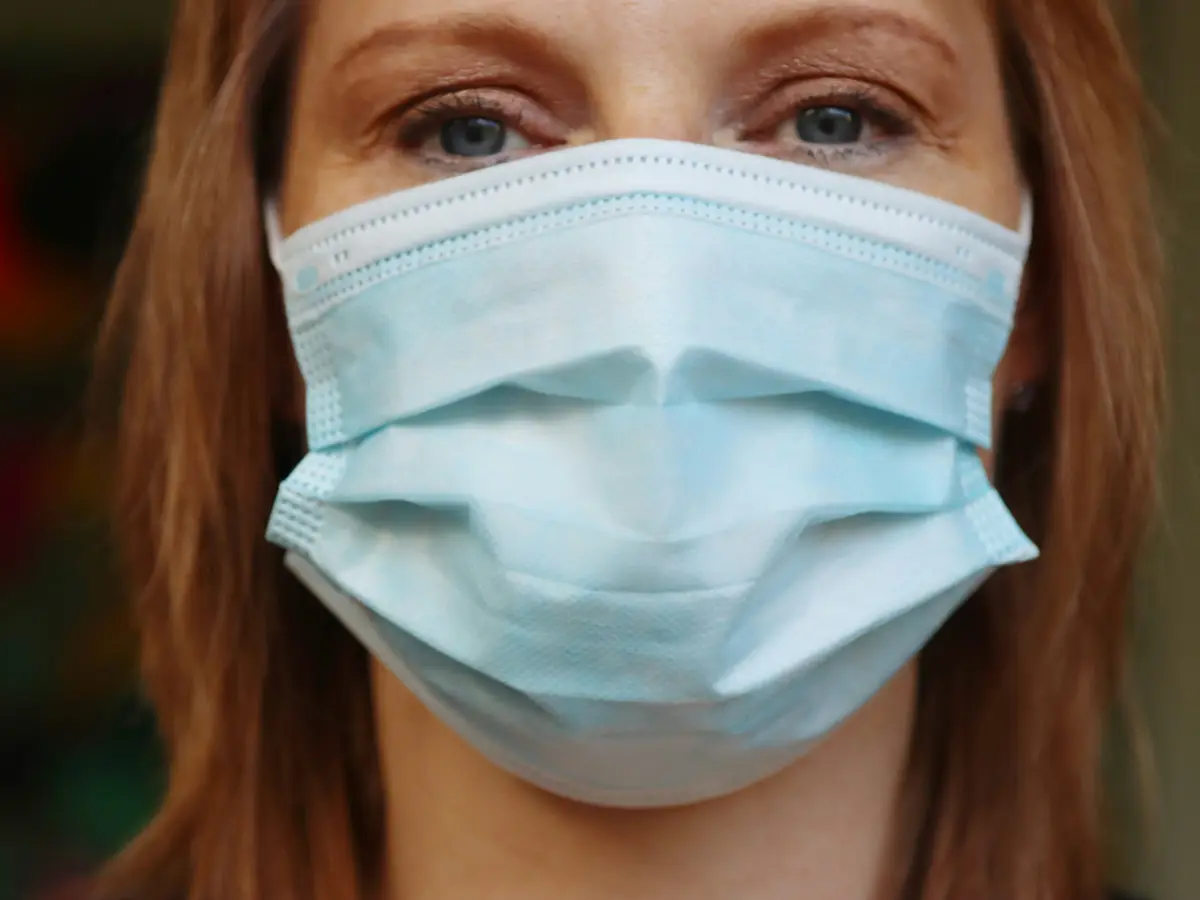
Delhi H1N1 Cases Rise as Government Urges Mask Use

Delhi Reports 1,777 H1N1 Cases as Authorities Urge Precautions

H1N1 Cases Rise in India; Simple Ways to Protect Yourself

Flu Precautions: When Masks and N95s May Help

Sixty-Five Doctors Apply for AIIMS Delhi Director’s Post

India's Seasonal H1N1 Surge Prompts Advisories, Doctors Urge Calm

India's H1N1 Cases Rise, ICMR Urges Calm and Precautions