6 days ago
Flu Precautions: When Masks and N95s May Help

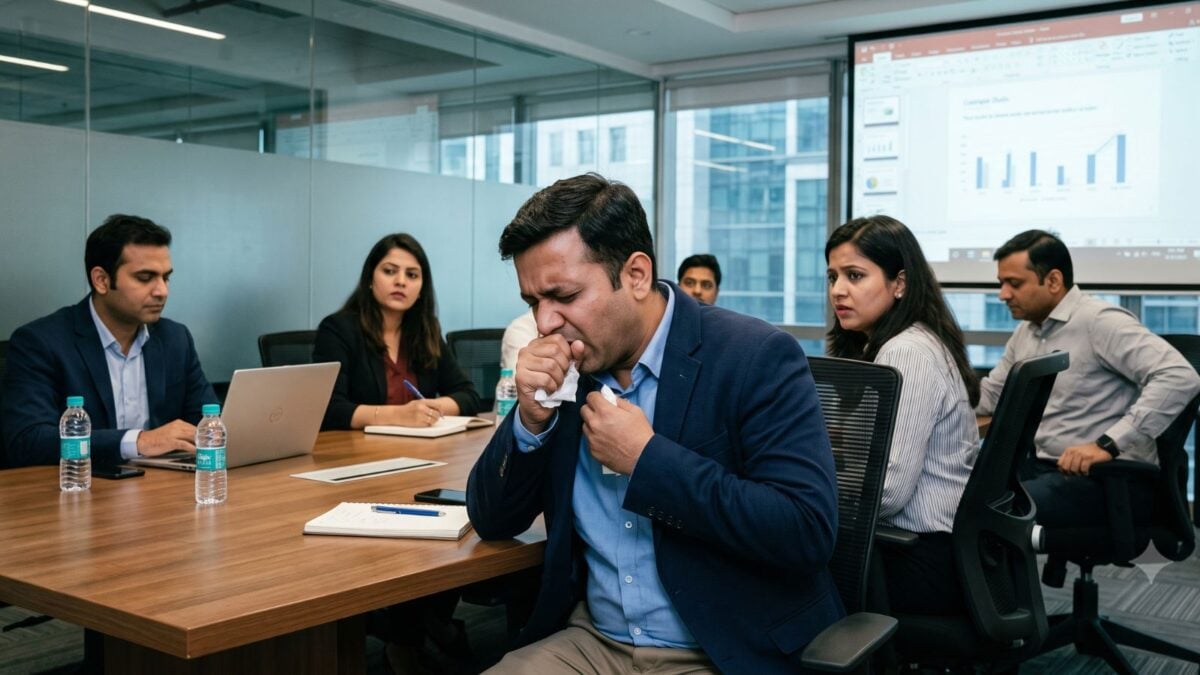
Flu can spread when people breathe, cough, or sneeze near one another.
If you feel sick, the best choice is to stay home and avoid close contact.
If you must be near other people, wearing a well-fitted mask can reduce the chance of spreading infection.
An N95 mask filters more than a loose mask.
Masks may be especially useful in crowded or poorly ventilated places.
They can also add protection at home around family members who could become very sick.
Healthy people do not necessarily need to wear masks all the time.
The two-metre rule is not an exact boundary for flu transmission.
Good ventilation, clean hands, and covering coughs and sneezes also help.

People with flu symptoms should stay home and limit close contact whenever possible.
A well-fitted mask may help when someone unwell must enter crowded or poorly ventilated spaces.
N95 respirators provide more filtration than loose-fitting masks and may help during unavoidable close contact.
Experts caution that two metres should not be treated as a strict limit for influenza transmission.
Practical precautions include ventilation, hand hygiene, covering coughs and sneezes, and seeking care for severe symptoms.
- Who
- People with flu symptoms, healthy people, high-risk individuals, and health experts including Dr Rajiv Bahl and Dr Sulaiman Ladhani.
- What
- Experts and medical associations have offered guidance on masks, N95 respirators, distancing, vaccination, and other precautions against seasonal influenza.
- Where
- India, including crowded, healthcare, workplace, home, and other indoor settings.
- When
- As seasonal influenza continues to circulate; no specific date is given.
- Why
- To reduce influenza transmission and help protect older adults, children, and people with weaker immunity.
Additional Masking
Routine Masking Not Needed
Who should wear a mask
Additional Masking
The Delhi Medical Association and Indian Medical Association recommend masks for people with flu symptoms, especially in crowded or healthcare settings. Dr Ladhani says masking is sensible when sick people cannot avoid being around others.
Routine Masking Not Needed
ICMR Director General Dr Rajiv Bahl said routine mask use is not necessary for everyone because respiratory droplets generally do not travel very far.
How far influenza spreads
Additional Masking
Dr Ladhani says influenza can spread through respiratory particles of different sizes and is more likely to transmit in crowded or poorly ventilated indoor environments.
Routine Masking Not Needed
Dr Bahl described respiratory droplets as traveling about two metres at most, although Dr Ladhani cautioned that two metres is not a strict boundary.
Masking versus staying home
Additional Masking
A well-fitted mask, including an N95 when close contact cannot be avoided, can provide an additional layer of protection around vulnerable people.
Routine Masking Not Needed
Masking should complement rather than replace staying home and limiting close contact while unwell.
Key facts
- Routine masking
- Routine mask use is not necessarily required for every healthy person, according to Dr Sulaiman Ladhani and Dr Rajiv Bahl.
- When to mask
- People with fever, cough, sore throat, or other flu-like symptoms should consider a well-fitted mask if they cannot avoid being around others.
- N95 respirators
- N95s provide higher filtration than loose-fitting masks and may be useful during unavoidable close contact in crowded or poorly ventilated indoor settings.
- Two-metre guidance
- ICMR said respiratory droplets generally travel about two metres at most, while Dr Ladhani cautioned that this should not be treated as a strict transmission boundary.
- Core precautions
- Recommended measures include staying home when unwell, limiting close contact, improving ventilation, washing hands, and covering coughs and sneezes.
- Vaccination
- Flu vaccination is not part of a universal immunisation programme in India, but high-risk people may consider it after consulting a doctor.
- Warning signs
- Breathing difficulty, chest pain, worsening symptoms, or other signs of severe illness require prompt medical attention.
Quotes
Dr Sulaiman Ladhani
Consultant pulmonologist at Wockhardt Hospitals, Mumbai Central
“We are not asking people to wear masks because the infection spreads through respiratory droplets, which do not travel very far. They travel about two metres at most”
 indianexpress.com
“The most important measure remains staying home and limiting close contact while unwell; a mask should complement, not replace, these measures”
indianexpress.com
Sources
Related news
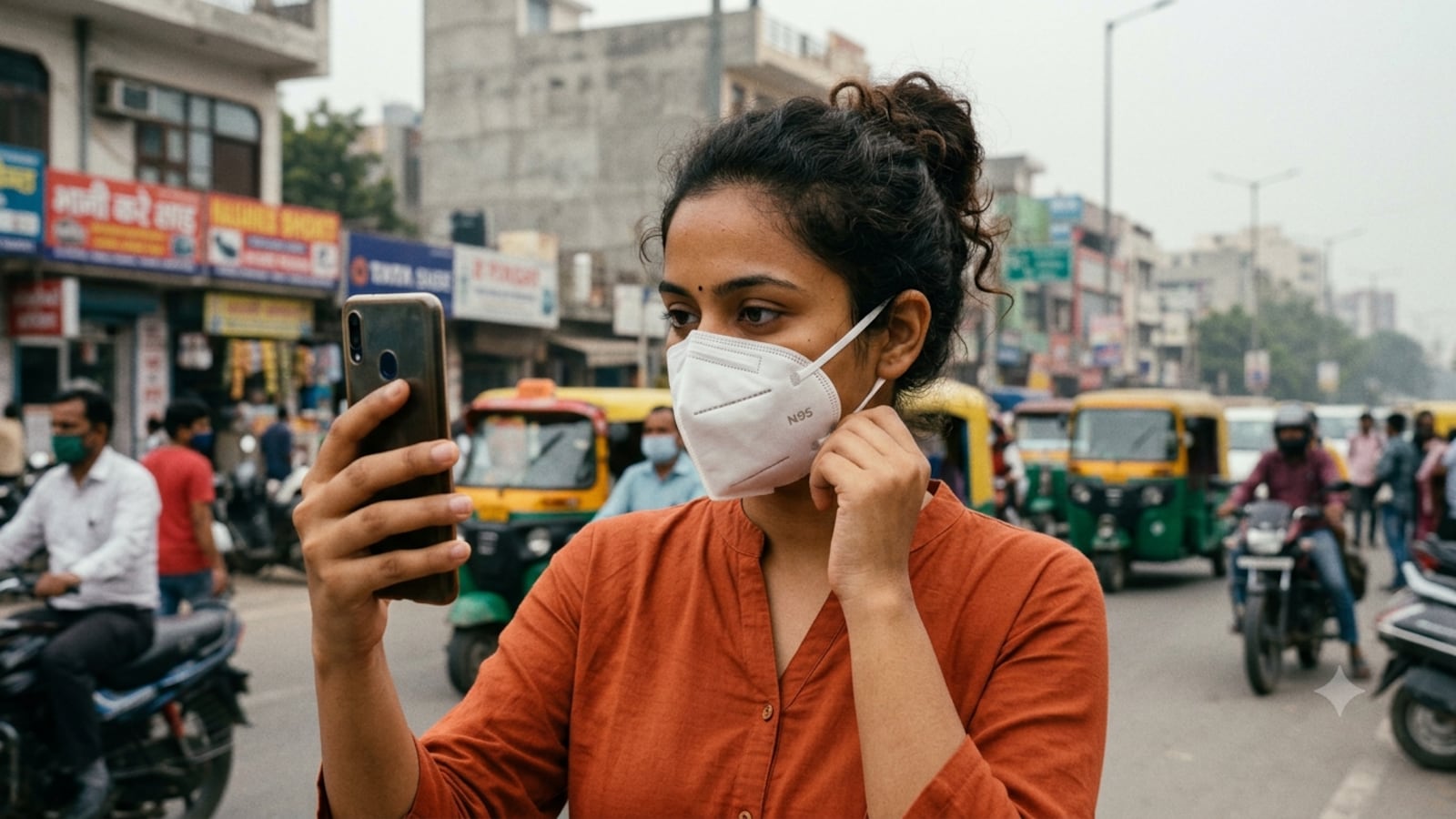
Doctors Explain When Masks Help During India’s H1N1 Surge
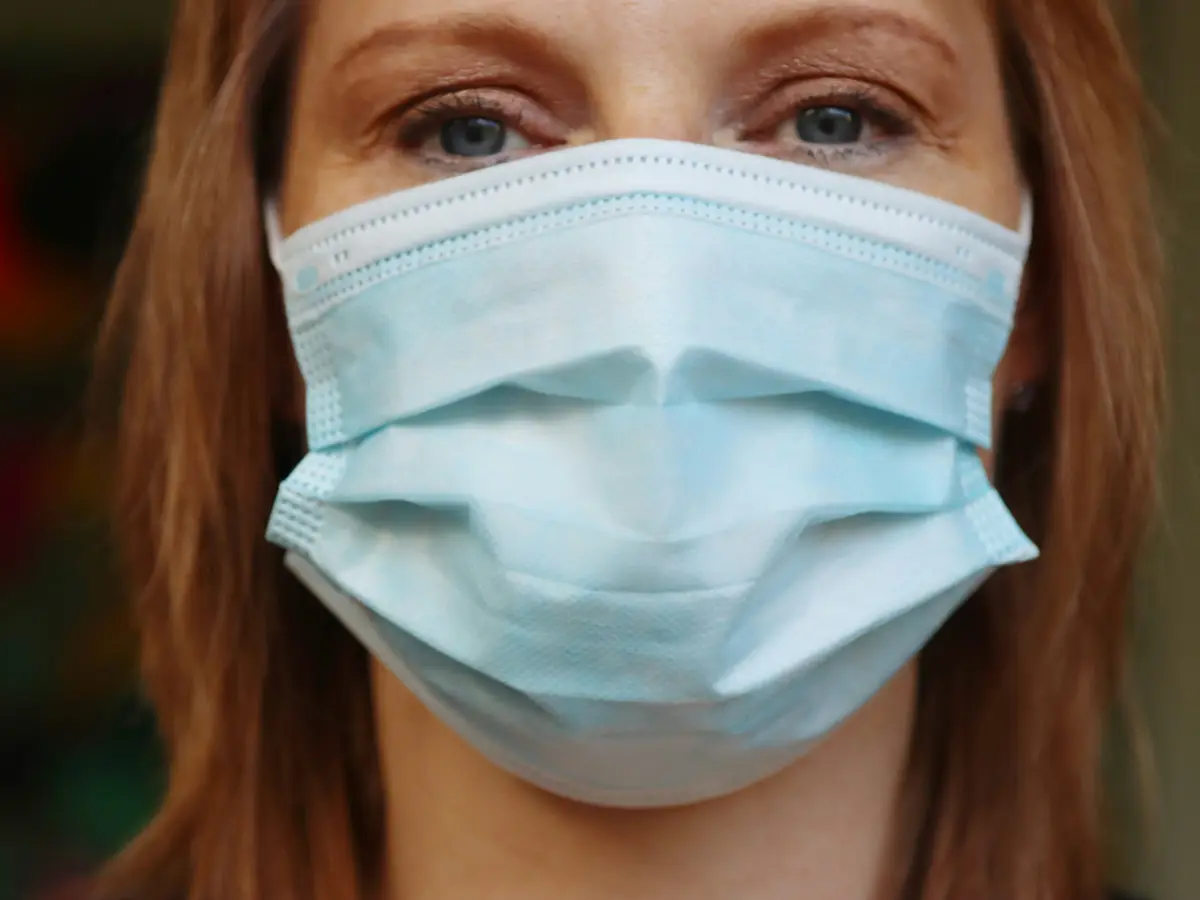
Delhi H1N1 Cases Rise as Government Urges Mask Use

Delhi Medical Association Issues Advisory Amid Rising H1N1 Cases
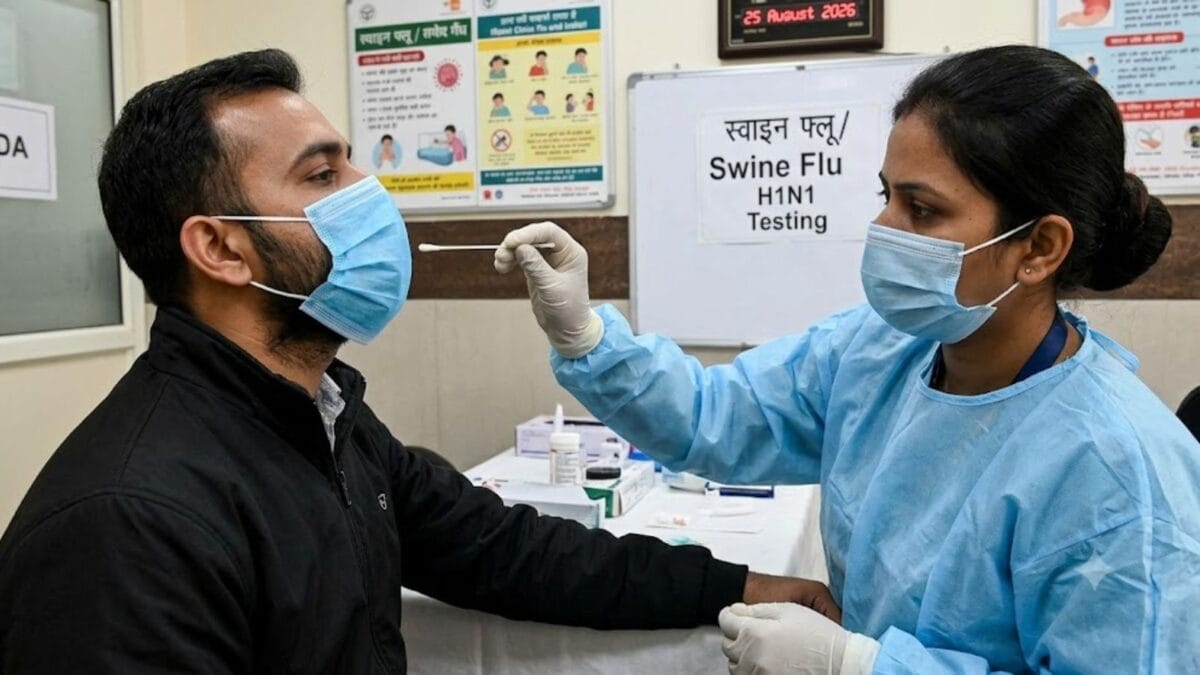
H1N1 Cases Rise as Experts Advise Precautions, Not Routine Masks

ICMR Says Seasonal H1N1 Surge Needs No Masks

Delhi Reports 1,777 H1N1 Cases as Authorities Urge Precautions

Sixty-Five Doctors Apply for AIIMS Delhi Director’s Post

India's Seasonal H1N1 Surge Prompts Advisories, Doctors Urge Calm

India's H1N1 Cases Rise, ICMR Urges Calm and Precautions