

1 week ago
Delhi-NCR H1N1 Cases Rise, Prompting Calls For Flexible Office Work
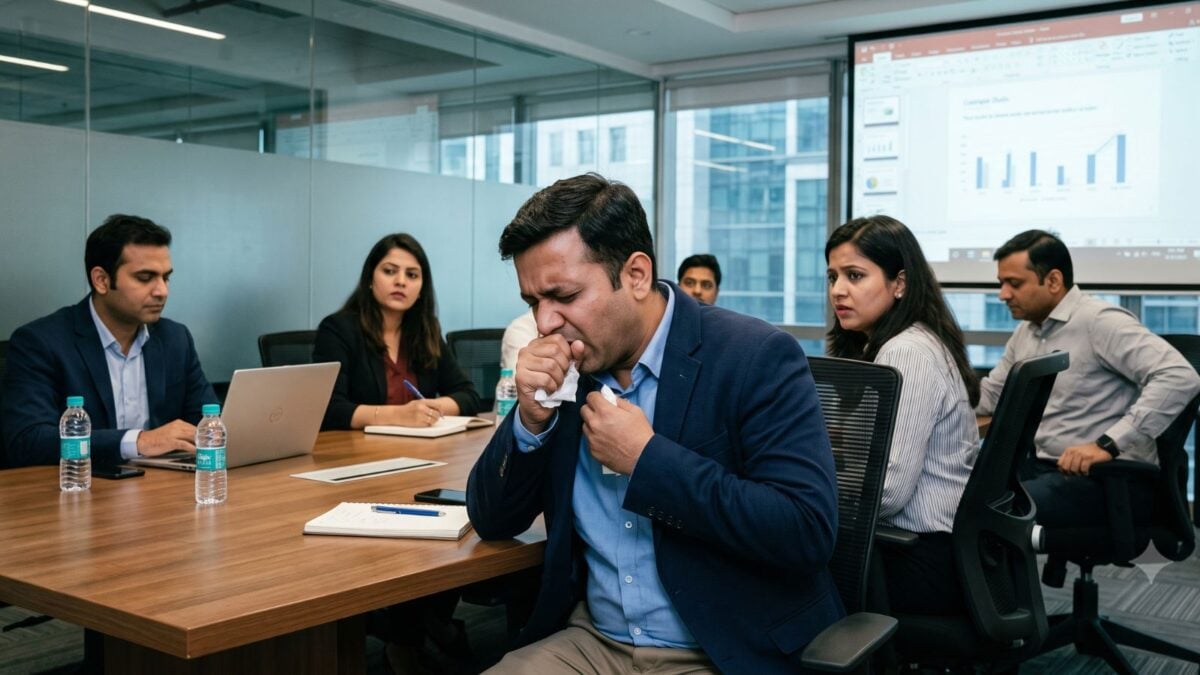
H1N1, sometimes called swine flu, is spreading more than last year in Delhi-NCR.
Delhi has reported about 2,300 confirmed cases in 2026.
Most people recover with rest and supportive care.
However, flu can be more dangerous for older people, young children and people with other health problems.
The virus can spread through coughs, sneezes and close contact.
Offices have many shared spaces where germs can move between people.
Companies do not have to close, but they could let some employees work from home or use flexible hours.
People can help by washing their hands, covering coughs and staying home when sick.

Delhi recorded around 2,300 confirmed H1N1 cases in 2026, up from 229 during the same period last year.
Noida reported around 120 cases, while Ghaziabad and Gurugram recorded seven each.
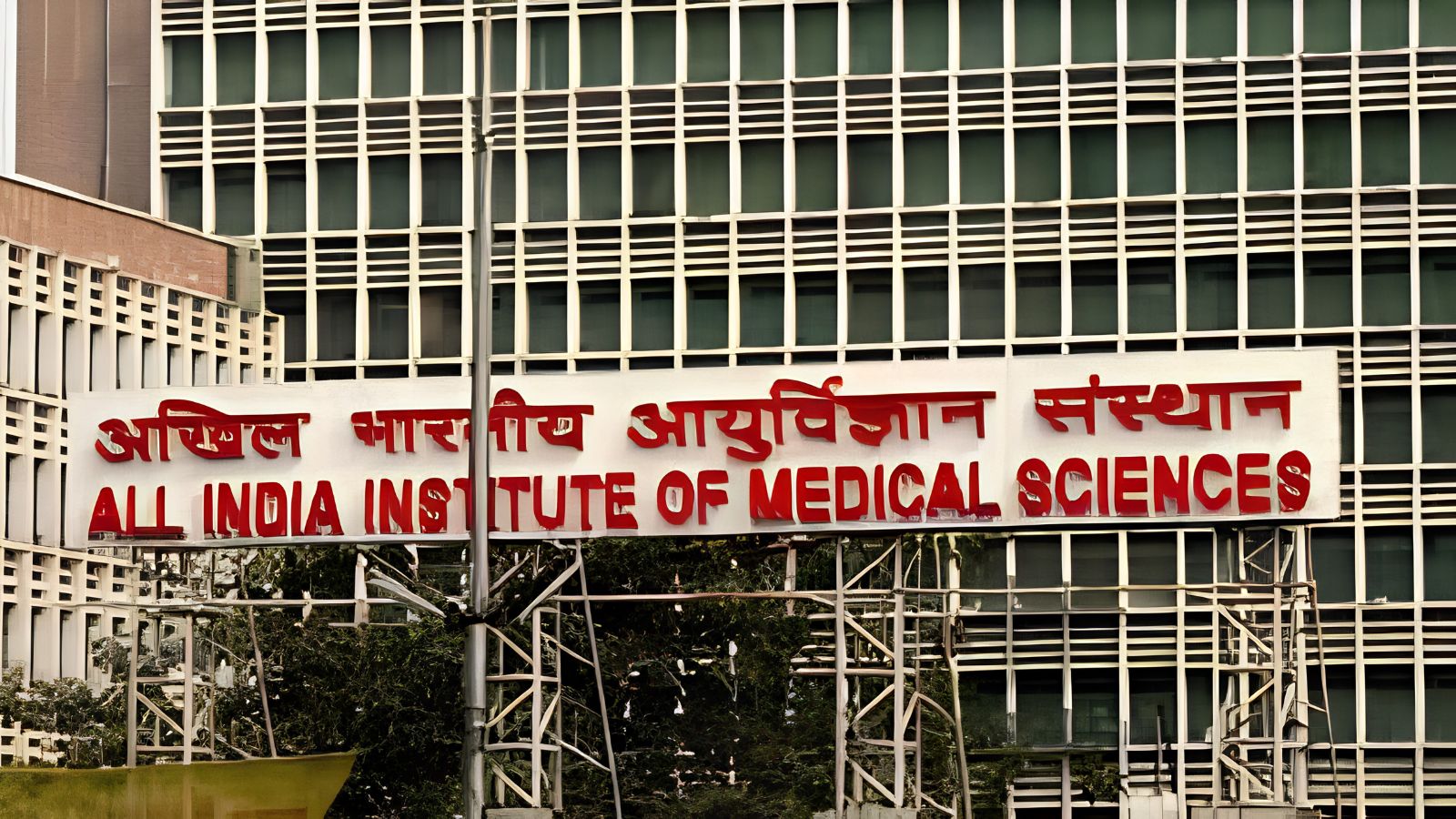
Authorities placed 35 hospitals under special surveillance and designated AIIMS and NCDC laboratories for testing.
Experts said most seasonal influenza infections are mild, but older adults, young children and people with health conditions face greater risks.
Companies are being encouraged to consider work-from-home, staggered hours, ventilation and sick leave rather than automatically closing offices.
- Who
- Delhi-NCR residents, health authorities, companies, employees and medical experts, including ICMR Director General Dr Rajiv Bahl.
- What
- H1N1 cases have risen sharply, prompting advice for precautions and possible flexible workplace arrangements.
- Where
- Delhi-NCR, including Delhi, Noida, Ghaziabad and Gurugram.
- When
- The figures cover 2026 through August 25, with comparisons to the same period in 2025.
- Why
- H1N1 spreads through respiratory droplets and close contact, while offices and crowded commutes can increase opportunities for transmission.
Flexible Work Advocates
No Automatic Office Shutdown
Remote work response
Flexible Work Advocates
Companies could allow symptomatic and asymptomatic employees to work from home where their roles permit, reducing close-contact exposure.
No Automatic Office Shutdown
The rise in cases does not automatically require offices to shut down or move entirely to remote work.
Managing workplace transmission
Flexible Work Advocates
Staggered hours, better ventilation and flexible arrangements could limit spread in shared workstations, meeting rooms, elevators and cafeterias.
No Automatic Office Shutdown
Employers can continue normal operations while encouraging sick employees to stay home and follow hygiene precautions.
Reason for considering remote work
Flexible Work Advocates
The H1N1 increase gives employers an additional health-related reason to consider flexible workplace policies.
No Automatic Office Shutdown
Some organisations are also weighing remote work for energy conservation amid a fuel supply issue linked in the article to the US-Iran war.
Key facts
- Delhi cases
- Around 2,300 confirmed H1N1 cases in 2026, compared with 229 during the same period last year.
- Regional cases
- Noida reported around 120 cases; Ghaziabad and Gurugram reported seven cases each.
- Surveillance
- Authorities placed 35 hospitals under special surveillance.
- Testing
- AIIMS and NCDC laboratories were designated for testing.
- Higher-risk groups
- Older adults, young children, people with underlying health conditions and people with weakened immunity.
- Suggested workplace measures
- Work from home where feasible, staggered hours, improved ventilation and staying home when sick.
- Publication date
- August 25, 2026.
Sources
Related news

Delhi records nearly six-fold rise in H1N1 cases in 2026

Delhi-NCR H1N1 Cases Surge as Officials Review Preparedness
Delhi-NCR Reports H1N1 Rise as Experts Urge Precautions
Delhi H1N1 Cases Rise as Government Urges Mask Use

H1N1 Cases Rise in North India; Experts Urge Caution

Nadda Reviews H1N1 Readiness as Delhi Cases Rise
Flu Precautions: When Masks and N95s May Help
Sixty-Five Doctors Apply for AIIMS Delhi Director’s Post

India's Seasonal H1N1 Surge Prompts Advisories, Doctors Urge Calm

India's H1N1 Cases Rise, ICMR Urges Calm and Precautions
