1 week ago
Delhi H1N1 Cases Rise as Government Urges Mask Use
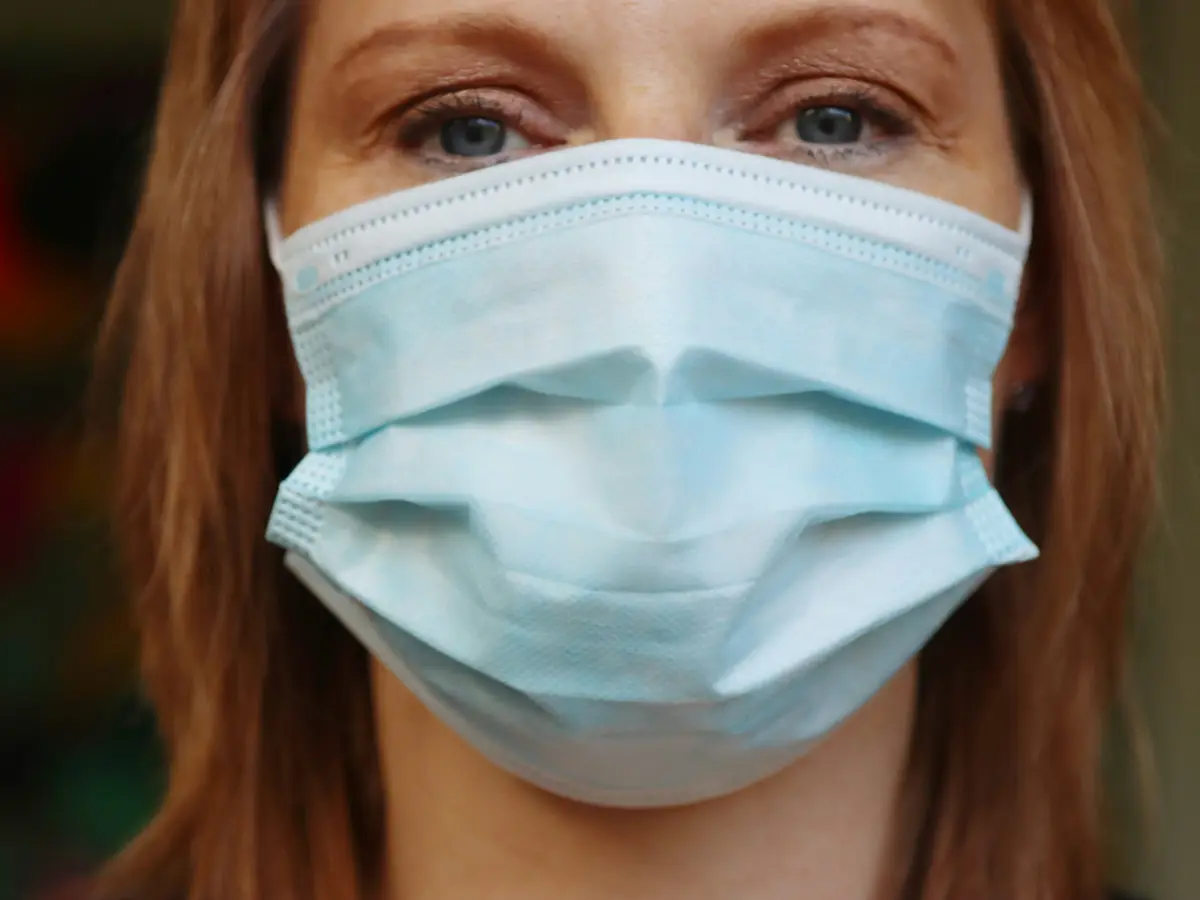
Delhi has seen more cases of H1N1, a virus that can cause flu.
The government is asking people to help slow its spread.
People should wear masks in crowded indoor places and cover their mouths when coughing or sneezing.
Washing hands and avoiding touching the face with dirty hands can also help.
Sick people should stay away from others when they have a fever or strong breathing symptoms.
Most people get better with rest and supportive care.
Flu can be more dangerous for older adults, pregnant women, young children and people with some health problems.
Trouble breathing, chest pain, confusion, low oxygen or symptoms that get worse are warning signs that need a doctor.

Delhi has reported more than 1,777 H1N1 cases this year, including 114 new infections on Thursday.
The capital has also recorded more than 2,300 Influenza-A cases, prompting increased preparedness.
Authorities recommend masks in crowded or poorly ventilated places, handwashing and covering coughs and sneezes.
H1N1 spreads mainly through respiratory droplets and can also spread through contaminated surfaces.
Most infections resolve with supportive care, but breathlessness, chest pain, falling oxygen or worsening symptoms require medical attention.
- Who
- The Delhi government, Delhi residents, health officials and pulmonologist Dr Arjun Khanna.
- What
- Authorities issued a public health advisory after increases in H1N1 and Influenza-A cases.
- Where
- Delhi.
- When
- The advisory followed a rise in recent weeks; 114 new H1N1 infections were reported on Thursday.
- Why
- To reduce transmission, improve preparedness and encourage prompt care for severe or persistent symptoms.
Vigilance Without Panic
Seriousness Requires Caution
How people should respond
Vigilance Without Panic
Dr Arjun Khanna says the message should be vigilance rather than panic because most influenza infections are self-limiting.
Seriousness Requires Caution
Authorities and medical guidance stress that persistent or worsening flu symptoms should not be dismissed as ordinary seasonal flu.
Risk of complications
Vigilance Without Panic
Many people recover with supportive care without serious complications.
Seriousness Requires Caution
Influenza can progress to viral pneumonia, low blood oxygen and respiratory failure, especially among vulnerable groups.
Use of medication
Vigilance Without Panic
Routine antibiotic use is not helpful because H1N1 is caused by a virus.
Seriousness Requires Caution
Antibiotics may be considered only after medical evaluation confirms a secondary bacterial infection; unnecessary use can contribute to antimicrobial resistance.
Key facts
- H1N1 cases
- More than 1,777 cases have been reported in Delhi this year.
- New H1N1 infections
- 114 new infections were recorded on Thursday.
- Influenza-A cases
- Delhi has reported more than 2,300 Influenza-A cases.
- Main spread routes
- H1N1 mainly spreads through respiratory droplets and can also spread through contaminated surfaces touched before touching the eyes, nose or mouth.
- Higher-risk groups
- Older adults, pregnant women, young children and people with chronic heart or lung disease, metabolic disorders or weakened immunity face greater risks of complications.
- Urgent warning signs
- Breathlessness, falling oxygen levels, chest discomfort, confusion, persistent high fever, severe weakness or deterioration after initial improvement require medical evaluation.
- Vaccination data
- Interim 2025-26 data cited by Dr Arjun Khanna showed approximately a 30% reduction in influenza-associated hospitalisation risk among adults.
- Antibiotics
- Antibiotics do not directly treat H1N1 and are appropriate only if a doctor identifies a secondary bacterial infection.
Quotes
Dr Arjun Khanna
Head of Pulmonology at Amrita Hospital, Faridabad
“Most infections will be self-limiting, but influenza can progress from an apparently routine respiratory illness to viral pneumonia, hypoxaemia and respiratory failure, especially in older adults, pregnant women and people with chronic heart or lung disease, metabolic disorders or weakened immunity.”
 NDTV
NDTV
“Antibiotics won't help you with influenza, unless you develop a secondary bacterial infection.”
NDTV
Sources

Related news
Delhi records nearly six-fold rise in H1N1 cases in 2026
Delhi Medical Association Issues Advisory Amid Rising H1N1 Cases

Delhi Reports 1,777 H1N1 Cases as Authorities Urge Precautions
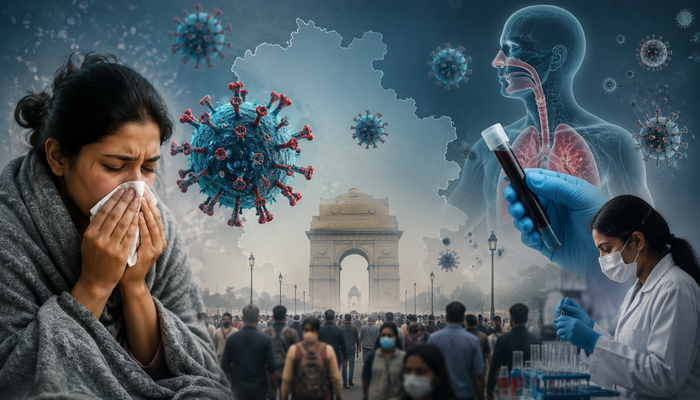
Delhi-NCR H1N1 Cases Surge as Officials Review Preparedness
Delhi reports six-fold rise in H1N1 flu cases, experts warn

H1N1 Cases Rise in North India; Experts Urge Caution

National Nutrition Week Promotes A Truly Balanced Plate
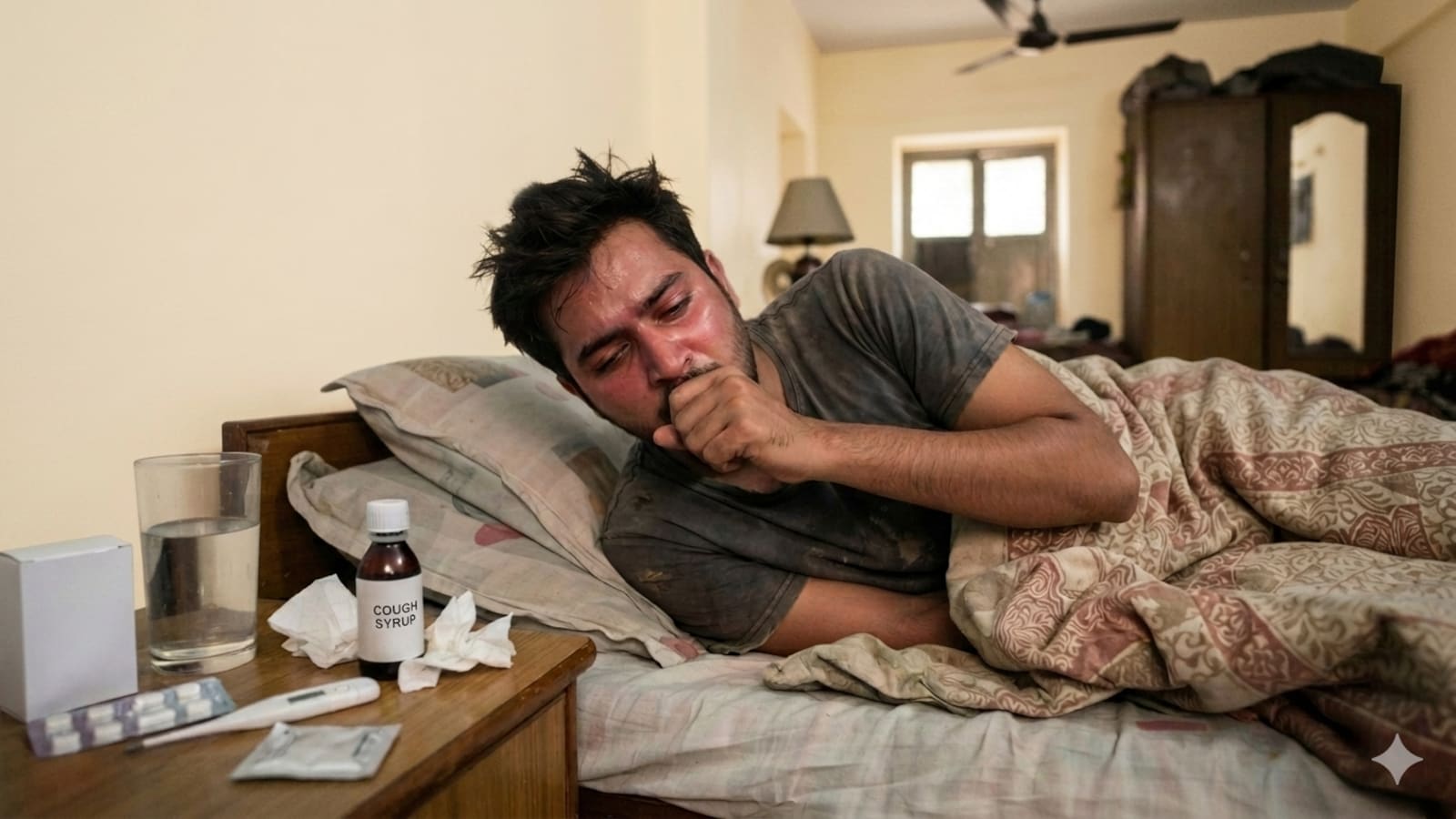
H1N1 Recovery: Seven Mistakes To Avoid After Fever
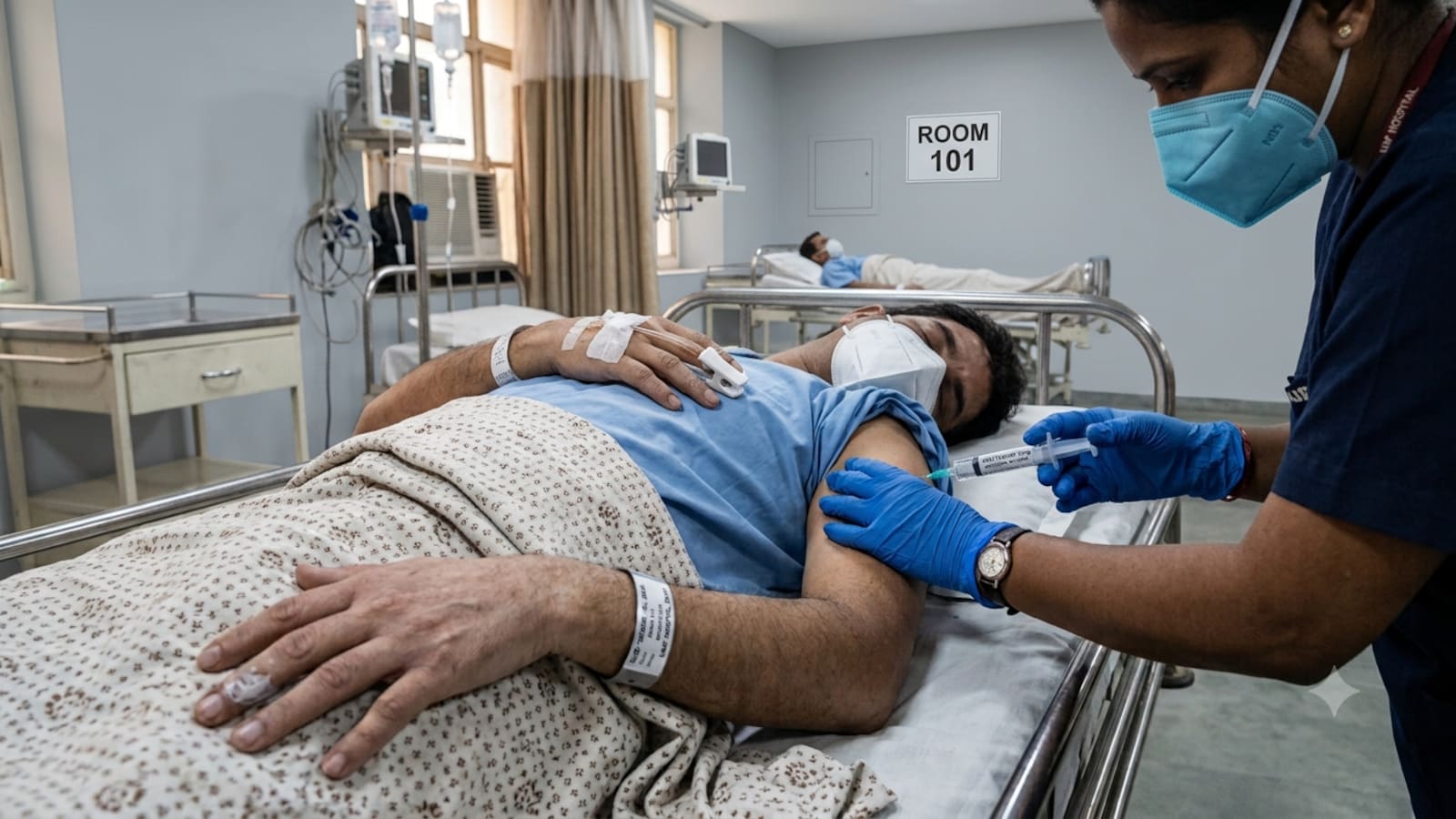
H1N1 Cases Rise as Flu Vaccine Demand Surges Nationwide

Seven Ways Gym-Goers Can Prevent H1N1 During Flu Season

Amitabh Bachchan Gives Up Rice, But Should Older Adults?