1 week ago
H1N1 Cases Rise in India; Simple Ways to Protect Yourself

H1N1 is a type of flu virus that can spread between people.
Some Indian states are seeing more H1N1 and flu-like illnesses.
Children may be among those affected.
People with asthma or other health conditions should watch their symptoms carefully.
Signs can include coughing, fever, a runny nose, body aches, and tiredness.
Children may also have vomiting or diarrhea.
Washing hands, covering coughs, and avoiding close contact with sick people can help.
People who feel sick should stay home and seek medical advice when needed.

H1N1 cases and flu-like illnesses are reportedly increasing across several Indian states.
Children and people with conditions such as asthma may need closer monitoring.
H1N1 is an influenza A respiratory virus that can cause seasonal flu-like illness.
Symptoms may include fever, cough, sore throat, aches, tiredness, and sometimes stomach problems.
Vaccination, handwashing, respiratory hygiene, limiting contact with sick people, and staying home when ill can reduce spread.
- Who
- People in India, particularly children and those with underlying conditions such as asthma, may be affected.
- What
- H1N1 cases and other flu-like illnesses are rising across several Indian states.
- Where
- Across several states in India.
- When
- During the flu season; symptoms can appear one to four days after exposure.
- Why
- H1N1 and other respiratory viruses spread between people, prompting advice on vaccination, hygiene, and medical guidance.
Key facts
- Virus
- H1N1 is a strain of influenza A and a respiratory virus.
- Symptoms
- Possible symptoms include fever, cough, sore throat, runny or blocked nose, aches, chills, headache, tiredness, and eye symptoms.
- Children
- Vomiting and diarrhea are more commonly reported in children than adults.
- Higher-risk groups
- Children with conditions such as asthma and people with underlying conditions should remain especially alert.
- Vaccination
- Annual flu vaccination can help protect against circulating influenza viruses, including dominant influenza A strains such as H1N1.
- Prevention
- Handwashing, covering coughs and sneezes, avoiding face-touching, limiting close contact with sick people, and staying home when ill may reduce spread.
- Treatment and prevention medicines
- Antiviral medicines are available for influenza prevention or treatment and should be used under medical guidance.
Sources
Related news
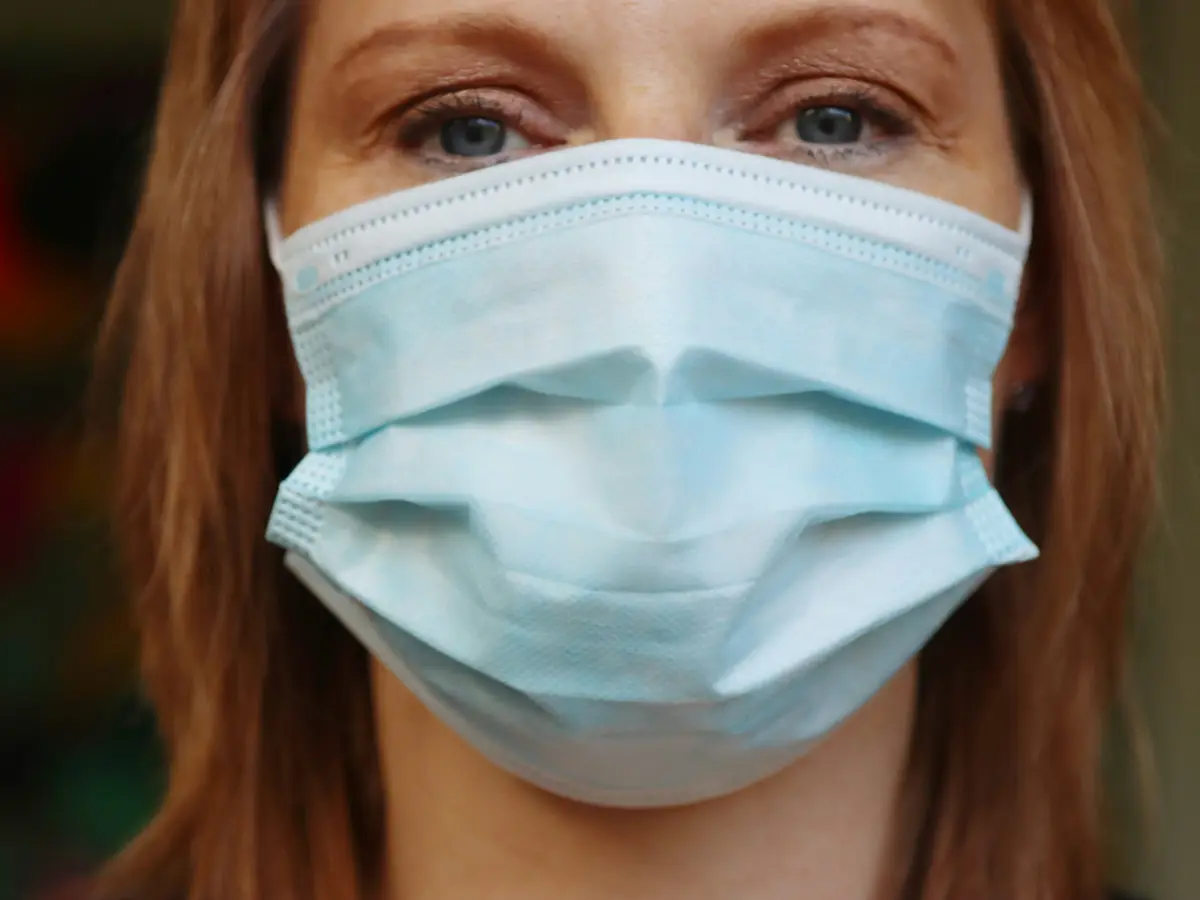
Delhi H1N1 Cases Rise as Government Urges Mask Use

Delhi Reports 1,777 H1N1 Cases as Authorities Urge Precautions

Delhi records nearly six-fold rise in H1N1 cases in 2026
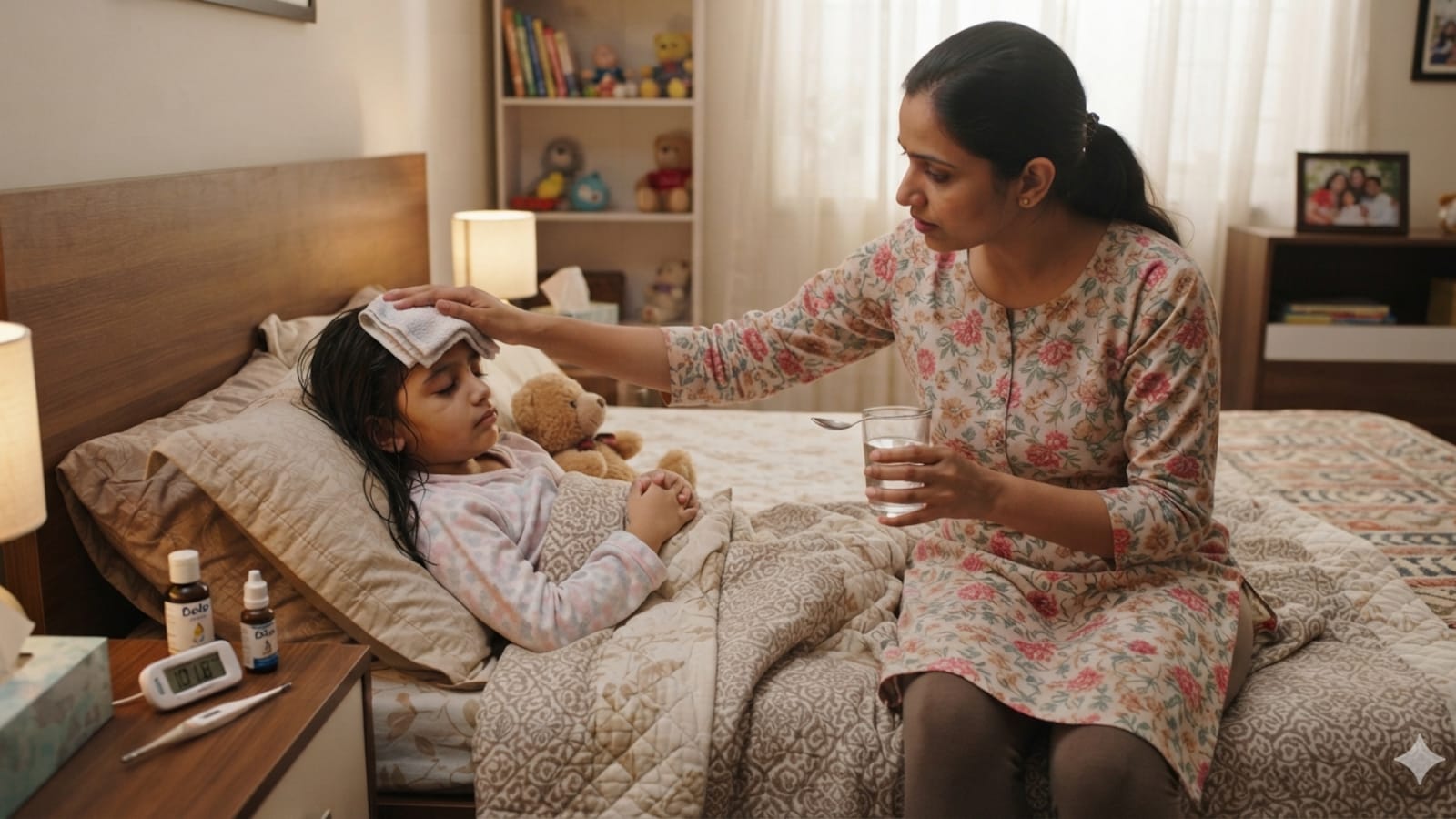
Delhi Reports Six-Fold Spike In H1N1 Cases Among Children

Delhi Medical Association Issues Advisory Amid Rising H1N1 Cases

ICMR Says No New H1N1 Strain as Delhi Cases Rise

Body Signals That Show When You Need More Rest

Why Doctors Ask Patients to Sing During Brain Surgery

AI Helps Target ‘Undruggable’ Protein in Pancreatic Cancer

Jamal Musiala Explains Absence Seizures After Two Match Collapses