1 week ago
Doctors Explain When Masks Help During India’s H1N1 Surge
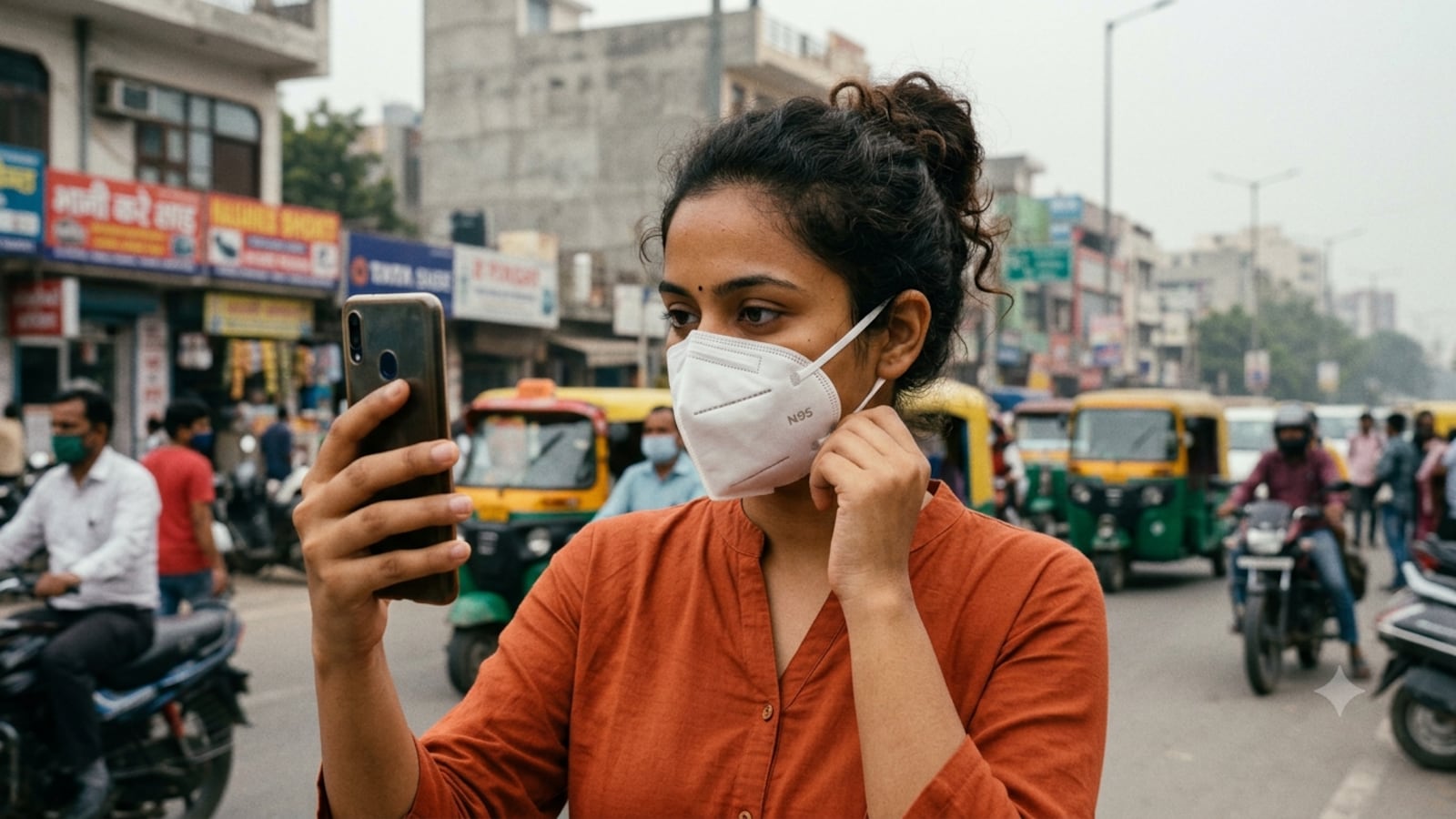
H1N1 is a type of flu that can spread when an infected person coughs, sneezes or talks.
You do not have to wear a mask every time you leave home.
A mask can help in crowded places, hospitals and rooms with poor airflow.
It is especially helpful if you are sick or near someone who could become very ill.
If you feel sick, staying home is better than simply wearing a mask and continuing normal activities.
If you must go out, wear a mask that covers your nose, mouth and chin.
Opening windows, washing hands and covering coughs can also reduce spread.
People with serious symptoms or a higher risk of complications should contact a doctor.
The seasonal rise in H1N1 cases does not mean another pandemic has begun.

Healthy people do not need to wear masks all day solely because H1N1 cases are rising.
Masks are most useful in crowded, poorly ventilated indoor spaces, healthcare settings and around vulnerable people.
People with flu-like symptoms should stay home when possible and wear a mask if they must be around others.
A properly fitted N95-type respirator generally offers better filtration than a loose-fitting mask.
Prevention also includes ventilation, hand hygiene, covering coughs, avoiding vulnerable people when sick and considering vaccination.
- Who
- People in India, especially those who are sick, vulnerable to severe influenza or exposed to crowded settings; doctors and public-health agencies provide the guidance.
- What
- Experts recommend using masks based on exposure and individual risk rather than requiring everyone to mask continuously during the H1N1 rise.
- Where
- Delhi, Bengaluru and other parts of India, particularly crowded or poorly ventilated indoor spaces, hospitals and public transport.
- When
- During the reported increase in seasonal H1N1 activity.
- Why
- To reduce the spread of respiratory particles and protect people at higher risk of serious influenza complications.
Key facts
- Virus
- H1N1 is a subtype of influenza A that spreads through respiratory particles released by coughing, sneezing and talking.
- Healthy people
- They do not generally need to wear a mask all day solely because cases are increasing.
- Higher-risk settings
- Crowded public transport, packed waiting rooms, hospitals, clinics and poorly ventilated indoor spaces.
- When sick
- People with flu-like symptoms should stay home and avoid close contact when possible; they should mask if they must be around others.
- Mask choice
- A properly fitted N95-type respirator can provide better filtration than a loose-fitting mask; NCDC guidance also includes triple-layer surgical masks.
- Additional precautions
- Improve ventilation, wash hands, cover coughs and sneezes, avoid vulnerable people when unwell and consider annual influenza vaccination.
- Warning signs
- Difficulty breathing, worsening breathlessness, persistent or unusually high fever, confusion, severe weakness or falling oxygen levels require prompt medical attention.
- Pandemic risk
- The article says a seasonal rise in H1N1 cases does not automatically signal a new pandemic.
Quotes
Dr Navneet Sood
Associate Director and Senior Consultant in Pulmonology at Dharamshila Narayana Superspeciality Hospital, Delhi
“The aim is not to be afraid of H1N1; it's to minimise unnecessary spread and be ready to get medical attention if necessary and be watchful of symptoms.”
 NDTV
NDTV
Sources
Related news

Flu Precautions: When Masks and N95s May Help
Delhi H1N1 Cases Rise as Government Urges Mask Use
H1N1 Cases Rise as Experts Advise Precautions, Not Routine Masks

Delhi Reports 1,777 H1N1 Cases as Authorities Urge Precautions

ICMR Says Seasonal H1N1 Surge Needs No Masks

Delhi Medical Association Issues Advisory Amid Rising H1N1 Cases

Tata Elxsi, Sarla Aviation Partner on India’s Electric Air Taxi

India-Brazil Friendly Tickets Sell Out as Kolkata Anticipates Clash

Advocate Seeks Removal of Burial Sites from Bengaluru Kala Grama
Shivakumar Calls BJP Padayatra Cover-Up for Internal Crisis

Futura MedTech Appoints Abhishek Bhargava as Group CEO