1 week ago
Delhi, Bengaluru H1N1 Surge as Doctors Compare COVID-19
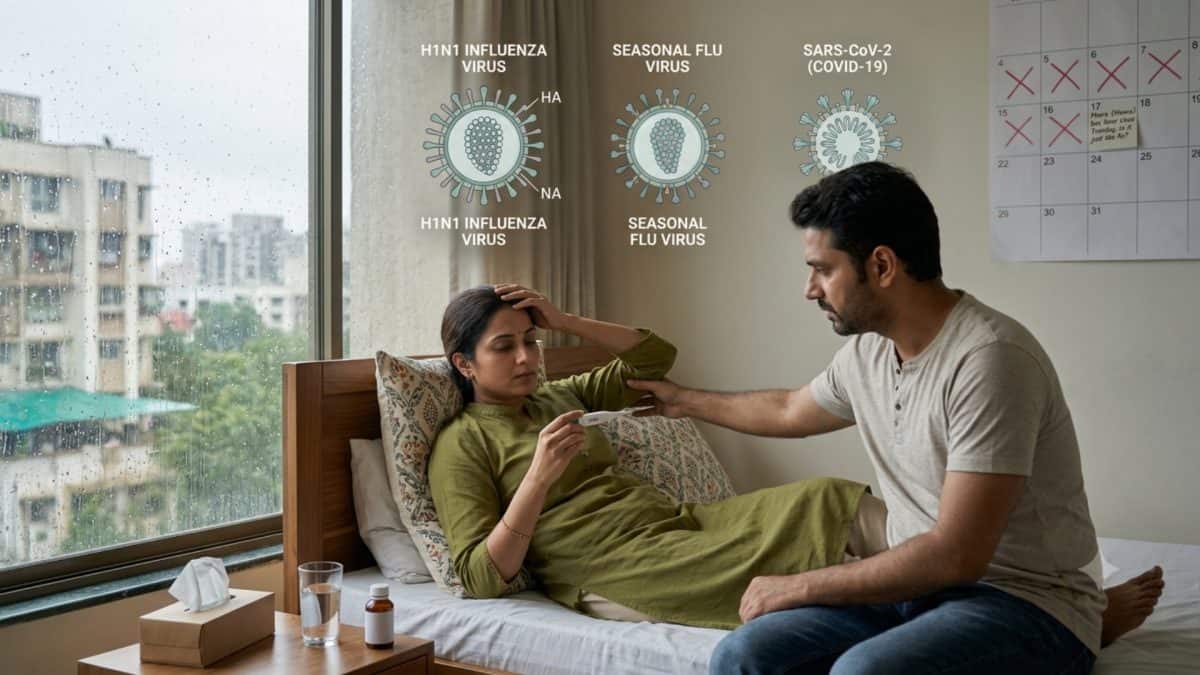
H1N1, also called swine flu, is increasing in Delhi and influenza is also spreading more in Bengaluru.
Delhi reported many more cases this year than during the same period last year.
Bengaluru recorded thousands of confirmed influenza cases, and many people at one school became sick.
Health officials said the increases are not because of a new H1N1 strain.
H1N1 and COVID-19 are caused by different viruses.
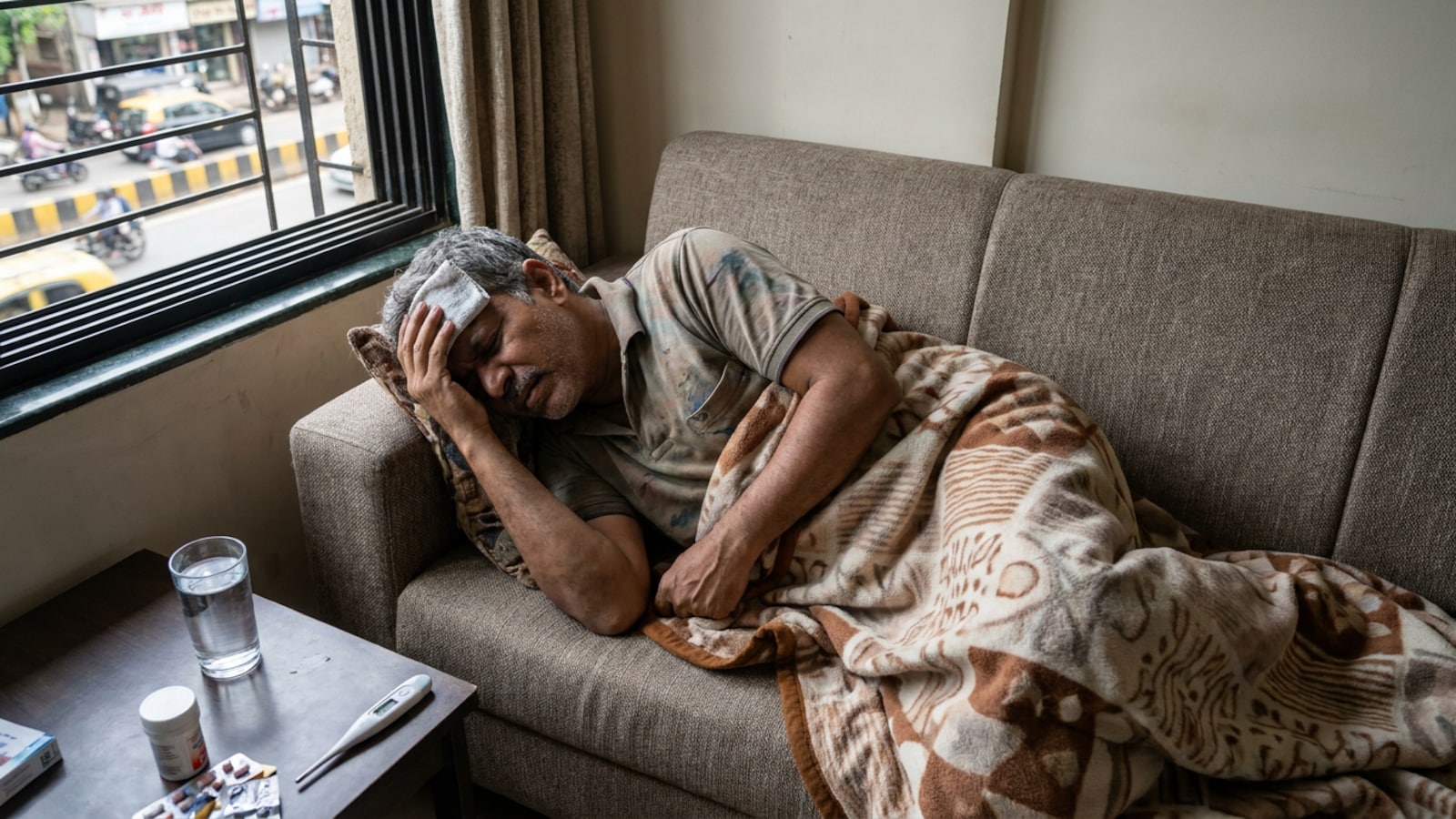
However, both illnesses can cause fever, cough, tiredness and body aches.
Doctors say a person usually cannot know which illness they have just by checking symptoms.
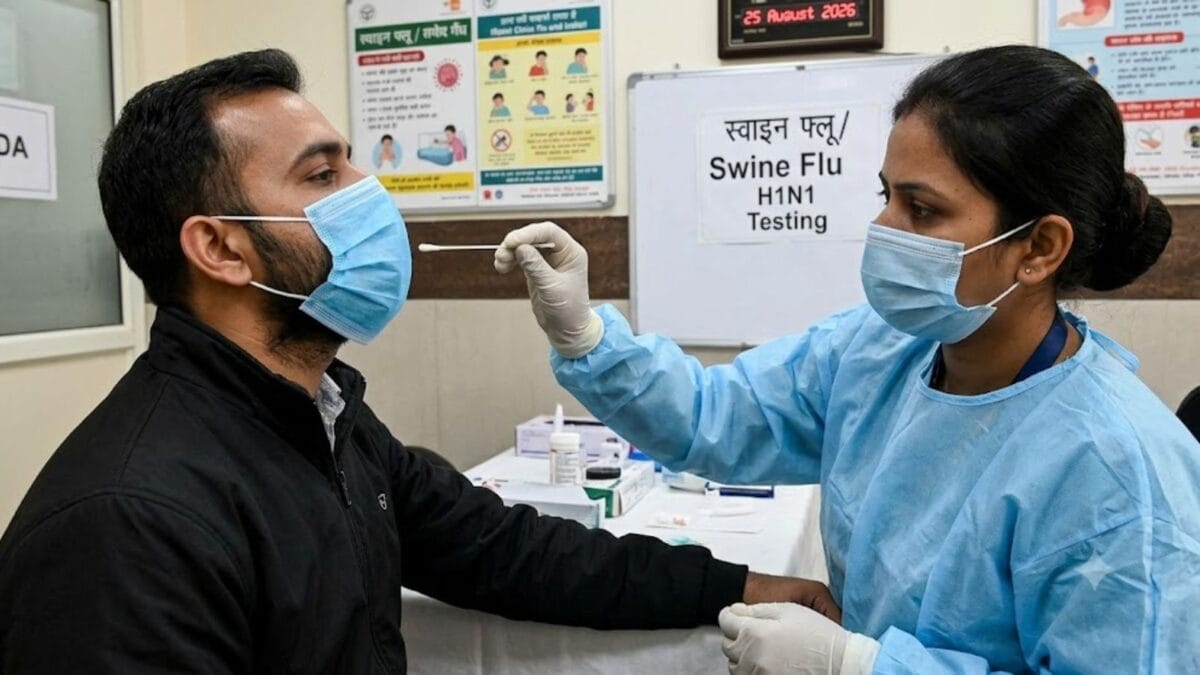
Tests and medical advice may be needed, especially for people at higher risk or with serious symptoms.
The medicines used for influenza and COVID-19 are different, and antibiotics do not normally treat either illness.

Delhi reported 1,777 H1N1 cases through August 20, 2026, compared with 229 during the same period in 2025.
Bengaluru recorded 2,070 laboratory-confirmed influenza cases by August 22, while more than 500 students and 21 staff at Clarence High School became ill.
The Indian Council of Medical Research said the reported surges were not caused by a new H1N1 strain and advised precautions rather than panic.
H1N1 and COVID-19 can both cause fever, cough, sore throat, fatigue and body aches, so symptoms alone cannot reliably distinguish them.
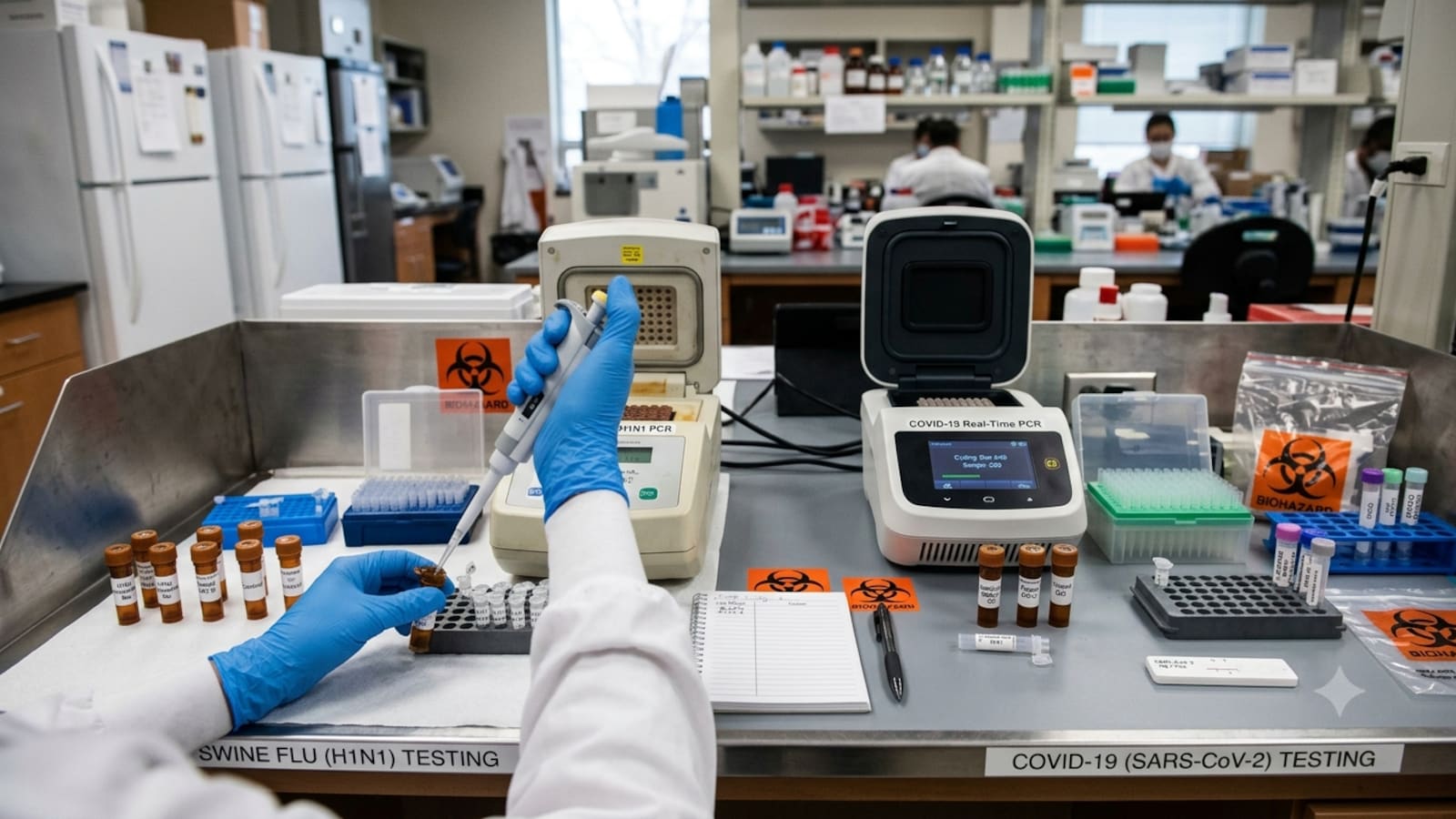
Doctors say testing may guide treatment, since influenza antivirals such as oseltamivir and COVID-19 medicines are different; antibiotics do not treat either virus unless a bacterial infection is also present.
- Who
- People affected by rising influenza infections in Delhi, Bengaluru and Kolkata; doctors, hospitals, the National Centre for Disease Control and the Indian Council of Medical Research are involved in the response.
- What
- H1N1 and other influenza infections are increasing, prompting guidance on how they differ from COVID-19 and when testing or medical care may be needed.
- Where
- Delhi, Bengaluru and Kolkata, India; a reported school cluster occurred at Clarence High School in Bengaluru.
- When
- Delhi reported 1,777 H1N1 cases through August 20, 2026; Bengaluru reported 2,070 laboratory-confirmed influenza cases through August 22, 2026.
- Why
- The increases have raised concern and prompted hospitals to strengthen influenza arrangements, while overlapping symptoms make testing and clinical assessment important.
Key facts
- Delhi H1N1 cases
- 1,777 cases were reported through August 20, 2026.
- Delhi comparison
- The corresponding period in 2025 had 229 reported H1N1 cases.
- Delhi influenza total
- More recent reporting cited 2,392 Influenza-A infections overall.
- Bengaluru influenza cases
- The city had 2,070 laboratory-confirmed influenza cases as of August 22, 2026.
- Bengaluru school cluster
- More than 500 students and 21 staff members at Clarence High School fell ill; two students tested positive for H1N1, and offline classes were temporarily suspended.
- Strain assessment
- The Indian Council of Medical Research said the surges were not due to a new H1N1 strain.
- Urgent warning signs
- Difficulty breathing, chest pain or pressure, confusion, unusual drowsiness, bluish or pale skin, falling oxygen saturation, severe weakness or dehydration warrant medical evaluation.
Quotes
Dr Tushar Tayal
Associate Director of internal medicine at CK Birla Hospital, Gurgaon
“Swine flu and COVID-19 are both respiratory infections that can cause fever, cough, sore throat, body ache and fatigue, which can make them difficult to distinguish based on symptoms alone.”
 NDTV
NDTV
“Testing may therefore be required, particularly in high-risk individuals or those with significant respiratory symptoms.”
 firstpost.com
Sources
Related news
Why Fever Alone Cannot Distinguish H1N1 From Dengue
H1N1 Cases Rise as Experts Advise Precautions, Not Routine Masks

Doctors Urge Vigilance as Influenza Cases Rise in Delhi-NCR

Doctors Highlight High Fever, Body Ache in Delhi Influenza

Delhi records nearly six-fold rise in H1N1 cases in 2026

Delhi H1N1 Cases Rise as India Reviews Flu Preparedness

Court defers approver Pradosh’s statement in Renukaswamy murder case
Shivakumar Seeks NITI Aayog Funds, Backs Second Bengaluru Plan
Viswanathan Anand Says AI Has Transformed Modern Chess

Science Quiz Covers Vehicle Communication, Space, Medicine, Missiles and Time

Syrma SGS, Elemaster Launch High-Reliability Electronics Facility in Bengaluru