

1 week ago
Delhi Reports 1,777 H1N1 Cases as Authorities Urge Precautions

H1N1 is a type of flu that is still circulating as seasonal influenza.
Delhi has reported 1,777 cases in its current tally.
Officials have not confirmed any deaths caused by H1N1 in that tally.
The illness can cause fever, coughing, sore throat, a blocked or runny nose, and body aches.
Some children may also have vomiting or diarrhoea.
Most healthy people recover, but the illness can become serious for some people.
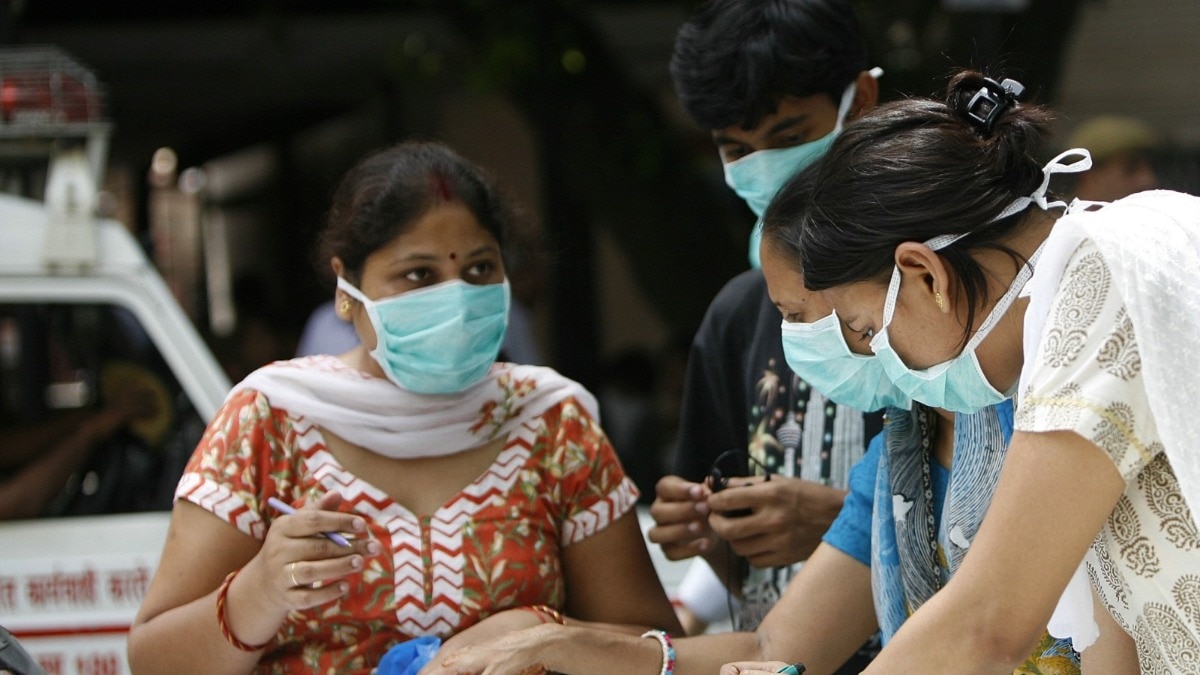
Wearing a mask in crowded places, washing hands, and staying home when sick can help.
People with symptoms should contact a doctor instead of taking medicines on their own.

Delhi’s current tally records 1,777 H1N1 cases, significantly higher than the same period last year.
No H1N1 deaths have been officially confirmed in the Delhi government’s current tally.
Symptoms can include fever, cough, sore throat, nasal congestion, aches, fatigue, and sometimes vomiting or diarrhoea.
Older adults, young children, pregnant women, people with chronic diseases, and healthcare workers may face higher risks from complications.
Masks, handwashing, ventilation, staying home when sick, medical advice, and seasonal flu vaccination can help reduce risks.
- Who
- Delhi residents and people at higher risk of influenza complications, including older adults, young children, pregnant women, people with chronic diseases, and healthcare workers.
- What
- Delhi has recorded 1,777 H1N1 cases, while authorities report no officially confirmed H1N1 deaths in the current tally.
- Where
- Delhi, India.
- When
- The article refers to Delhi’s current tally and compares it with the same period last year; no specific date is given.
- Why
- The report addresses the increase in cases and explains symptoms, risks, prevention, vaccination, and treatment guidance.
Key facts
- Current cases
- Delhi’s current H1N1 tally is 1,777 cases.
- Officially confirmed deaths
- No H1N1 deaths have been officially confirmed in the Delhi government’s current tally.
- Typical symptoms
- Fever, cough, sore throat, runny or blocked nose, headache, body aches, chills, and fatigue.
- Possible complications
- Influenza can progress to pneumonia, respiratory distress, and other complications, particularly among vulnerable patients.
- Prevention
- Use masks in crowded or poorly ventilated spaces, wash hands, cover coughs, improve ventilation, and stay home when sick.
- Vaccination
- Seasonal influenza vaccines include protection against an A(H1N1)pdm09-like strain for the 2026–27 Northern Hemisphere season.
- Treatment guidance
- Doctors may prescribe antivirals such as oseltamivir; antibiotics do not treat H1N1 because it is viral.
Sources
Related news

Delhi records nearly six-fold rise in H1N1 cases in 2026
Delhi H1N1 Cases Rise as Government Urges Mask Use
Delhi reports six-fold rise in H1N1 flu cases, experts warn

H1N1 Cases Rise in North India; Experts Urge Caution

H1N1 Cases Rise in India; Simple Ways to Protect Yourself
ICMR Says No New H1N1 Strain, Cautions High-Risk Groups

India's Seasonal H1N1 Surge Prompts Advisories, Doctors Urge Calm

ICMR Says Seasonal H1N1 Flu Rise Needs No Panic

H1N1 Surge Raises Concerns About Hidden Heart Risks

Delhi's Swine Flu Cases Reach 1,777 as Doctors Report Surge
