1 week ago
India's Seasonal H1N1 Surge Prompts Advisories, Doctors Urge Calm

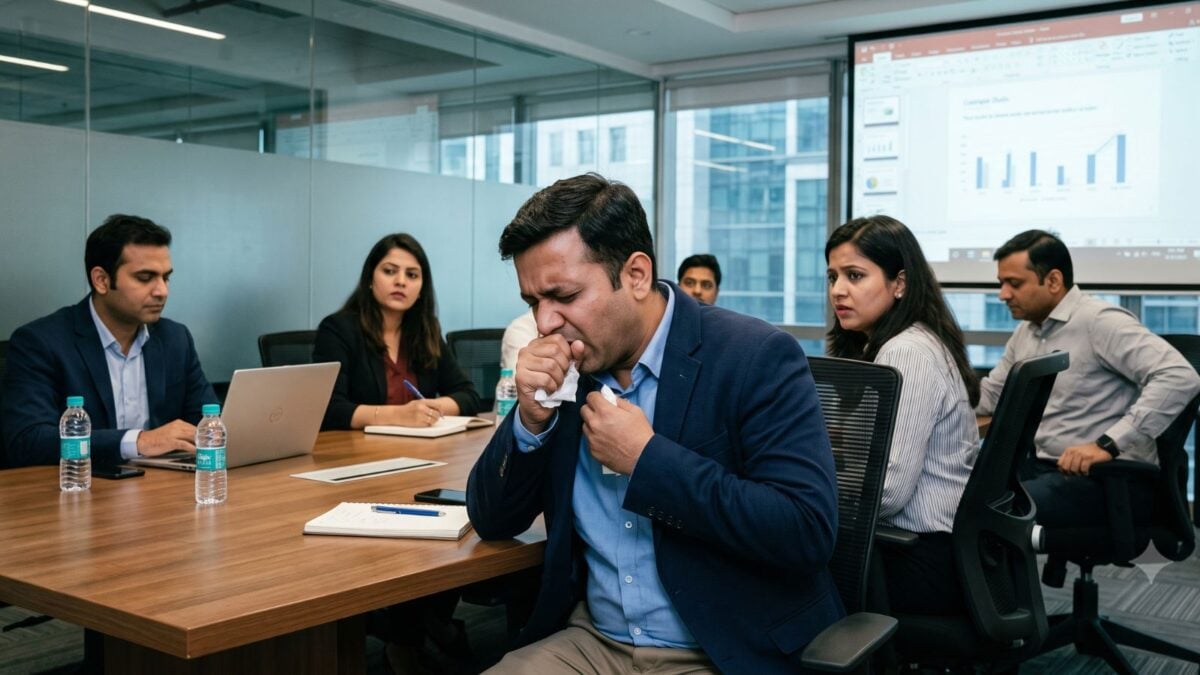
Flu cases have increased in several parts of India during the rainy season.
Two types mentioned are H3N2 and H1N1, which is also called swine flu.
Delhi and Karnataka have reported many cases.
Rainy weather can mean more time in crowded indoor places, making viruses easier to spread.
Medicines for infections, pain, and flu have sold more than before.
Experts say the virus is a familiar seasonal form, not a newly identified strain.
Most people recover at home with medical advice and supportive care.
People with breathing problems, pneumonia, low oxygen, or certain health risks may need a hospital.
Doctors say there is no need for the public to panic.

Several Indian cities have reported increased Influenza A H3N2 and H1N1 cases this monsoon.
Delhi recorded about 3,000 influenza cases, including more than 2,300 identified as swine flu.
Karnataka has reported around 4,000 influenza cases, while states have advised masking and respiratory hygiene.
Antiviral sales rose 25.5% year-on-year in July, reaching Rs 109.2 crore.
Doctors say most infections are mild and treated at home, though high-risk patients may need hospital care.
- Who
- People in several Indian cities, including influenza patients and those at higher risk such as older adults, pregnant patients, and people with comorbidities.
- What
- A seasonal rise in Influenza A H3N2 and H1N1 cases, accompanied by increased medicine sales and public-health advisories.
- Where
- Several parts of India, including Delhi and Karnataka.
- When
- During this monsoon; sales figures cited compare July this year with July 2025.
- Why
- Monsoon conditions can increase time spent in crowded enclosed spaces, facilitating respiratory-virus transmission.
Reassurance
Caution
Severity of the current rise
Reassurance
Doctors and health officials say the infections follow a seasonal pattern, most cases are mild and self-limiting, and there is no need to panic.
Caution
Doctors report that H1N1 has caused pneumonia and respiratory distress in some patients, while people with breathing problems, low oxygen, or underlying illnesses may need hospitalisation.
Treatment approach
Reassurance
Most uncomplicated influenza-like illnesses can be managed as outpatient cases with symptom relief, follow-up, and supportive care.
Caution
Antiviral treatment is generally advised for pregnant patients and people with comorbidities, and hospital care may be required when complications develop.
Meaning of increased medicine sales
Reassurance
The rise in anti-infective sales is partly typical of monsoon months and may also reflect self-medication based on previous prescriptions.
Caution
Higher sales of anti-infectives, antivirals, and analgesics coincide with the reported increase in influenza cases and indicate greater demand for treatment.
Key facts
- Delhi cases
- More than 2,300 of approximately 3,000 influenza cases this year were identified as swine flu.
- Karnataka cases
- The state has recorded around 4,000 influenza cases.
- Antiviral sales
- Sales reached Rs 109.2 crore in July this year, up from Rs 87 crore in July 2025.
- Anti-infective sales
- Sales rose 6.15% year-on-year to Rs 2,470 crore in July this year.
- Analgesic sales
- Sales increased 11.37% year-on-year to Rs 1,634 crore.
- Hospitalisation
- Doctors reported that hospitalisations remain limited, although patients with complications may require admission.
- Circulating strain
- Indian Council of Medical Research Director General Rajiv Bahl said the circulating virus is the familiar Influenza A H1N1 pdm09 lineage.
Quotes
Dr Meenakshi Jain
Principal director and head of internal medicine at Max Super Speciality Hospital
“Roughly one in 10 flu patients I see requires admission, typically those over 60 or with chronic conditions”
 rediff.com
“The virus has since become an endemic, seasonal flu, and most infections are mild and self-limiting.”
rediff.com
Sources
Related news

IMA Warns Against Self-Medication Amid India’s Seasonal H1N1 Surge

ICMR Says Seasonal H1N1 Surge Needs No Masks

India's H1N1 Cases Rise, ICMR Urges Calm and Precautions

ICMR Says Seasonal H1N1 Flu Rise Needs No Panic

Experts Say Rising H1N1 Cases Are Seasonal, Not New

Delhi-NCR Sees Rise in Swine Flu and Respiratory Infections
Flu Precautions: When Masks and N95s May Help
Sixty-Five Doctors Apply for AIIMS Delhi Director’s Post