2 weeks ago
MMDR Amendment Bill 2026 Sparks State-Centre Mining Tax Battle

This story is about who gets to keep the money when rocks full of valuable minerals are dug out of the ground in India.
When companies mine iron ore, coal or other minerals, the area where mining happens usually earns taxes from it.
Recently, the Indian Parliament passed a new rule saying only the central government can decide how states tax minerals.
The rule also says that any mining taxes states had asked for but not yet collected are cancelled.
This upset mineral-rich states like Odisha, which rely heavily on mining money.
Odisha says it could lose more than one trillion rupees that courts said it was owed.
A big court had earlier said states do have the right to tax minerals, and the new law changes that.
The central government says the change will make rules simpler for mining companies.
It says mining companies currently face many different taxes across different states.
The government also says states will still keep most of the money from mining.

On August 13, 2026, Parliament passed the Mines and Minerals (Development and Regulation) Amendment Bill, 2026 and sent it to the President for assent.
The Bill's new Section 9D bars states from taxing mineral rights or mineral-bearing land except as the Centre permits, and cancels state levies assessed but not yet collected.
It follows the Supreme Court's 8:1 verdict of July 25, 2024, delivered by a nine-judge bench headed by then Chief Justice D.Y. Chandrachud, which recognised states' power to tax mineral rights; a curative petition remains undecided.
The government argues the Bill simplifies around 14 types of mining levies and says states will still receive about 90 per cent of taxes from mining.
Business Standard reported Odisha could lose around Rs 12,000 crore in annual mineral revenue and more than Rs 1 trillion in outstanding dues.
- Who
- India's Parliament, which passed the Mines and Minerals (Development and Regulation) Amendment Bill, 2026; the central government; mineral-rich states such as Odisha and Jharkhand; and the Supreme Court of India.
- What
- A law limiting states' power to tax mineral rights and mineral-bearing land, cancelling state levies assessed but not yet collected, and expanding central control over mining.
- Where
- India, particularly mineral-rich states such as Odisha, Jharkhand and other mining regions.
- When
- Passed by Parliament on August 13, 2026; it follows the Supreme Court's July 25, 2024 ruling on states' mineral taxation powers.
- Why
- To create a uniform, predictable mineral tax regime that improves India's investment climate and reduces dependence on China for critical minerals.
State autonomy and court-backed dues
Central uniformity and investor certainty
Retroactive wiping out of dues
State autonomy and court-backed dues
Parliament's deeming clause erases lawful, court-affirmed revenue claims such as Odisha's dues of over Rs 1 trillion, just before the recovery window was to open.
Central uniformity and investor certainty
A uniform national regime with a clean break is needed for investor certainty; the Centre says state revenue streams remain largely intact.
Mineral taxation power
State autonomy and court-backed dues
The 2024 Supreme Court ruling affirmed states' constitutional right to tax mineral rights and mineral-bearing land.
Central uniformity and investor certainty
Fragmented state levies, around 14 types of taxes, create unpredictability and hurt India's critical mineral strategy; Justice B.V. Nagarathna's dissent warned of a patchwork of state cesses.
Federal precedent
State autonomy and court-backed dues
Ordinary legislation overriding a nine-judge ruling on fiscal rights sets a dangerous precedent for future governments.
Central uniformity and investor certainty
Central control over mineral development is needed for a national industrial and geopolitical strategy, similar to debates seen even in countries like Australia.
Key facts
- Bill
- Mines and Minerals (Development and Regulation) Amendment Bill, 2026
- Status
- Passed by Parliament on August 13, 2026; sent to the President for assent
- Key provision
- New Section 9D bars states from taxing mineral rights or mineral-bearing land except with central government permission
- 2024 Supreme Court verdict
- 8:1 ruling on July 25, 2024 in Mineral Area Development Authority v. Steel Authority of India recognising states' power to tax mineral rights
- Deeming clause
- State levies assessed but not collected before the law takes effect are treated as if they never existed
- Government estimate
- Major mining states received over Rs 5 lakh crore in FY 2015-16 to FY 2025-26; states expected to keep about 90% of mining taxes after the amendment
- Odisha exposure
- 41.9% of India's mineral production in 2022-23; estimated loss of about Rs 12,000 crore a year and over Rs 1 trillion in outstanding dues
- National arrears estimate
- About Rs 1.5 lakh crore across states (industry and central estimates)
Sources
Related news
India's mining tax overhaul reignites Centre-state tussle over revenue
Centre Bars States From Levying Taxes on Mineral Rights

Parliament Passes Mines and Minerals Amendment Bill Curbing State Levies
India Bill Bars States From Taxing Mineral Rights and Land
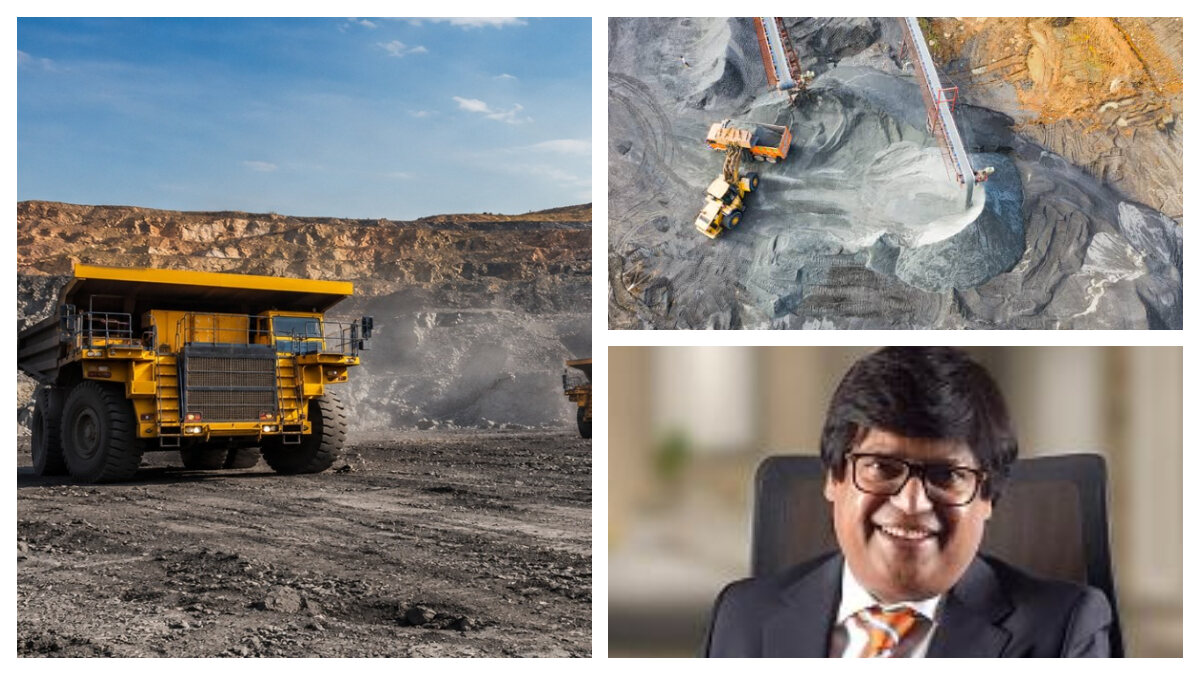
MMDR Amendment Act 2026 Seeks Mining Investment Amid State Pushback
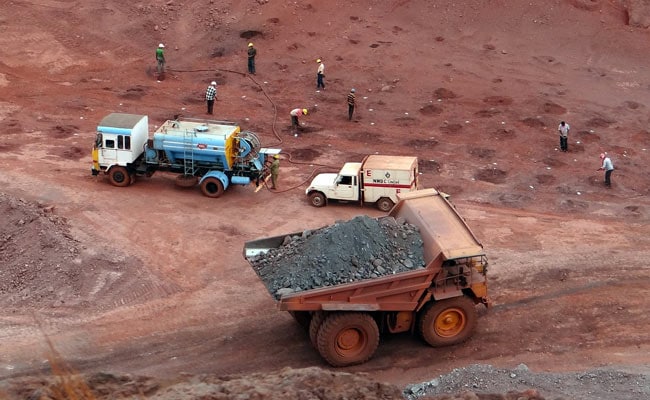
Lok Sabha Passes Mineral Bill Curbing State Taxing Powers

Supreme Court Collegium Recommends New Rajasthan High Court Chief Justice

JudgeGPT Trial Shows AI’s Potential to Speed Judicial Justice
Debate Grows Over Bhumi Pujan At Indian State Events

Letter Urges Zohran Mamdani to Reconsider Mohan Bhagwat
CJI Says Rajasthan Acting Chief Justice Allegations Under Review