2 weeks ago
Parliament Passes Mines and Minerals Amendment Bill Curbing State Levies
India has rules about how rocks and minerals like coal and iron ore are mined.
The central government just passed a new version of these rules.
The new rules say states cannot add their own extra taxes, called cess, on minerals anymore.
They need permission from the central government first.
The central government says this will make mining costs steadier, so things like electricity, steel and cement may not become more expensive.
Some states that have lots of mines, like Odisha and Jharkhand, are unhappy because they will lose a lot of money.
The new rules also cancel money states were trying to collect from mining companies from before, but money already collected will not be given back.
People in mining areas worry that less money will go to building roads and schools there.
The President of India has to give the final okay before the new rules become official law.

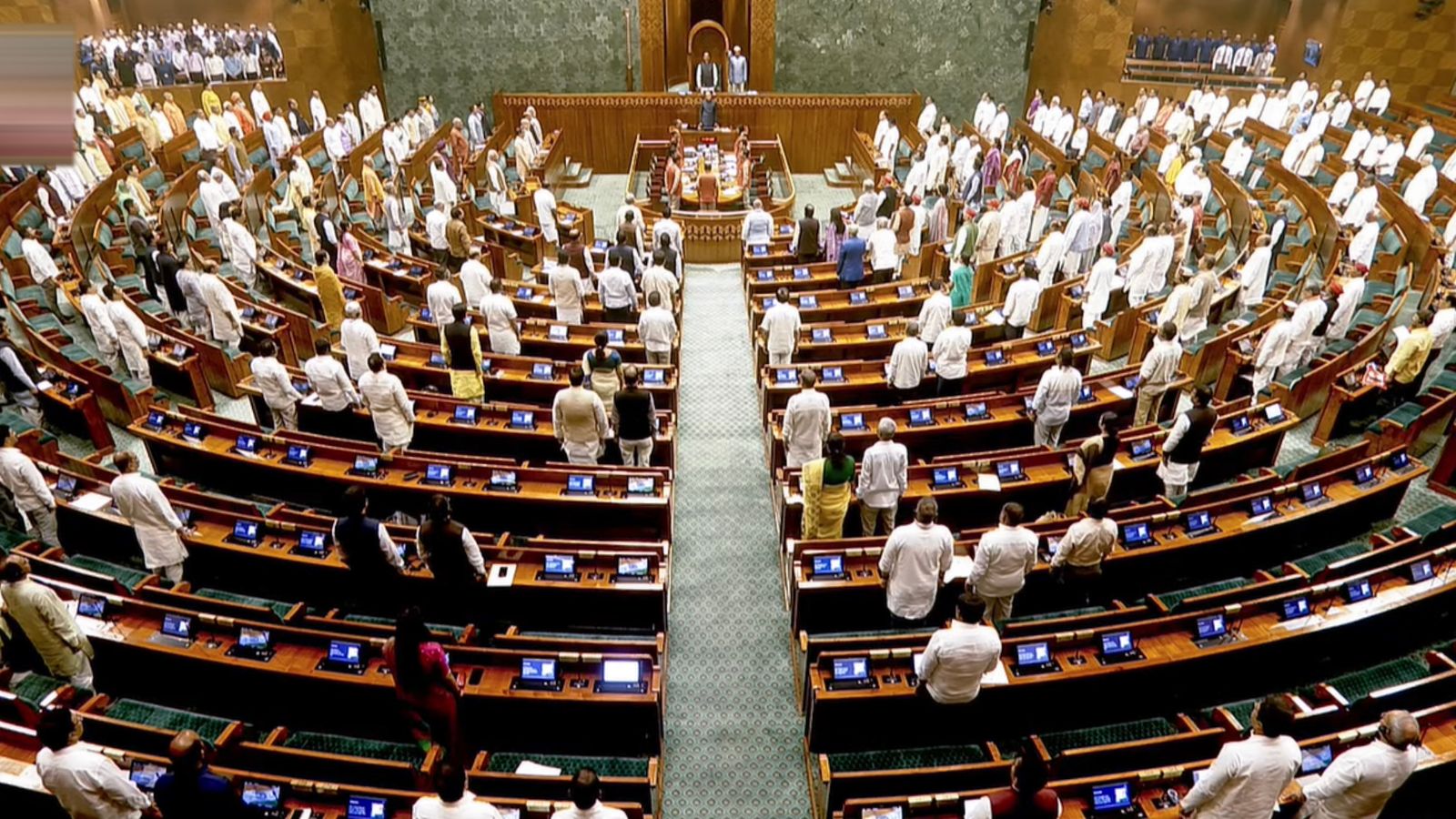
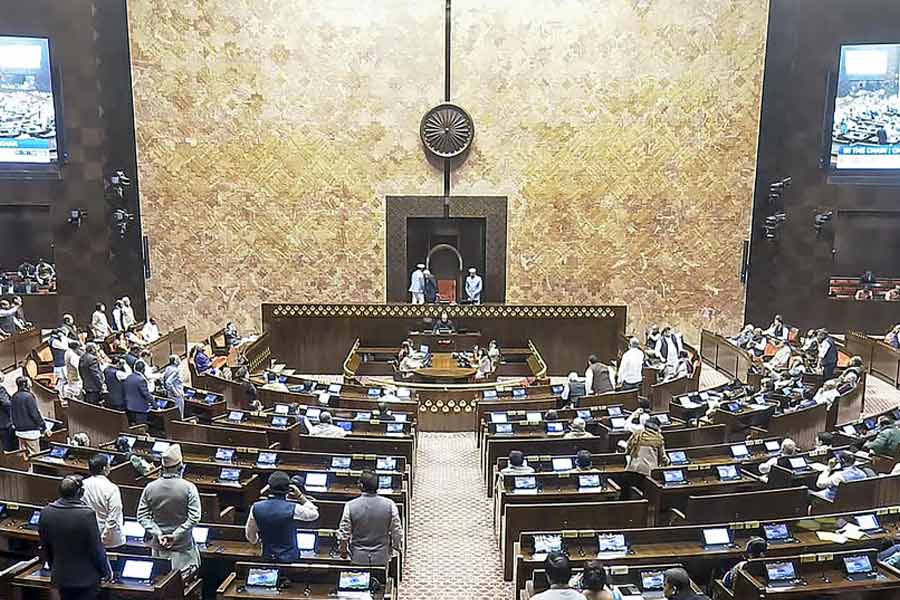
The Mines and Minerals (Development and Regulation) Amendment Bill, 2026 passed the Lok Sabha on Wednesday and the Rajya Sabha on Thursday, and now awaits the President's assent.
States can only impose taxes, cess or levies on mineral rights and mineral-bearing land as the Centre prescribes, and mineral-bearing land comes under central regulatory control for the first time.
Uncollected state tax demands raised before the amendment are voided, wiping out an estimated ₹1.5 lakh crore to ₹2 lakh crore in arrears, with no refunds for levies already collected.
Union Minister G Kishan Reddy defended the move, citing state mineral revenue growth from ₹13,258 crore in 2014-15 to ₹71,035 crore in 2024-25 and a states' revenue share of 85-88%.
Opposition parties including DMK and AAP called the bill unconstitutional and an encroachment on states' federal rights; the Rajya Sabha cleared it in under 10 minutes amid disruption.
- Who
- India's Parliament (the Lok Sabha and the Rajya Sabha), Union Minister for Coal and Mines G Kishan Reddy, mineral-rich states including Odisha and Jharkhand, and opposition parties such as DMK and AAP.
- What
- Passed the Mines and Minerals (Development and Regulation) Amendment Bill, 2026, which forbids states from imposing taxes, cess or levies on mineral rights and mineral-bearing land except as prescribed by the Centre, brings mineral-bearing land under central regulatory control, and voids uncollected past state tax demands.
- Where
- India, at the national Parliament; the amendment applies to major minerals and affects around 11 mineral-producing states, including Odisha, Jharkhand, Chhattisgarh, West Bengal, Madhya Pradesh and Telangana.
- When
- The bill was passed this week — the Lok Sabha cleared it on Wednesday and the Rajya Sabha on Thursday — and now awaits the President's assent.
- Why
- The Centre says the amendment brings certainty and predictability to the mining sector, balances prices of major minerals to protect consumers and investment, and strengthens mineral security after a 2024 Supreme Court ruling encouraged states to raise mineral taxes; the Opposition says it is unconstitutional and encroaches on states' federal rights.
Opposition and mineral-rich states
Union government (Centre)
Constitutionality and federal rights
Opposition and mineral-rich states
Land and land-tax are constitutionally state subjects, so the Bill is unconstitutional, violates the Supreme Court's 2024 verdict — which protected states' power to tax mineral-bearing land — and encroaches on states' federal rights to mineral revenue; DMK moved to send it to a select committee.
Union government (Centre)
The amendment only stops states from stacking extra, unpredictable levies on top of existing revenue, brings greater certainty and predictability to the mining sector, and falls within the Centre's power to regulate mineral rights and mining.
Impact on state finances
Opposition and mineral-rich states
States lose an estimated ₹1.5-2 lakh crore in arrears and future cess revenue that funds District Mineral Foundations, which build roads, schools and health centres in mining-hit, often tribal, districts.
Union government (Centre)
States' revenue from minerals rose from ₹13,258 crore in 2014-15 to ₹71,035 crore in 2024-25 and their share is 85-88%, with the Centre keeping just 11-12%, so the 'states lose out' framing is wrong.
Who benefits from the Bill
Opposition and mineral-rich states
AAP's Sanjay Singh said the bill is designed to hand coal blocks and minerals to 'a few capitalists' and to capture mining in states like Odisha, Telangana, Bengal and Tamil Nadu.
Union government (Centre)
The government says the reforms will catalyse investment, expand domestic mineral production, strengthen India's mineral security, and keep electricity, steel and cement prices stable by balancing major mineral prices.
Key facts
- Bill
- Mines and Minerals (Development and Regulation) Amendment Bill, 2026
- Status
- Passed by Lok Sabha and Rajya Sabha; awaits Presidential assent
- Original law being amended
- Mines and Minerals (Development and Regulation) Act, 1957
- Estimated state arrears now void
- ₹1.5 lakh crore (some estimates put it at about ₹2 lakh crore)
- Coal's share of India's electricity generation
- 73%
- States' mineral revenue
- ₹13,258 crore (2014-15) to ₹71,035 crore (2024-25)
- States' vs Centre's share of mineral revenue
- 85-88% vs 11-12% (articles differ)
- Odisha's cess
- Close to 12% of average sale price
Quotes

G. Kishan Reddy
Union Mines Minister of India
“If prices of these minerals increase, it affects infrastructure activities, which will eventually impact common people. If the price of limestone increases, rates of cement will go up, and if iron ore prices increase, the rate of steel will increase. That is why we wanted to keep the prices of these four‑five major minerals balanced.”
 indianexpress.com
“If the coal rate in one state increases and it is lower in another state, companies will move from the first state to the second one. Moreover, coal imports continue because of the lower grade of domestic coal. So, if domestic coal prices increase, there will be more imports.”
indianexpress.com
Sources
Related news
India's mining tax overhaul reignites Centre-state tussle over revenue
India Bill Bars States From Taxing Mineral Rights and Land
Parliament passes Minerals Bill barring state taxes on mineral leases

Parliament Passes Mining Bill Limiting State Mineral Levies
Parliament passes mineral bill limiting state taxes on mining resources
Rajya Sabha Passes Amendment Bill Curbing States' Mineral Taxes
Congress Backs Rahul Gandhi Over Vijay for 2029 PM

Tamil Nadu Moves to Withdraw Farmers’ and Teachers’ Protest Cases
Vijay Government to Withdraw Cases Against Farmers, Teachers
Tambaram Councillors Flag Water, Drainage and Civic Inaction

DMK Escalates Jibes at Vijay Ahead of London Visit