6 days ago
Letter Urges Zohran Mamdani to Reconsider Mohan Bhagwat
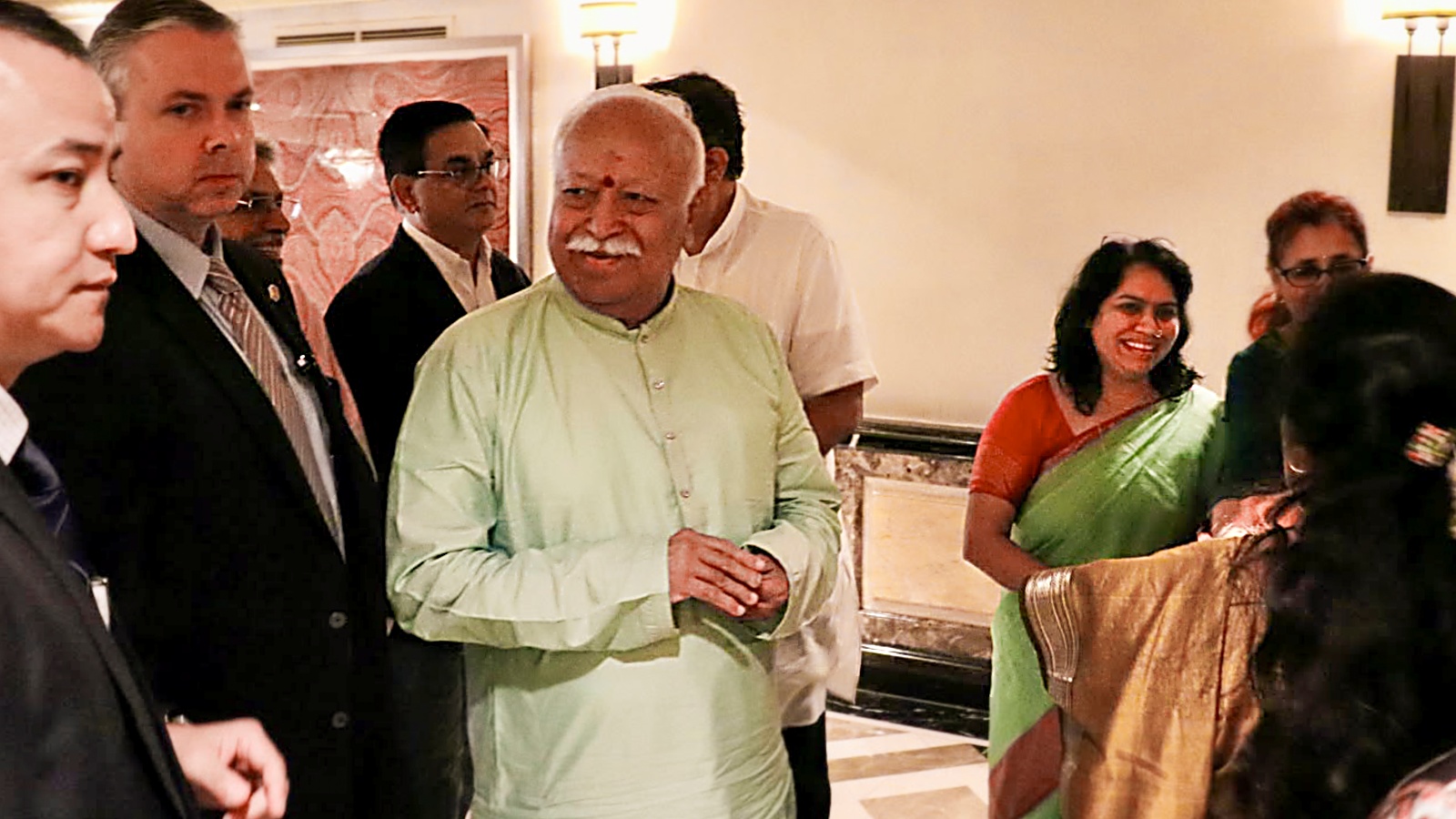
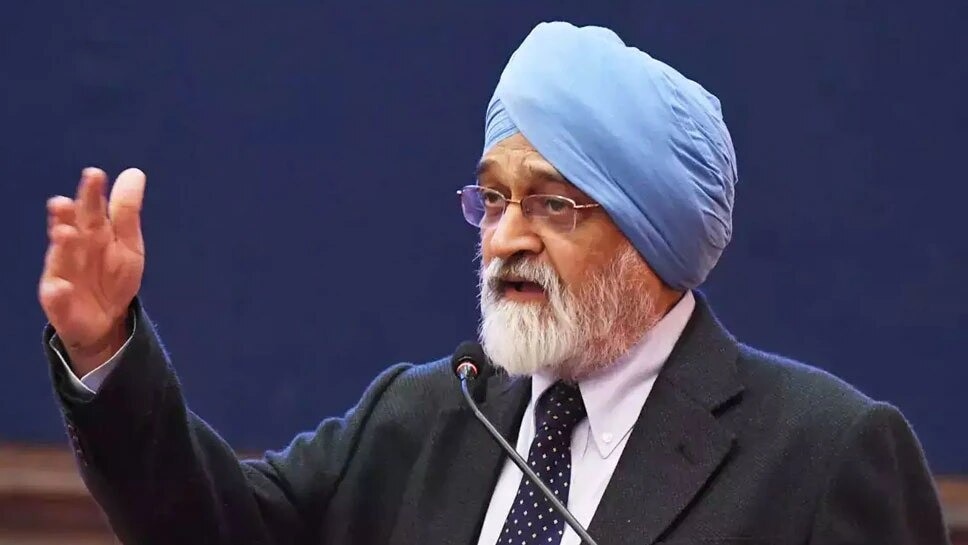
A writer sent a letter to Zohran Mamdani about Mohan Bhagwat, who leads the Rashtriya Swayamsevak Sangh in India.
Mamdani is described as being critical of Bhagwat and his organization.
The writer says Bhagwat helped reduce tensions after the long dispute over the Babri Masjid and Ram Mandir site.
The writer also says Bhagwat asked Hindus not to celebrate in a way that could hurt Muslims.
Bhagwat reportedly said the organization was focused on the Ram Mandir and did not want to pursue other mosques.
The letter discusses another dispute involving the Gyanvapi Mosque in Varanasi.
According to the writer, Bhagwat urged people not to search for similar religious objects in every mosque.
The writer believes these statements show that Bhagwat supports harmony between religious communities.
The letter asks Mamdani to have a conversation with Bhagwat.

A senior advocate and Ayodhya mediator responds to Zohran Mamdani’s criticism of Mohan Bhagwat.
The writer credits Bhagwat with discouraging celebrations after the Ayodhya dispute’s resolution.
Bhagwat reportedly said the Rashtriya Swayamsevak Sangh sought only the Ram Mandir, not other mosques.
The letter contrasts Bhagwat’s comments on Gyanvapi Mosque with remarks attributed to D. Y. Chandrachud.
The writer urges Mamdani to speak with Bhagwat while Bhagwat is in the United States.
- Who
- The letter’s author, Zohran Mamdani, Mohan Bhagwat, the Rashtriya Swayamsevak Sangh, and others involved in India’s Hindu-Muslim disputes.
- What
- A senior advocate and former Ayodhya mediator argues that Mamdani should reconsider his negative view of Bhagwat and recognize statements the author says promoted communal harmony.
- Where
- The disputes discussed occurred in India, including Ayodhya and Varanasi; the author suggests a conversation while Bhagwat is in the United States.
- When
- The letter discusses events from 1949, 1992, 2019, and the period of the Gyanvapi litigation; its publication date is not stated.
- Why
- The author is responding to Mamdani’s comments about Bhagwat and the Rashtriya Swayamsevak Sangh.
Mamdani’s Criticism
Author’s Defense of Bhagwat
The RSS and Muslims
Mamdani’s Criticism
Mamdani is presented as opposing Bhagwat because the RSS has long been regarded as a pivotal organization opposed to Muslims in India.
Author’s Defense of Bhagwat
The author argues that Bhagwat’s conduct and statements show concern for Muslim sensitivities and intercommunal harmony.
The Ayodhya aftermath
Mamdani’s Criticism
The letter reflects concerns about the RSS’s association with the Ram Mandir and the broader Hindu-Muslim conflict surrounding the Babri Masjid site.
Author’s Defense of Bhagwat
The author credits Bhagwat with discouraging triumphalist celebrations and helping create conditions for a peaceful end to the dispute.
Gyanvapi Mosque controversy
Mamdani’s Criticism
The dispute was used by BJP supporters to argue that the mosque should be returned to Hindus because it had allegedly been built over a temple.
Author’s Defense of Bhagwat
The author says Bhagwat rejected the search for Shivlings in every mosque and thereby promoted restraint and closure of the controversy.
Key facts
- Author’s role
- The writer identifies as a secular and liberal Indian, senior advocate, and one of three mediators in the 2019 Ayodhya dispute.
- Ayodhya dispute
- The letter describes the dispute as involving the Babri Masjid and Ram Janmabhoomi, with major flashpoints in 1949 and 1992.
- Resolution
- The author says an agreement among significant stakeholders helped close the dispute without loss of life, although the final result came through a controversial court ruling.
- Bhagwat’s position
- The author says Bhagwat opposed Hindu celebrations after the resolution and stated that the RSS was interested only in the Ram Mandir, not other mosques.
- Gyanvapi dispute
- The letter discusses litigation over an object resembling a Shivling found on the premises of the Gyanvapi Mosque in Varanasi.
- Places of Worship Act
- The author says the Act requires the character of places of worship as of 1947 to be respected and protected from forcible change.
Sources
Related news
Mohan Bhagwat Defends Hindu-Muslim Inclusion During New York Dialogue
Minorities Weigh Mohan Bhagwat’s Hindu Rashtra Message

Bhagwat Promotes Hindu-Muslim Unity and Selfless Service in New York
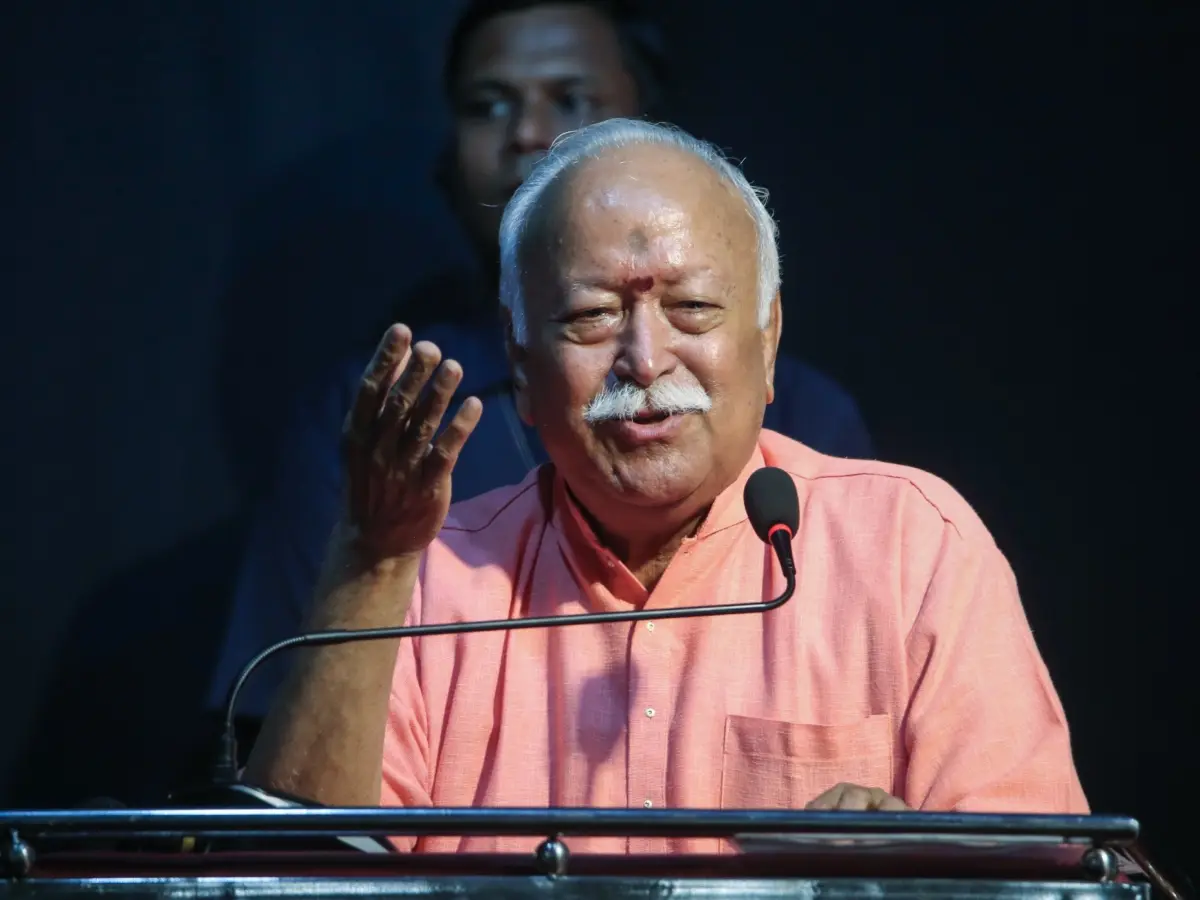
Mohan Bhagwat Says Hinduism Rejects Excluding Muslims From Bharat
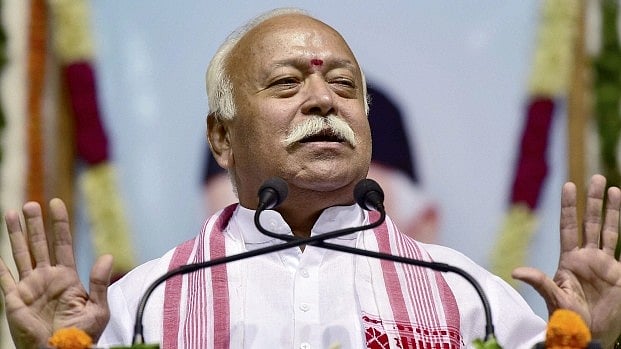
Bhagwat Stresses Hindu Unity and Diversity at New York Event

Bhagwat’s Hindu-Muslim Unity Remarks Draw Opposition Questions, BJP Defense

Supreme Court Collegium Recommends New Rajasthan High Court Chief Justice

JudgeGPT Trial Shows AI’s Potential to Speed Judicial Justice
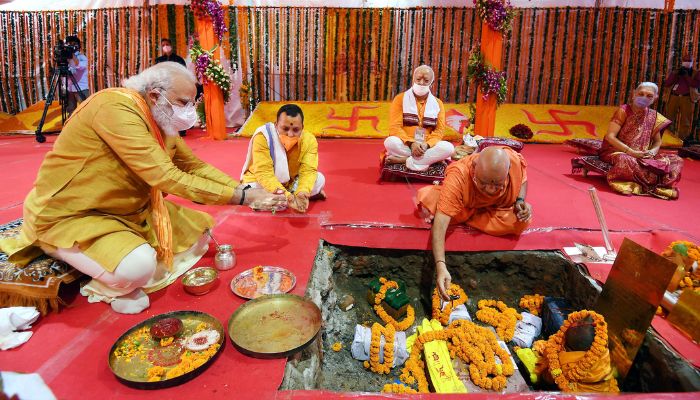
Debate Grows Over Bhumi Pujan At Indian State Events
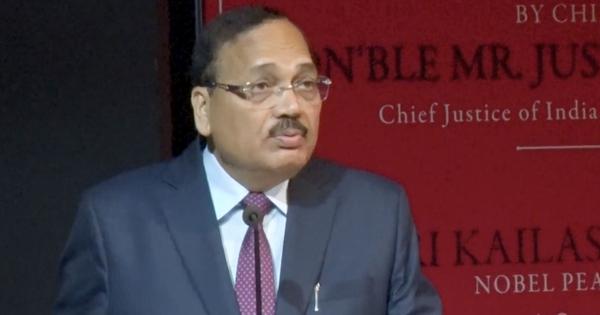
CJI Says Rajasthan Acting Chief Justice Allegations Under Review