2 weeks ago
Lok Sabha Passes Mineral Bill Curbing State Taxing Powers
India is a very big country made up of many states.
Some rules are made by the state governments, and other rules are made by the big central government in Delhi.
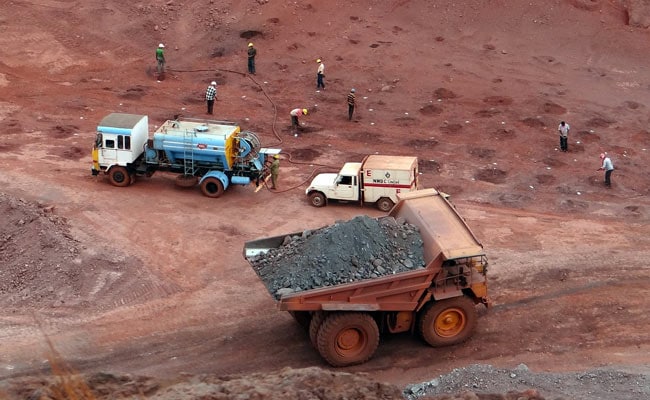
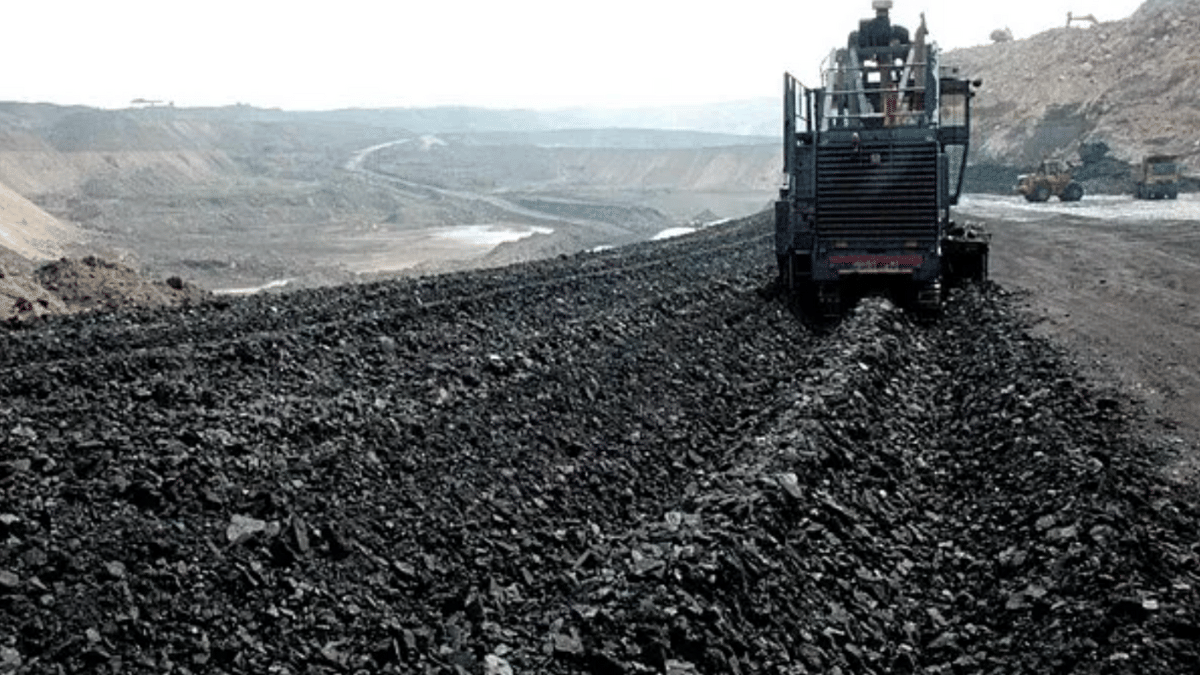
Deep under the ground there are minerals that companies dig up and sell.
For a long time, people argued about who should get money from the companies that take these minerals.
A very important court said the states could ask for that money, going all the way back to 2005.
Then, in Parliament, the leaders passed a new law very quickly, with no discussion at all.
The new law says the states can no longer decide these taxes for themselves, and the old money that was promised to them is cancelled.
The people who made the law say it helps companies know exactly what they have to pay.
But some state leaders are unhappy, and the leader from Kerala says it is unfair to states like his.
He also worries that poor fishing villages near the minerals were never asked what they think.

The Lok Sabha passed the Mines and Minerals (Development and Regulation) Amendment Bill, 2026, on August 12 with no debate or committee review.
The bill reverses the Supreme Court's July 2024 ruling in Mineral Area Development Authority v. Steel Authority of India (8-1), which upheld states' power to tax mineral rights and mineral-bearing land.
It cancels state levy arrears back to 2005 and does not refund amounts already collected, so companies that paid lose their money while those that did not pay owe nothing.
The bill fixes no ceiling itself, leaving the central government to decide by rules what states may levy, affecting states including ruling-party-governed Odisha, Chhattisgarh, Madhya Pradesh and Rajasthan.
Kerala's Thiruvananthapuram MP argues Keralam loses fiscal control over its mineral coastline, including rare earth corridors proposed near fishing communities like those at Alappad.
- Who
- The Lok Sabha, which passed the bill, and the state governments it affects - most directly mineral-rich states such as Kerala, Jharkhand, Odisha and Chhattisgarh.
- What
- It passed the Mines and Minerals (Development and Regulation) Amendment Bill, 2026, which restricts states' powers to levy taxes on mineral rights and mineral-bearing land, effectively reversing the July 2024 Supreme Court judgment.
- Where
- India - the Lok Sabha, with effects across mineral-bearing states including Kerala, Jharkhand, Odisha and Chhattisgarh.
- When
- August 12 (2026), when the Lok Sabha passed the bill.
- Why
- To reverse the 2024 Supreme Court ruling that restored state taxing powers over minerals and to remove the thousands of crores of retrospective claims and uncertainty that ruling created for industry.
States and federalism advocates
Central government and mineral industry
State power to tax minerals
States and federalism advocates
The Constituent Assembly in 1948 declined to make natural wealth public property, and the Constitution places taxes on mineral rights (Entry 50) and on lands and buildings (Entry 49) in the State List; the July 2024 Supreme Court ruling upheld these powers, and the Bill wrongly extinguishes them, extending limits even to land taxes that were deliberately left unqualified by the framers.
Central government and mineral industry
Parliament may lawfully impose limitations on taxes on mineral rights under Entry 50, and the Bill is the Government's answer to a 2024 judgment that left industry facing claims worth thousands of crores reaching back to 2005.
Treatment of past levies and arrears
States and federalism advocates
The Bill cancels all state levy arrears since 2005 and will not refund levies already collected, so companies that paid lose their money while those that did not pay owe nothing - a one-sided settlement.
Central government and mineral industry
Ending the retrospective claims and matching liabilities created by the 2024 judgment gives industry the certainty the Bill is meant to provide.
Key facts
- Bill
- Mines and Minerals (Development and Regulation) Amendment Bill, 2026
- Passing body and date
- Lok Sabha, August 12, with no debate and no committee referral
- Judgment reversed
- Mineral Area Development Authority v. Steel Authority of India (July 2024), decided 8-1
- Retrospective effect
- Levies uncollected before commencement deemed invalid; collected levies not refunded; arrears back to 2005 cancelled
- Levy limits
- No ceiling fixed in the Bill; central government to decide by rules what states may levy
- States affected
- Jharkhand, Odisha, Chhattisgarh, West Bengal, Bihar, Uttar Pradesh, Rajasthan, Andhra Pradesh, Telangana, Karnataka, Madhya Pradesh
- Kerala Assembly resolution
- On March 4, 2025, the Assembly unanimously asked the Centre to withdraw the 2023 amendment to the Offshore Areas Mineral (Development and Regulation) Act
- Kerala's mineral profile
- Heavy mineral sand and china clay are more than 90% of the value of its mineral production; Chavara has one of the world's finest ilmenite deposits
Quotes
Author, Member of Parliament for Thiruvananthapuram
Member of Parliament from Kerala
“The Act commences on a date the Government decides.”
 NDTV
NDTV
“We were given no opportunity.”
NDTV
Sources
Related news
Centre Bars States From Levying Taxes on Mineral Rights
Mineral Rights Amendment Bill Sparks States' Revenue Concerns
India's mining tax overhaul reignites Centre-state tussle over revenue

India Bill Bars States From Taxing Mines and Mineral Rights
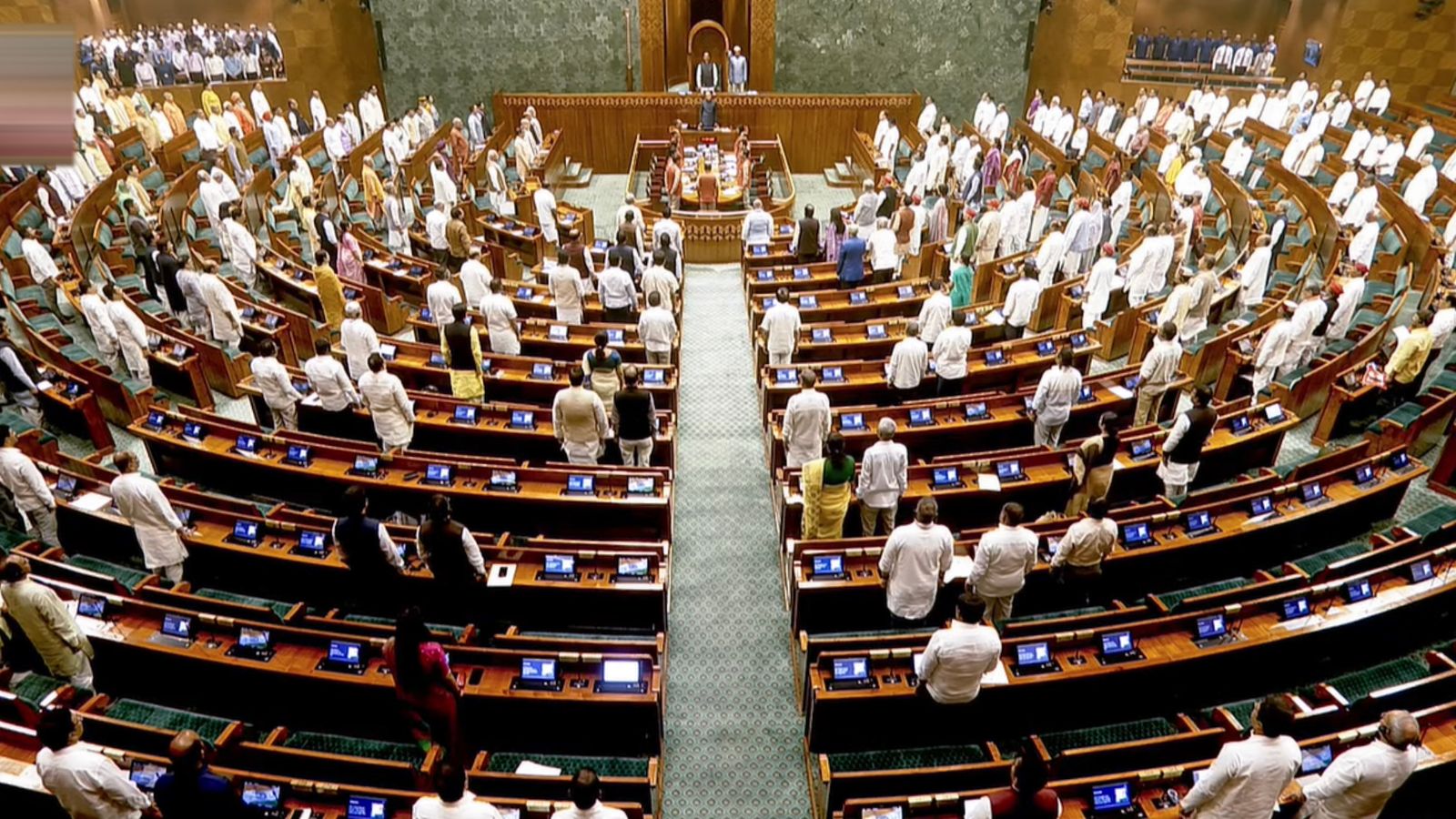
Parliament Passes Mines and Minerals Amendment Bill Curbing State Levies