3 weeks ago
India Bill Bars States From Taxing Mineral Rights and Land
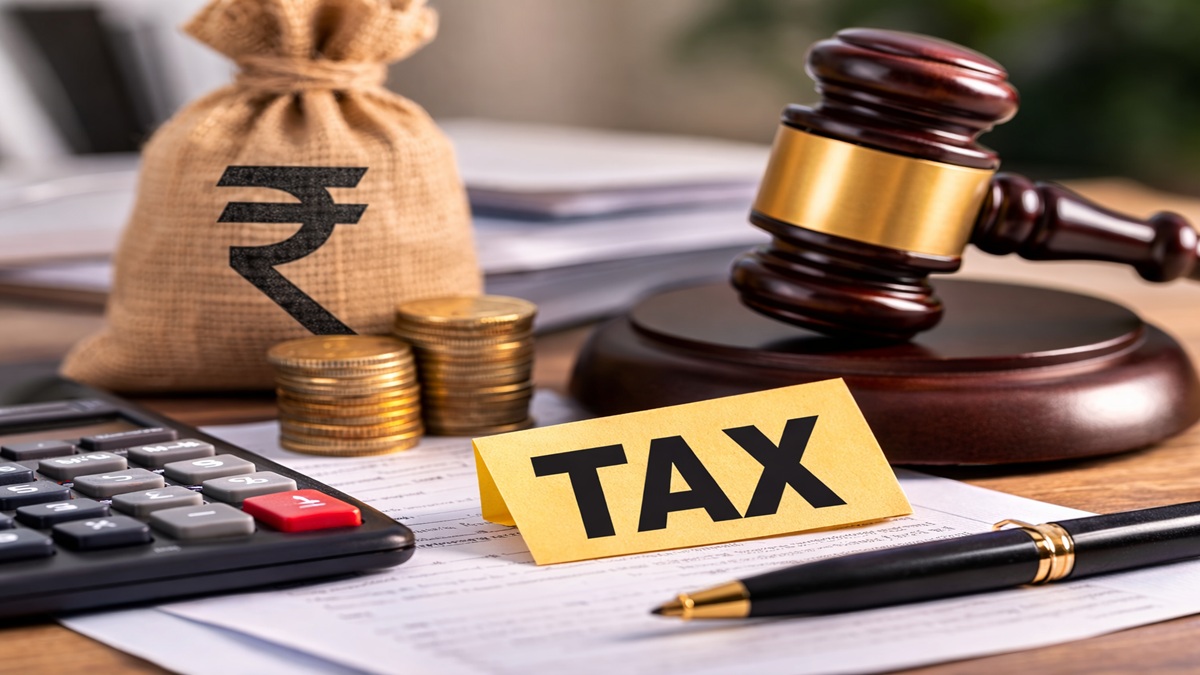
India is a country with lots of rocks and minerals under the ground, and mining companies dig them up to make useful things.
Right now, both the national government and state governments collect different taxes on mining.
Companies have to pay many taxes, which makes mining very expensive.
A court in India had recently said that state governments are allowed to collect their own taxes on mining land.
The national government has now written a new law proposal, called a bill, to stop states from collecting those extra taxes.
Under the new bill, only the national government can decide taxes on mineral land, and states can only get a payment called royalty.
The government says this will help mining companies save money and dig up more minerals, so India does not have to buy so many minerals from other countries.
Some money that states already collected will be kept by them.
The new bill was shown to the Lok Sabha, the part of Parliament that makes laws, and people are now discussing whether it is fair for states.

The Centre tabled the Mines and Minerals (Development and Regulation) Amendment Bill, 2026 in the Lok Sabha on Monday, barring states from imposing taxes or cesses on mineral rights and mineral-bearing lands.
The bill brings regulation of mineral-bearing land under exclusive central control, restricting states to royalties on mineral value.
The move reverses the effect of the Supreme Court's July 2024 MADA vs Steel Authority of India judgment, which had affirmed states' power to tax mineral-bearing lands.
Past state levies neither deposited nor recovered would be invalidated, while amounts already collected before the amendment takes effect will not be refunded.
The government cites India's mineral-sector effective tax rate of over 50-55% of revenue, against a 35-40% global average, and a falling mining GVA share as reasons for the reform.
- Who
- India's central government, which introduced the bill; mineral-rich state governments, including Odisha, Chhattisgarh, Jharkhand, Rajasthan, Madhya Pradesh and Karnataka, whose revenue departments were asked for comment; and the Supreme Court of India, whose 2024 ruling the bill addresses.
- What
- The Mines and Minerals (Development and Regulation) Amendment Bill, 2026, which bars states from levying taxes, cesses or other charges on mineral rights and mineral-bearing lands and brings such land under central regulation.
- Where
- India, in the Lok Sabha, the lower house of Parliament.
- When
- Tabled in the Lok Sabha on Monday; the articles do not specify the exact date. It follows the Supreme Court's judgment delivered on 25 July 2024.
- Why
- To reduce the high tax burden on the mining sector, improve commercial viability and investment, and address uncertainty and litigation stemming from the 2024 Supreme Court MADA judgment.
Central Government
State Governments / 2024 Supreme Court Ruling
Who should tax mineral rights and land?
Central Government
The Centre says only it should regulate mineral-bearing land and that states may only collect royalty; multiple and inconsistent state taxes create a cascading tax effect, high compliance costs and slow economic growth.
State Governments / 2024 Supreme Court Ruling
The Supreme Court's 25 July 2024 MADA judgment affirmed that states have the constitutional power to tax mineral rights and mineral-bearing lands under fiscal federalism, a power the bill now seeks to overturn.
Impact of the tax burden on mining
Central Government
An excessive fiscal burden makes mining commercially unviable, discourages mineral extraction, disproportionately hurts small and medium operators and can lead to mine closures; lower taxes will boost investment, production and downstream competitiveness.
State Governments / 2024 Supreme Court Ruling
The 2024 ruling secured state governments' right to collect revenue within their legislative domain, and state levies were a recognized fiscal autonomy measure, though experts warned the additional demands raised concerns over investment and uncertainty.
Treatment of past and future state levies
Central Government
The bill provides certainty by invalidating past levies that were neither deposited nor recovered, protecting already-collected amounts from refund claims, and setting a framework for future state taxation.
State Governments / 2024 Supreme Court Ruling
Following the 2024 judgment, states were entitled to raise such levies, and the bill leaves legacy liability and litigation concerns over revenue already demanded by state governments.
Key facts
- Bill
- Mines and Minerals (Development and Regulation) Amendment Bill, 2026
- Introduced in
- Lok Sabha on Monday
- Amends
- Mines and Minerals (Development and Regulation) Act, 1957
- Key Provision
- New Section 9D bars state taxes, cesses or other levies on mineral rights and mineral-bearing lands
- Supreme Court Judgment Addressed
- MADA vs Steel Authority of India Ltd, delivered 25 July 2024
- Effective Tax Rate in Sector
- Over 50-55% of revenue in India vs 35-40% global average
- Mining GVA Share
- Fell from 4.8% in 1999-2000 to about 2% in recent years
- Retroactive Treatment
- Taxes already collected by states before the amendment will not be refunded
Quotes
Sidhartha Jain
Tax partner, EY India
“The amendment appears to address some of these issues by invalidating past levies that have neither been deposited nor recovered, protecting amounts already collected from refund claims, and providing a framework for future State taxation. This is expected to enhance certainty and predictability, supporting investment and strengthening the long-term competitiveness of the mining sector and its downstream industries”
 livemint.com
“Insertion of a new section 9D in the MMDR Act, which provides that no tax, cess or such other levy (by whatever name called) shall be imposed by the State Government on mineral rights; or mineral bearing lands, either based on mineral quantity, mineral value, royalty or otherwise, except in accordance with such conditions or restrictions as may be prescribed by the Central Government,”
livemint.com
Sources

Related news
Parliament passes Minerals Bill barring state taxes on mineral leases

India Bill Bars States From Taxing Mines and Mineral Rights
Centre Bars States From Levying Taxes on Mineral Rights
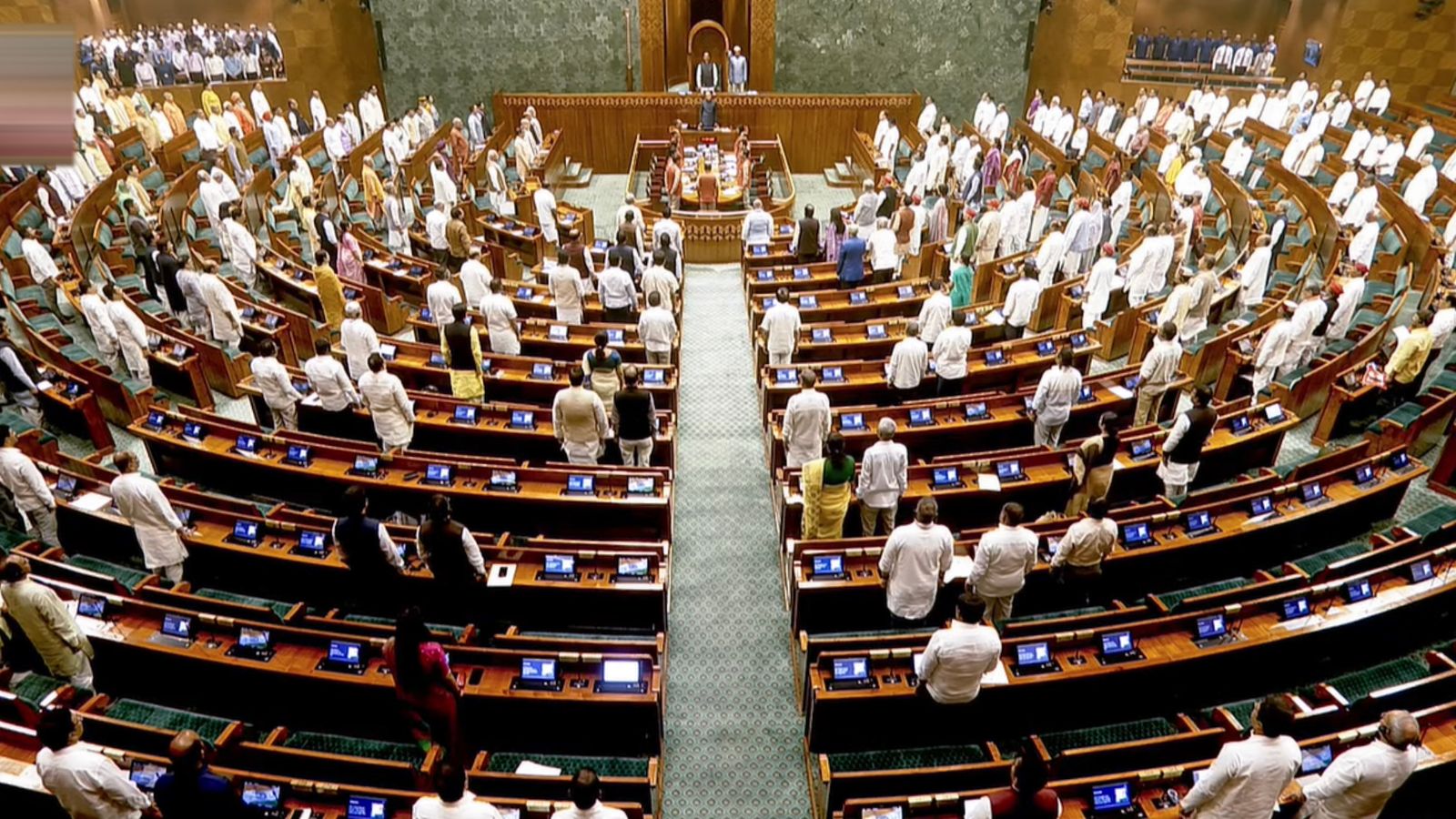
Parliament Passes Mines and Minerals Amendment Bill Curbing State Levies
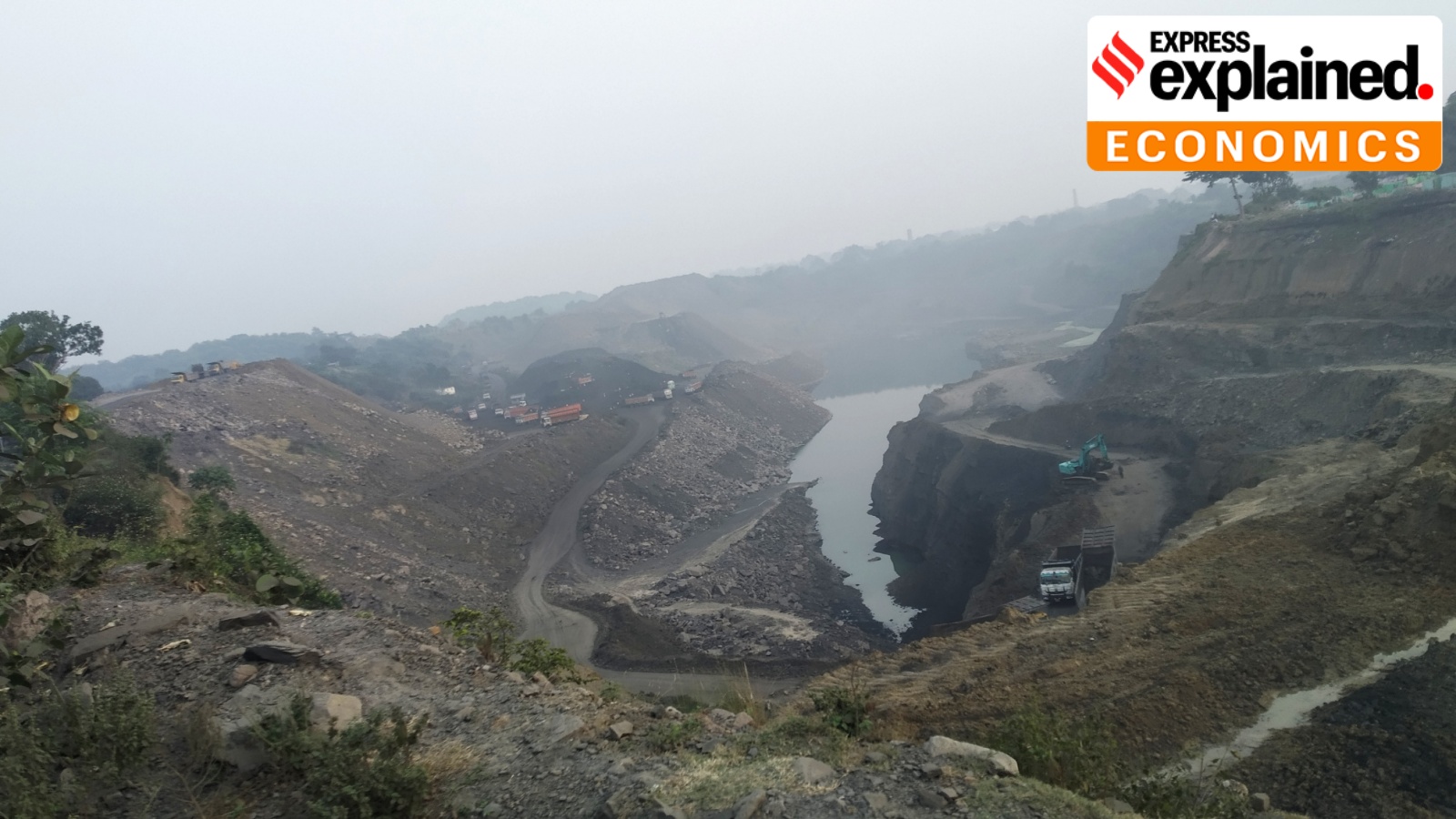
India's mining tax overhaul reignites Centre-state tussle over revenue

Government Notifies MMDR Amendment as States Plan Challenge

Two Years After RG Kar Doctor's Rape-Murder, Case Remains Unresolved

ED widens Chhattisgarh probes with two arrests and searches

Delhi High Court Orders Madhya Pradesh to Pay Advocate Dues
Haryana sanitation workers’ strike puts BJP government under pressure
Orissa High Court Says Brothel Customers Cannot Face Trafficking Charges