

2 weeks ago
India's mining tax overhaul reignites Centre-state tussle over revenue
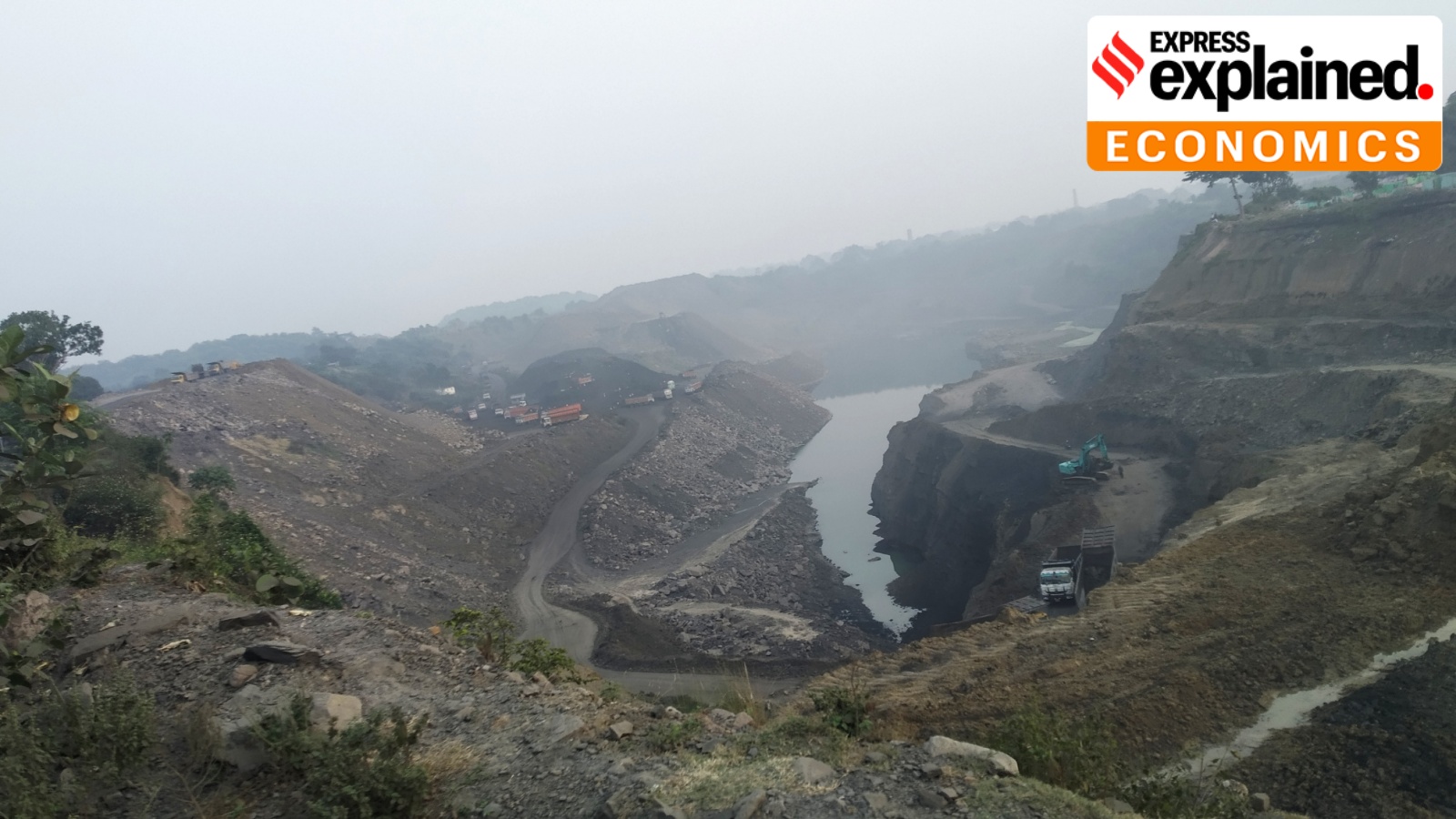
India's central government has made a new law about mining taxes.
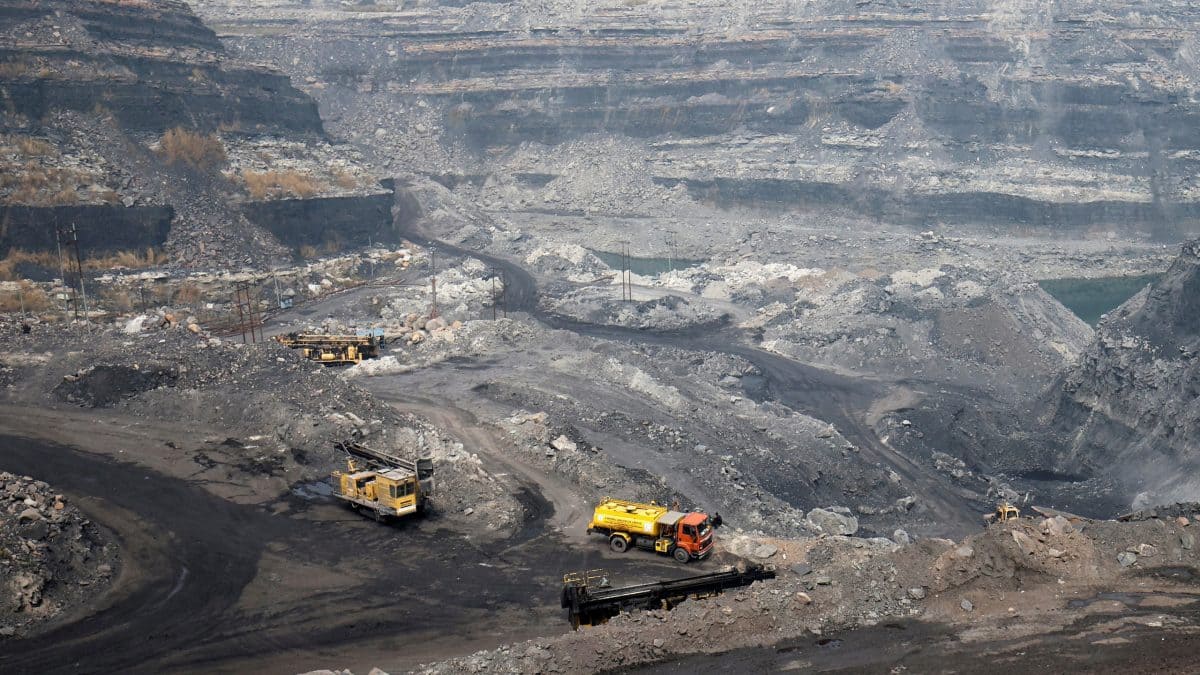
Mining means digging useful things out of the ground, like coal, iron and limestone.
The new law says states, which are parts of India, cannot make new mining taxes unless the central government agrees.
It can also cancel some old mining taxes that states had planned but had not collected yet.
States with lots of mines, like Odisha and Jharkhand, are upset because they say they will lose money and lose their own power to make rules.
Jharkhand's leader called the law a "black law" and said people may protest.
He said mining money pays for about 85% of the state's own income that is not from central taxes.
The central government says the law makes the same rules for everyone, keeps mining costs down and helps companies feel sure about investing.
Mining companies mostly like the new law, but worried states may challenge it in court.

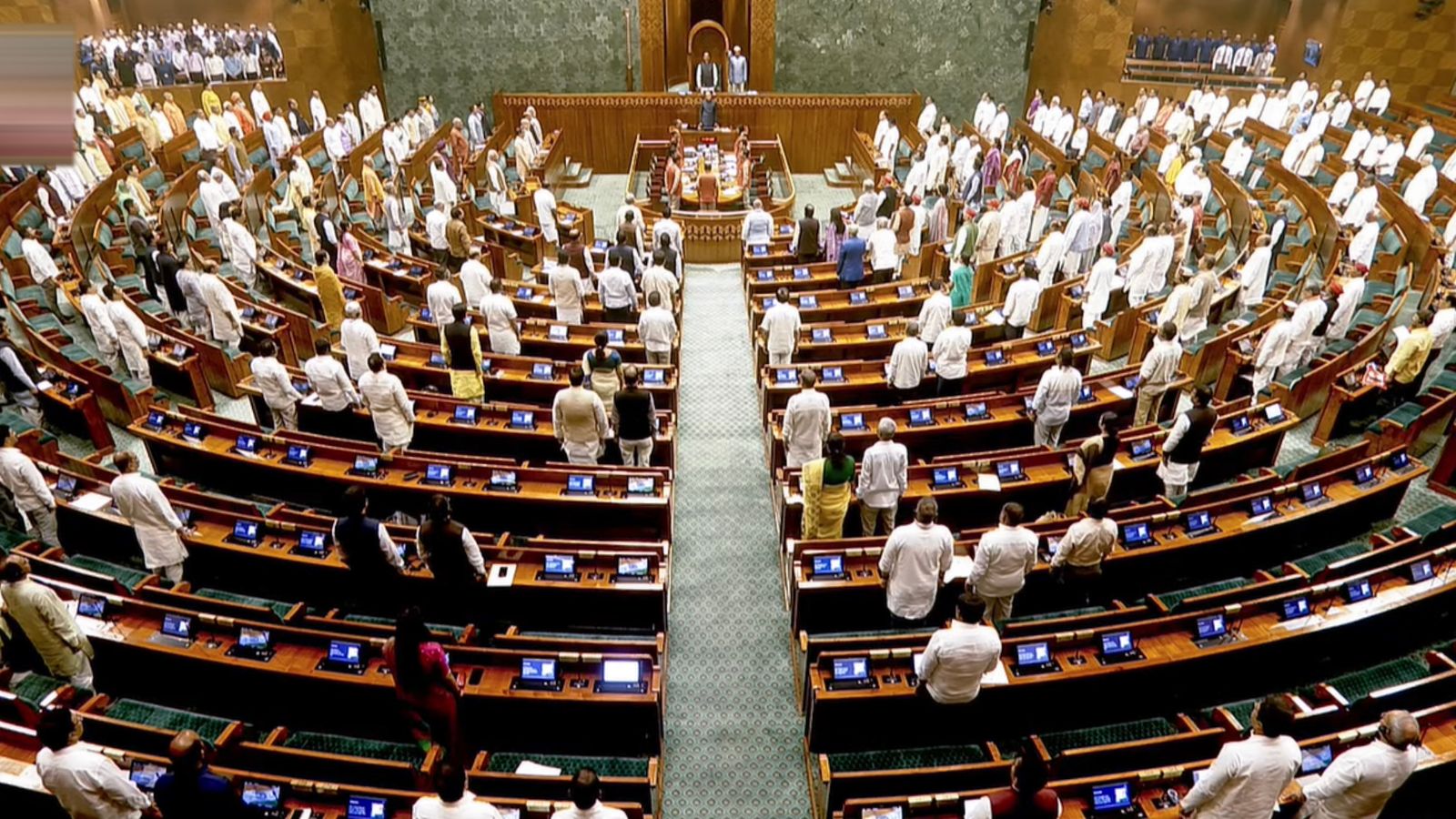
India's parliament passed the Mines and Minerals (Development and Regulation) Amendment Bill, 2026, which now awaits presidential assent.
The law bars states from imposing new taxes, cesses or levies on mineral rights and mineral-bearing land without central permission, and extinguishes unpaid dues from earlier levies.
Jharkhand Chief Minister Hemant Soren wrote to Prime Minister Narendra Modi, called the law a "black law" and threatened protests, citing mining revenue of about 84.9% of the state's own non-tax revenue.
Odisha faces potential exposure of more than Rs 1 lakh crore in disputed mining-related claims, and Kerala is exploring legal options against the amendments.
Mines Minister G Kishan Reddy said states' share of mineral revenue has risen to about 85% from 65% in 2014-15, while industry groups largely welcomed the reform.
- Who
- India's central government and parliament on one side, and mineral-rich states including Odisha, Jharkhand, Chhattisgarh and Kerala on the other; key figures include Mines Minister G Kishan Reddy and Jharkhand Chief Minister Hemant Soren.
- What
- Parliament approved the Mines and Minerals (Development and Regulation) Amendment Bill, 2026, which restricts states from imposing new taxes, cesses or levies on mineral rights and mineral-bearing land and extinguishes certain unpaid mineral levies.
- Where
- India, particularly affecting mineral-rich states such as Odisha, Jharkhand, Chhattisgarh, Tamil Nadu and Karnataka.
- When
- Passed on Thursday, August 13, in both Houses of Parliament; now awaiting presidential assent, following the Supreme Court's July 25, 2024 ruling on states' taxing powers.
- Why
- The Centre says the reform creates a uniform national framework and reduces uncertainty for mining investors, while states argue it weakens their fiscal autonomy and revenues.
Mineral-rich states
Central government
Fiscal autonomy vs national uniformity
Mineral-rich states
States like Odisha, Jharkhand and Chhattisgarh say the law strips them of independent taxing powers and shrinks their fiscal space; Kerala warns it encroaches on constitutionally protected state powers over land and revenue.
Central government
The Centre says fragmented state taxation has created uncertainty for investors and that a uniform framework improves predictability and supports domestic production of key industrial inputs.
Retrospective revenue claims
Mineral-rich states
States that counted on pending mining revenues fear the retrospective provision will extinguish unpaid dues — estimated at around Rs 2 lakh crore — with Odisha facing more than Rs 1 lakh crore in disputed claims.
Central government
The Centre says unchecked state-level levies could raise the cost of key minerals, feeding into inflation and infrastructure costs, and the amendment resets the trajectory opened by the 2024 Supreme Court ruling.
Impact on state earnings
Mineral-rich states
Hemant Soren says mining revenue was about 84.9% of Jharkhand's own non-tax revenue in 2024-25 and its Mineral Bearing Land Cess was expected to raise about Rs 11,000 crore annually, so restrictions would hit development and welfare spending.
Central government
Mines Minister G Kishan Reddy argues states' share of mineral revenue has risen to about 85% from 65% in 2014-15, and the existing levies will continue, capped at a percentage to be decided in consultation with states.
Key facts
- Law
- Mines and Minerals (Development and Regulation) Amendment Bill, 2026
- Status
- Passed by both Houses of Parliament; awaiting presidential assent
- Key restriction
- States cannot impose new taxes, cesses or levies on mineral rights or mineral-bearing land without central permission
- Retrospective provision
- Extinguishes unpaid dues from pre-law levies; outstanding dues estimated at around Rs 2 lakh crore
- States' mineral revenue share
- About 85%, up from 65% in 2014-15 (per Mines Minister G Kishan Reddy)
- Odisha exposure
- More than Rs 1 lakh crore in disputed mining-related claims
- Jharkhand mining revenue
- About 84.9% of the state's own non-tax revenue in 2024-25 (per CM Hemant Soren)
- 2024 Supreme Court ruling
- July 25, 2024 ruling upheld states' power to tax mineral rights; royalty is not a tax
Quotes
Senior Mines Ministry official
An unnamed senior official from India's Ministry of Mines
“"States’ share of mineral revenue has risen to about 85 per cent from 65 per cent in 2014–15, arguing that the new law does not reduce their overall earnings."”
 firstpost.com
“All we are saying is all these levies together should not be beyond a certain percentage”
 indianexpress.com
B K Bhatia
Mining industry expert and former Director General of the Federation of Indian Mineral Industries (FIMI)
“Apart from royalty, District Mineral Foundation and National Mineral Exploration and Development Trust contributions, mining companies currently pay various other cesses, including environmental and pollution cesses. But the mineral-bearing land tax was the biggest additional burden on the industry”
indianexpress.com
Sources
Related news
Parliament Passes Mines and Minerals Amendment Bill Curbing State Levies
India Bill Bars States From Taxing Mineral Rights and Land

Parliament Passes Mining Bill Limiting State Mineral Levies
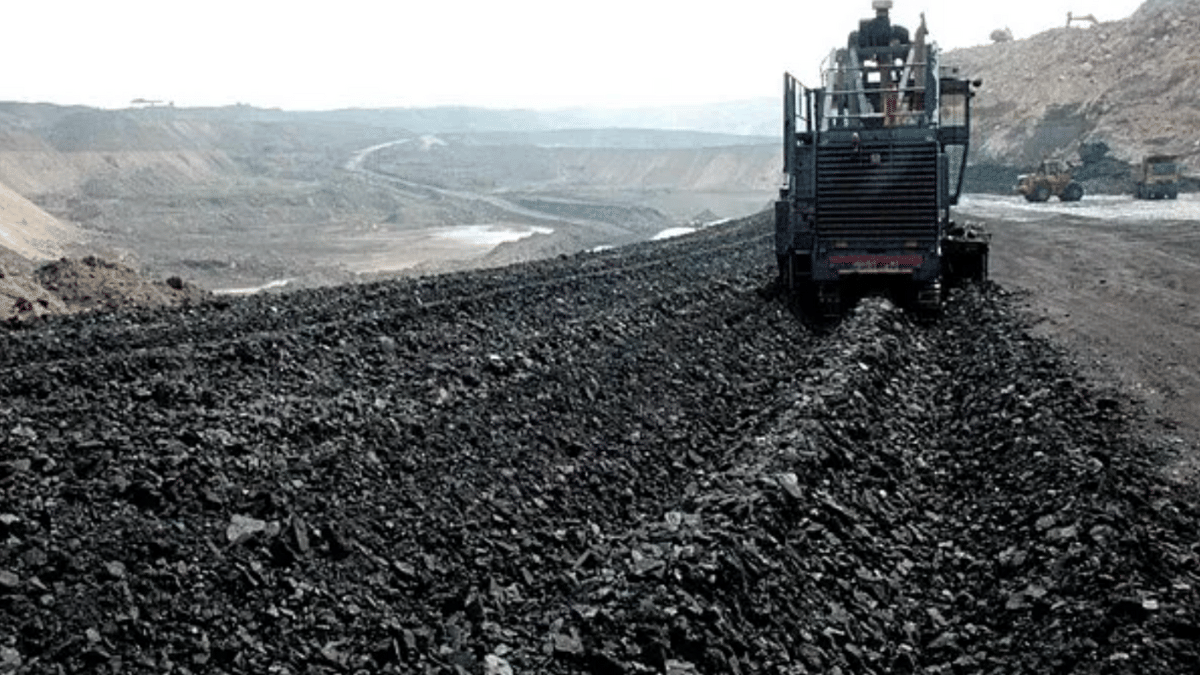
Centre Bars States From Levying Taxes on Mineral Rights
Parliament passes Minerals Bill barring state taxes on mineral leases
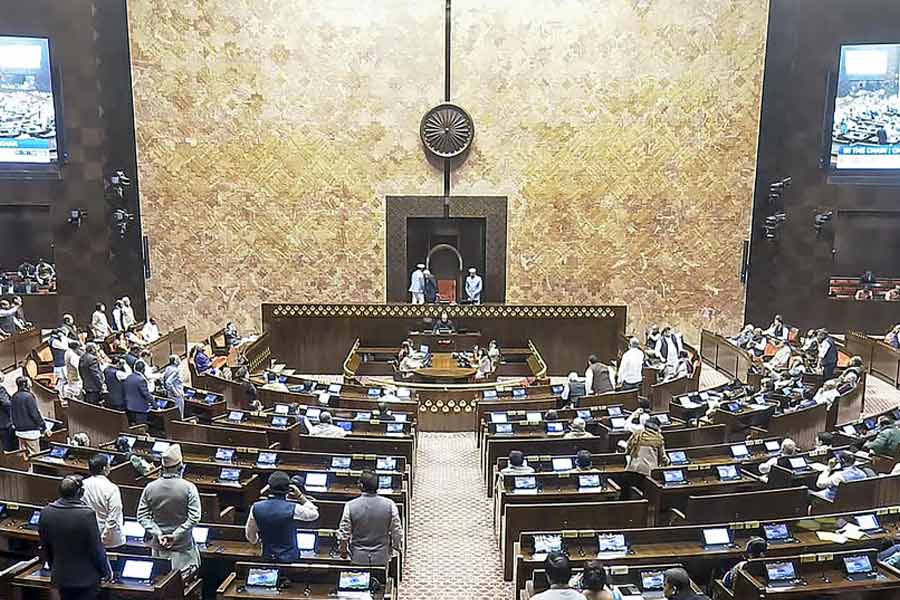
Parliament passes mineral bill limiting state taxes on mining resources

Government Defends 7.8% GDP Growth as Congress Raises Doubts

BRICS Expansion Puts Membership and Reform at New Delhi Summit

Piyush Goyal Defends India’s 7.8% GDP Growth Amid Criticism

Mahua Moitra Questions India’s 7.8% GDP Growth Figures
Goyal Defends India’s 7.8% GDP Growth Amid Data Debate
