1 week ago
MMDR Amendment Act 2026 Seeks Mining Investment Amid State Pushback
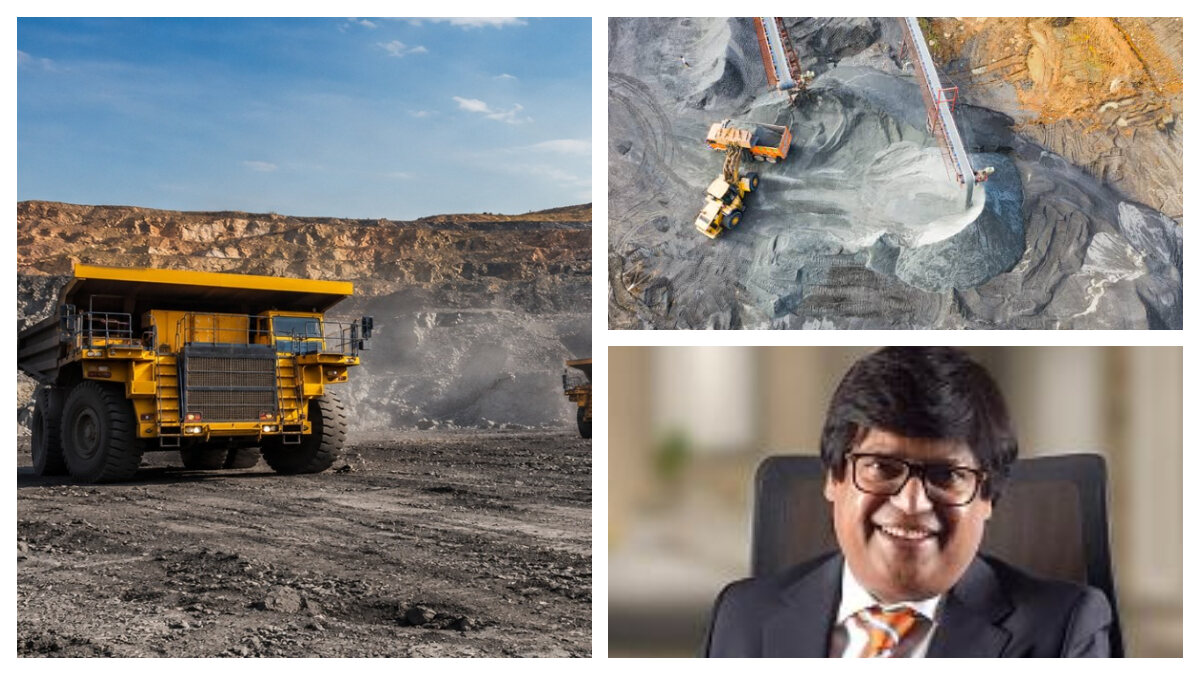
India has passed a new law to change how mining taxes are handled.
The law limits states from adding different taxes and extra charges to mining projects.
Mining companies and NMDC say this will make costs easier to predict.
They believe investors will be more willing to spend money on mines and mineral exploration.
The government also wants more minerals to be produced inside India.
These minerals are needed for construction, energy, cars, defence and new technologies.
Opposition parties and some states disagree with the law.
They say states should keep the power to tax minerals and use the money for development and welfare.
Some groups are planning protests and court challenges.
The main disagreement is about whether the law creates useful certainty or takes away states’ financial powers.

The MMDR Amendment Act 2026 seeks to restrict states’ power to levy taxes and cesses on mineral rights and mineral-bearing land.
NMDC Chairman Amitava Mukherjee says greater tax uniformity will reduce uncertainty, lower costs and attract mining investment.
The reform is intended to accelerate exploration and domestic production of minerals needed by industry, energy and emerging technologies.
Opposition parties and mineral-rich states say the Act weakens their constitutional authority and could reduce revenues for welfare and development.
Protests and legal challenges are planned in several states, including Jharkhand, Odisha, Karnataka, Kerala and Telangana.
- Who
- The Government of India, mining companies, NMDC Chairman Amitava Mukherjee, Opposition parties and mineral-rich states.
- What
- The Mines and Minerals (Development and Regulation) Amendment Act, 2026 restricts states’ powers to levy taxes and cesses on mineral rights and mineral-bearing lands.
- Where
- The reform applies to India’s mining sector, with opposition and legal challenges reported in Jharkhand, Odisha, Karnataka, Kerala and Telangana.
- When
- The Act was introduced earlier in August 2026; protests in Jharkhand are planned for August 25–31.
- Why
- Supporters say it will create a uniform, predictable levy system, attract investment and expand domestic mineral production; opponents say it undermines states’ fiscal and constitutional authority.
Government and Mining Industry
Opposition Parties and Mineral-Rich States
Tax uniformity
Government and Mining Industry
Supporters say limiting divergent state levies will reduce cost volatility, compliance burdens and disputes, making mining more predictable.
Opposition Parties and Mineral-Rich States
Opponents say the restriction removes states’ ability to impose taxes or cesses on mineral rights and mineral-bearing land.
Investment and growth
Government and Mining Industry
NMDC Chairman Amitava Mukherjee says the reform will unlock capital, accelerate exploration and improve the global competitiveness of Indian minerals.
Opposition Parties and Mineral-Rich States
Opposition parties argue that the benefits to investment do not justify weakening states’ revenue rights and fiscal autonomy.
Constitutional authority
Government and Mining Industry
The BJP says the reforms will protect, rather than reduce, mining revenues in Odisha and has dismissed some protests as political drama.
Opposition Parties and Mineral-Rich States
The JMM, Congress and other parties argue that Parliament cannot restrict states’ constitutional taxing powers and say the law weakens the effect of the Supreme Court’s 2024 ruling.
Key facts
- Law
- Mines and Minerals (Development and Regulation) Amendment Act, 2026
- Main change
- Restricts states from imposing taxes or cesses on mineral rights and mineral-bearing lands.
- Industry rationale
- The reform is intended to reduce non-uniform levies, unexpected cesses and uncertainty in project planning.
- Investment goal
- Supporters say predictable taxation could encourage capital investment, exploration and mine development.
- Industrial demand
- The reform is linked to demand from steel, infrastructure, manufacturing, energy, defence and emerging technologies.
- Jharkhand action
- Left parties announced a statewide protest from August 25 to 31, including burning copies of the law and public-awareness campaigns.
- Legal challenge
- Karnataka, Kerala and Telangana are preparing a joint Supreme Court challenge; Congress is seeking to involve Jharkhand.
Quotes
Amitava Mukherjee
NMDC Chairman and Managing Director and chair of FICCI’s Mining Committee
“This will unlock capital investments, accelerate exploration of minerals, and make domestic mineral production globally competitive”
 financialexpress.com
“We deeply thank the Government of India for championing this transformative reform”
financialexpress.com
Sources
Related news

Government Notifies MMDR Amendment as States Plan Challenge
India Bill Bars States From Taxing Mineral Rights and Land
India's mining tax overhaul reignites Centre-state tussle over revenue
Parliament Passes Mines and Minerals Amendment Bill Curbing State Levies
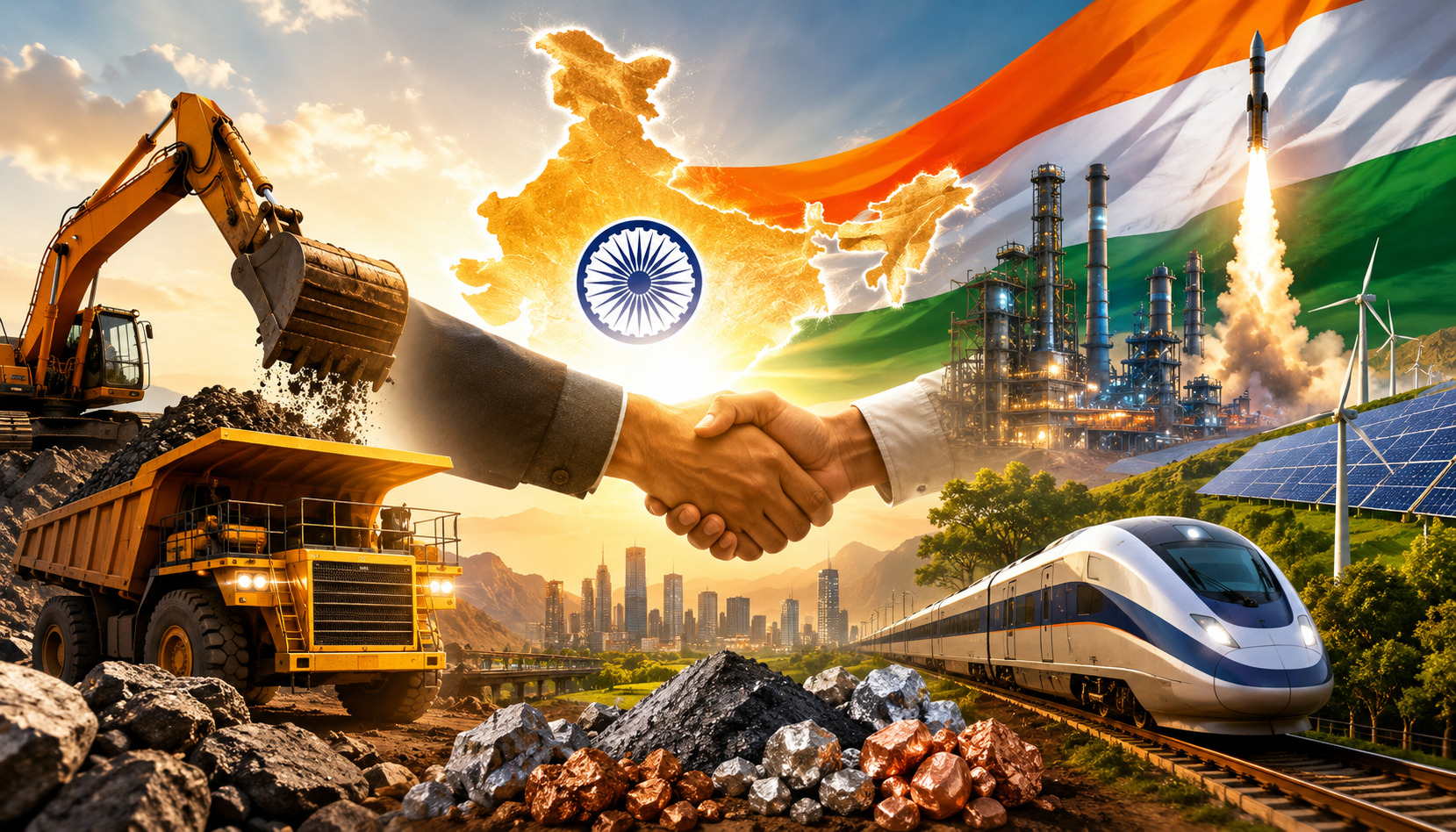
MMDR Amendment Bill 2026 Sparks State-Centre Mining Tax Battle
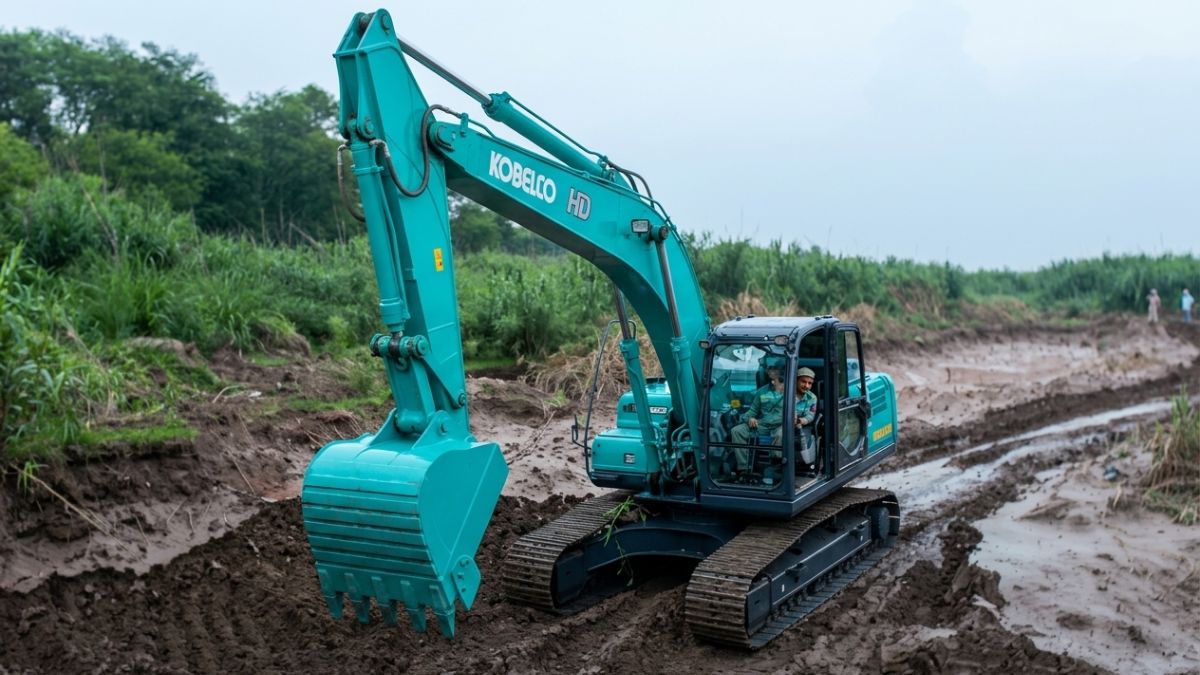
Parliament passes Minerals Bill barring state taxes on mineral leases
Farooq Abdullah’s Threat Claims Ignite Fury Over Kashmir Statehood

GDP Row Escalates as Government Rebuts 2.6% Growth Claim

Karra Says J-K People Caught Between Two Power Centres
Telangana BJP Accuses Congress of Intimidating Opposition
Vijayendra's Ballari Chalo Highlights Drought, Farmers And Congress Government Criticism