3 weeks ago
El Niño fears not over despite July monsoon revival
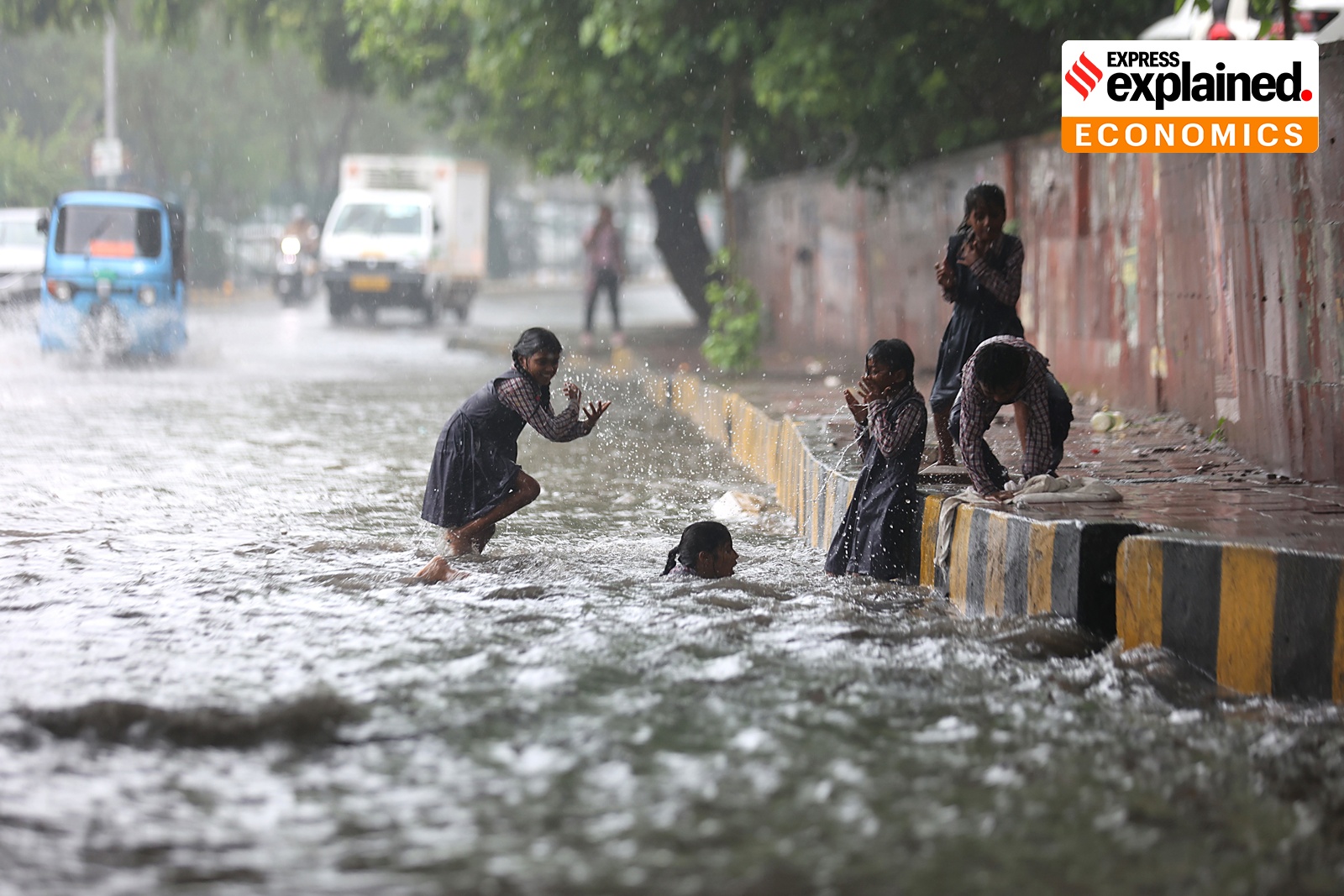
Monsoon is the rainy season in India that farmers need to grow their food.
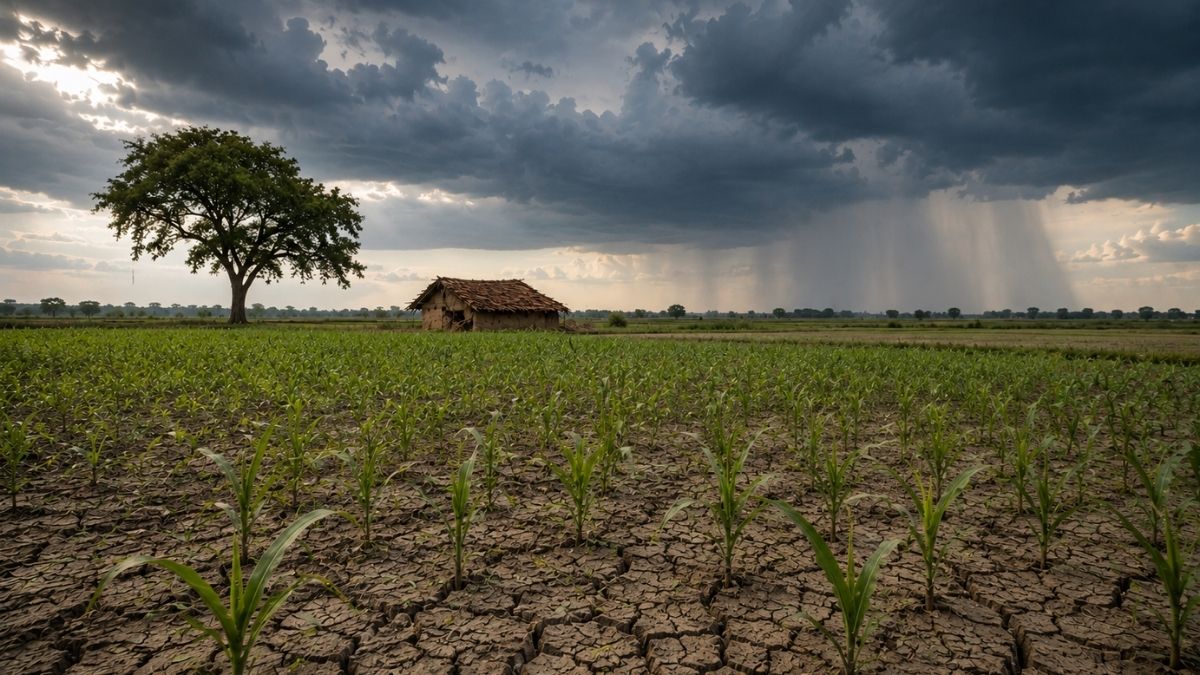
At the start of this monsoon season, in June, there was very little rain — actually the sixth least rainy June since 1901.
That meant farmers could not plant as many crops as the year before.
Then in July, the rain suddenly came back and was even a little more than normal.
Farmers quickly planted more crops, so the gap with last year became much smaller.
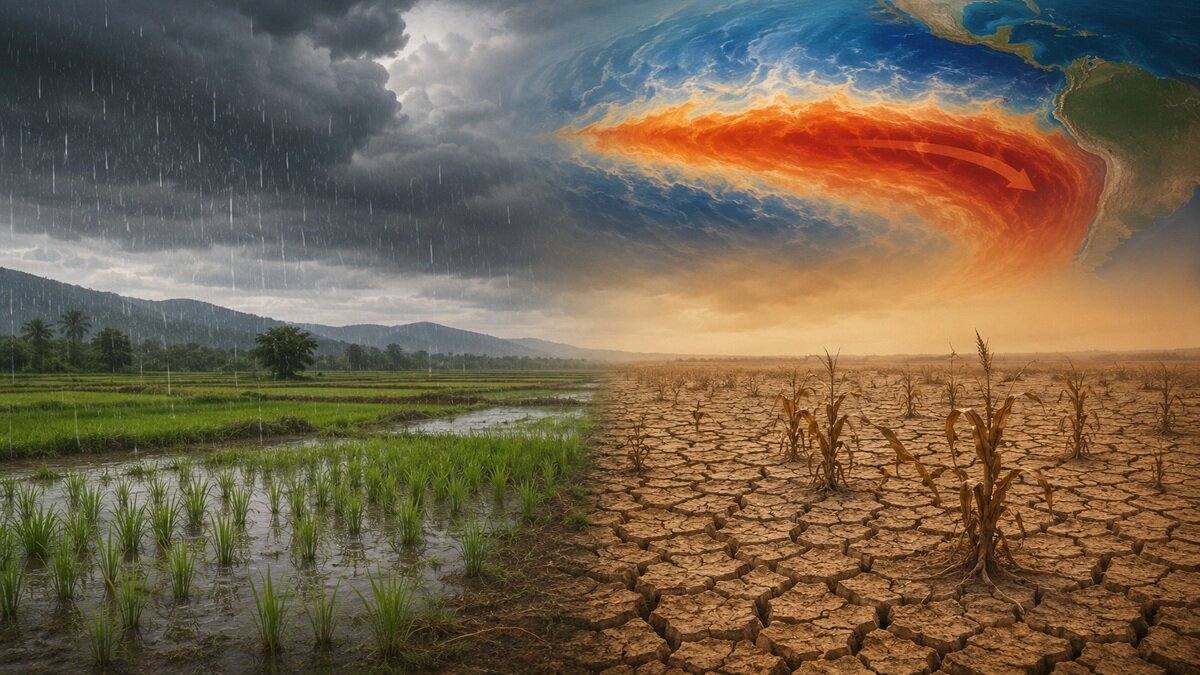
But there is a weather pattern called El Niño, which is warm water in the Pacific Ocean that can make rain go away.
El Niño is getting stronger, and scientists think it will become very strong between October and December.
If that happens, the next growing season's crops, like wheat, could suffer.
Also, the price of food, especially vegetable oil, has gone up around the world.
The government says it has big reserves of rice and wheat, so it can help keep food prices from rising too much.

June rainfall was 38% below the long-period average, making it India's sixth driest June since 1901 with no low-pressure systems forming.
July recorded 2.4% above-normal rainfall despite El Niño strengthening, narrowing the kharif sowing gap to 2.9% below last year's acreage.
El Niño intensified into a moderate-to-strong event in July and could turn 'very strong' during October-December, possibly lasting till March 2027.
The UN FAO food price index hit a three-and-a-half-year high of 131.1 points in July, driven mainly by a 17.3% year-on-year jump in vegetable oils.
Experts warn El Niño's lagged impacts could hurt rabi season crops such as wheat, mustard and potato, even if kharif crops recover.
- Who
- Indian farmers, the India Meteorological Department (IMD), global weather agencies, and the UN Food and Agriculture Organization (FAO)
- What
- The revival of India's monsoon in July narrowed the gap in kharif crop sowings, but strengthening El Niño conditions keep fears of poor rainfall and crop losses alive.
- Where
- India, influenced by sea surface temperatures in the central and eastern Pacific Ocean off the coasts of Peru and Ecuador
- When
- June and July of the current kharif season, with risks extending from October-December 2026 into March 2027
- Why
- El Niño's rainfall-suppressing effects lag by one to two months and could threaten the coming rabi (winter-spring) crops, while global food prices, especially vegetable oils, have hardened.
Key facts
- June rainfall deficit
- 38% below long-period average; sixth driest June since 1901
- July rainfall
- 2.4% above the long-period average
- Kharif sowings by July 6
- 350.85 lakh hectares, 20.8% below last year
- Kharif sowings by July-end
- 894.22 lakh hectares, 2.9% below last year
- El Niño status
- Moderate-to-strong, expected 'very strong' in October-December 2026
- FAO food price index (July)
- 131.1 points, three-and-a-half-year high
- Vegetable oils index (July)
- 195.7 points, up 17.3% year-on-year
- Government grain stocks (July 1)
- 92.6 million tonnes of rice and wheat vs 41.1 mt minimum
Quotes
D.N. Pathak
Executive director, Indore‑based Soybean Processors Association of India
“Overall, the crop condition is normal to good. Healthy vegetative growth is being observed in most areas, with no major insect pest or disease incidence reported during field inspections.”
 indianexpress.com
Sources
Related news

Monsoon Revives, Narrowing India's Rainfall Deficit and Boosting Kharif Sowing
Government Sees Limited El Niño Impact on Kharif Crops
India’s Monsoon Faces 15% Deficit as El Niño Strengthens

Kharif sowing lags last year's coverage despite monsoon revival
El Nino skews monsoon rains; low-pressure systems narrow deficit
Improved Sowing May Cushion Kharif Output Despite Monsoon Deficit

India’s Food Safety Drive Highlights Regulation and Enforcement Gaps
India Urges UN Action to Protect Critical Sea Lanes
Milk Leads Rice and Pork in Global Food Commodity Values
India Moves to Harness Ecological and Economic Benefits of Bamboo
UPSC Key: Coastal Erosion, Naval Uprising, J&K Quota and More