1 week ago
Improved Sowing May Cushion Kharif Output Despite Monsoon Deficit
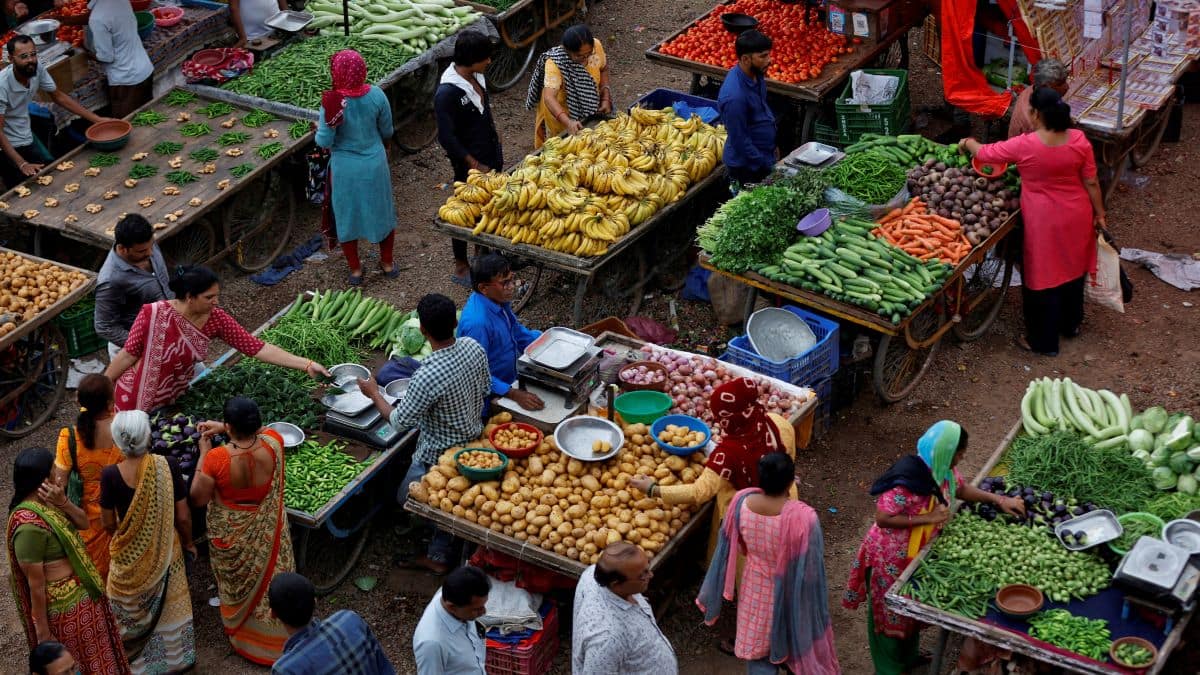
India has received less rain than usual during this monsoon season.
The shortage was bigger in eastern and southern India than in central India.
However, much of the crop planting season is already over.
Farmers planted slightly less land with kharif crops than last year.
Rice planting fell, but pulse planting increased.
Water stored in reservoirs may help farmers if rainfall stays weak.
ICICI Bank said stronger El Niño conditions could still reduce rainfall and hurt crops.
The bank expects cereal prices to remain fairly stable because government food stocks are large.

India’s cumulative monsoon rainfall through August 24 was 13% below the long-period average, with regional deficits varying widely.
ICICI Bank said the rainfall shortfall may have a limited effect on kharif output because sowing is largely complete and July rainfall improved.
Kharif sowing covered 105.7 million hectares by August 17, down 1.5% from a year earlier.
Rice acreage declined 3.2%, while pulses acreage rose 1.3% year-on-year; jute and mesta acreage also increased.
Reservoir storage offered some support, but strengthening El Niño conditions and the Nino 3.4 index of 2.37 remain risks to rainfall and crop output.
- Who
- ICICI Bank assessed the potential impact of India’s monsoon conditions on kharif crops.
- What
- The bank said the rainfall deficit may have a limited effect on kharif output, while warning that strengthening El Niño conditions remain a key risk.
- Where
- India; rainfall deficits ranged from 2% in Central India to 27% in East India.
- When
- The assessment used rainfall data through August 24, sowing data as of August 17, and reservoir data as of August 20.
- Why
- Improved July rainfall, largely completed sowing and rising reservoir storage could cushion the effect of below-normal rainfall.
Factors Supporting Crop Output
Risks to Crop Output
Effect of the rainfall deficit
Factors Supporting Crop Output
ICICI Bank said the impact may be limited because July rainfall improved and the sowing season is largely complete.
Risks to Crop Output
The report warned that strengthening El Niño conditions could weaken rainfall further and increase the downside risk to agricultural output.
Planting progress
Factors Supporting Crop Output
Improved sowing and a narrowing gap in rice acreage provide some support for the kharif outlook; pulses and jute and mesta acreage increased.
Risks to Crop Output
Overall kharif sowing remained 1.5% below last year, while rice, coarse-cereal and oilseed acreage was lower.
Water availability
Factors Supporting Crop Output
Reservoir storage and relatively higher levels in Western, Central and Eastern India could cushion weaker rainfall.
Risks to Crop Output
Storage remained below last year’s level, and rainfall was deficient in Bihar, Andhra Pradesh, Punjab, Karnataka and Rajasthan.
Key facts
- Cumulative rainfall
- Rainfall through August 24 totaled 564 millimetres, 13% below the long-period average.
- August rainfall
- Rainfall from August 1-24 was 15% below the long-period average.
- Regional deficits
- East India recorded a 27% shortfall, South India 22%, Northwest India 11% and Central India 2%.
- Kharif sowing
- Sowing covered 105.7 million hectares by August 17, compared with 107.3 million hectares a year earlier.
- Crop acreage
- Rice acreage fell 3.2% to 40.5 million hectares, while pulses acreage rose 1.3% to 11.4 million hectares.
- Reservoir storage
- Live storage in 150 reservoirs stood at 117.3 billion cubic metres on August 20, or 64.3% of total capacity.
- El Niño indicator
- The Nino 3.4 index rose to 2.37, according to the report.
Quotes
ICICI Bank report
A report assessing the effects of monsoon rainfall on India’s kharif crop production
“With sowing season mostly behind, current rainfall deficit may not have as large an impact on kharif output as envisaged earlier because of pick-up in rainfall in July.”
 m.rediff.com
Sources

Related news
Government Sees Limited El Niño Impact on Kharif Crops
Improved Indian Monsoon Eases Risks to Kharif Crop

IMD Warns of Dry September as India’s Monsoon Weakens
India's Kharif Sowing Deficit Narrows, Uneven Rains Threaten Yields
India’s Monsoon Faces 15% Deficit as El Niño Strengthens

IMD Warns September Rainfall Will Remain Below Normal

Major Banks Cut FCNR Deposit Rates After Subsidy Ends

MP High Court Orders SBI Account Unfrozen, Holds Disputed Funds

ICICI Bank Nears HDFC Bank as Nifty’s Top Influence

ICICI Bank Mobilises $17.88 Billion Under RBI Swap Facility

Axis Securities Names 15 Stocks With Up To 40% Upside