

1 week ago
India Urges UN Action to Protect Critical Sea Lanes
India told the United Nations that wars can make it harder for people to get food and other important supplies.
Fighting can disrupt ships, fuel, fertiliser and farming trade.
India said countries should work together to keep important sea routes safe.
This would help food, fuel and humanitarian supplies move without unnecessary delays.
The UN said at least 266 million people faced serious food shortages in 2025.
It also said conflicts and violence were the main causes of hunger in most major hunger hotspots.
India wants countries to improve farming, storage and transport systems.
It also supports climate-resilient crops such as millets and better support for small farmers.

India urged collective international action to safeguard critical sea lanes and maritime infrastructure.
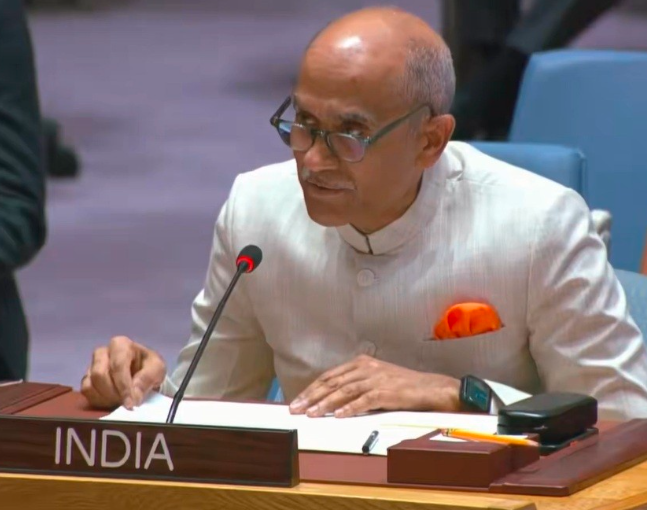
Ambassador Harish Parvathaneni said conflicts disrupt food security through energy, fertiliser, shipping and agricultural trade.
India called for safe humanitarian access and measures that do not obstruct legitimate food and agricultural trade.
UN Secretary-General Antonio Guterres said at least 266 million people faced acute food insecurity in 2025.
India recommended stronger domestic agriculture, diversified supply chains, improved logistics and climate-resilient crops.
- Who
- India, represented by Permanent Representative to the United Nations Ambassador Harish Parvathaneni, addressed the United Nations Security Council; Secretary-General Antonio Guterres also spoke.
- What
- India urged collective action to protect critical sea lanes, maritime infrastructure and legitimate food and humanitarian trade during conflicts.
- Where
- At the United Nations Security Council.
- When
- Tuesday, during a United Nations Security Council high-level open debate.
- Why
- Conflicts are disrupting energy markets, fertiliser supplies, maritime transport and agricultural trade, worsening food insecurity, especially in developing countries dependent on imports.
Key facts
- Debate topic
- “Food Under Fire: The Security Council's Role in Mitigating Global and Local Food Crises”
- India’s representative
- Harish Parvathaneni, India’s Permanent Representative to the United Nations
- Global acute food insecurity
- At least 266 million people faced acute food insecurity in 2025, according to Antonio Guterres.
- Confirmed famines
- Two famines were confirmed simultaneously in Sudan and Gaza in 2025, according to Guterres.
- Major hunger drivers
- Conflict and violence were the primary drivers in 12 of the 13 hunger hotspots of greatest concern in the United Nations’ latest report.
- Strait of Hormuz
- The strait carries around one-fifth of global oil supplies and one-third of global fertiliser trade, according to Guterres.
- India’s proposed measures
- Strengthen domestic agriculture, diversify supply chains, improve storage and logistics, and promote climate-resilient agriculture.
Quotes
Harish Parvathaneni
India’s Permanent Representative to the United Nations
“Restrictions and closures have driven up commodity prices, and made availability plummet. And attacks on commercial vessels in the Red Sea are further threatening supply chains for food and other commodities.”
 telegraphindia.com
“Food insecurity remains one of the gravest humanitarian consequences of armed conflict. Today’s conflicts increasingly generate ripple effects far beyond the immediate theatre of hostilities.”
telegraphindia.com
Sources
Related news
India Warns Conflicts Threaten Global Food Security Beyond Battlefields

India urged to boost shipping capacity, naval protection: GTRI

India urged to prioritise seafarer safety after Hormuz strike
India's weak monsoon may add to global food inflation

Ukraine, India Discuss Restoring Black Sea Freedom of Navigation

FSUI urges Centre to deploy Navy to protect Indian seafarers

Iran Seizes Fuel-Smuggling Vessel in Gulf, Arrests 11 Crew
Trump Floats Renaming Strait of Hormuz as “Trump Strait”

Chevron Plans $7 Billion Venezuela Expansion Amid U.S. Oil Push
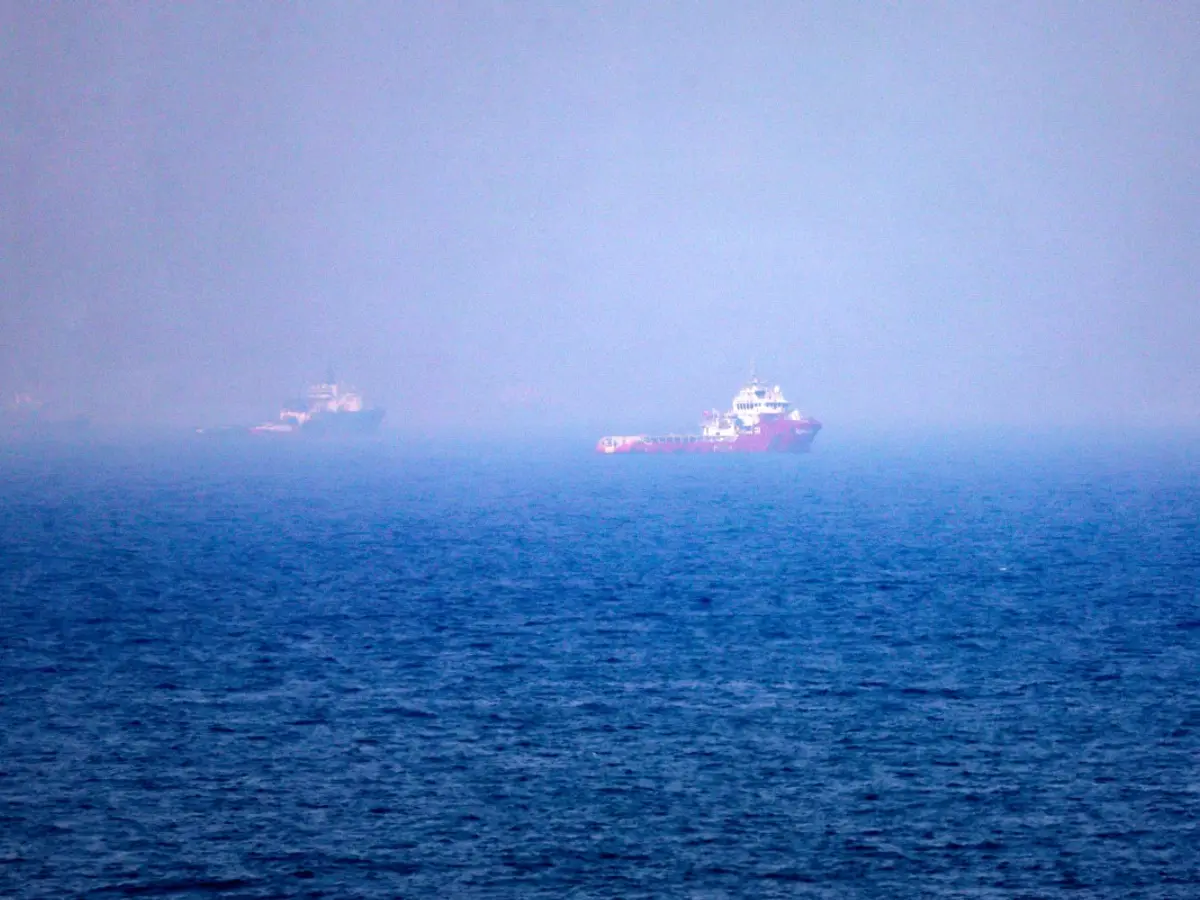
Saudi Tanker Hit in Hormuz, Killing Two Filipino Sailors
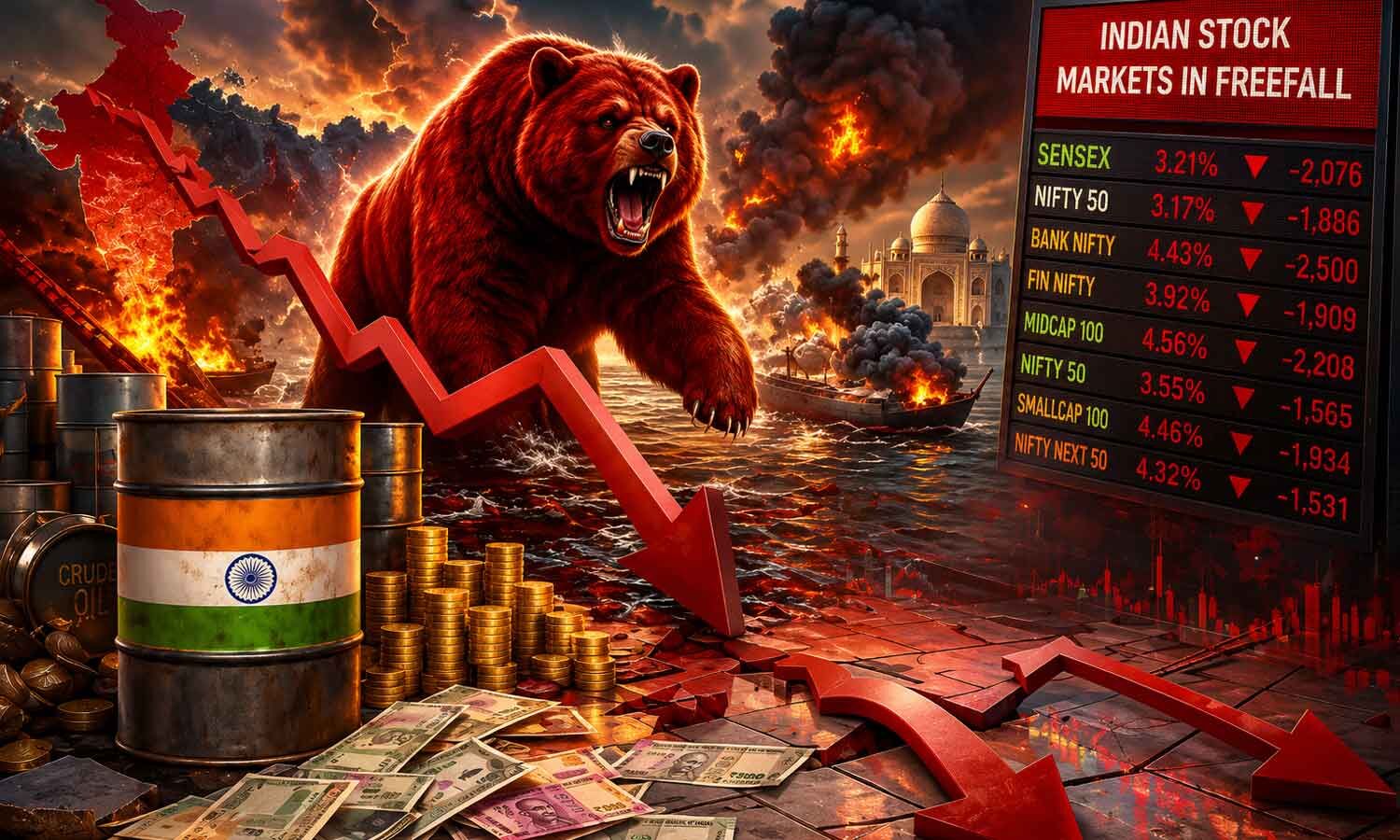
Indian Stocks Extend Three-Day Losing Streak as Oil Rises
