3 hrs ago
US Confidence in Iran War Tied to China Oil Angle

The United States is trying to pressure Iran by limiting its ability to sell oil.
American officials say China has already bought most of the Iranian oil available for sale.
They believe the remaining supply could run out soon.
The US also says sanctions and a naval blockade are hurting Iran’s economy.
Washington expects this pressure to help prevent Iran from developing a nuclear weapon.
Iran says it will respond by changing and managing its own economy rather than following US demands.
Iran has also warned that more attacks could bring stronger retaliation.
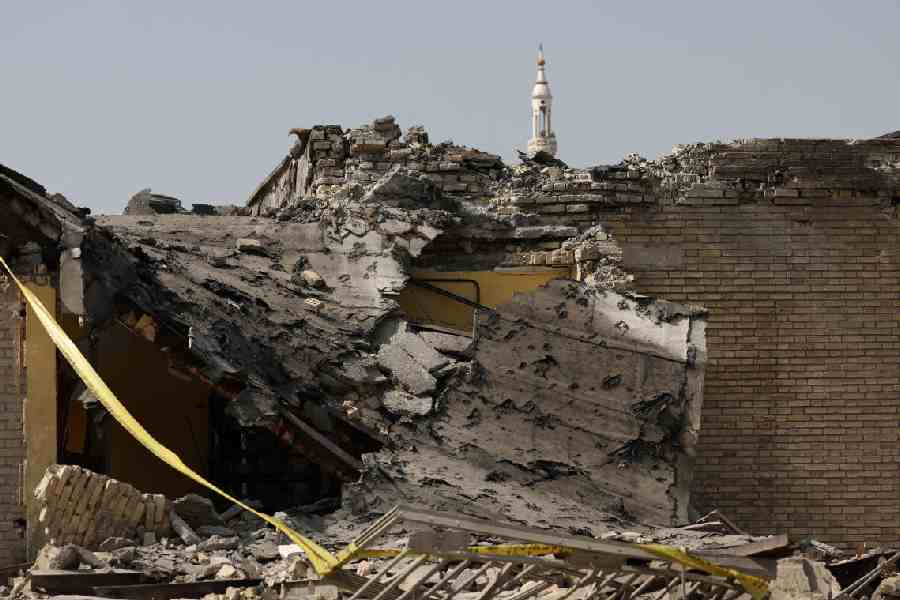
The two countries have resumed strikes, and control of the Strait of Hormuz remains disputed.

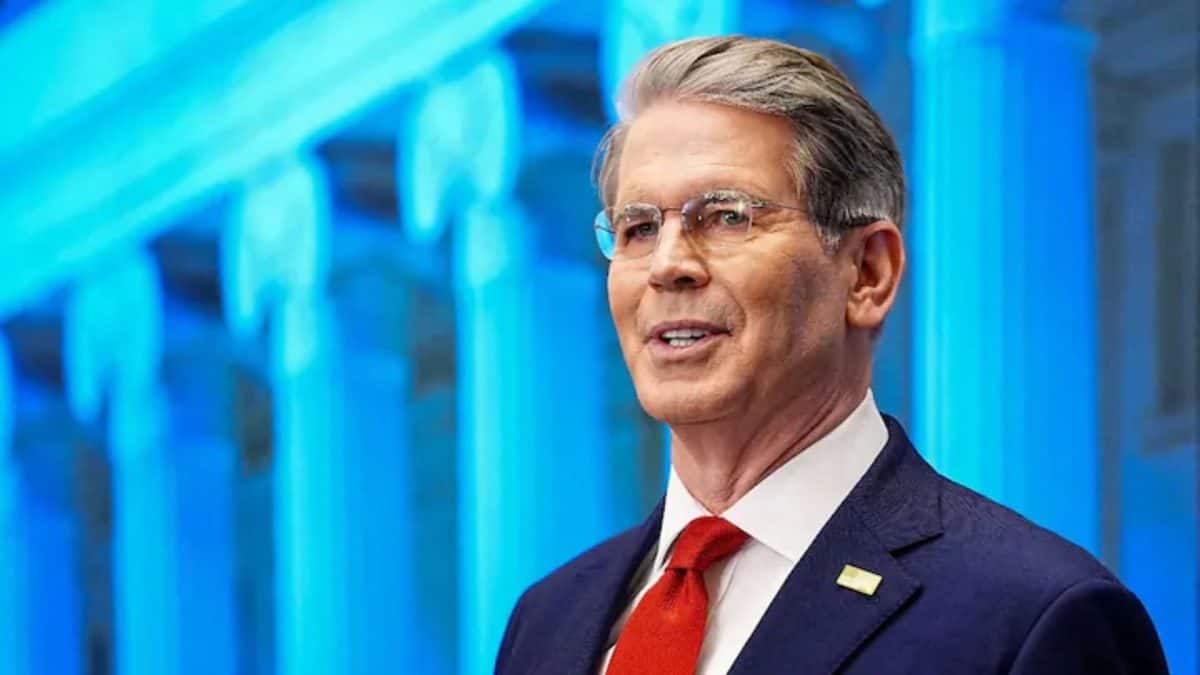
US Treasury Secretary Scott Bessent said sanctions and a naval blockade are depleting Iran’s oil-export capacity.
Bessent estimated that China has not yet purchased about 30 million barrels of Iranian crude, which he said could soon run out.
Washington says its pressure campaign could leave Iran unable to develop a nuclear weapon and weaken its government financially.
Iran has created an Economic War Headquarters and says domestic reforms, not US pressure, will address the economic damage.
Iranian leaders warned that further attacks would trigger a “faster, heavier and more painful response” as military strikes resumed.
- Who
- The United States and Iran are the main parties; China is involved through its purchases of Iranian oil.
- What
- The US is using sanctions, a naval blockade and pressure on oil exports, while Iran is organizing economic countermeasures and threatening military retaliation.
- Where
- The conflict and its economic effects involve Iran, the Persian Gulf, the Strait of Hormuz and Kharg Island.
- When
- The latest developments followed renewed hostilities after a pause in military action for much of July; the article also says the blockade began in mid-April and was imposed in July.
- Why
- Washington aims to weaken Iran’s revenue and prevent it from developing a nuclear weapon, while Tehran seeks to withstand economic pressure and deter further attacks.
US Position
Iran Position
Effect of economic pressure
US Position
Washington says sanctions and the naval blockade are working and will soon exhaust Iran’s remaining oil available for sale.
Iran Position
Tehran acknowledges economic damage but says Iran will respond through domestic reforms rather than change its decisions under US pressure.
Nuclear program and conflict outcome
US Position
The US expects the conflict to end with Iran unable to develop a nuclear weapon and its ruling establishment economically weakened.
Iran Position
Iranian officials reject the idea that US economic pressure should determine the country’s choices and say responsibility for reform lies with Iran.
Military deterrence
US Position
The US says it controls the Strait of Hormuz and has resumed strikes against Iranian targets in the region.
Iran Position
Iran says the rules of the game have changed and warns that attacks on its interests or security will receive a faster, heavier and more painful response.
Key facts
- Remaining Iranian crude
- Scott Bessent estimated that about 30 million barrels had not yet been purchased by China.
- US pressure campaign
- The campaign combines sanctions, restrictions on sanctions evasion and a naval blockade of Iranian oil exports.
- Iran’s economic response
- Iran’s Economy Ministry established an Economic War Headquarters focused initially on businesses, trade and financing.
- Iranian oil exports
- Iran had exported 90% of its crude through Kharg Island before the war, according to the article.
- Strait of Hormuz
- The route carried a fifth of global oil supplies before the conflict, and Iran and the US disagree over control of it.
- Military escalation
- The article says US Central Command struck three Iranian tankers after Iran’s Islamic Revolutionary Guard Corps launched ballistic missiles at two US Navy ships.
Quotes

Mohammad Baqer Qalibaf
Speaker of Iran’s Parliament issuing a military warning
“They speak of economic pressure and isolation, of breaking off financial ties and they think that by pressuring the economy of a country they can change the decisions of its people”
 livemint.com
“From now on, any attack against Iran's interests and security will receive a faster, heavier and more painful response”
livemint.com

Scott Bessent
US Treasury Secretary discussing sanctions and the naval blockade against Iran
“The blockade is working like nothing we've ever seen”
livemint.com
Sources
Related news
Economic front dominates US-Iran war as sanctions squeeze Tehran

Iran Vows Devastating Response to US Toughest-Ever Sanctions

US Plans Toughest Iran Sanctions, Urges China Cooperation

Trump Threatens Economic D-Day Against Iran and Its Partners
U.S. and Iran Trade Threats Ahead of New Sanctions
US Prepares Unprecedented Economic Pressure Campaign Against Iran
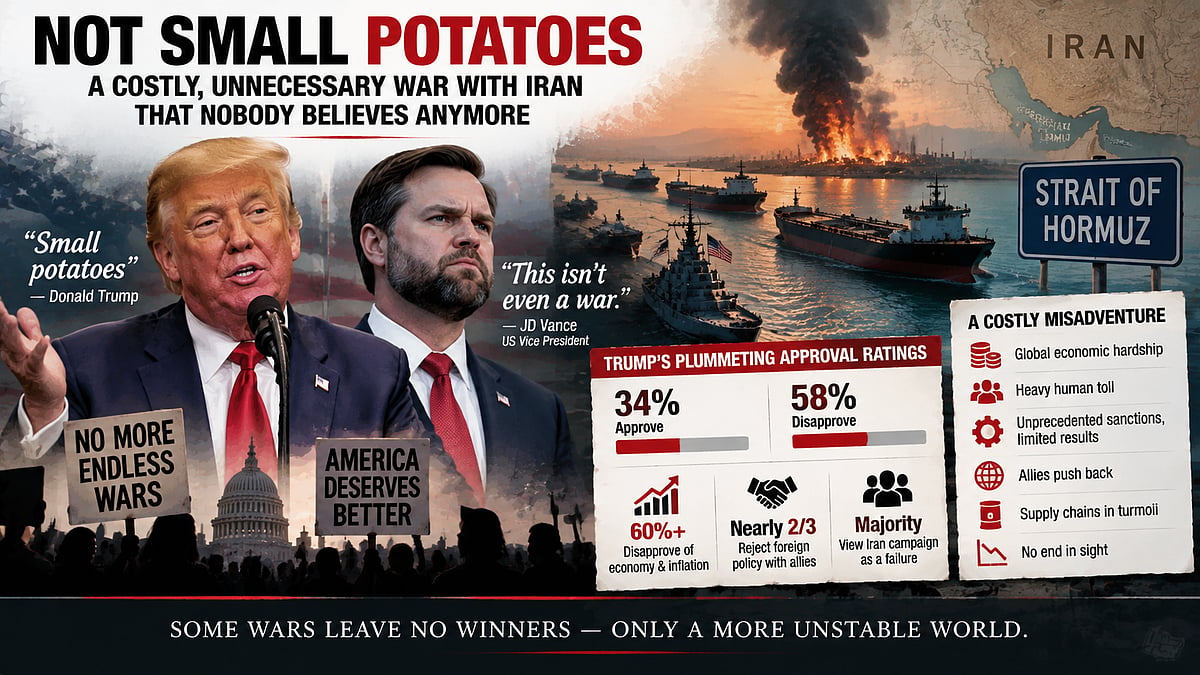
Trump’s Iran Campaign Draws Criticism Over Costs and Consequences

Iran’s Hormuz Leverage Wanes Under U.S. Economic Pressure
US Rejects Iran Claim of Vessel Strike Near Hormuz

OPEC Keeps Oil Quotas Unchanged Amid Middle East War