1 week ago
US Plans Toughest Iran Sanctions, Urges China Cooperation

The United States says it will put very strong economic restrictions on Iran.
Treasury Secretary Scott Bessent said the restrictions are meant to pressure Iran’s government.
He suggested this could reduce the need for more major fighting.
President Donald Trump warned that countries helping Iran could also be punished.
China said sanctions would not solve the problem and called for talks instead.
Iran called the planned sanctions “economic terrorism” and said they could hurt its people and independence.
China buys most of Iran’s shipped oil, so the measures could affect trade between China and Iran.
Oil prices rose because the conflict has made shipping through the Strait of Hormuz more uncertain.

Treasury Secretary Scott Bessent said the United States will impose its toughest-ever sanctions on Iran.
President Donald Trump warned countries and entities providing Iran with a lifeline could face major economic consequences.
Bessent said sanctions and an existing blockade could reduce the need for renewed large-scale military action.
China opposed additional pressure and urged the parties to pursue political and diplomatic solutions.
Oil prices rose above a three-week high amid uncertainty over the conflict and disrupted Strait of Hormuz shipping.
- Who
- The United States, represented by Donald Trump and Scott Bessent, is threatening new sanctions on Iran; China and Iran oppose the pressure.
- What
- Washington says it will impose “the toughest sanctions in history” on Iran and may penalize countries or entities that provide Iran with support.
- Where
- The dispute concerns Iran, China, the Gulf region and shipping through the Strait of Hormuz; statements were made in Washington and in media interviews.
- When
- Trump issued his warning on Wednesday, and Bessent announced the sanctions on Thursday; further details were promised at a Monday press conference. One report was published on August 21, 2026.
- Why
- The United States says economic pressure is intended to force an end to the conflict, weaken Iran’s government and potentially avoid renewed large-scale military operations.
US Position
Iranian and Chinese Objections
Effectiveness of sanctions
US Position
Bessent said maximum economic pressure, combined with the blockade, would work in Iran, collapse the regime and potentially reduce the need for a large-scale military operation.
Iranian and Chinese Objections
China said sanctions and pressure would not resolve the issue, while Iran argued that previous U.S. sanctions policies had failed.
Impact of economic pressure
US Position
The United States presents sanctions as a way to pressure Iran and end the conflict without restarting major military operations.
Iranian and Chinese Objections
Iran called the measures economic terrorism, saying they threatened ordinary Iranians, national sovereignty and the global economy.
China’s role
US Position
Bessent urged China to cooperate, arguing that reopening the Strait of Hormuz and lowering energy prices would benefit China because it receives a substantial share of its energy from the Gulf.
Iranian and Chinese Objections
China called for diplomatic negotiations, while the reports noted that targeting Chinese trade with Iran could risk retaliation against Washington.
Regional de-escalation
US Position
The United States has linked economic pressure and the reopening of the Strait of Hormuz to resolving the conflict.
Iranian and Chinese Objections
Oman’s foreign minister said lasting security in the strait required permanent regional peace and rejected further escalation.
Key facts
- Sanctions plan
- Scott Bessent said Washington would impose “the toughest sanctions in history” on Iran.
- Trump’s warning
- Trump said countries whose financial institutions, businesses, airports or government entities provide Iran with a lifeline could face “tremendous Economic Consequences.”
- Bessent’s timeline
- Bessent said he would explain the sanctions package at a press conference on Monday.
- China’s position
- China’s embassy in Washington said sanctions and pressure would not resolve the issue and called for political and diplomatic action.
- Iran’s response
- Iranian Foreign Minister Abbas Araqchi described the U.S. measures as “economic terrorism” and criticized Washington’s sanctions policies.
- Oil trade
- China buys more than 80% of Iran’s shipped oil, according to 2025 data from analytics firm Kpler.
- Market reaction
- Oil prices rose to more than a three-week high after the U.S. threats.
- Strait of Hormuz
- The waterway carried about one-fifth of traded oil before February, while shipping was disrupted during the conflict.
Quotes

Scott Bessent
U.S. Treasury Secretary
“Any country that allows its financial institutions, businesses, airports, or government entities to provide any type of lifeline to Iran will itself face TREMENDOUS Economic Consequences.”
 NDTV
NDTV
“"If we are doing the maximum economic pressure, then that means that likely there will not be a large‑scale kinetic restart."”
 theprint.in
Iran’s Foreign Minister Abbas Araqchi
Iranian Foreign Minister
“"America’s economic terrorism threatens the global economy and the national sovereignty of countries around the world."”
theprint.in
“sanctions and pressure do not help resolve the problem.”
NDTV
Sources

Related news
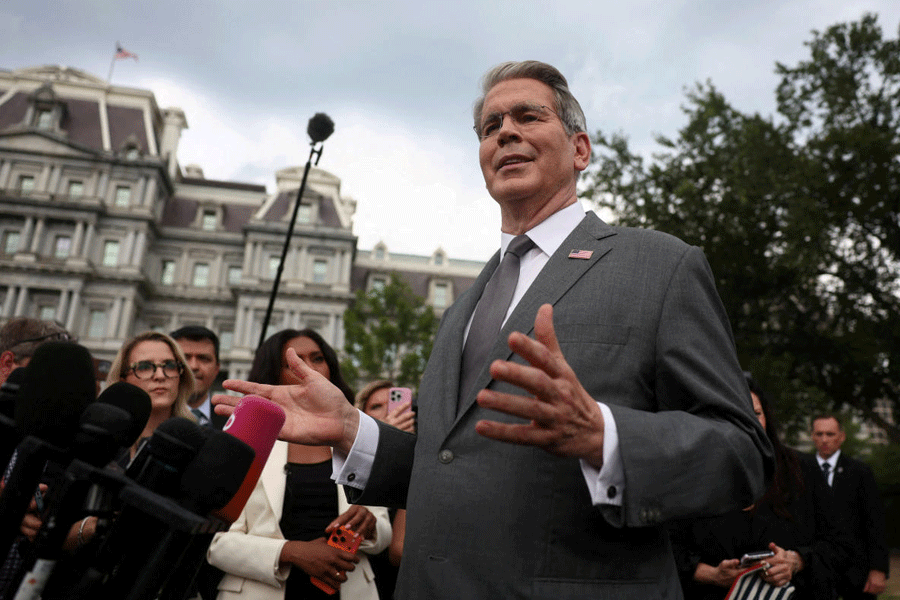
US Vows Toughest Sanctions Yet as Iran Conflict Escalates
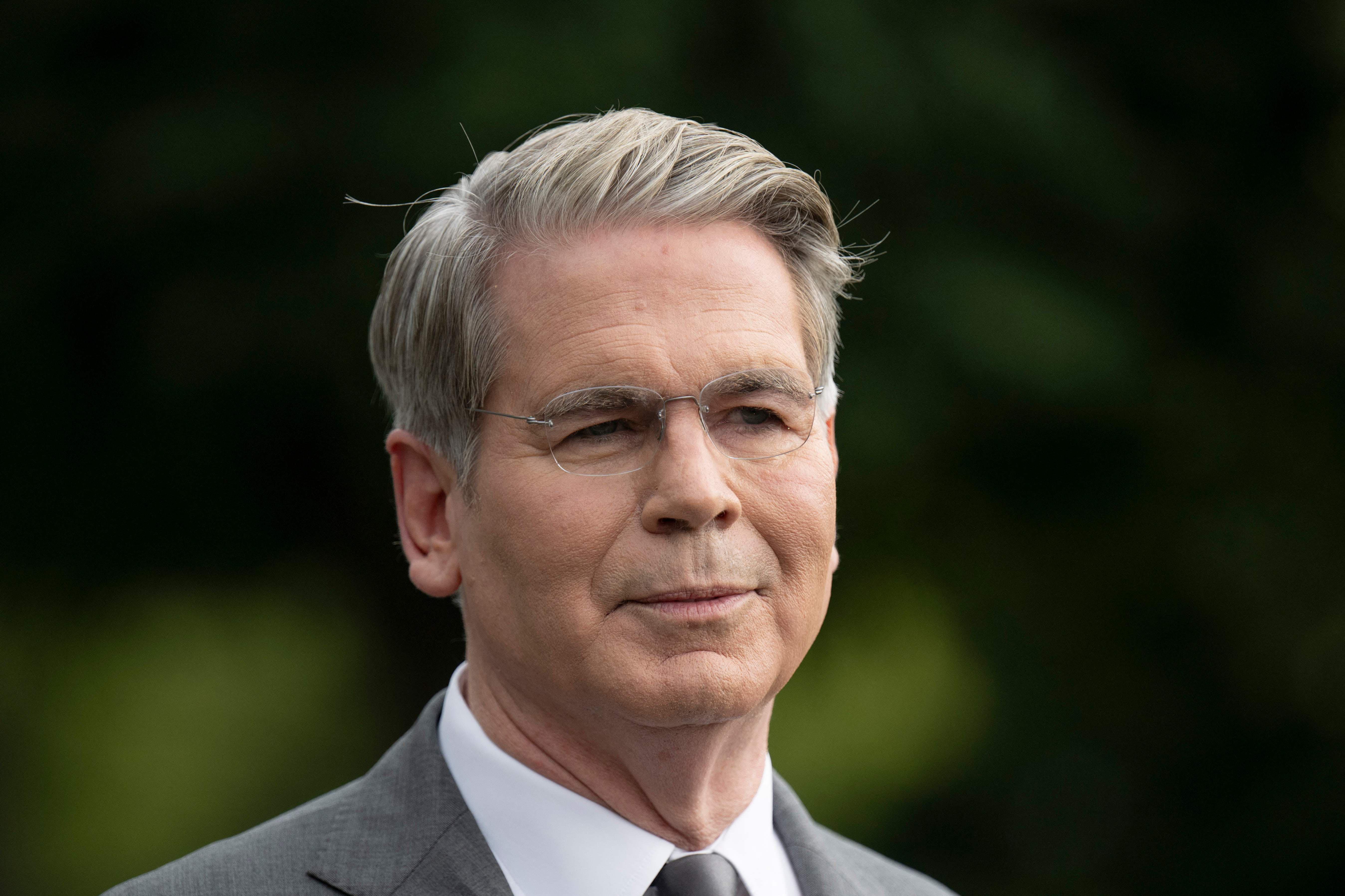
US Threatens Toughest Sanctions Yet as Iran Condemns Economic Warfare

Iran Vows Devastating Response to US Toughest-Ever Sanctions
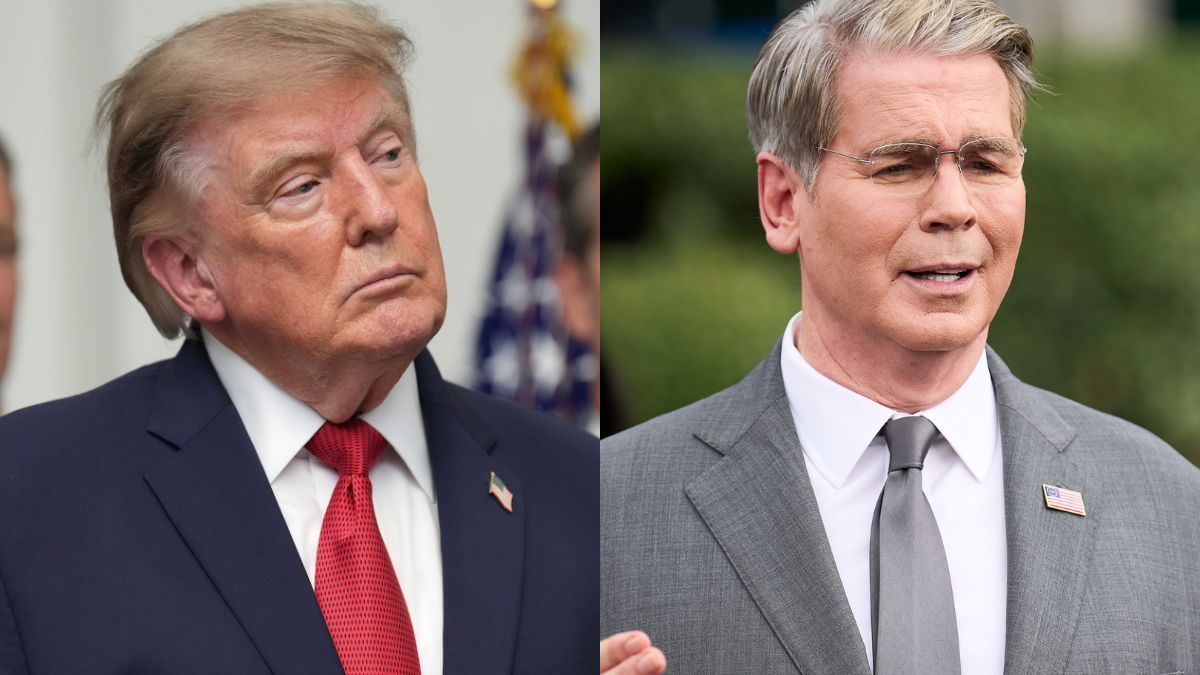
US Plans 'Economic D-Day' Sanctions Campaign Against Iran
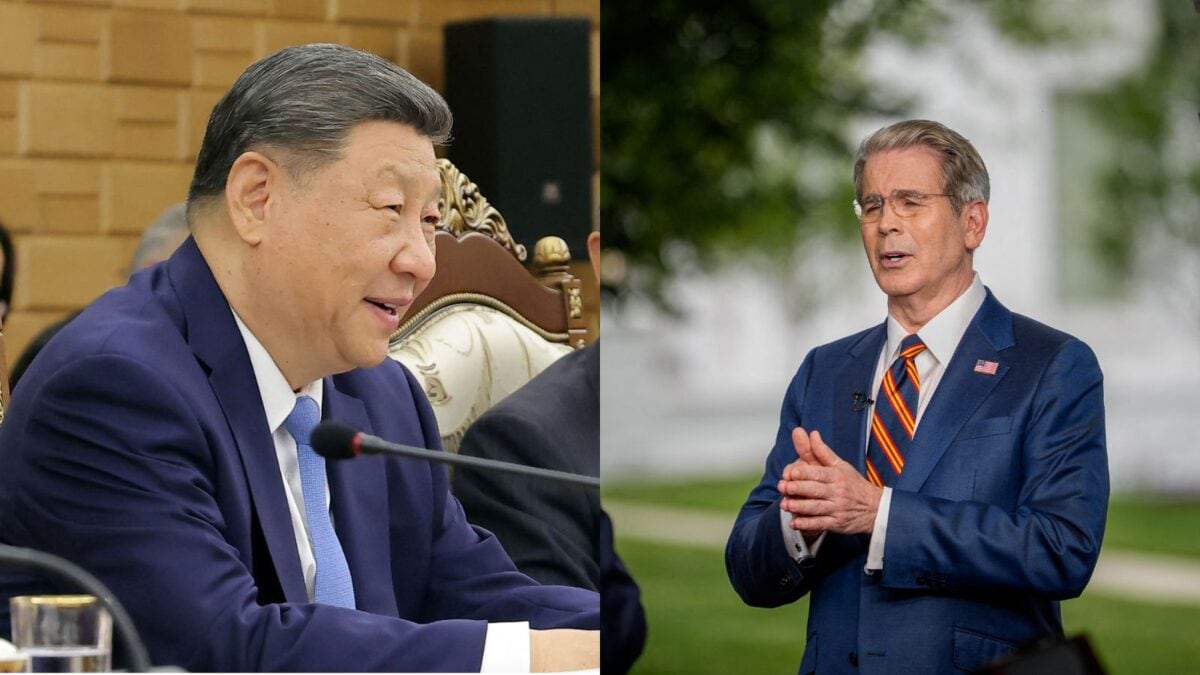
Trump Seeks China’s Help for Crushing Economic Pressure on Iran
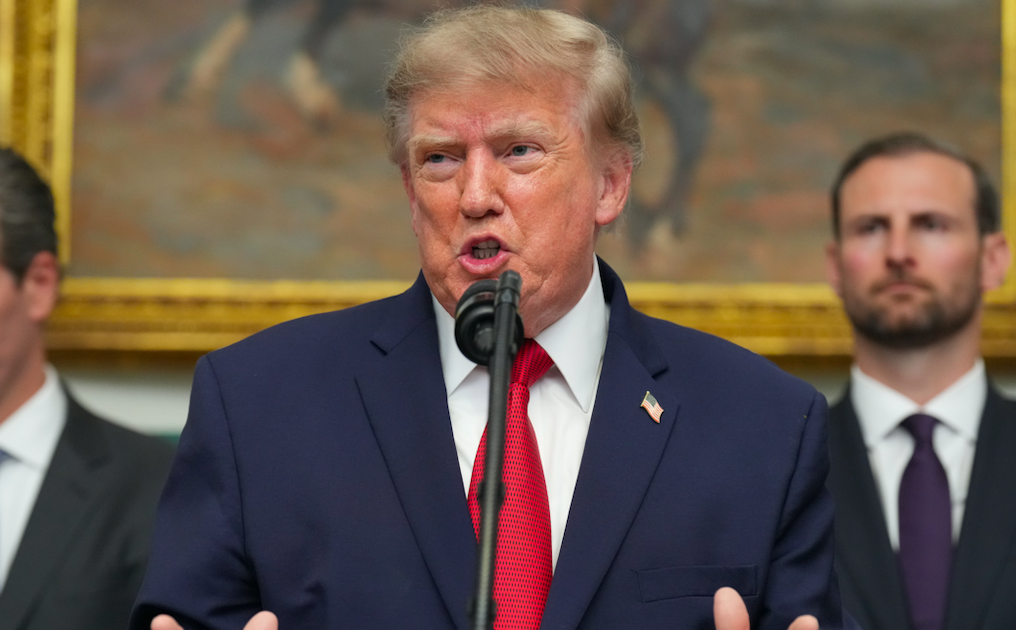
US Seeks Allies’ Support for Economic War on Iran

Saudi Arabia Says Iranian Tanker Attack Killed Two Sailors
U.S.-Iran Exchange Escalates Across Middle East, Markets Slide
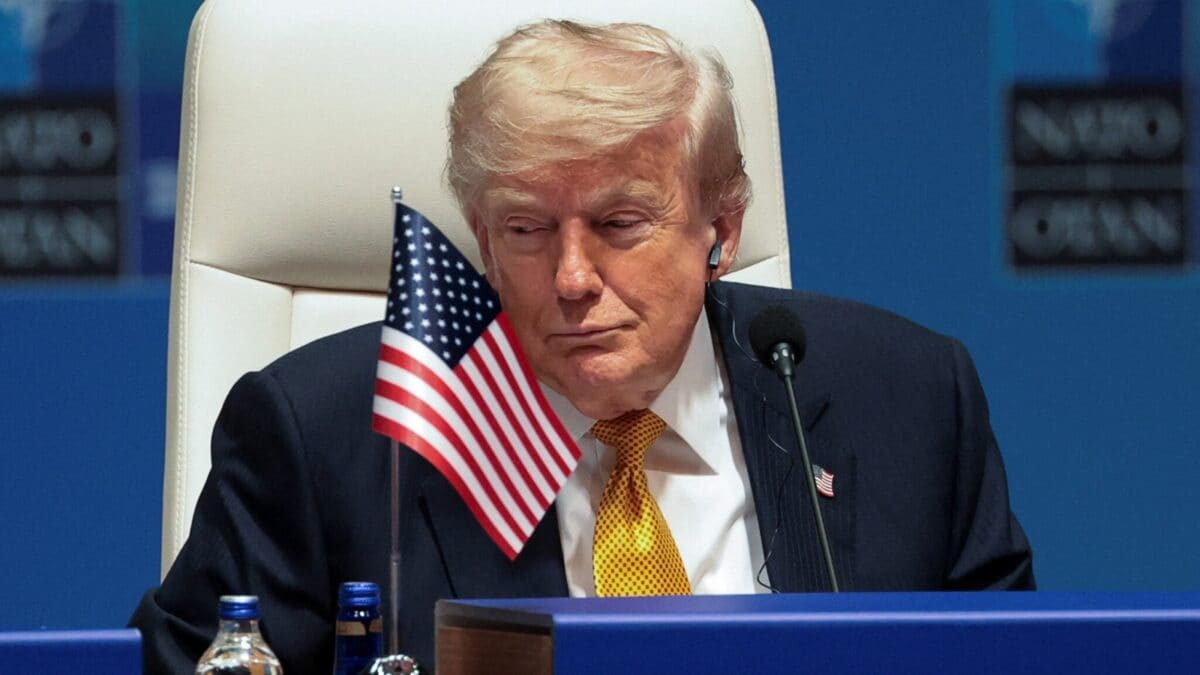
Trump Aides Seek Quiet Iran War Before Midterm Elections
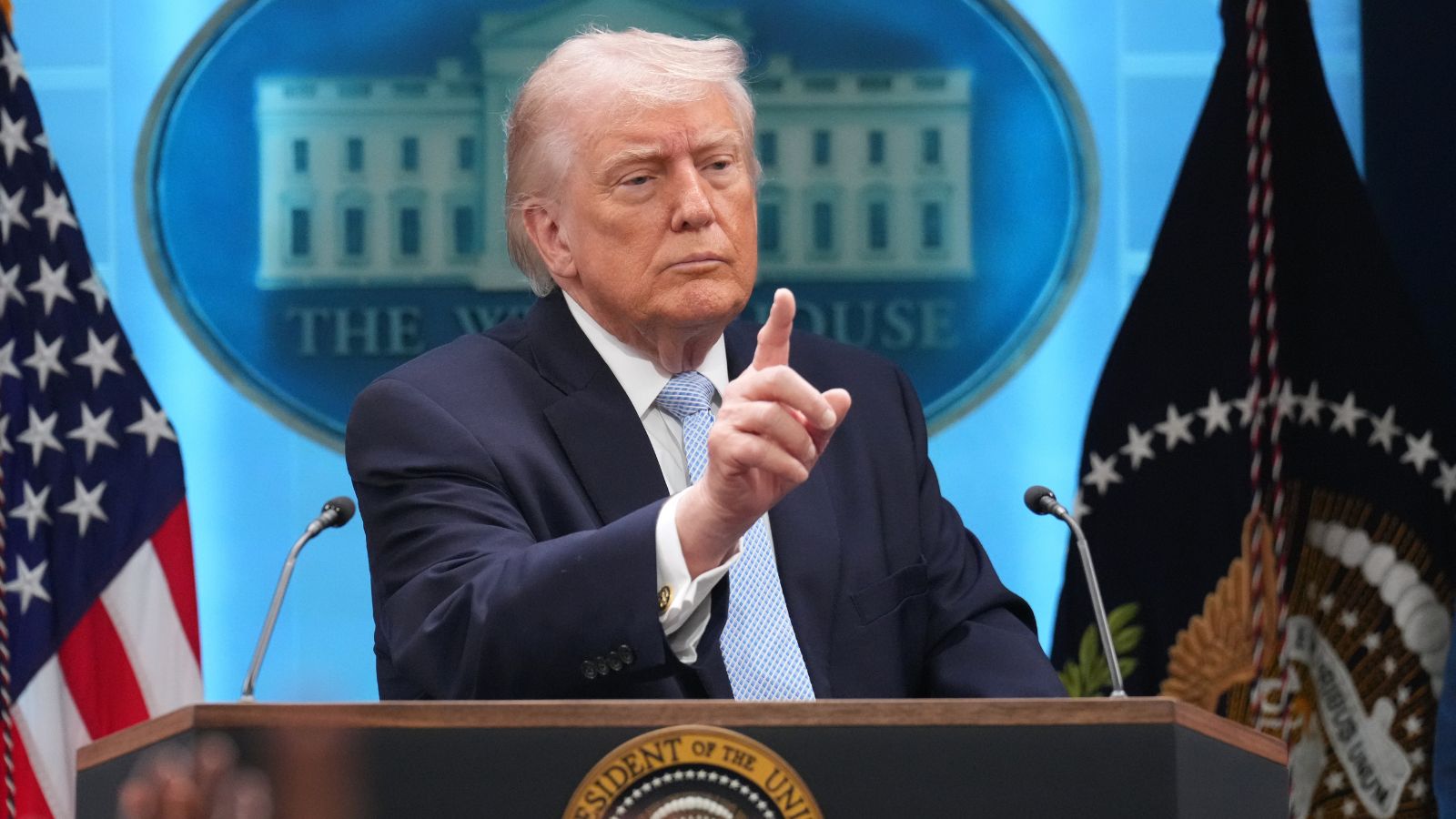
US Warns Middle East Travelers Amid Escalating Iran-Linked Tensions
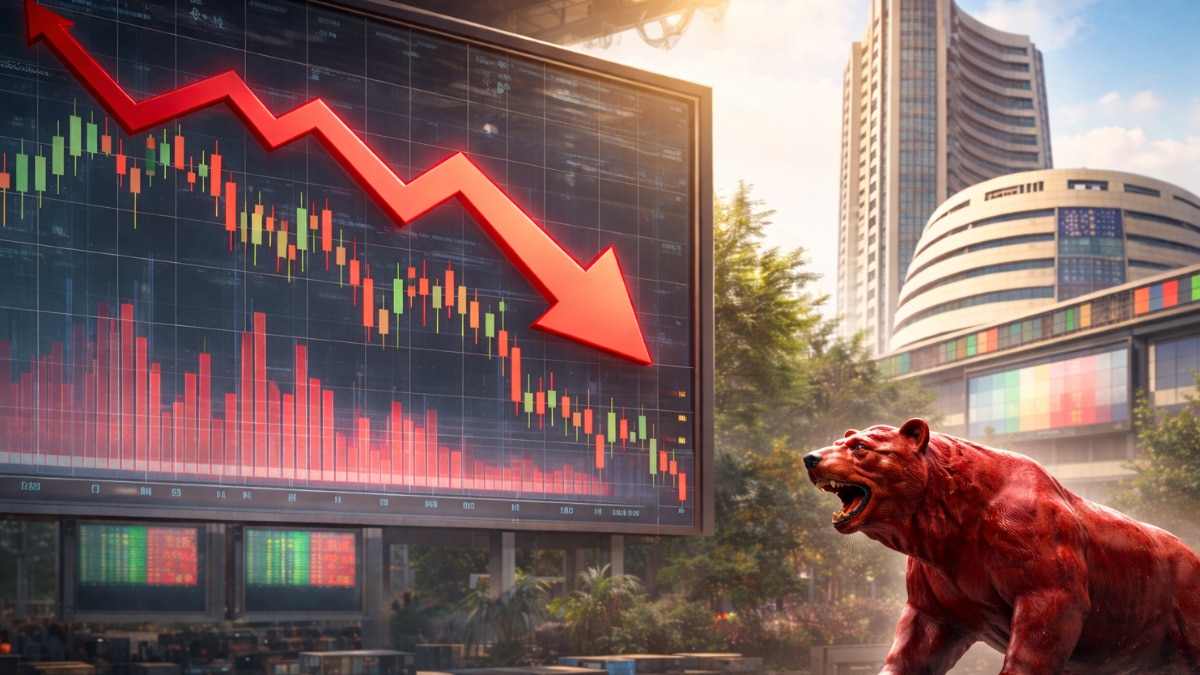
Indian Stocks Slide as Oil, Conflict and Yields Rise