6 hrs ago
OPEC Keeps Oil Quotas Unchanged Amid Middle East War

OPEC and its allies decided not to change their oil production targets for October.
The decision was made by a group of seven countries led by Saudi Arabia and Russia.
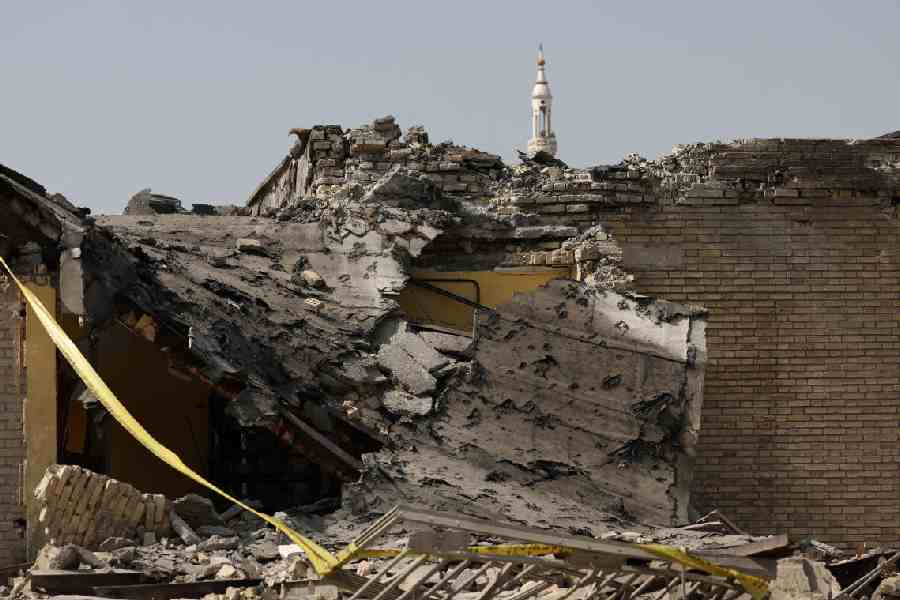
A war involving the United States and Iran has disrupted oil shipments in the Middle East.
The Strait of Hormuz, an important shipping route, has been especially affected.
Some countries are using pipelines and other methods to keep oil moving.
This means OPEC’s official targets do not fully match the amount of oil being physically exported right now.
OPEC will next study how much oil each member can actually produce.
That study will help determine production limits for 2027.

A seven-country OPEC+ subgroup led by Saudi Arabia and Russia will keep October production targets unchanged.
The decision follows earlier symbolic quota increases and a roadmap to hold targets flat through year-end.
Disruptions in the Strait of Hormuz have sharply reduced oil exports from Persian Gulf countries during the US-Iran conflict.
Analysts say OPEC’s quota changes are currently affecting paper targets more than actual physical oil flows.
OPEC plans to audit members’ production capacity for use in setting 2027 limits, with ministers expected to discuss the results in November.
- Who
- A seven-country OPEC+ subgroup led by Saudi Arabia and Russia.
- What
- The subgroup decided to keep oil production quotas unchanged for October.
- Where
- The decision concerns OPEC+ members, while related oil-flow disruptions are affecting the Middle East and Strait of Hormuz.
- When
- The decision was made during a Sunday video conference; the next monthly meeting is scheduled for October 4.
- Why
- The decision follows OPEC’s roadmap to keep targets flat through the end of the year, while the war has disrupted actual exports.
Key facts
- October quota decision
- Oil production targets will remain unchanged.
- Decision-making group
- A subgroup of seven countries led by Saudi Arabia and Russia.
- Output disruption
- The conflict has severely reduced oil exports through the Strait of Hormuz.
- Alternative transport
- Some Persian Gulf countries are using pipeline routes and shuttle runs to maintain flows.
- Next subgroup meeting
- October 4.
- Production-capacity audit
- An audit is due at the end of the month to help set members’ 2027 production limits.
- Ministerial discussion
- The full alliance is expected to consider the audit in late November.
Quotes
Jorge Leon
Head of geopolitical analysis at Rystad Energy and former OPEC secretariat staff member
“For now, OPEC is moving barrels on paper rather than in the physical market. The real impact will come if and when Hormuz fully reopens, when the group may suddenly shift from managing constrained exports to confronting a mounting surplus.”
 livemint.com
“The focus now shifts away from monthly production adjustments and towards the much more consequential debate over 2027. That exercise is likely to be far more difficult, and politically sensitive.”
livemint.com
Sources
Related news

Oil Prices Extend Losses as Hormuz Talks Raise Supply Hopes

Brent crude crosses $90 as US-Iran conflict prolongs
Oil Surges Above $90 as Hormuz Risks Intensify

Oil Prices Rise Fourth Day as Hormuz Fears Grow
Iran, Oman Close to Hormuz Shipping Deal; Aramco Fire Extinguished

US says Hormuz oil flows higher than tracked
Trump’s Iran Campaign Draws Criticism Over Costs and Consequences

US Confidence in Iran War Tied to China Oil Angle

Iran’s Hormuz Leverage Wanes Under U.S. Economic Pressure
US Rejects Iran Claim of Vessel Strike Near Hormuz