1 week ago
U.S. and Iran Trade Threats Ahead of New Sanctions
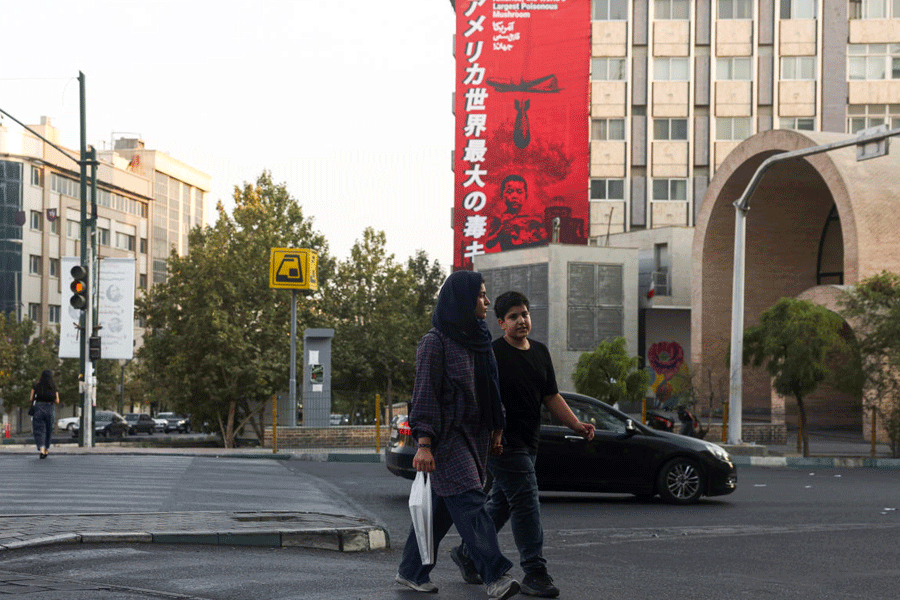
The United States plans to announce very tough new economic penalties against Iran.
Iran says these penalties wrongly affect independent countries and are not supported by international law.
The United States is also asking China to help enforce the pressure.
China buys most of the Iranian oil that is shipped and has called for diplomacy instead.
The war is almost six months old, but the United States and Iran are not currently fighting each other directly or holding peace talks.
Very few ships are traveling through the Strait of Hormuz because Iran has threatened unauthorized oil tankers.
Iran still has missiles and drones, even though its economy and military forces have been badly damaged.
Some Iranian leaders have threatened military action, while President Masoud Pezeshkian has urged a diplomatic solution.
Parliament speaker Mohammad Baqer Qalibaf said Iran needs economic activity and production to survive.

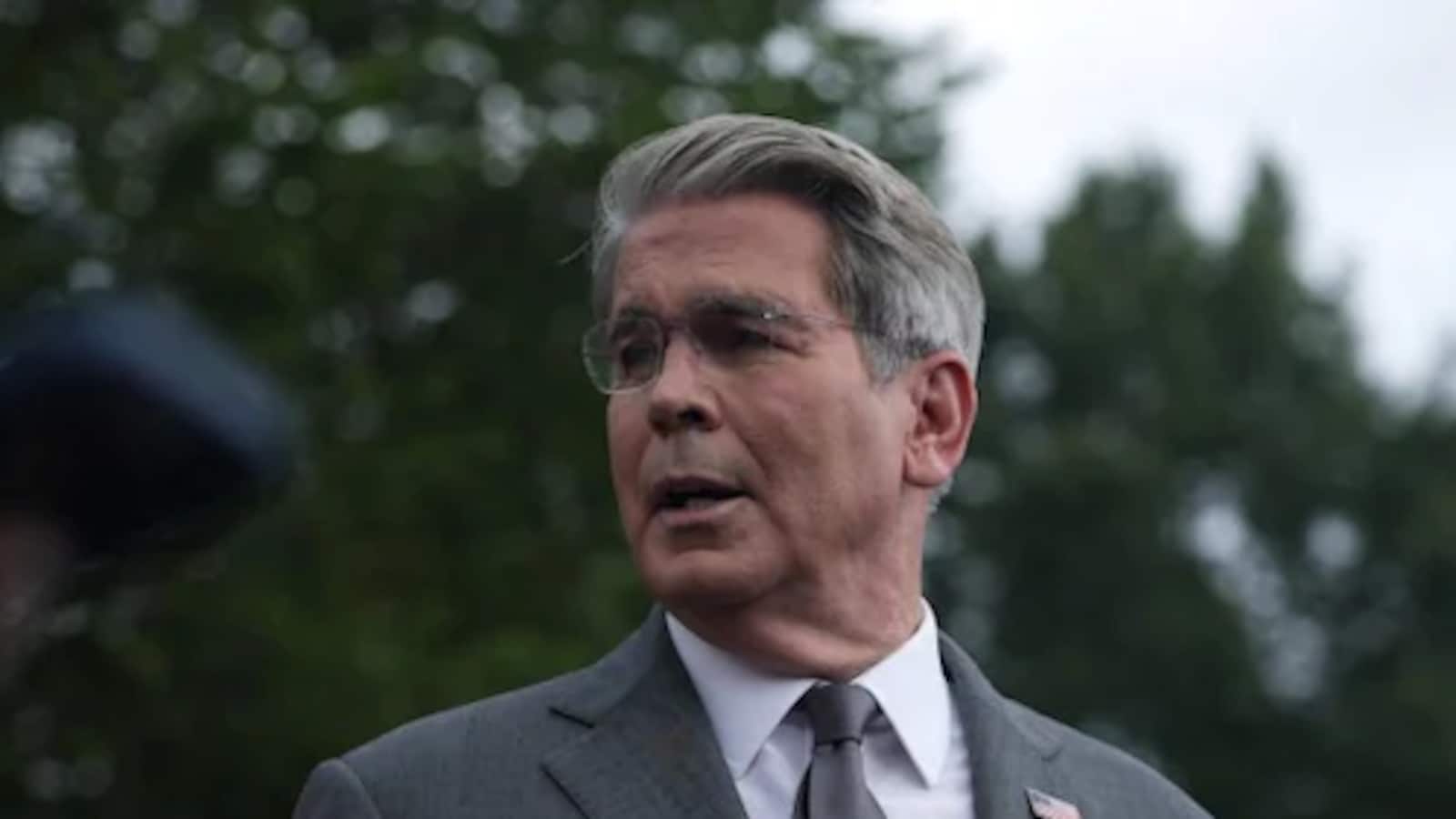
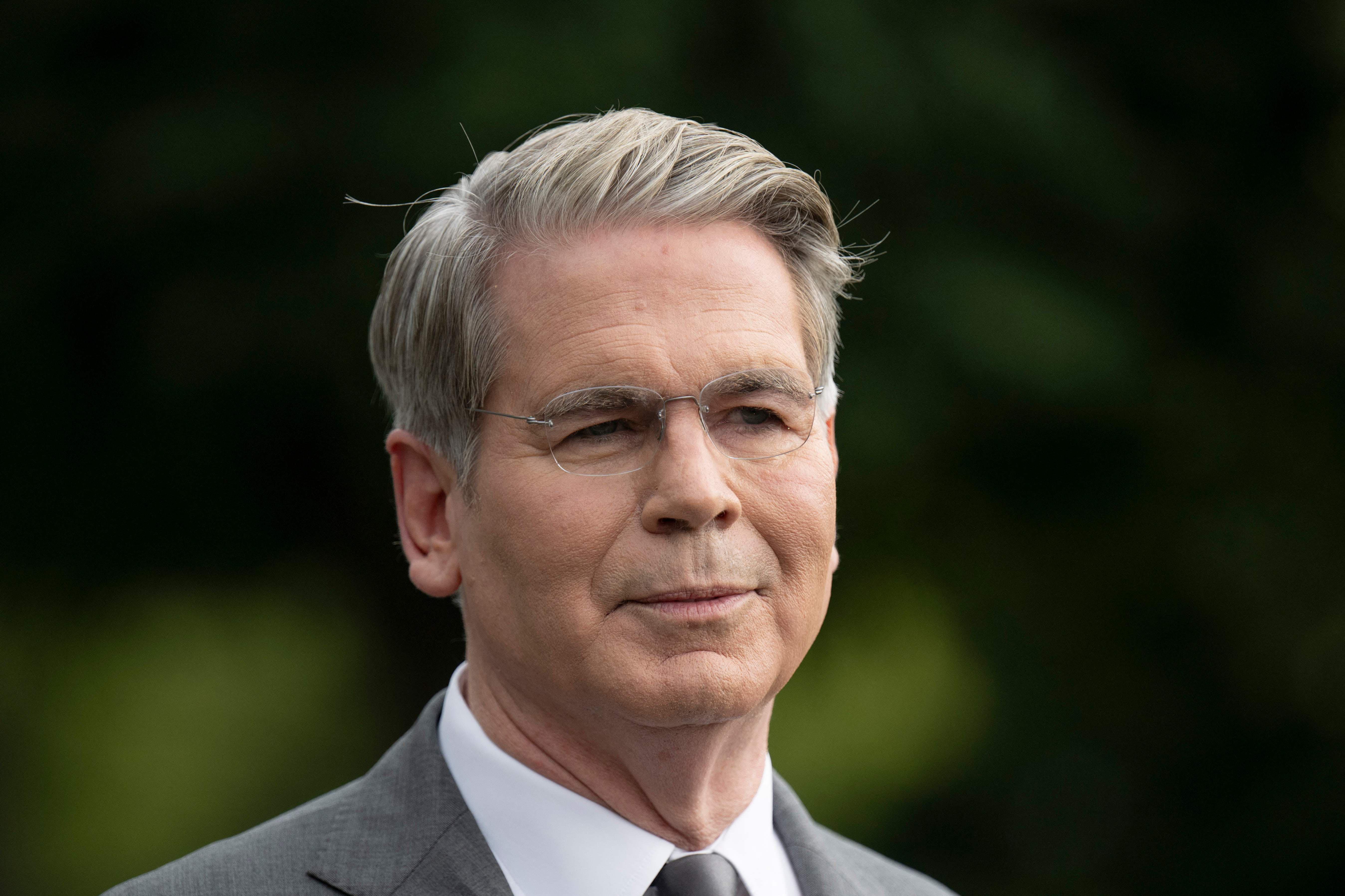
U.S. Treasury Secretary Scott Bessent is scheduled to announce new sanctions on Iran Monday.
Iran called the proposed secondary sanctions an unlawful assertion of authority over independent countries.
Washington urged China to cooperate, while Beijing called for diplomacy; China buys more than 80% of Iran’s shipped oil.
Only four commodity ships crossed the Strait of Hormuz Thursday, with oil traffic sharply below prewar levels.
Iranian officials combined military threats with calls for diplomacy and acknowledged the economic damage caused by the conflict.
- Who
- The United States, Iran, China, and officials including Scott Bessent, Donald Trump, Masoud Pezeshkian, and Mohammad Baqer Qalibaf.
- What
- The United States is preparing new sanctions against Iran amid hostile statements, disrupted oil shipping, and disagreement over diplomacy.
- Where
- The dispute involves the United States, Iran, China, and shipping through the Strait of Hormuz.
- When
- The report is dated August 22; the sanctions announcement is scheduled for Monday, as the war approaches six months.
- Why
- Washington says it wants Iran to make what Donald Trump calls the right deal, while Iran rejects the sanctions and both sides maintain economic and military pressure.
Iranian and diplomatic position
U.S. position
New sanctions
Iranian and diplomatic position
Iran says the sanctions are an extraterritorial assertion of sovereignty and improperly target independent countries.
U.S. position
The United States says it will impose potentially historic sanctions and wants China and other countries to cooperate.
Negotiations and the war
Iranian and diplomatic position
Masoud Pezeshkian called for a diplomatic solution, while Mohammad Baqer Qalibaf said Iran needs financial activity, economic growth, and national production to survive.
U.S. position
Donald Trump said Iran would like a deal but is not ready to make what he considers the right deal.
Military pressure and shipping
Iranian and diplomatic position
Ali Abdollahi threatened severe military responses, and Iran has threatened unauthorized oil tankers using the Strait of Hormuz.
U.S. position
The United States has blockaded Iranian vessels in their ports and says its military helped move oil through the strait while maintaining pressure on Iran.
Key facts
- Sanctions announcement
- Scott Bessent is scheduled to hold a press conference at 2 p.m. EDT, or 1800 GMT, on Monday.
- U.S. sanctions warning
- Washington has promised what it calls the toughest sanctions in history and warned countries against providing Iran with any type of lifeline.
- Iranian response
- Foreign Ministry spokesperson Esmaeil Baghaei said the proposed secondary sanctions have no foundation in international law.
- China’s role
- China buys more than 80% of Iran’s shipped oil, according to 2025 data from Kpler.
- Hormuz oil flow
- A seven-day average of 8 million barrels of oil per day was moving through the strait, down from more than 20 million before the war.
- Recent shipping
- Only four commodity ships crossed the Strait of Hormuz on Thursday; none were large crude carriers or liquefied natural gas tankers.
- Reported casualties
- The United States reported more than 750 military personnel wounded and 18 killed; thousands were reported killed overall, including 168 Iranian schoolchildren on the war’s first day.
Quotes

Masoud Pezeshkian
President of Iran
“It would be better to end the war today, when we are powerful and have dignity, and the whole world acknowledges our victory and emphasizes that America, contrary to all regulations, attacked our schools, hospitals, and infrastructure and is hated in the world.”
 telegraphindia.com
 theprint.in
“They would love to make a deal, but they're not ready to make the right deal, in my opinion.”
telegraphindia.com
theprint.in
Sources
Related news
US Plans Toughest Iran Sanctions, Urges China Cooperation
US Threatens Toughest Sanctions Yet as Iran Condemns Economic Warfare

US-Iran Strikes Return Focus to Strait of Hormuz
Iran-Oman Hormuz Talks Resume as United States Sanctions Iran
Trump Seeks China’s Help for Crushing Economic Pressure on Iran

Iran Rejects Tougher US Sanctions as Hormuz Tensions Persist

Saudi Arabia Says Iranian Tanker Attack Killed Two Sailors
U.S.-Iran Exchange Escalates Across Middle East, Markets Slide
Trump Aides Seek Quiet Iran War Before Midterm Elections
US Warns Middle East Travelers Amid Escalating Iran-Linked Tensions

Indian Stocks Slide as Oil, Conflict and Yields Rise