2 weeks ago
US Prepares Unprecedented Economic Pressure Campaign Against Iran
Countries sometimes stop trading with other countries to show they disagree.
The United States is planning very strong new rules to squeeze Iran's economy.
The plan will make it very hard for Iran to sell oil and get money.
A narrow sea path called the Strait of Hormuz is important because oil ships travel through it.
The US is already blocking that path, so fewer ships pass by.
Iran sells most of its oil to China, which could become part of the problem.
The US might also punish other countries that keep trading with Iran.
But squeezing Iran could make oil more expensive for everyone in the world.
That is why some people worry the plan could hurt regular people too.

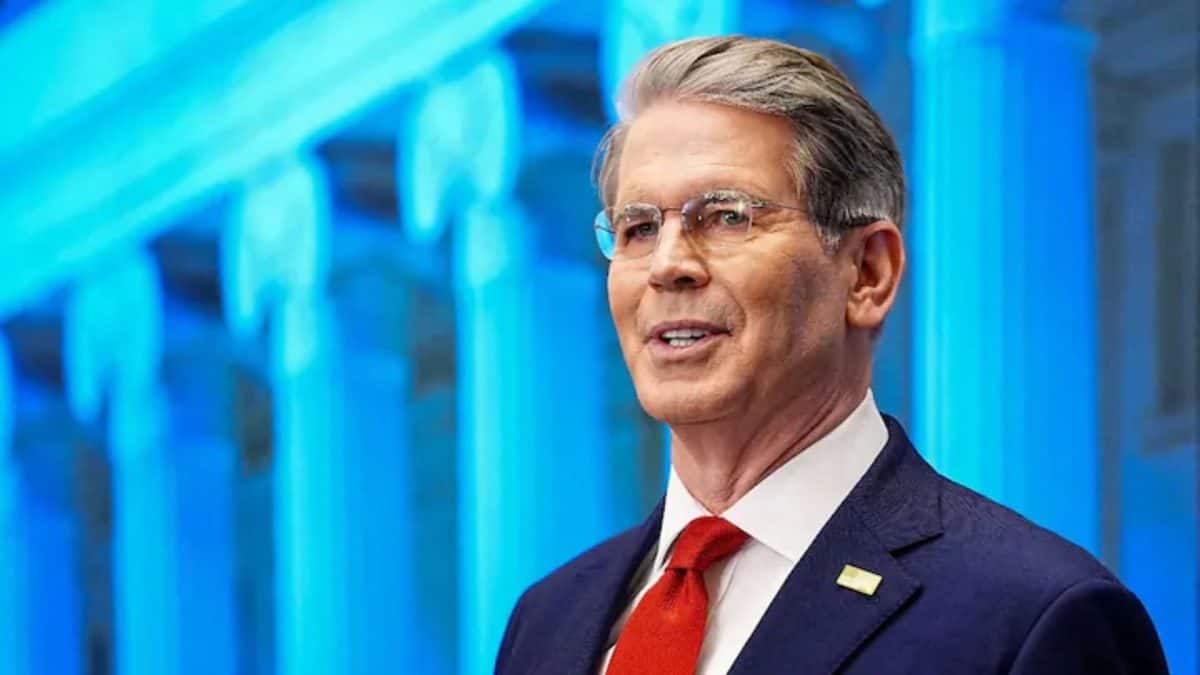
Treasury Secretary Scott Bessent said Washington will announce measures next week that have 'never been seen' in the history of economic isolation.
The strategy would combine sweeping economic isolation with the continued US blockade of the Strait of Hormuz.
Ship traffic through the Strait of Hormuz has fallen dramatically since the war began, with no crude-oil shipments visible on Friday.
More than 90% of Iran's oil exports go to China, making Chinese buyers and financial institutions a key potential pressure point.
The waterway carried roughly one-fifth of global oil and liquefied natural gas flows before the war, so prolonged disruption could tighten global energy supplies.
- Who
- US Treasury Secretary Scott Bessent and the Trump administration are preparing the campaign; Iran and its trade partners, notably China, would be affected.
- What
- Washington is preparing an unprecedented economic pressure campaign against Iran combining sanctions, financial restrictions, tighter shipping and trade controls, and a continued blockade of the Strait of Hormuz.
- Where
- Washington, the Strait of Hormuz, Iran, and countries trading with Tehran including China.
- When
- The measures are to be announced next week; recent figures on shipping and oil prices were reported on Friday.
- Why
- To cut off Iran's primary source of hard currency, reduce its ability to finance military operations, and increase pressure on Tehran to negotiate.
Supporters of maximum economic pressure
Critics warning of global fallout
Aggressive isolation vs. global economic risk
Supporters of maximum economic pressure
A tough economic squeeze could cut off Iran's hard currency, weaken its ability to finance military operations, and push Tehran to negotiate.
Critics warning of global fallout
Restricting Iranian exports and disrupting shipping through Hormuz could tighten global energy supplies, raise oil prices, and feed inflation and household fuel costs.
Targeting Chinese buyers and banks
Supporters of maximum economic pressure
Since more than 90% of Iran's oil goes to China, targeting Chinese buyers and financial institutions is a crucial pressure point.
Critics warning of global fallout
Aggressively targeting Chinese banks could create new US-China tension and collide with the administration's broader China policy.
Effectiveness of the economic squeeze
Supporters of maximum economic pressure
New measures beyond traditional sanctions could make existing restrictions harder to evade and raise the cost of doing business with Iran.
Critics warning of global fallout
Iran has spent years developing alternative financial channels, so pressuring individual intermediaries may push transactions onto new routes rather than eliminate them.
Key facts
- Announced by
- Treasury Secretary Scott Bessent
- Timing of announcement
- Next week
- Iran oil exports going to China
- More than 90%
- Strait of Hormuz share of global oil and LNG flows (pre-war)
- About one-fifth
- Brent crude price (Friday)
- About $87 per barrel
- US crude price (Friday)
- About $81 per barrel
- Daily Strait crossings before the war
- More than 130 ships
- Core strategy elements
- Sanctions, secondary sanctions, financial restrictions, blockade of Iranian ports, controls on shipping and trade
Quotes
Treasury Secretary Scott Bessent
US Treasury Secretary
“"The strategy would combine sweeping economic isolation with the continued US blockade of the Strait of Hormuz, potentially cutting Iran off from a crucial channel for exports and imports."”
 firstpost.com
Bloomberg quoted Economics analyst Chris Kennedy
Economics analyst for Bloomberg
“"Unless the president decides to prioritise addressing the Iran threat over all other issues, and namely China, it’s unlikely any action they take is going to materially change Iran’s calculus."”
firstpost.com
Sources
Related news
Economic front dominates US-Iran war as sanctions squeeze Tehran

Trump Threatens Economic D-Day Against Iran and Its Partners
US Expands Iran Sanctions, Threatening Partners With Dollar Cutoff

US Threatens Toughest Sanctions Yet as Iran Condemns Economic Warfare
Trump Unveils Iran Sanctions, Threatening Global Economic Ties

U.S. Plans Broader Iran Sanctions Amid Escalating Economic Conflict

Trump Floats Renaming Strait of Hormuz as ‘Trump Strait’

Chevron Plans $7 Billion Venezuela Expansion Amid U.S. Oil Push
Saudi Arabia Says Iranian Tanker Attack Killed Two Sailors
U.S.-Iran Exchange Escalates Across Middle East, Markets Slide
Trump Aides Seek Quiet Iran War Before Midterm Elections