5 hrs ago
Iran’s Hormuz Leverage Wanes Under U.S. Economic Pressure

The United States is trying to pressure Iran by restricting its oil sales, money and trade.
The United States is also using a naval blockade.
Iran has threatened or disrupted shipping near the Strait of Hormuz.
But Iran has not completely closed the strait.
Global energy markets have adjusted, so the disruption has not caused the huge shock Iran expected.
Iran’s economy is suffering from higher prices, weaker trade and concerns about shortages.
Some officials think this pressure could lead to protests or political disagreements in Iran.
Other experts say Iran’s leaders may tolerate the pain and continue resisting.
Mediators are discussing a possible agreement, including how ships might pass through the strait.

U.S. sanctions and a naval blockade are reducing Iran’s oil revenues, foreign-currency access and ability to import goods.
Iran has disrupted shipping through the Strait of Hormuz but has not fully closed the waterway or caused the global economic shock it expected.
Energy markets and alternative supplies have limited the wider impact of the shipping disruptions, according to the report.
Iranian sources say shortages, rising prices and weaker household incomes are increasing pressure and could fuel unrest.
Analysts disagree over whether Iran will compromise, with some citing economic strain and others emphasizing the Revolutionary Guards’ resilience and willingness to escalate.
- Who
- The United States, Iran, Iranian officials and analysts, regional sources, and mediators are involved.
- What
- The United States is applying sanctions and a naval blockade against Iran, while Iran retains pressure over shipping through the Strait of Hormuz.
- Where
- The dispute centers on Iran and the Strait of Hormuz, with the report datelined Istanbul.
- When
- The report was dated September 6 and described developments six months after a conflict that affected regional markets.
- Why
- Washington aims to pressure Tehran into concessions and freer passage through Hormuz; Iran seeks sanctions relief, access to frozen assets and recognition of its security role in the strait.
Economic Pressure Could Force Concessions
Iran Can Endure and Resist
Effectiveness of the squeeze
Economic Pressure Could Force Concessions
U.S., Israeli and regional officials argue that reduced oil revenues, restricted imports and financial isolation could weaken Iran’s leadership and trigger unrest.
Iran Can Endure and Resist
Skeptics argue that decades of failed efforts to destabilize Iran show that economic and military coercion may not produce a political rupture.
Iran’s Hormuz leverage
Economic Pressure Could Force Concessions
Analysts say Iran’s leverage has weakened because it has been unable to fully close the strait and has not caused the global economic shock it anticipated.
Iran Can Endure and Resist
Other analysts say Iran is deliberately calibrating its actions, keeping escalation in reserve and using the threat of further disruption as leverage.
Prospects for compromise
Economic Pressure Could Force Concessions
A deal that reopens the strait and resolves the dispute over shipping fees could allow both Washington and Tehran to claim success.
Iran Can Endure and Resist
Iran’s Revolutionary Guards and hardliners may believe the country can absorb the economic pain, maintain patriotic support and ultimately secure its demands without conceding.
Key facts
- Strategic waterway
- The Strait of Hormuz carries about one-fifth of global oil and liquefied natural gas supplies.
- U.S. pressure
- The campaign combines a naval blockade with what U.S. Treasury Secretary Scott Bessent called the toughest sanctions in history.
- Impact on Iran
- The measures have restricted oil exports, foreign-currency access, imports and access to global financing networks.
- Iran’s demands
- Iran is seeking sanctions relief, access to frozen assets and recognition of its security role in Hormuz.
- Economic concerns
- Iran faces rising prices, weaker trade, pressure on household incomes and potential shortages of fuel and wheat.
- Possible compromise
- Former U.S. negotiator Dennis Ross suggested Iran could drop demands for shipping tolls while retaining fees for legitimate navigational, security or environmental services.
Quotes
Arash Azizi
Iranian analyst quoted on Iran’s weakening leverage over the Strait of Hormuz
““If you could announce that the Strait were reopened,” Ross said, “I think Trump would do a deal.””
 theprint.in
““The balance of power has tilted against Iran a bit,””
theprint.in

Scott Bessent
U.S. Treasury secretary describing the expected impact of the blockade and sanctions
““It is going to work in Iran and we are going to collapse this regime,””
theprint.in
Sources
Related news
Economic front dominates US-Iran war as sanctions squeeze Tehran
US Sanctions and Oil Blockade Deepen Iran’s Economic Crisis

Vance Calls Economic Pressure Effective as Iran Rejects Sanctions
US threatens indefinite blockade of Iran as Hormuz talks stall

Iran Rejects US Economic Pressure Amid Strait Tensions
Iran War Reaches Costly Stalemate as Trump Bets on Sanctions
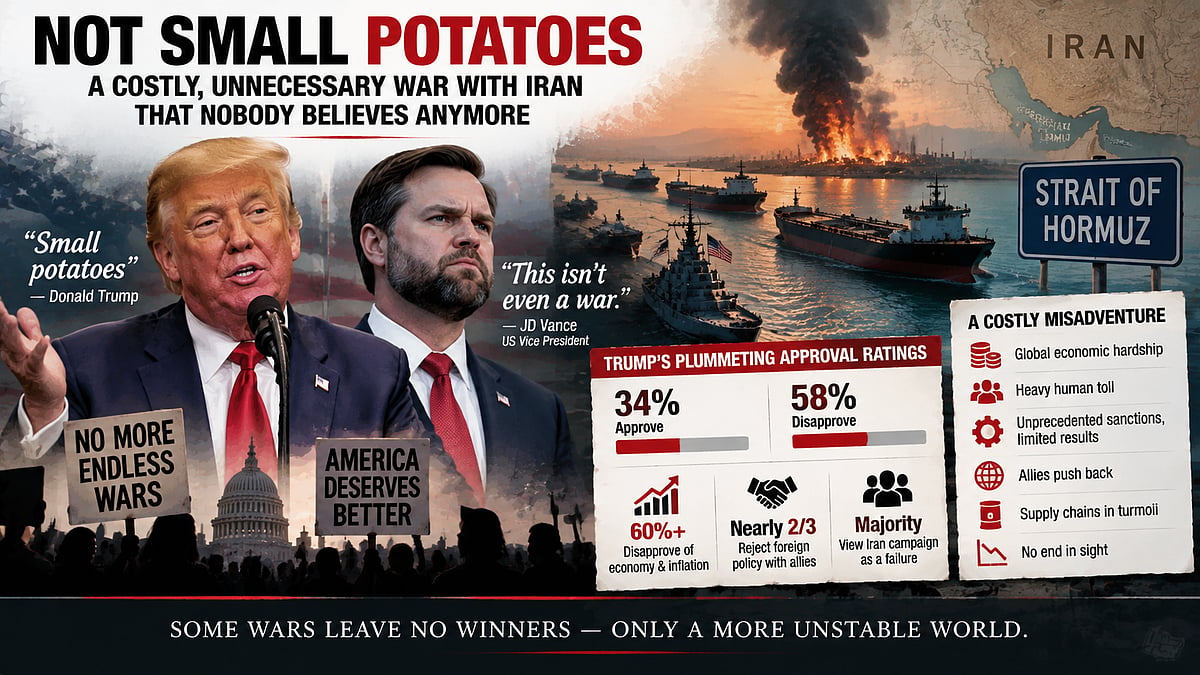
Trump’s Iran Campaign Draws Criticism Over Costs and Consequences

US Confidence in Iran War Tied to China Oil Angle
US Rejects Iran Claim of Vessel Strike Near Hormuz

OPEC Keeps Oil Quotas Unchanged Amid Middle East War