

6 hrs ago
Iran Promises Reforms, Threatens Harsher Response Amid Economic Squeeze
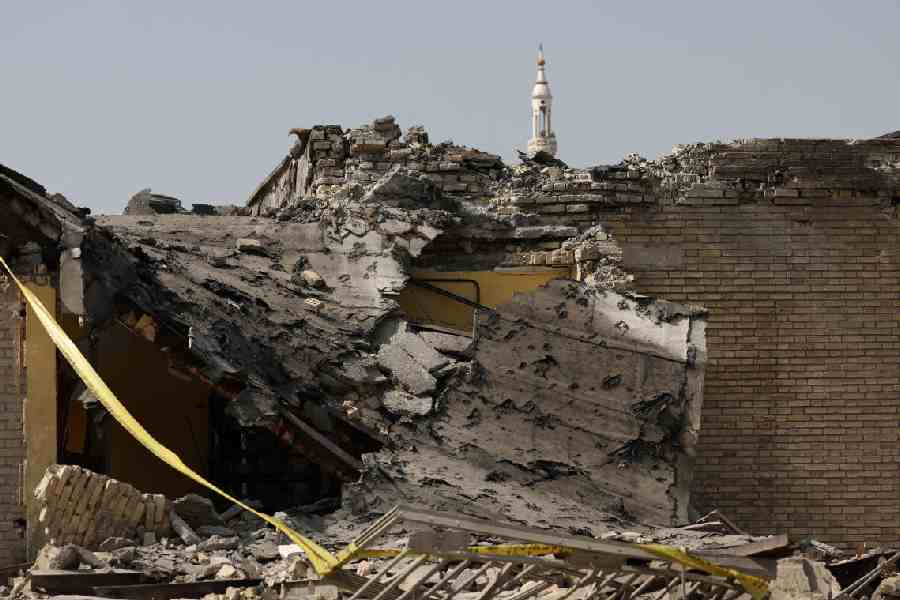
Iran and the United States have started attacking each other again after a pause in fighting.
The United States said Iran fired missiles at two American Navy ships.
The United States then said it struck three Iranian vessels.
Iran warned that any new attack would bring a stronger response.
Iranian officials also said sanctions and blocked oil exports are hurting the country’s economy.
They listed inflation, unemployment and currency problems as major challenges.
Iran says it will try to solve these problems through reforms led by its government and people.
Iran says Kharg Island has been attacked many times but is still working.
The two countries disagree about how much oil is moving through the Strait of Hormuz, and diplomatic efforts have made little progress.

Iranian Parliament Speaker Mohammad Baqer Qalibaf warned that future attacks would receive a faster, heavier and more painful response.
U.S. Central Command said it struck three Iranian vessels after the Islamic Revolutionary Guard Corps launched ballistic missiles at two U.S. Navy ships.
Iranian officials said sanctions, an oil blockade and economic mismanagement were worsening inflation, unemployment and currency instability.
Economy Minister Ali Madanizadeh said Iran would pursue domestic reforms rather than change course under U.S. pressure.
Iran said Kharg Island had been hit about 550 times but remained operational, while both sides issued competing claims about access through the Strait of Hormuz.
- Who
- Iranian officials, the Islamic Revolutionary Guard Corps, the United States and United States Central Command are involved.
- What
- Tit-for-tat attacks have resumed while Iran promises economic reforms and threatens a stronger military response.
- Where
- The incidents involved waters near Kharg Island, the Strait of Hormuz, neighboring countries and Erbil in northern Iraq.
- When
- The reported exchanges occurred on Saturday and Sunday, after a pause in military action described as lasting through much of July in one report and much of August in another.
- Why
- Iran cites retaliation and resistance to U.S. pressure, while the United States says its strikes followed missile launches against American Navy ships.
Iranian position
United States position
Responsibility for escalation
Iranian position
Iran says it is responding to attacks and warns that further strikes against its interests will trigger a stronger retaliation.
United States position
The United States says its strikes were a response to the Islamic Revolutionary Guard Corps launching ballistic missiles at two U.S. Navy ships.
Economic pressure
Iranian position
Iran says sanctions and efforts to block its oil exports are damaging its economy but will not force Tehran to change its decisions.
United States position
The United States is using sanctions and restrictions on oil exports to impose greater economic costs on Iran.
Maritime access
Iranian position
Iran has threatened ships using unauthorized waterways and says it has imposed a blockade on the Strait of Hormuz.
United States position
U.S. Energy Secretary Chris Wright said oil was still moving through the Strait and that U.S. naval operations were prevailing.
Key facts
- Iranian warning
- Mohammad Baqer Qalibaf said attacks against Iran’s interests or security would receive a faster, heavier and more painful response.
- U.S. military claim
- United States Central Command said it struck three Iranian vessels after ballistic missiles were launched at two U.S. Navy ships.
- Economic pressures
- Iranian officials cited sanctions, blocked oil exports, currency fluctuations, inflation, unemployment and market-management problems.
- Iranian response
- Economy Minister Ali Madanizadeh said Iran would address economic problems through reforms led by its government and people.
- Kharg Island
- Oil Minister Mohsen Paknejad said the export hub had been hit around 550 times in previous months but continued operating.
- Oil exports
- Iran exported 90% of its crude through Kharg Island before the war, according to the report.
- Strait of Hormuz
- Iran said it had imposed a blockade, while U.S. Energy Secretary Chris Wright said transits were averaging more than 9 million barrels per day.
Quotes

Mohammad Baqer Qalibaf
Speaker of Iran’s Parliament
“They speak of economic pressure and isolation, of breaking off financial ties and they think that by pressuring the economy of a country they can change the decisions of its people”
 telegraphindia.com
 theprint.in
“From now on, any attack against Iran’s interests and security will receive a faster, heavier and more painful response,””
telegraphindia.com
theprint.in
Chris Wright
U.S. Energy Secretary
“Our transits through the Strait are averaging over 9 million barrels a day now, and with the access pipelines that go around the Strait, we're probably two thirds or more of pre-conflict flows. So Iranians are still causing trouble, but the United States Navy is winning that battle”
telegraphindia.com
“Let the message to the IRGC be clear: If you shoot at two of our ships, we will impose an even higher economic cost — taking out three of yours”
theprint.in
Sources
Related news

Iran Vows Devastating Response to US Toughest-Ever Sanctions

Trump vows forceful response after Iran strikes US bases
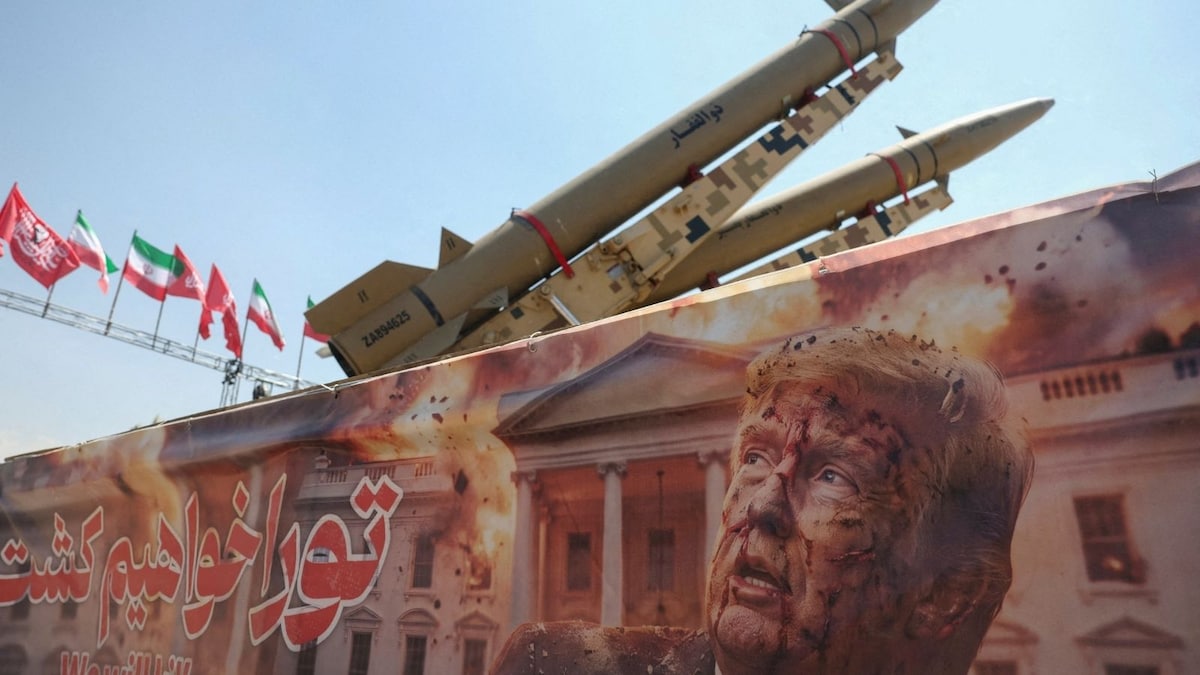
Iran Economy Strained as US Sanctions Intensify During War
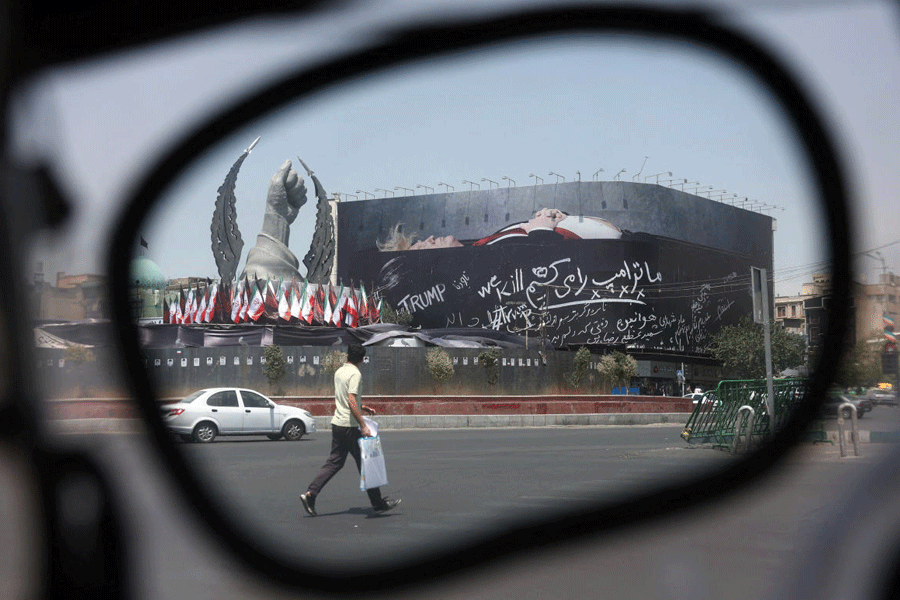
U.S. Threatens Iran With Economic D-Day, Tehran Vows Oil Halt
US Sanctions and Oil Blockade Deepen Iran’s Economic Crisis
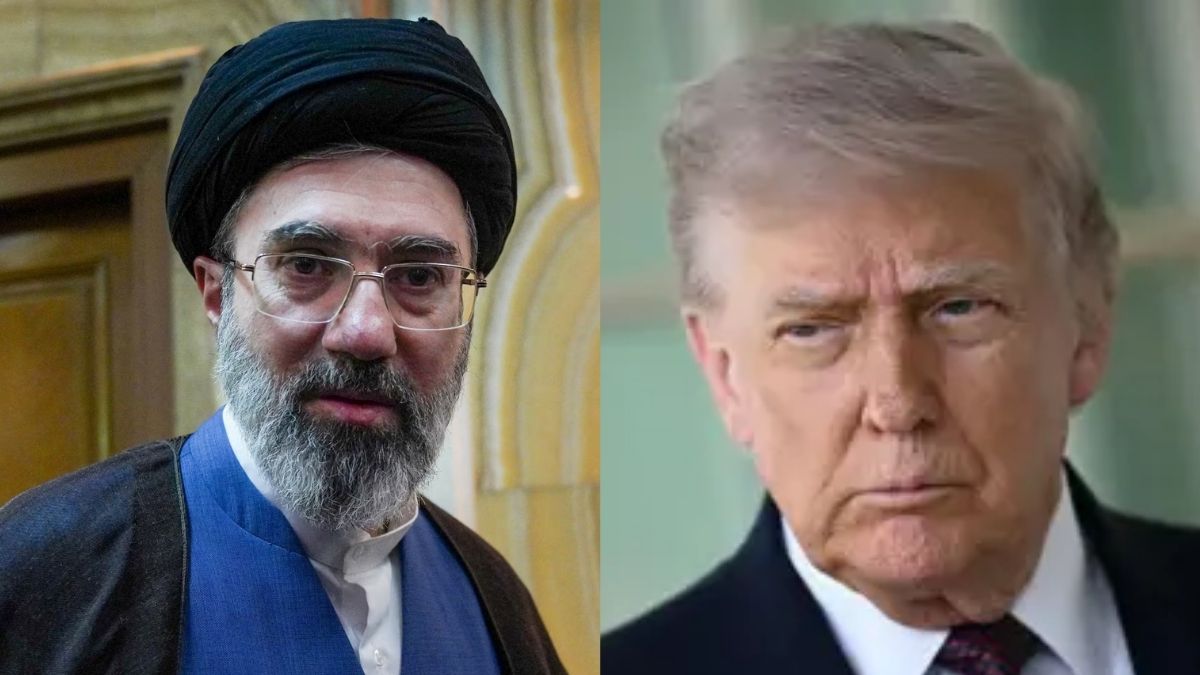
Iran War Enters Sixth Month as Sanctions Reshape Economy
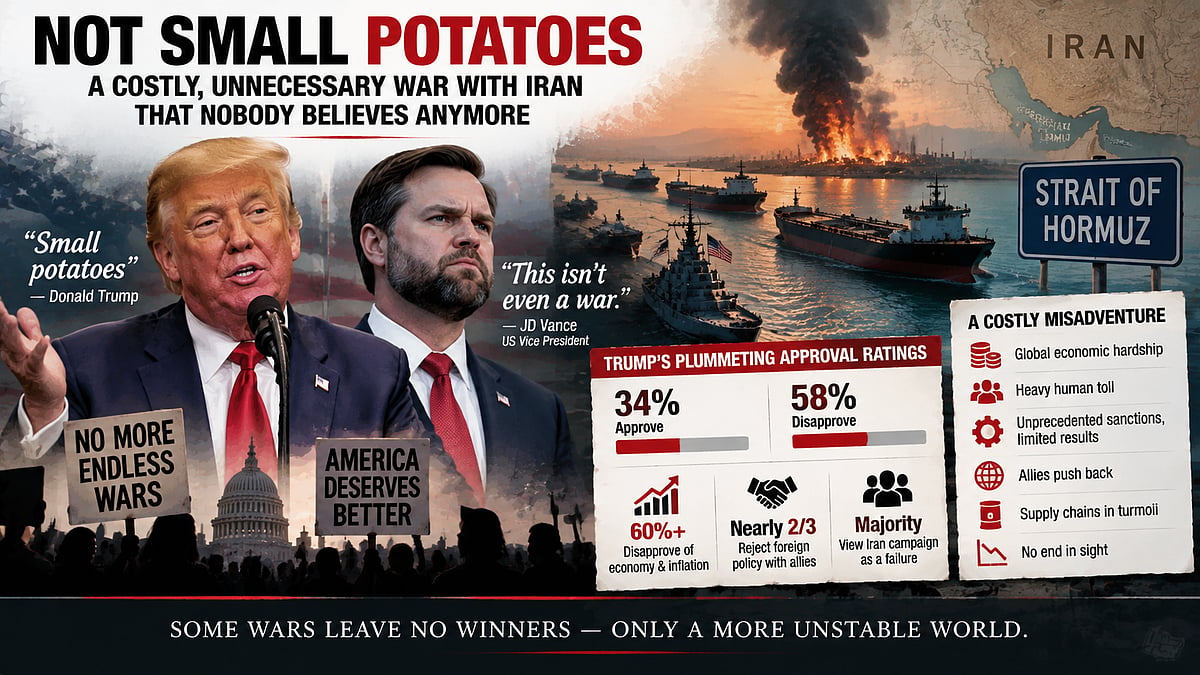
Trump’s Iran Campaign Draws Criticism Over Costs and Consequences

US Confidence in Iran War Tied to China Oil Angle
Iran’s Hormuz Leverage Wanes Under U.S. Economic Pressure
US Rejects Iran Claim of Vessel Strike Near Hormuz
