1 week ago
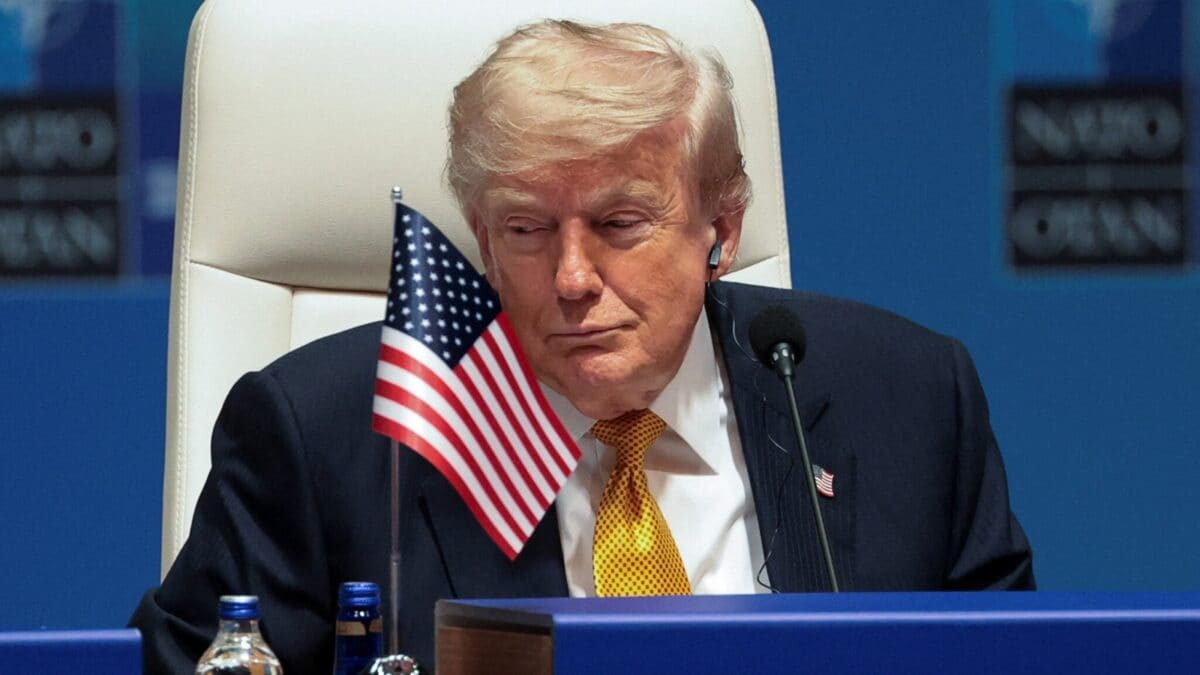
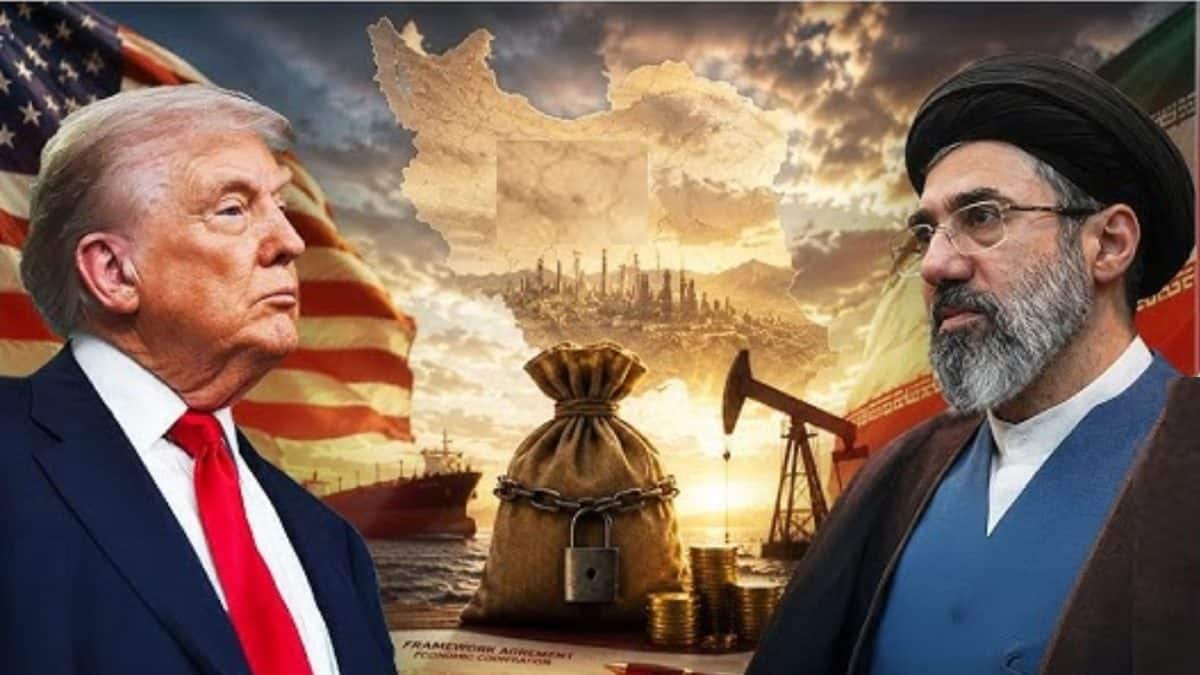
Trump Threatens Economic D-Day Against Iran and Its Partners

The United States wants to make it harder for Iran to sell oil and move money.
Donald Trump warned that countries and companies helping Iran could also face serious penalties.
The plan would target ships, banks, businesses and informal money networks connected to Iranian trade.
The United States hopes this pressure will make Iran agree to negotiations, especially about its nuclear program.
Iran has faced sanctions for many years and has created ways to keep trading.
China buys most of Iran’s shipped oil, so punishing Chinese businesses could cause a larger dispute between the United States and China.
China says pressure will not solve the problem and wants diplomacy instead.
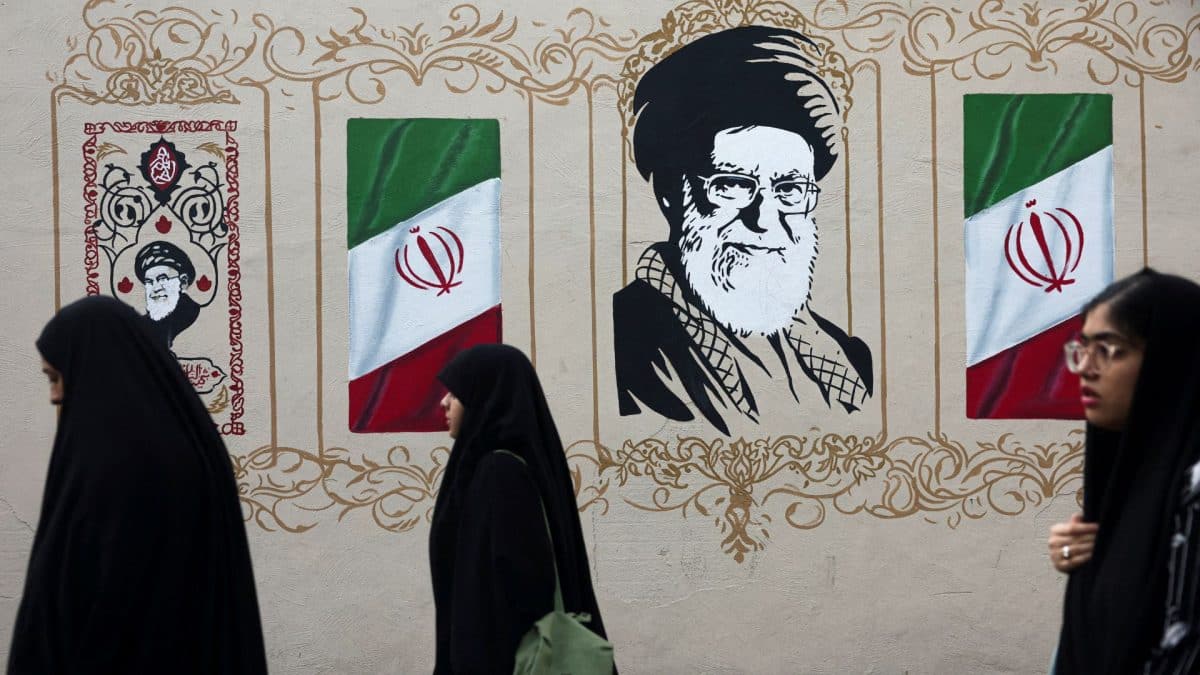
Iran says the policy is harmful and will not make it surrender.
Analysts cited in the articles say sanctions could damage Iran but might also encourage retaliation or create new trading routes.

Donald Trump threatened countries, banks and businesses supporting Iran with severe US economic penalties.
The proposed campaign targets oil-smuggling networks, exchange houses, cash transfers, front companies, ship registries and other trade channels.
Washington aims to reduce Iran’s oil revenue and foreign-currency access while pushing Tehran toward nuclear negotiations.
China buys more than 80 percent of Iran’s shipped oil, making Chinese companies and banks central to the plan’s potential impact.
Iran called the pressure failed “economic terrorism,” while China urged restraint and said sanctions would not solve the crisis.
- Who
- US President Donald Trump and the US administration are targeting Iran, its trading networks and foreign entities that support them; Iran and China have rejected the approach.
- What
- Trump threatened an expanded economic campaign, including possible secondary sanctions against foreign governments, banks, businesses and logistical networks aiding Iran.
- Where
- The campaign concerns Iran, international financial and shipping networks, the Persian Gulf and the Strait of Hormuz.
- When
- Trump made the threat on Wednesday evening; the articles describe it as coming after weeks or nearly six months of conflict and stalled diplomacy.
- Why
- Washington aims to reduce Iran’s oil revenue and access to foreign currency, pressure its trading partners, encourage negotiations and prevent Iran from acquiring a nuclear weapon.
US Pressure Strategy
Iranian and Chinese Objections
Likely effectiveness
US Pressure Strategy
Washington argues that targeting oil revenues, financial channels and foreign intermediaries can restrict Iran’s access to hard currency and encourage concessions.
Iranian and Chinese Objections
Iran says additional pressure will not force surrender, while the articles note that decades of sanctions have helped Iran develop intermediaries, alternative currencies, barter and informal financial networks.
Role of China
US Pressure Strategy
The United States could pressure Chinese institutions to reduce purchases and financial support for Iranian oil, weakening Tehran’s main export channel.
Iranian and Chinese Objections
China buys most of Iran’s shipped oil and rejects Washington’s approach; sanctions on major Chinese banks could provoke retaliation and a broader US-China economic dispute.
Pressure versus diplomacy
US Pressure Strategy
The US administration says economic pressure, combined with military damage, could bring Iran back to negotiations and prevent it from acquiring a nuclear weapon.
Iranian and Chinese Objections
China calls for diplomacy, and Iran argues that “economic terrorism” will increase hostility; the articles warn that maximum pressure could lead to retaliation against shipping or regional infrastructure.
Key facts
- Threatened mechanism
- Secondary sanctions that could restrict foreign entities’ access to the US financial system.
- Potential targets
- Exchange houses, cash transfers, currency swaps, ship registries, front companies, oil-smuggling networks, ports, airports and other commercial channels.
- China’s role
- Kpler data cited in the articles says China buys more than 80 percent of Iran’s shipped oil; some estimates exceed 90 percent.
- US objectives
- Cut Iran’s oil revenues, reduce foreign-currency access, pressure Tehran’s partners and push Iran toward negotiations over its nuclear program.
- Iran’s position
- Foreign Minister Abbas Araghchi called the pressure a failed policy and “economic terrorism,” saying it would increase hostility rather than force surrender.
- China’s position
- Foreign Ministry spokesman Lin Jian said sanctions and pressure would not resolve the issue and urged political and diplomatic solutions.
- Regional development
- The United Arab Emirates announced on August 18 that it was suspending trade, commercial exchanges and financial transactions with Iran until further notice.
Quotes
Chinese Foreign Ministry spokesman Lin Jian
Official spokesperson for China’s Foreign Ministry
“"ANY country that allows its financial institutions, businesses, airports, or government entities to provide any type of lifeline to Iran will itself face TREMENDOUS Economic Consequences."”
 firstpost.com
“"no one has given the Islamic Republic of Iran a greater opportunity to make a deal than me."”
firstpost.com
Sources
Related news
Economic front dominates US-Iran war as sanctions squeeze Tehran
US Prepares Unprecedented Economic Pressure Campaign Against Iran

Trump Announces Unprecedented Economic Campaign to Isolate Iran, Warns Allies
US Expands Iran Sanctions, Threatening Partners With Dollar Cutoff
Trump Warns Iran of Economic D-Day as Sanctions Escalate

Trump’s Economic Outcast Campaign Tests Iran Sanctions Strategy
Iran Seizes Fuel-Smuggling Vessel in Gulf, Arrests 11 Crew
Trump Floats Renaming Strait of Hormuz as “Trump Strait”

Chevron Plans $7 Billion Venezuela Expansion Amid U.S. Oil Push
Saudi Tanker Hit in Hormuz, Killing Two Filipino Sailors

U.S.-Iran Exchange Escalates Across Middle East, Markets Slide