1 hr ago
Trump’s Iran Campaign Draws Criticism Over Costs and Consequences
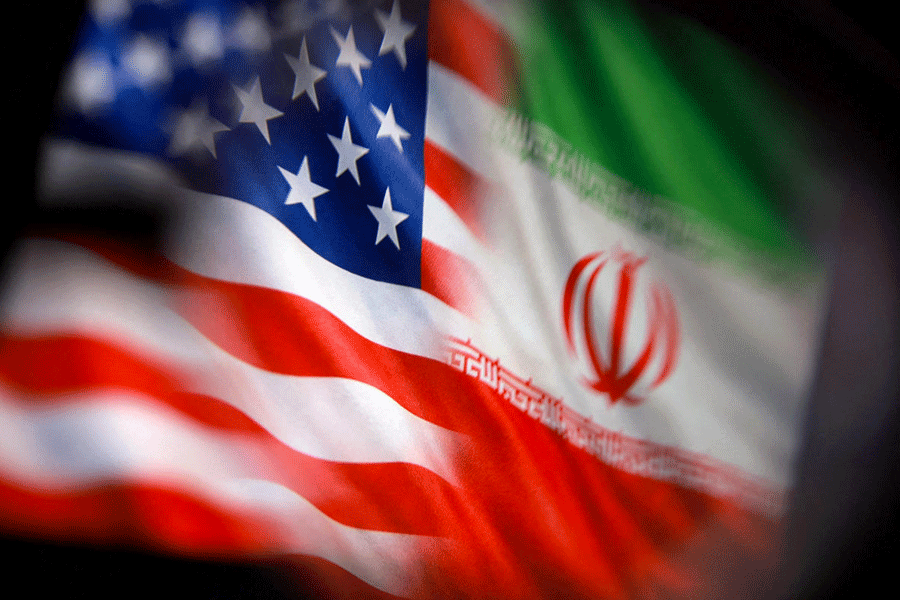
This opinion article criticizes Donald Trump’s military confrontation with Iran.
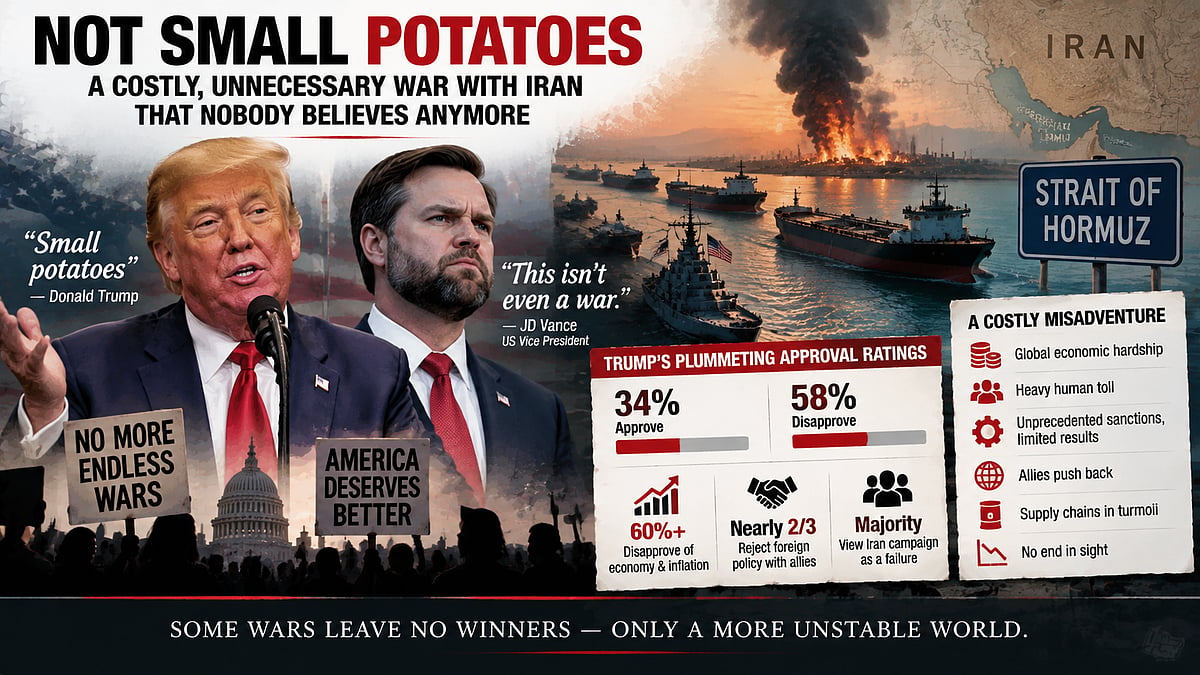
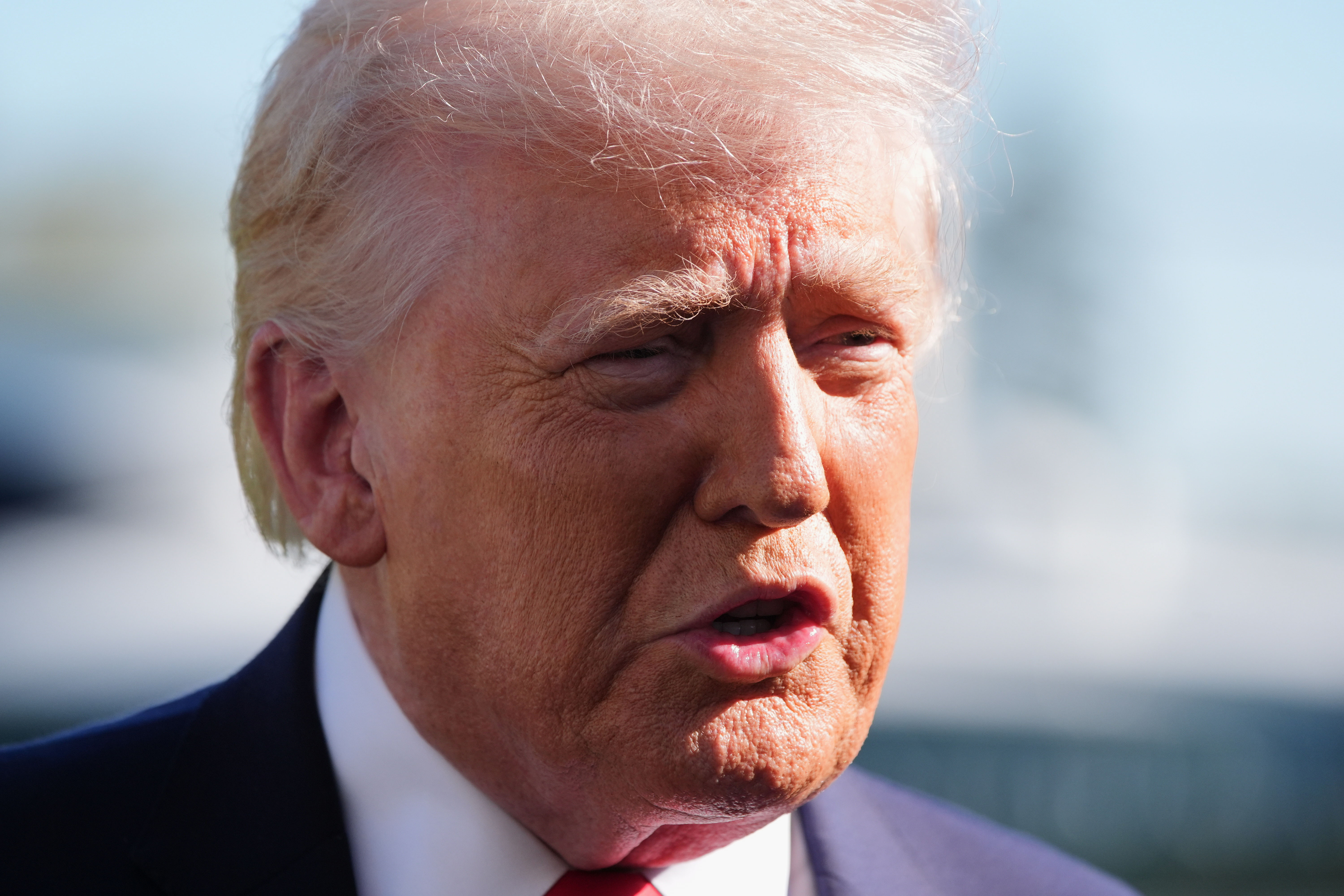
Trump is quoted as calling the damage “small potatoes.”
Vice President JD Vance is described as saying that the situation is not really a war.
The writer strongly disagrees with both descriptions.
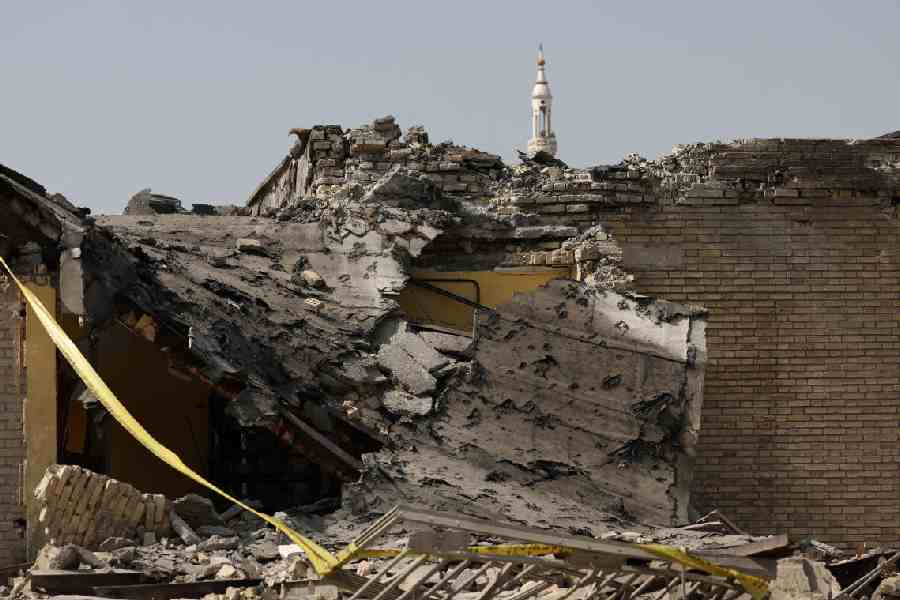
The article says the conflict has caused deaths, economic problems and stress for countries around the world.
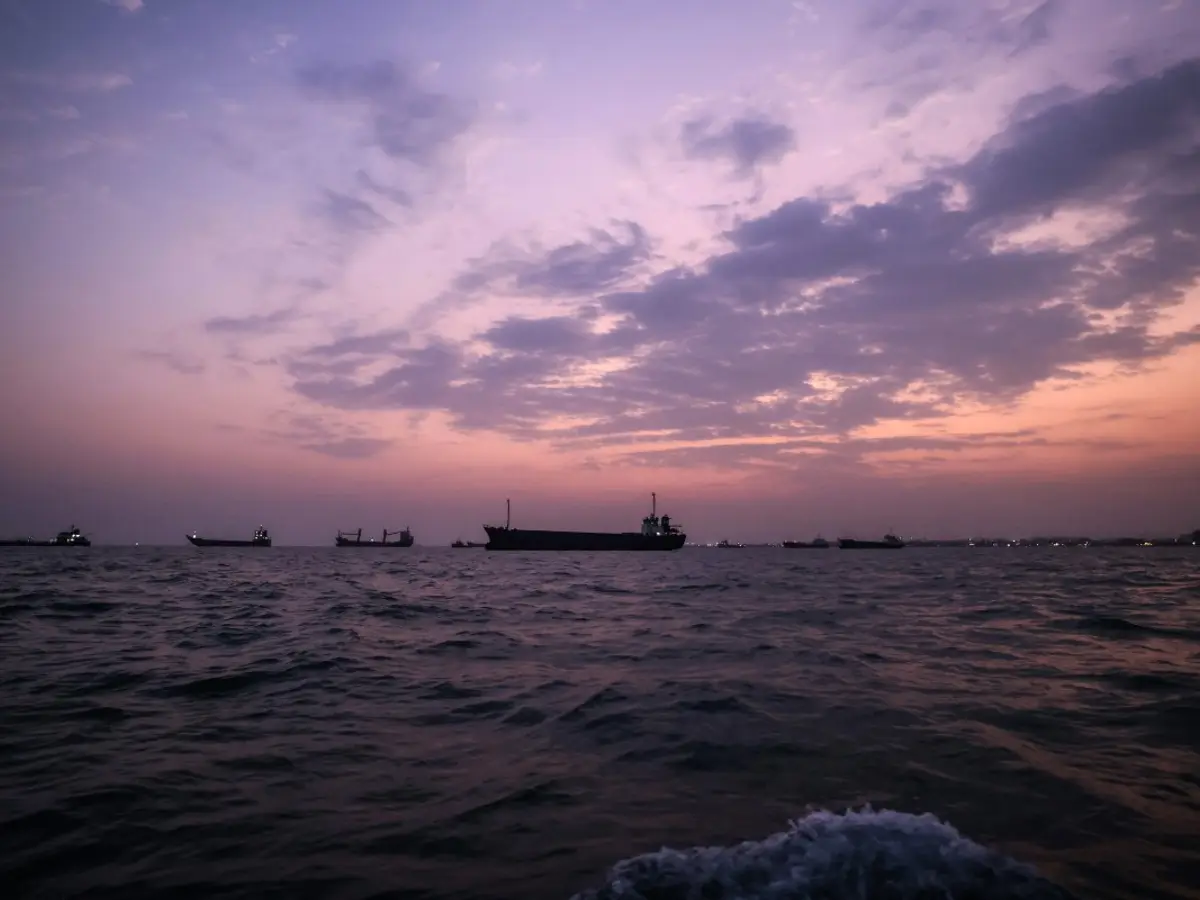
It also says disruptions near the Strait of Hormuz have affected many supply chains.
According to the article, many Americans now disapprove of Trump’s economic and foreign-policy decisions.
The writer argues that the United States should end the campaign instead of continuing it.

The article condemns Donald Trump’s Iran campaign as unnecessary, strategically unclear and increasingly costly.
Trump reportedly called the bloodshed and chaos “small potatoes,” while JD Vance said the confrontation was not a war.
The article argues that disruptions around the Strait of Hormuz have damaged global supply chains and worsened economic pressures.
It says public approval of Trump has fallen into the low-to-mid 30s, with disapproval exceeding 58%.
The author contrasts Trump’s earlier promises of rapid resolutions in Iran and Ukraine with conflicts that remain unresolved months later.
- Who
- Donald Trump, Vice President JD Vance, the United States and Iran are the principal figures and parties discussed.
- What
- The article criticizes a six-month military confrontation with Iran and its alleged economic, strategic and humanitarian consequences.
- Where
- The events are discussed in connection with Iran, the Gulf waters and the Strait of Hormuz, with effects described as global.
- When
- The article describes the confrontation as continuing six months after it began and says it remains unresolved.
- Why
- The article argues that the campaign lacks a clear strategic plan or justification and should be ended.
Critics’ View
Administration’s View
Nature of the conflict
Critics’ View
The article argues that the confrontation is plainly a war or military venture with serious bloodshed and consequences.
Administration’s View
Donald Trump reportedly minimized the damage as “small potatoes,” while JD Vance said it was not a war.
Strategic justification
Critics’ View
The author says the campaign was unnecessary, lacked a clear strategic plan and had no just cause.
Administration’s View
The article does not provide a detailed administration case for the campaign, but presents Trump and Vance as rejecting the critics’ characterization of its severity.
Consequences and public reaction
Critics’ View
The article says the campaign has caused extensive economic and logistical damage and has produced strong domestic opposition.
Administration’s View
The administration’s reported public framing minimizes the conflict’s scale, while the article says approval and confidence in Trump’s policies have fallen sharply.
Key facts
- Conflict duration
- The article describes the confrontation with Iran as six months old.
- Trump’s characterization
- Donald Trump reportedly called the bloodshed and chaos “small potatoes.”
- JD Vance’s characterization
- JD Vance reportedly said the situation was not a war.
- Reported approval
- The article says Trump’s overall approval fell into the low-to-mid 30s, while disapproval exceeded 58%.
- Economic criticism
- The article says more than 60% disapproved of Trump’s handling of the economy and inflation.
- Foreign-policy criticism
- The article says nearly two-thirds rejected Trump’s foreign-policy alignment with allies.
- Strait of Hormuz
- The article attributes major international supply-chain disruption to the Strait of Hormuz crisis.
Sources
Related news
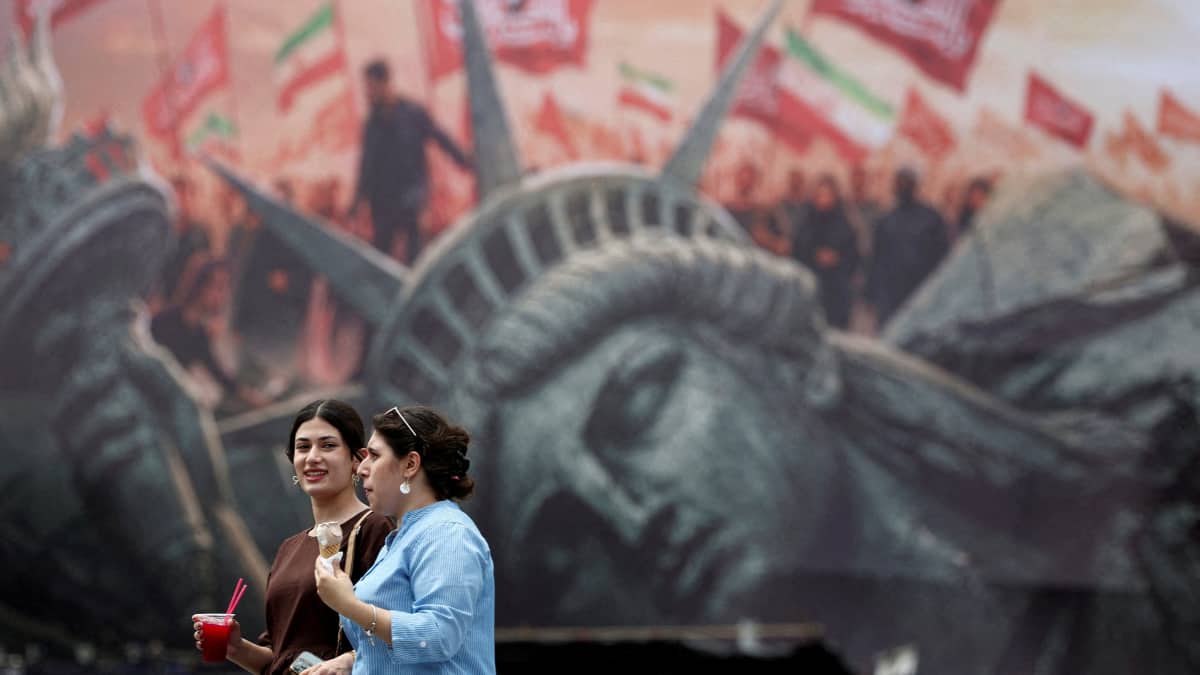
Six Months Into Iran War, No Winners and Global Costs
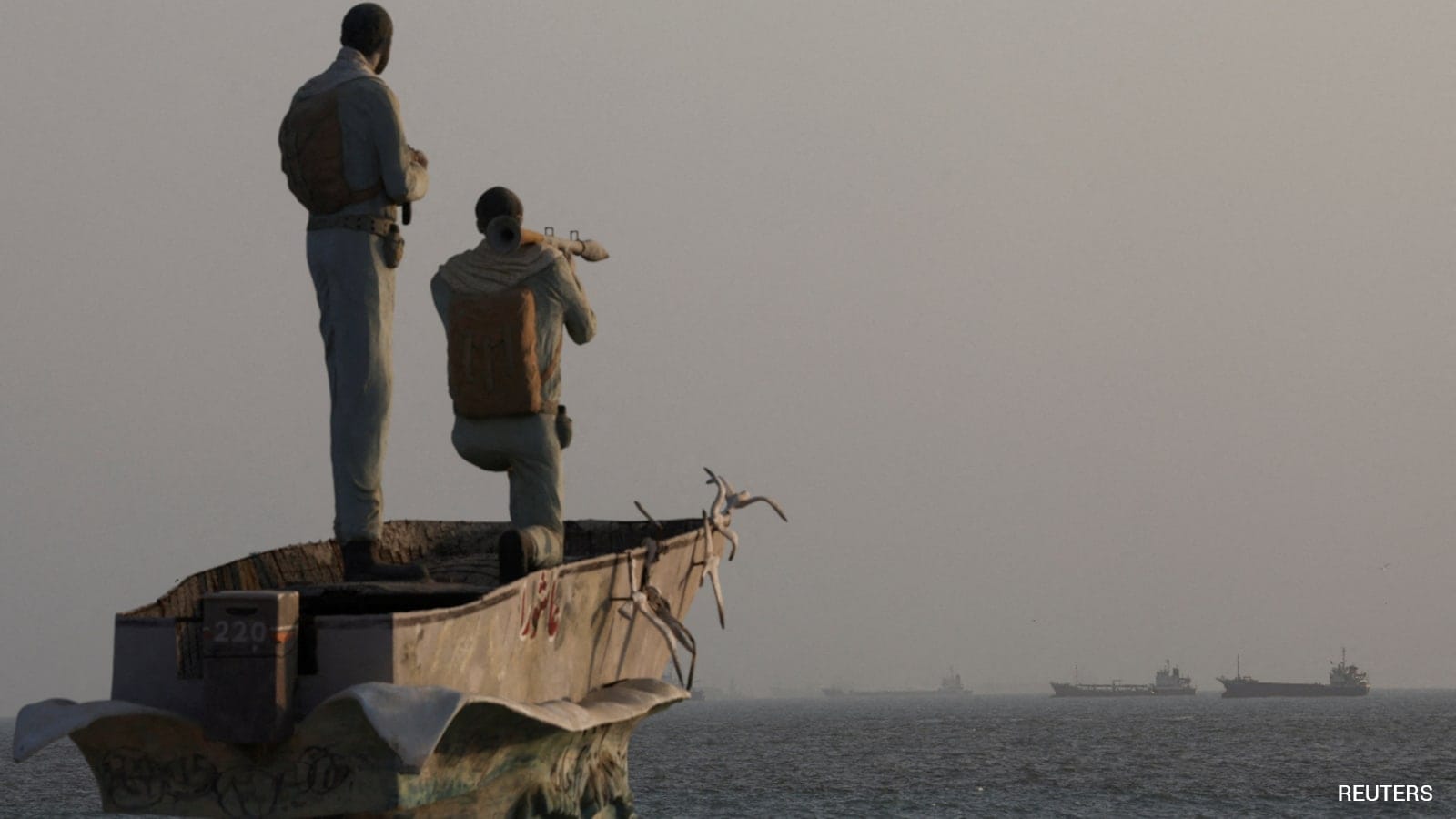
Six Months Into Iran War, Political and Economic Costs Mount
Iran War Exposes Limits of American Military Power
Trump Calls Iran Conflict Small Potatoes, Defends Not-a-War Stance

US-Iran War Support Falls as Sanctions Strategy Expands

Trump Declares Iran ‘Failed Nation’ Amid Renewed US-Iran Escalation

US Confidence in Iran War Tied to China Oil Angle

Iran’s Hormuz Leverage Wanes Under U.S. Economic Pressure
US Rejects Iran Claim of Vessel Strike Near Hormuz

OPEC Keeps Oil Quotas Unchanged Amid Middle East War