1 week ago
Iran Vows Devastating Response to US Toughest-Ever Sanctions

The United States says it plans to put very strong economic pressure on Iran.
U.S. officials say the sanctions and a naval blockade are meant to force Iran to change and could bring down its leadership.
Iran says it will respond forcefully if the United States makes new threats.
Iranian officials also say the sanctions are unfair and are meant to weaken Iran’s independence.
The pressure has affected oil shipments through the Gulf region and the Strait of Hormuz.
Fewer Iranian oil offers are now reaching Chinese buyers.
China buys more than 80% of Iran’s shipped oil, according to data cited in the reports.
China says sanctions will not solve the disagreement and wants diplomacy instead.
Earlier ceasefire agreements between the United States and Iran quickly collapsed.

Iranian military chief Ali Abdollahi threatened a broad, decisive response to any new U.S. threats.
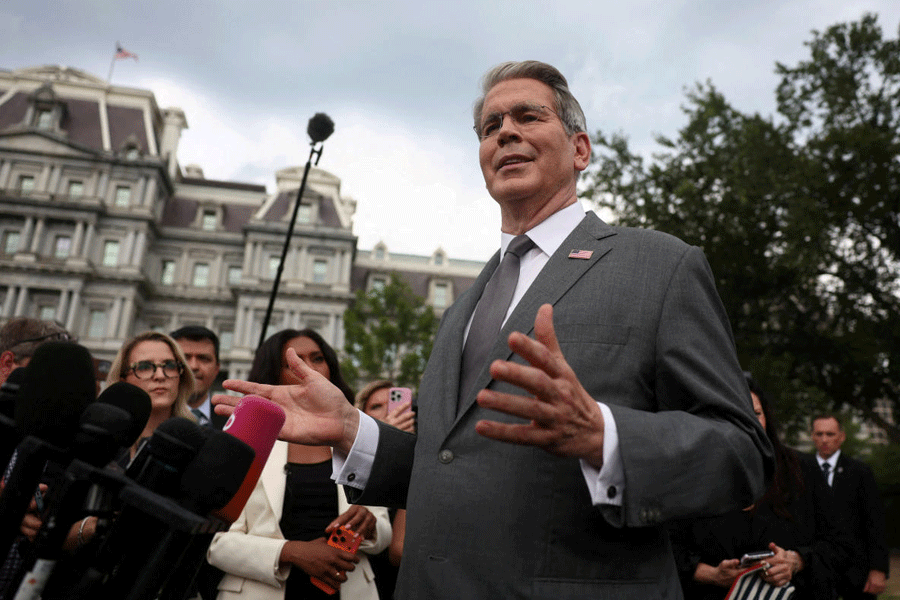
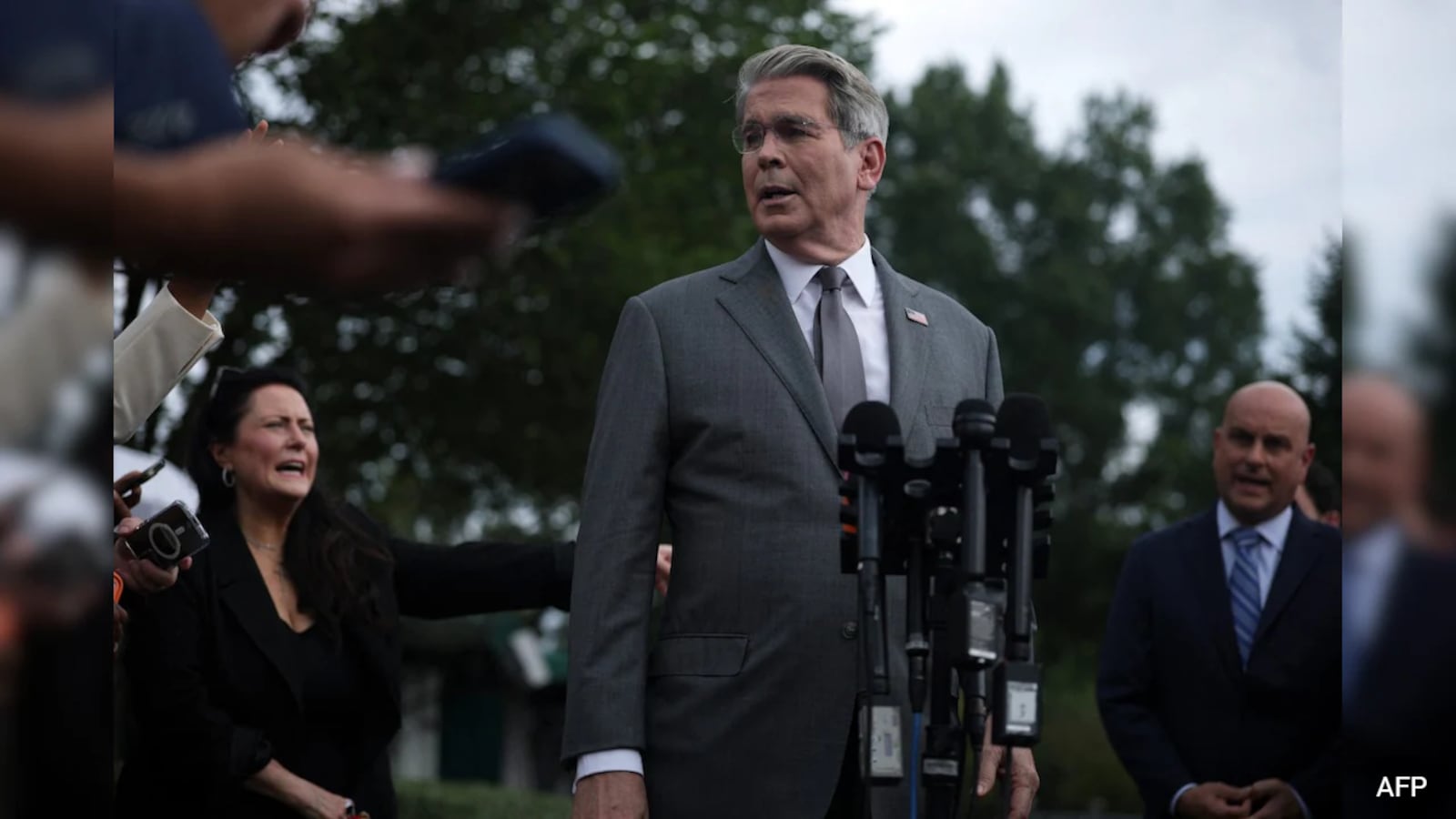
U.S. Treasury Secretary Scott Bessent said Washington would impose its toughest-ever sanctions and seek to collapse Iran’s leadership.
Iranian officials condemned the measures as economic terrorism and accused the United States and Israel of economic and cognitive warfare.
A U.S. naval blockade reimposed on Iranian ports in July has reduced crude offers to Chinese buyers.
China opposed sanctions and urged the parties to resolve the conflict through political and diplomatic means.
- Who
- The governments and armed forces of Iran and the United States are the main parties; China, Gulf countries, Ali Abdollahi, Scott Bessent, Donald Trump, and Mohammad Baqer Qalibaf are also involved or affected.
- What
- The United States is preparing new, potentially unprecedented sanctions while maintaining pressure on Iran, and Iran has threatened a devastating response.
- Where
- The dispute involves Iran, the United States, the Gulf region, the Strait of Hormuz, and Iranian oil shipments to China; related statements were made in Washington, Dubai, and Iraq.
- When
- The warnings and statements were reported on Friday, August 21, 2026; the U.S. blockade was reimposed in July, with the Reuters report specifying July 13.
- Why
- The United States says the measures are intended to end the conflict and collapse Iran’s leadership, while Iran says it is defending its independence, dignity, and national sovereignty.
United States and sanctions supporters
Iran and sanctions critics
Purpose of economic pressure
United States and sanctions supporters
The United States says sanctions and the blockade are intended to pressure Iran to end the conflict and collapse its leadership, while avoiding a large-scale military escalation.
Iran and sanctions critics
Iran says the sanctions are economic terrorism and part of U.S. and Israeli economic and cognitive warfare aimed at undermining its sovereignty.
Response to further threats
United States and sanctions supporters
Washington says allies and other countries must decide whether to support its pressure campaign and limit business with Iran.
Iran and sanctions critics
Iranian military officials say they are prepared to respond with crushing and devastating force across multiple domains.
Role of sanctions in resolving the conflict
United States and sanctions supporters
U.S. officials describe the blockade and sanctions as a coordinated strategy intended to produce a political outcome in Iran.
Iran and sanctions critics
China says sanctions and pressure do not resolve the problem and calls for responsible political and diplomatic action.
Key facts
- Planned sanctions
- Scott Bessent said the United States would impose the toughest financial penalties in history, with further details expected Monday.
- Iranian warning
- Ali Abdollahi said Iran’s armed forces were prepared to respond across land, sea, air, air defense, and cyberspace.
- U.S. blockade
- The naval blockade on Iran was reimposed in July; Reuters reported that it resumed on July 13 after a pause of about one month.
- Oil trade
- Trade sources said offers of Iranian crude to Chinese buyers had declined and prices had risen.
- China’s purchases
- Kpler data cited in the reports said China buys more than 80% of Iran’s shipped oil.
- Strait of Hormuz
- The waterway carried about one-fifth of all traded oil before February, according to the reports.
- Ceasefires
- The United States and Iran announced ceasefire agreements in April and June, but both quickly collapsed.
Quotes
Major General Ali Abdollahi
Chief of Staff of Iran's Armed Forces
“With preparedness across land, sea, air, air defence and cyberspace, Iran's armed forces will respond to the enemy's new threats with crushing, punishing and devastating responses.”
 freepressjournal.in
 theprint.in
“We must make plans to deal with the unjust sanctions so that we can overcome them”
freepressjournal.in

Scott Bessent
US Treasury Secretary
“It is a one-two punch. We have the blockade (on Iran), and we are going to have the toughest sanctions in history.”
theprint.in
“We are going to collapse this regime. It is time for our allies and the rest of the world to make a decision”
freepressjournal.in
Chinese embassy spokesperson
Representative of China’s embassy in Washington
“China calls on the relevant parties to take responsible actions and resolve the issue through political and diplomatic means.”
theprint.in
Sources
Related news
US Vows Toughest Sanctions Yet as Iran Conflict Escalates

US Plans Toughest Iran Sanctions, Urges China Cooperation
Iran Vows Retaliation After US Widens Sanctions, Threatens Partners
US Threatens Toughest Sanctions Yet as Iran Condemns Economic Warfare
U.S. Threatens Iran With Economic D-Day, Tehran Vows Oil Halt
US Threatens Iran With Economic D-Day as Tehran Responds

Saudi Arabia Says Iranian Tanker Attack Killed Two Sailors
U.S.-Iran Exchange Escalates Across Middle East, Markets Slide
Trump Aides Seek Quiet Iran War Before Midterm Elections
US Warns Middle East Travelers Amid Escalating Iran-Linked Tensions

Indian Stocks Slide as Oil, Conflict and Yields Rise