2 weeks ago
'Black hole star' may explain JWST's mysterious 'little red dots'
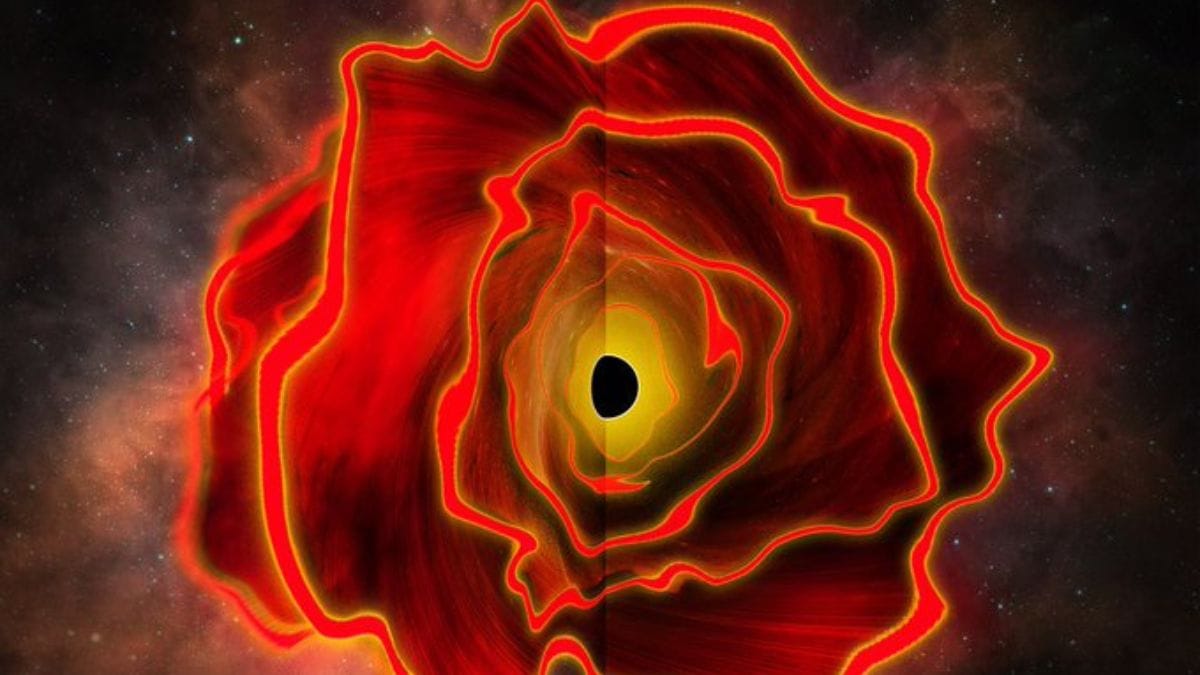
Scientists found a very strange, bright red object in space.
They are calling it a 'black hole star.'
It is about the size of our solar system — that is enormous!
But it gives off 100 billion times more energy than our Sun.
The James Webb Space Telescope took pictures of it.
Objects like this are called 'little red dots,' and nobody knew exactly what they were.
At first, scientists thought dust was making them look red.
Instead, they found that gas was changing the light.
Using computers, they figured out the object might be a black hole hiding inside a big cloud of gas.

Astronomers unveiled a 'black hole star' named MoM-BH-1 (also written MoM-BH*-1) that may explain the 'little red dots' spotted in the early universe.
The object looks like a star about the size of our solar system but emits roughly 100 billion times more energy than the Sun.
A team of astronomers, including US researchers, spotted it with the James Webb Space Telescope; the study appeared in the journal Nature on 12 August.
The object existed about 660 million years after the Big Bang, during the cosmic dawn, and its nature has been one of the most debated topics of the JWST era.
Dust was ruled out as the cause of its red color; computer simulations suggest a black hole wrapped in a thick cocoon of dense gas powers the object.
- Who
- A team of astronomers led by Rohan Naidu of Hawaii University and including co-author Robert Simcoe of the Massachusetts Institute of Technology.
- What
- Announced the discovery of a 'black hole star' named MoM-BH-1 (MoM-BH*-1), a star-like object possibly powered by a central black hole, which may explain the 'little red dots' seen in the early universe.
- Where
- Billions of light-years from Earth in the direction of the constellation Cetus (the Whale), observed with the James Webb Space Telescope.
- When
- The study was published in Nature on 12 August; the object existed about 660 million years after the Big Bang.
- Why
- To solve the mystery of JWST's extremely bright 'little red dots' and how black holes and galaxies grew so massive so soon after the Big Bang.
Dust Theory
Black Hole Theory
What makes 'little red dots' appear red and bright?
Dust Theory
Astronomers often assume extremely red objects in space are surrounded by dust, which makes them appear redder than their intrinsic color, similar to how wildfire smoke changes the color of the sky.
Black Hole Theory
The new study found dust was not responsible for the object's red appearance; hydrogen gas affected the light, and computer simulations suggest a central black hole surrounded by a dense gas cocoon powers its enormous energy.
Key facts
- Object name
- MoM-BH-1 (also written MoM-BH*-1)
- Object type
- 'Black hole star' — star-like object possibly powered by a black hole
- Size
- Roughly the size of our solar system
- Energy output
- About 100 billion times more than the Sun
- Discovery instrument
- James Webb Space Telescope (JWST)
- Location
- Direction of constellation Cetus (the Whale), billions of light-years from Earth
- When it existed
- About 660 million years after the Big Bang (cosmic dawn)
- Journal / publication date
- Nature, 12 August
Quotes
Rohan Naidu
Lead study author, Hawaii University
“"You can't be powering this by nuclear fusion, which is the energy source that sits at the heart of all the stars."”
 livemint.com
“"What exactly these objects are has been one of the most debated topics of the JWST era."”
livemint.com
Robert Simcoe
Co‑author, Massachusetts Institute of Technology
“"When we see something very red in the universe, we often assume that it is surrounded by dust, like soot or ash."”
livemint.com
Sources

Related news
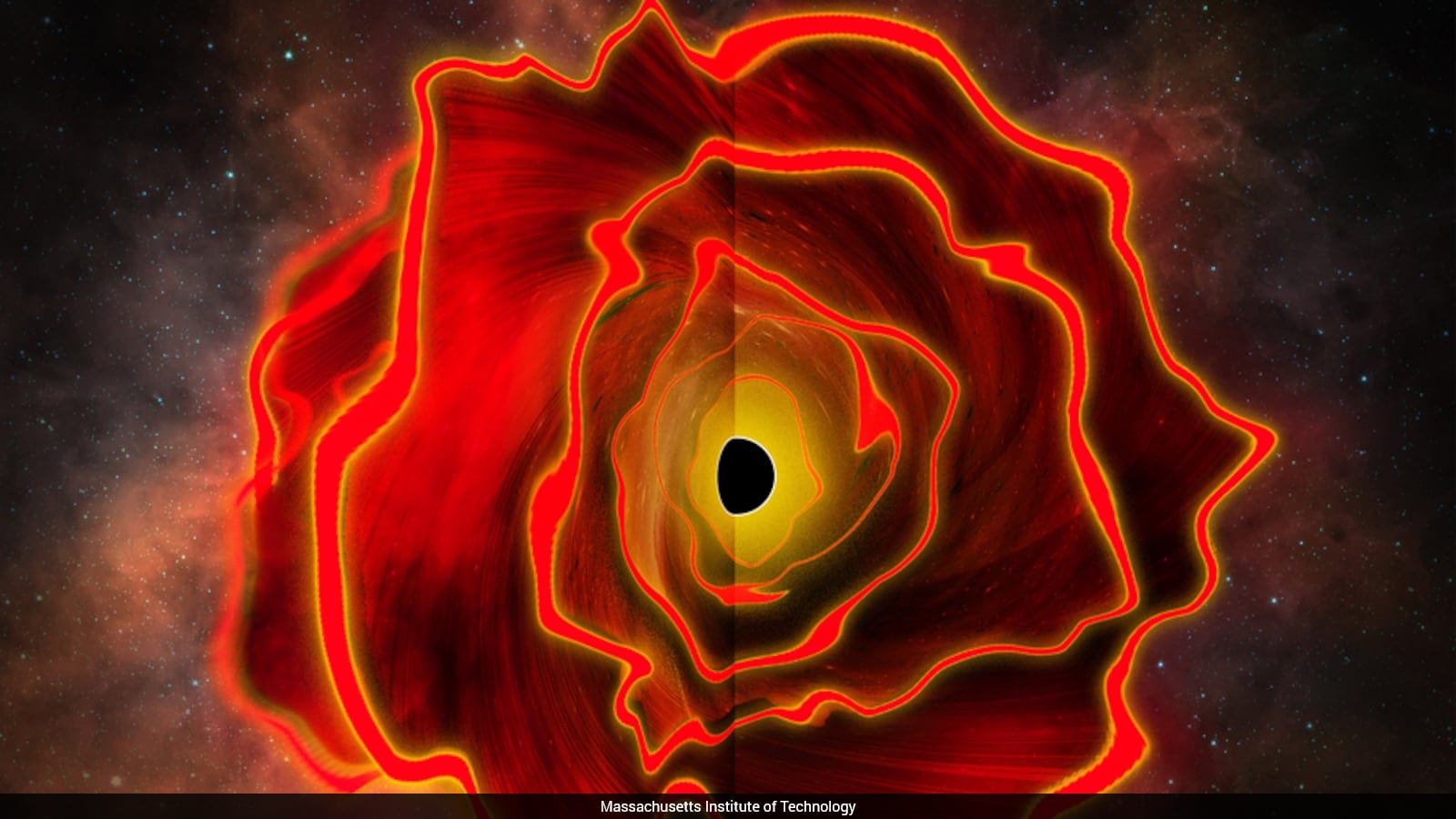
MIT Astronomers Discover 'Black Hole Star' in Early Universe

Hyderabad-Born Astronomer Behind Study of Mysterious 'Black Hole Star'
Milky Way's Mystery Engine Blasts Record-Breaking Cosmic Particle Energies
Fast-Moving Star Probes Spacetime Near Sagittarius A*
NASA's James Webb Telescope Discovers Giant Exoplanet Beta Pictoris d
Indian-Led Study Finds One of Fastest Shrinking Star Systems Yet
NASA Launches Roman Telescope to Probe Universe’s Mysteries
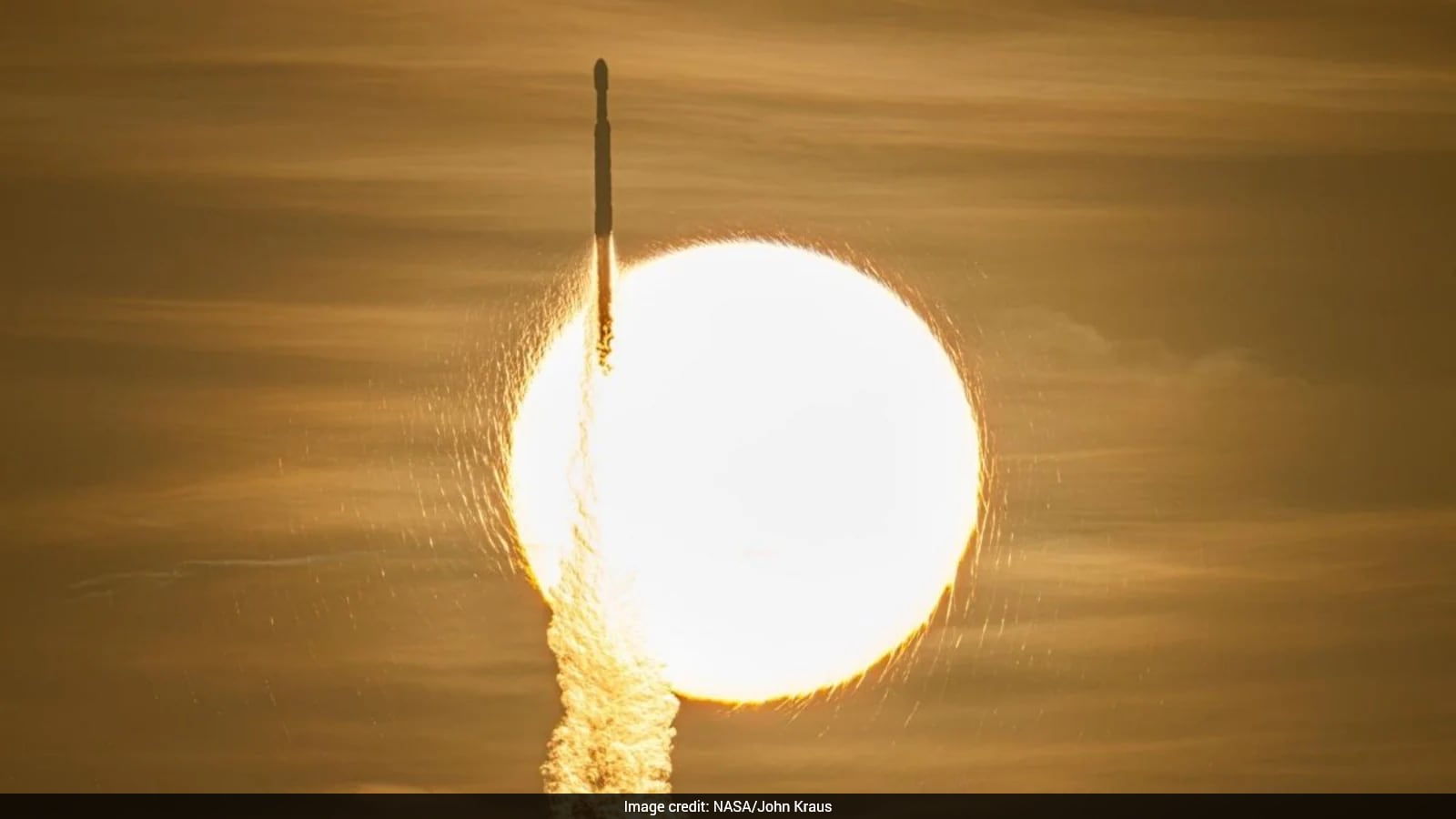
NASA Launches Roman Telescope to Explore Cosmic Mysteries
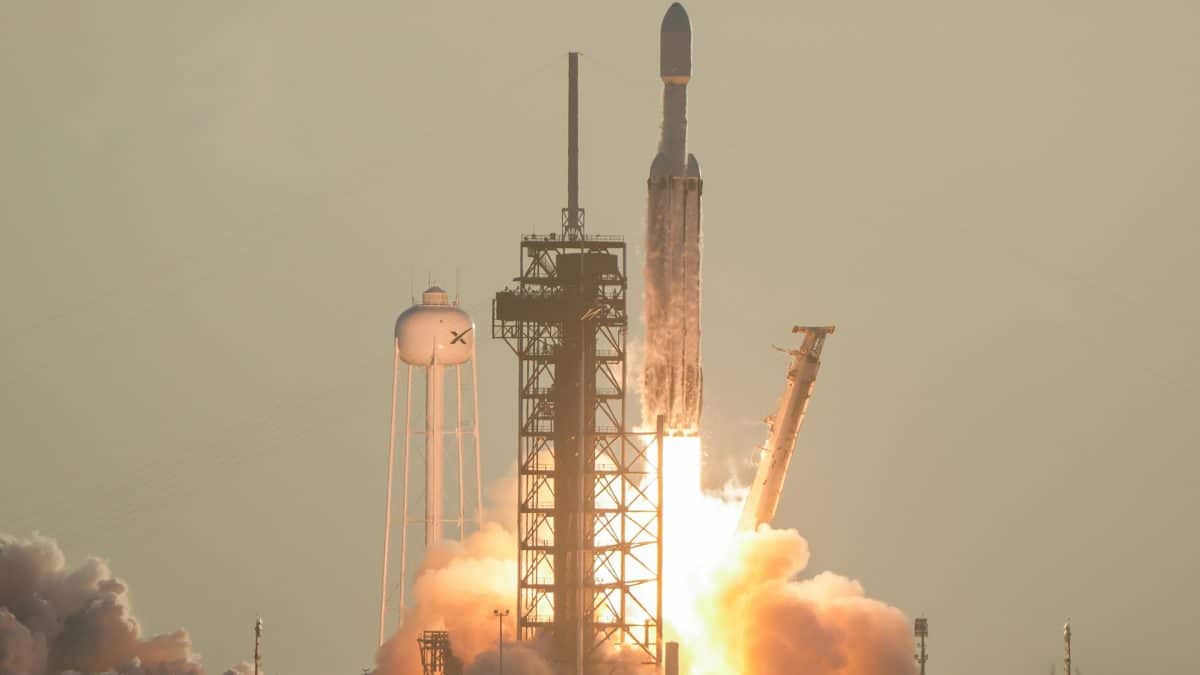
NASA Launches Roman Telescope to Map the Dark Universe
NASA’s Roman Telescope Set for Falcon Heavy Launch

NASA Launches Roman Telescope to Probe Dark Energy Mysteries