3 days ago
NASA Launches Roman Telescope to Map the Dark Universe
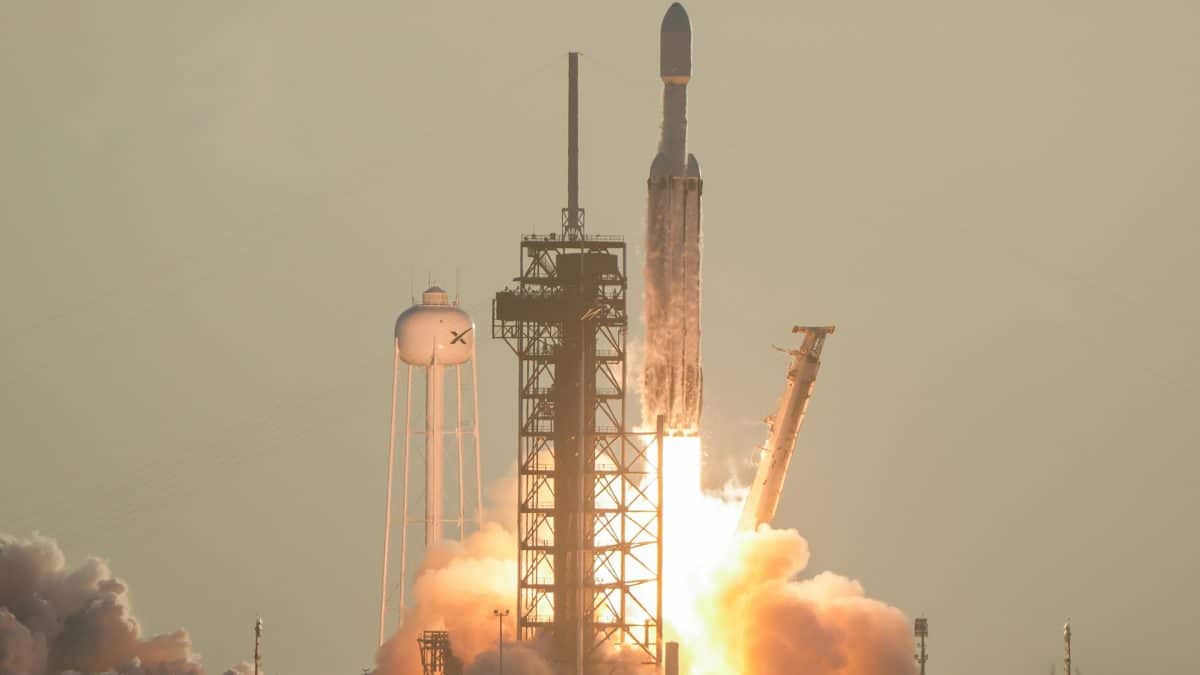
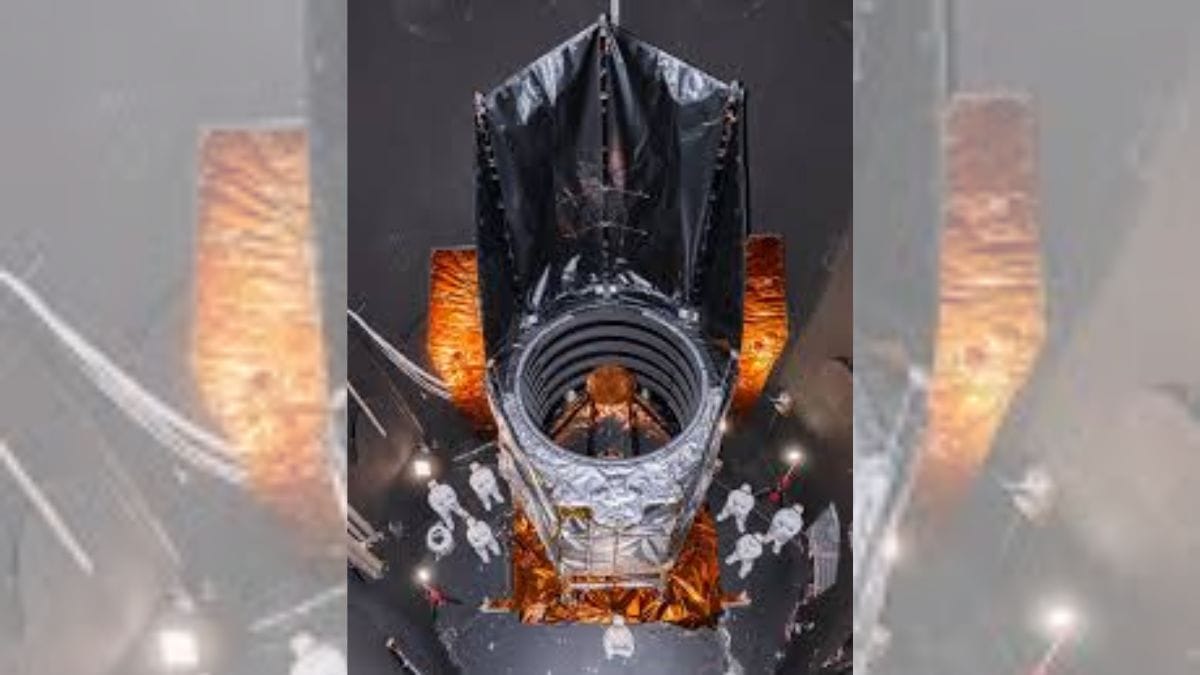
NASA has launched a new telescope called Roman into space.
It will travel to a special location about a million miles from Earth.
Roman is not mainly designed to take close-up pictures of one object at a time.
Instead, it can see a very large part of the sky in each observation.
This will help scientists make a broad map of galaxies, stars, and planets.
Roman will investigate dark energy, which may be making the universe expand faster.
It will also search for planets outside our solar system.
Its special instruments may help scientists learn how to photograph planets that could resemble Earth.
Roman will work alongside Hubble, Webb, and other observatories rather than replacing them.

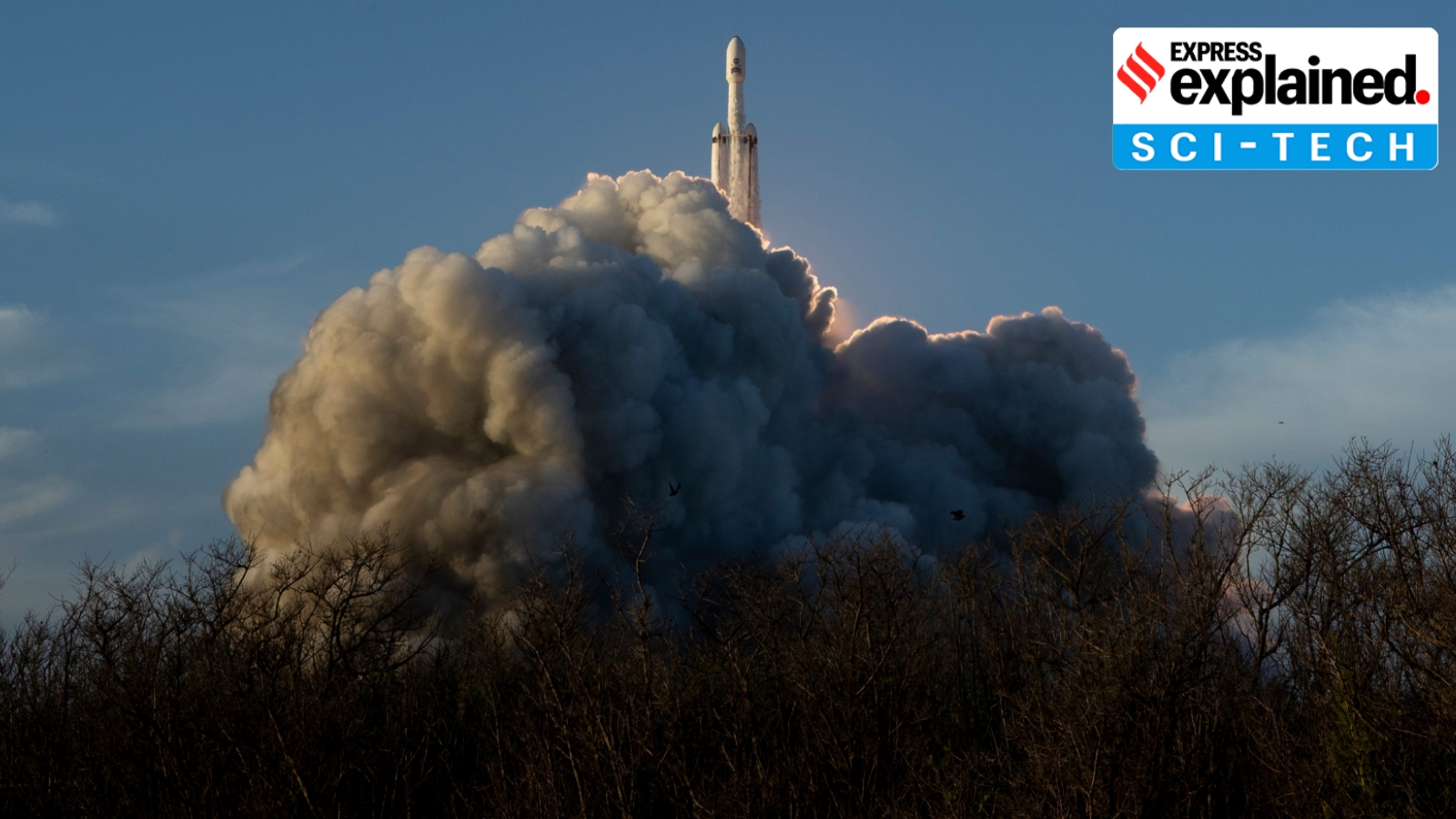
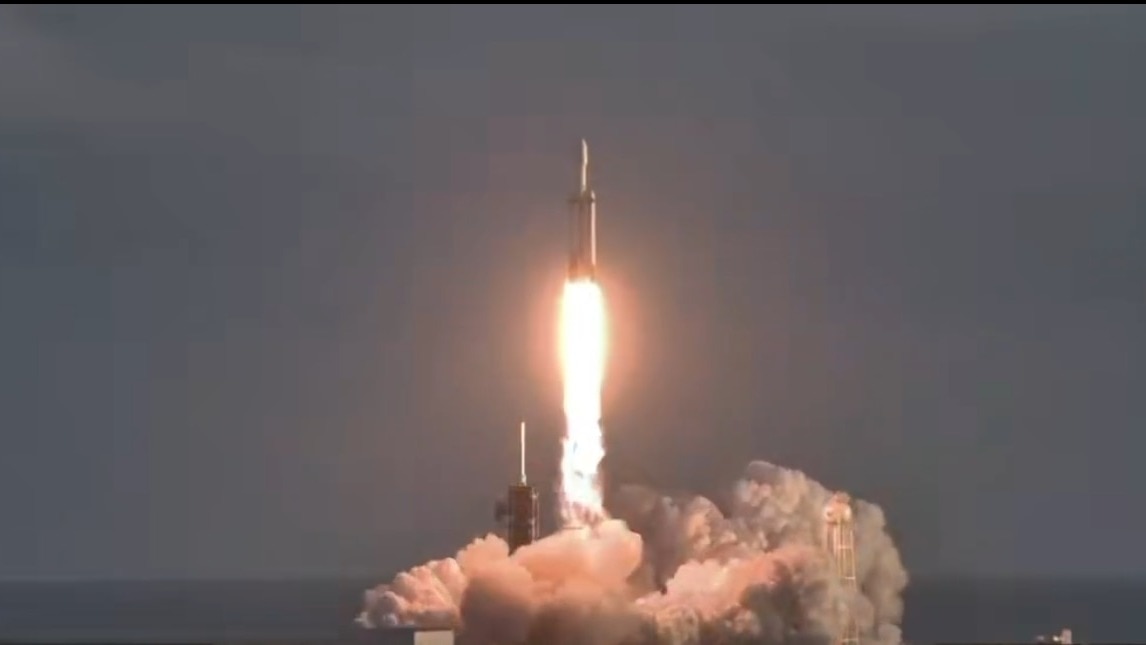
SpaceX launched NASA’s $4.3 billion Nancy Grace Roman Space Telescope aboard a Falcon Heavy from Florida.
Roman is traveling to an observation point near the Sun-Earth L2 region, roughly 930,000 miles to 1 million miles from Earth.
Its field of view is more than 100 times wider than Hubble’s, enabling surveys at an estimated 1,000 times Hubble’s speed.
The telescope will study dark energy, dark matter, galaxy evolution, and exoplanets using infrared observations and gravitational microlensing.
NASA expects Roman to begin releasing its first images in early 2027 after more than three months of travel and commissioning.
- Who
- NASA and SpaceX launched the Nancy Grace Roman Space Telescope.
- What
- A Falcon Heavy rocket carried Roman into space for a mission to survey the universe, study dark energy and dark matter, and search for exoplanets.
- Where
- Roman launched from Kennedy Space Center in Florida and is heading toward the Sun-Earth L2 region. The articles give its distance from Earth as approximately 930,000 miles to 1 million miles.
- When
- The launch occurred on a Sunday; NASA expects the telescope’s first images in early 2027.
- Why
- The mission aims to map large portions of the universe, investigate cosmic expansion, discover planets, and test technology for directly imaging planets around other stars.
Key facts
- Mission cost
- $4.3 billion
- Launch vehicle
- SpaceX Falcon Heavy
- Primary mirror
- 2.4 metres, or about 8 feet, roughly the same diameter as Hubble’s
- Field of view
- More than 100 times wider than Hubble’s
- Data rate
- About 1.4 terabytes per day, according to NASA
- Expected primary mission
- Five years, with potential for an additional five-year extended mission
- Expected discoveries
- NASA says Roman could find more than 1,000 exoplanets, thousands of exploding stars, tens of thousands of planets, billions of galaxies, and tens of billions of stars
Sources
Related news

NASA Launches Roman Telescope to Probe Dark Energy Mysteries
NASA’s Roman Telescope Set to Probe Dark Energy, Exoplanets
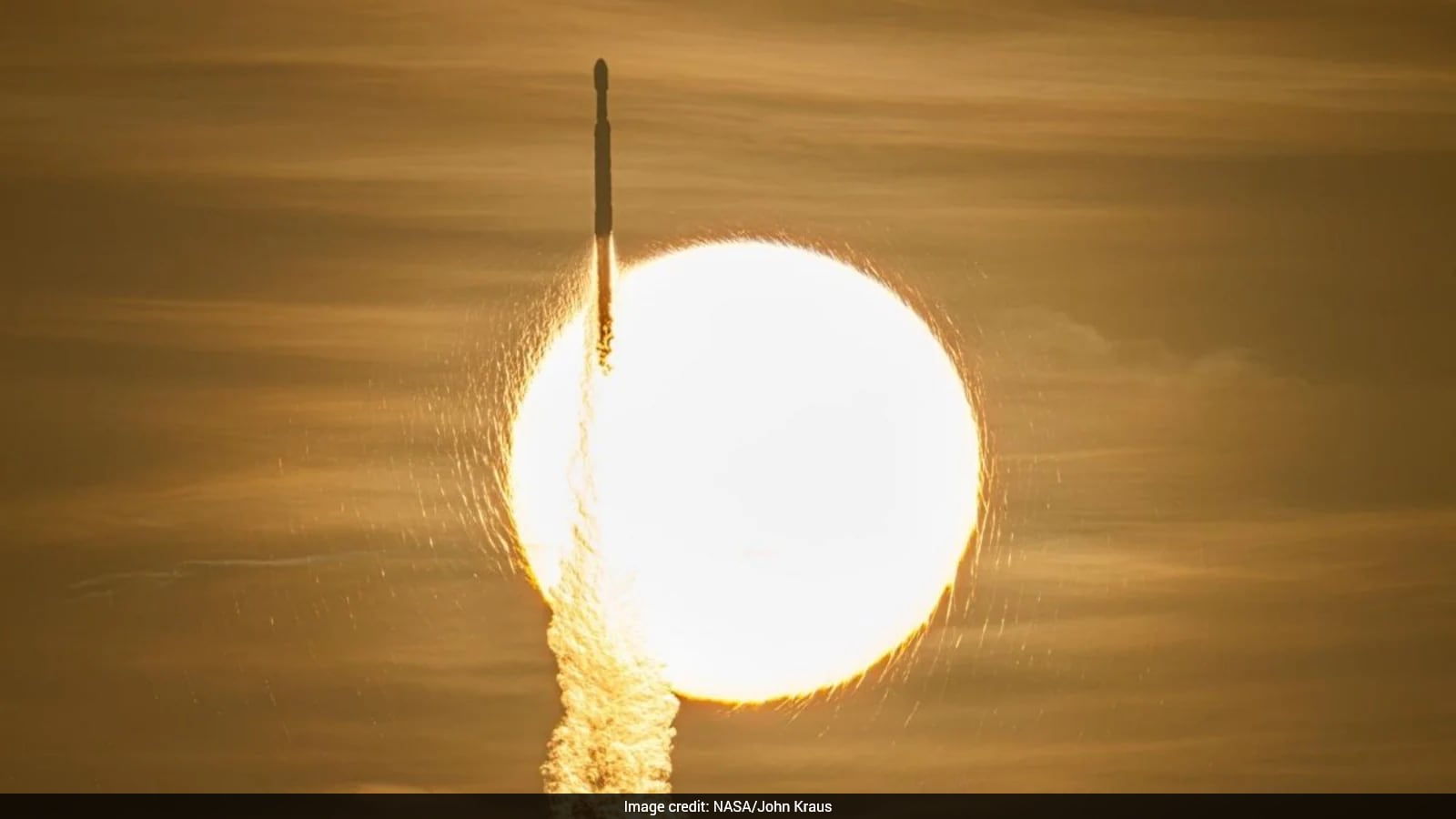
NASA Launches Roman Telescope to Explore Cosmic Mysteries
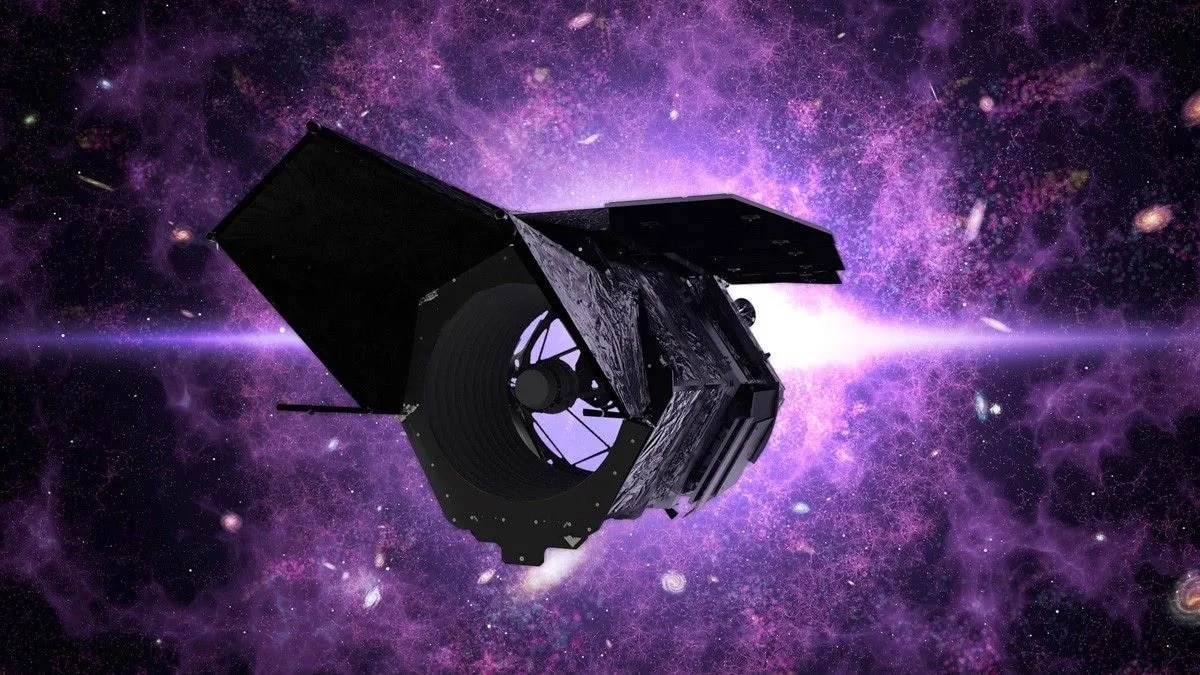
NASA's Roman telescope will change our view of the universe
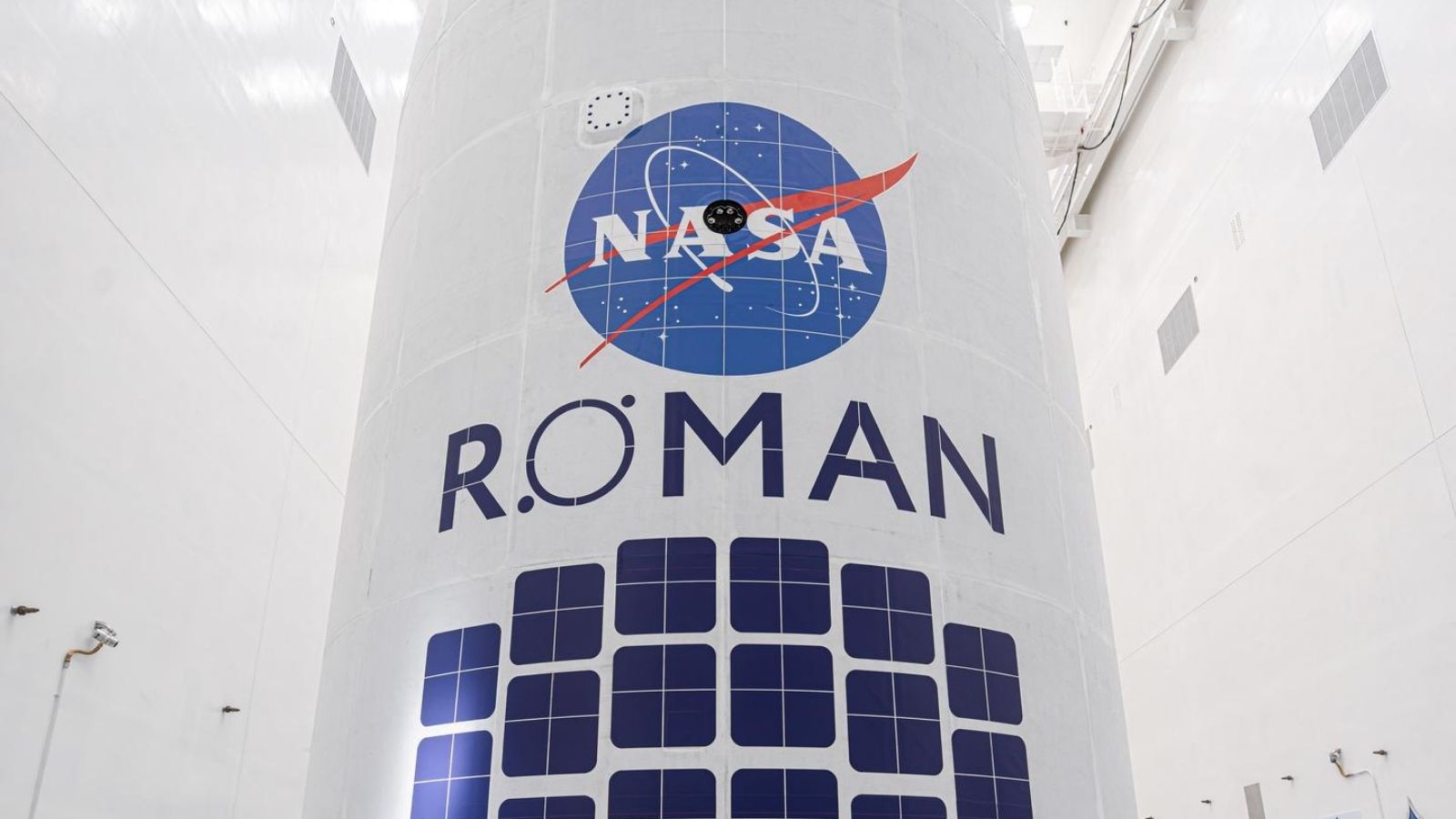
NASA’s Roman Telescope Set for Falcon Heavy Launch