3 days ago
NASA Launches Roman Telescope to Probe Dark Energy Mysteries

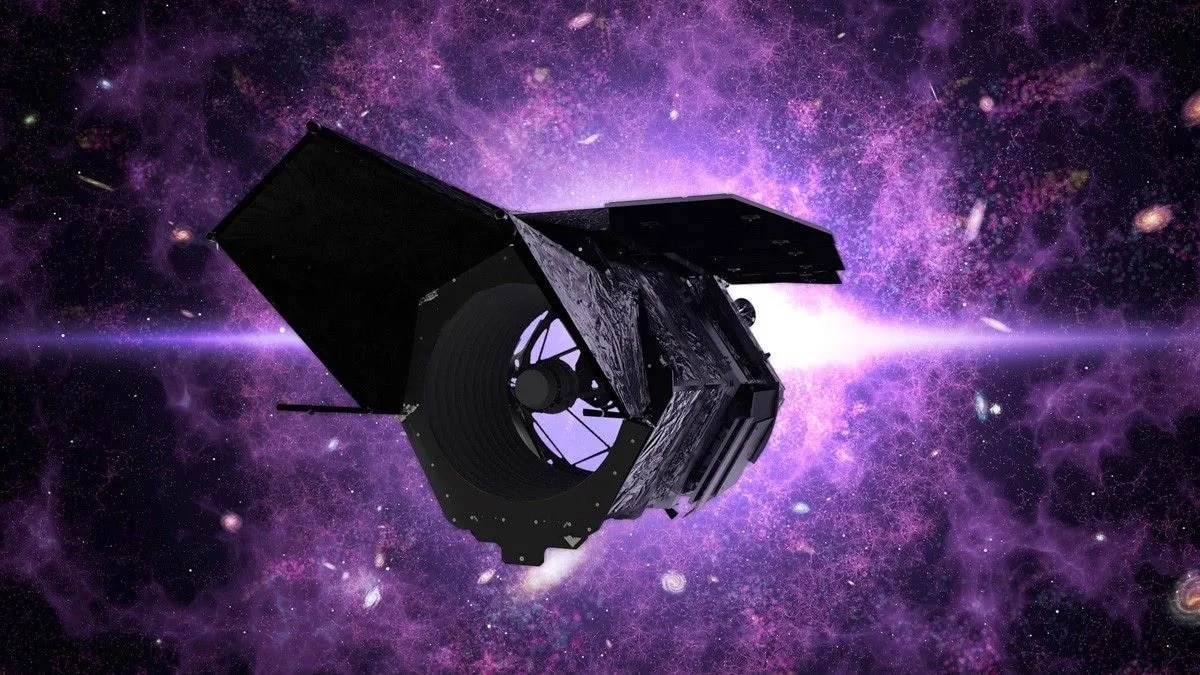
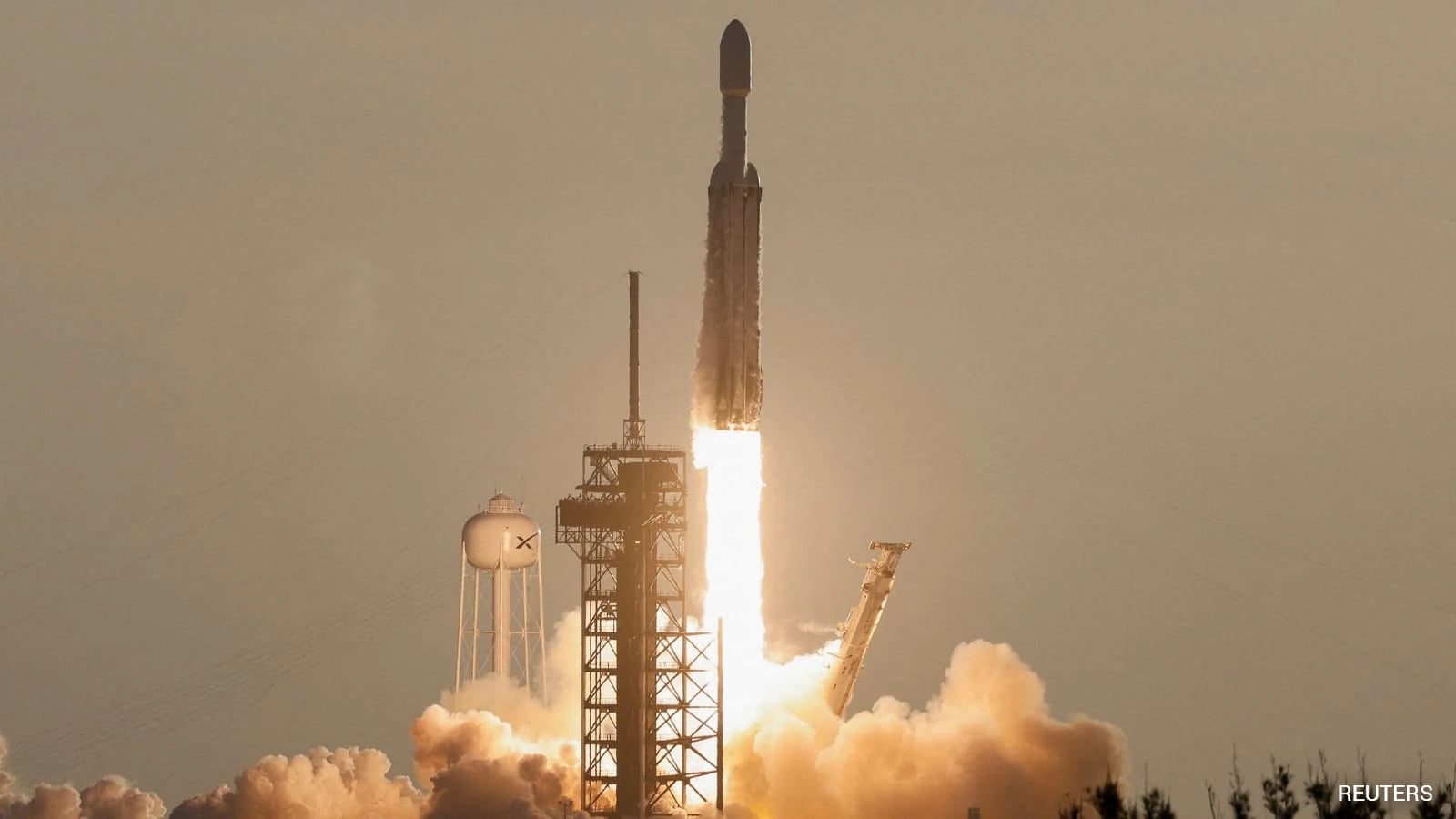
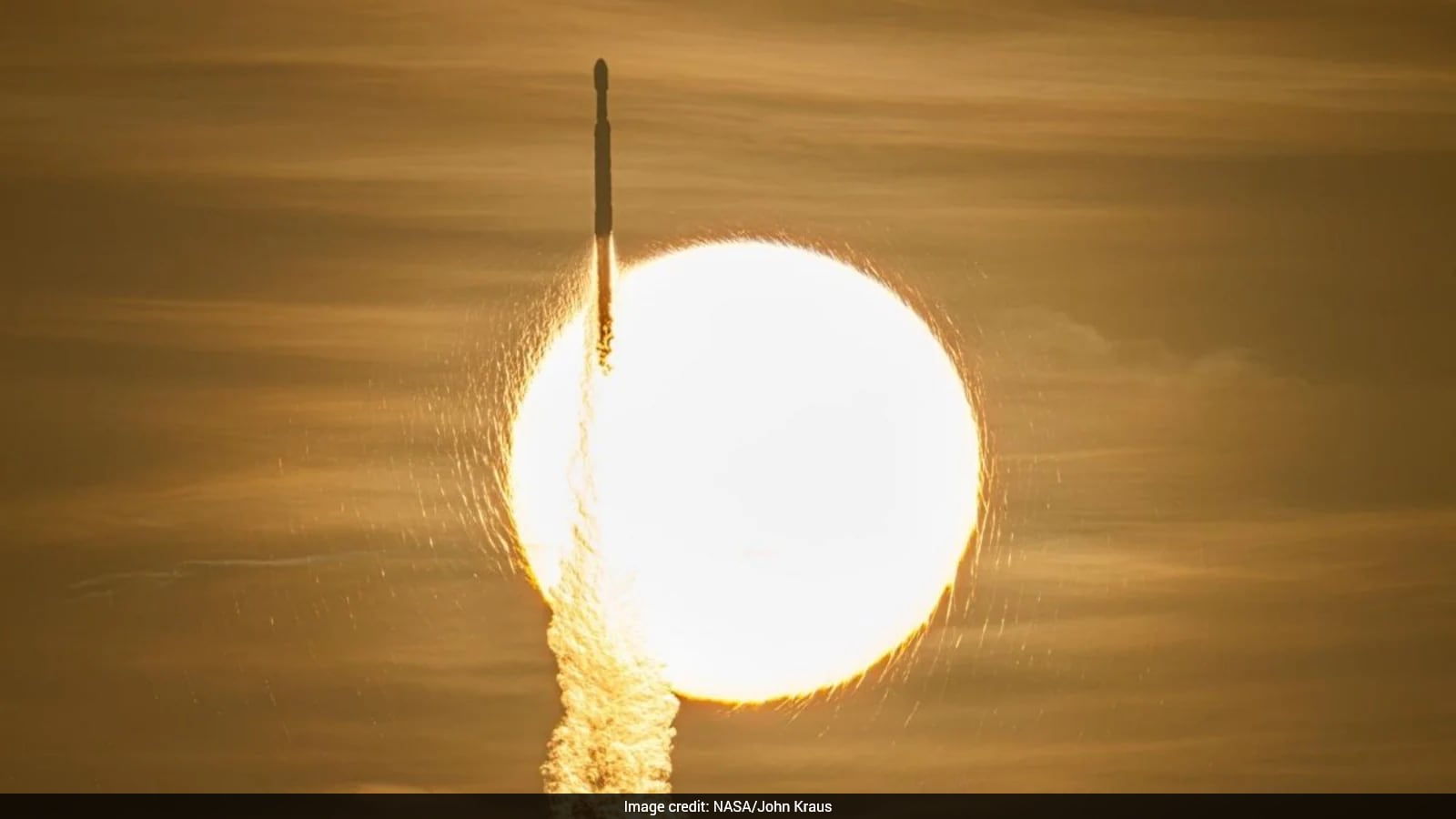
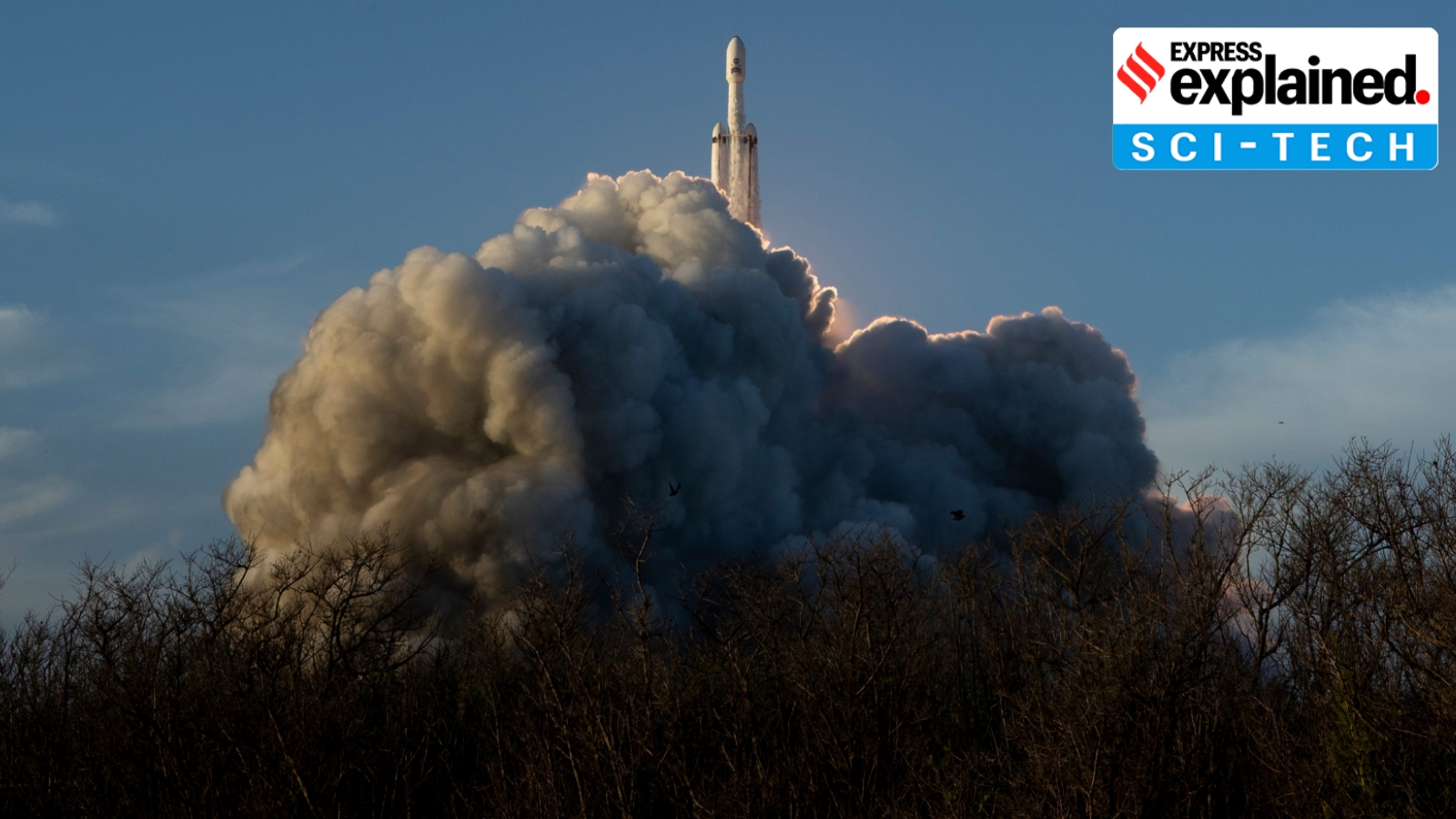
NASA launched a new space telescope called Roman on a SpaceX Falcon Heavy rocket.
Roman will travel to a special place about 1 million miles from Earth.
From there, it will take wide pictures of the universe mainly using infrared light.
Scientists want to learn more about dark matter and dark energy, which cannot be seen directly.
They will also study how the universe expands and how galaxies change.
Roman will search for planets around other stars.
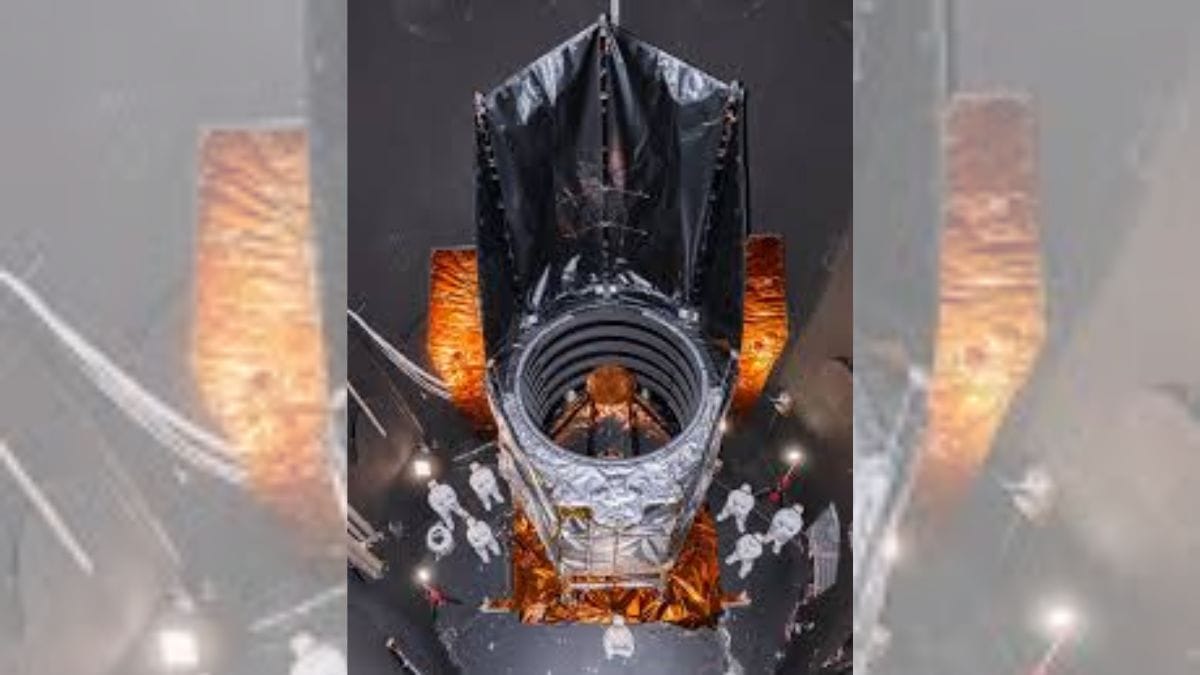
A special tool called a coronagraph may block starlight so faint planets can be photographed.
Roman can scan much more sky, much faster, than Hubble.
Webb and other telescopes can study interesting objects that Roman discovers in greater detail.
The mission is planned to last five years, with a possible five-year extension.

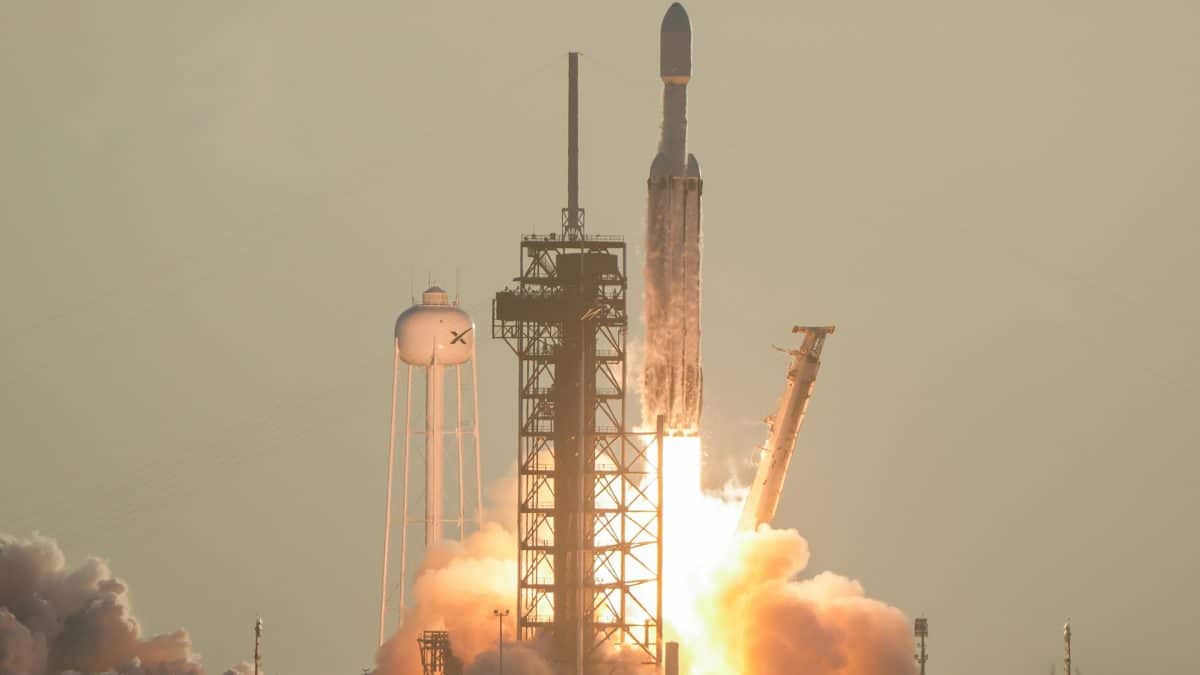
NASA launched the approximately $4.3 billion Nancy Grace Roman Space Telescope aboard SpaceX’s Falcon Heavy from Florida on August 30, 2026.
Roman is traveling to Sun-Earth Lagrange Point 2, about 1 million miles from Earth, with arrival expected after more than three months.
The telescope will map billions of galaxies and investigate dark energy, dark matter, cosmic expansion, gravity, black holes, and galaxy formation.
Roman’s field of view is at least 100 times wider than Hubble’s, enabling much faster surveys across large regions of the sky.
Its five-year mission could be extended by another five years, while its coronagraph will attempt direct imaging of faint exoplanets.
- Who
- NASA launched the Nancy Grace Roman Space Telescope aboard SpaceX’s Falcon Heavy rocket.
- What
- Roman began a space mission to survey the universe, investigate dark energy and dark matter, study galaxies and black holes, and search for exoplanets.
- Where
- The launch took place at NASA’s Kennedy Space Center near Cape Canaveral, Florida. Roman is heading to Sun-Earth Lagrange Point 2, about 1 million miles from Earth.
- When
- The launch occurred at 7:26 a.m. local time on Sunday, August 30, 2026; science operations are expected to begin around the end of 2026, with first images anticipated in 2027.
- Why
- Scientists hope Roman’s wide and rapid surveys will clarify cosmic expansion, dark energy, dark matter, galaxy evolution, gravity, and planetary systems.
Key facts
- Mission cost
- Approximately $4.3 billion; another article describes the project as roughly $4 billion.
- Launch vehicle
- SpaceX Falcon Heavy.
- Destination
- Sun-Earth Lagrange Point 2, approximately 1 million miles (1.6 million kilometers) from Earth, the same location described for the James Webb Space Telescope.
- Mission duration
- A primary mission of five years, with support for a possible additional five-year extension.
- Field of view
- At least 100 times wider than the Hubble Space Telescope’s field of view.
- Survey scope
- Roman’s main survey is planned to cover about 5,100 square degrees, or roughly 12% of the sky, and map more than two billion galaxies.
- Exoplanet instrument
- An experimental coronagraph will block starlight to attempt direct imaging of faint exoplanets and planet-forming disks.
Quotes
Kristen McQuinn
Head of the Nancy Grace Roman Space Telescope mission office at the Space Telescope Science Institute
“One of the most exciting aspects of Roman is its discovery potential. Historically, major astronomical observatories have often made their most important breakthroughs in areas that scientists did not anticipate before launch.”
 NDTV
NDTV
“There might be something fundamentally missing from physics as we understand physics, and so Roman has the potential to shed light on that.”
 thehindubusinessline.com
thehindubusinessline.com
thehindubusinessline.com
Dmitry Savransky
Cornell associate professor and principal investigator supporting Roman’s coronagraph
“If we are successful, it would be incredibly compelling and exciting scientifically, because this will be a unique dataset that literally doesn’t exist.”
 livemint.com
Sources

SpaceX launches NASA’s dark energy-hunting space telescope
NASA Launches $4 Billion Telescope Into Space To Study Cosmic Enigmas

NASA's Nancy Grace Roman Space Telescope launch: What it will study and how it compares to Hubble, Webb

NASA’s Roman space telescope blasts off on SpaceX Falcon Heavy to unlock dark energy secrets
SpaceX launches NASA’s dark energy-hunting space telescope
Related news
NASA’s Roman Telescope Set to Probe Dark Energy, Exoplanets
NASA Launches Roman Telescope to Map the Dark Universe
NASA Launches Roman Telescope to Explore Cosmic Mysteries
NASA Launches Roman Telescope to Probe Universe’s Mysteries
NASA’s Roman Telescope Set for Falcon Heavy Launch