2 weeks ago
NASA's James Webb Telescope Discovers Giant Exoplanet Beta Pictoris d
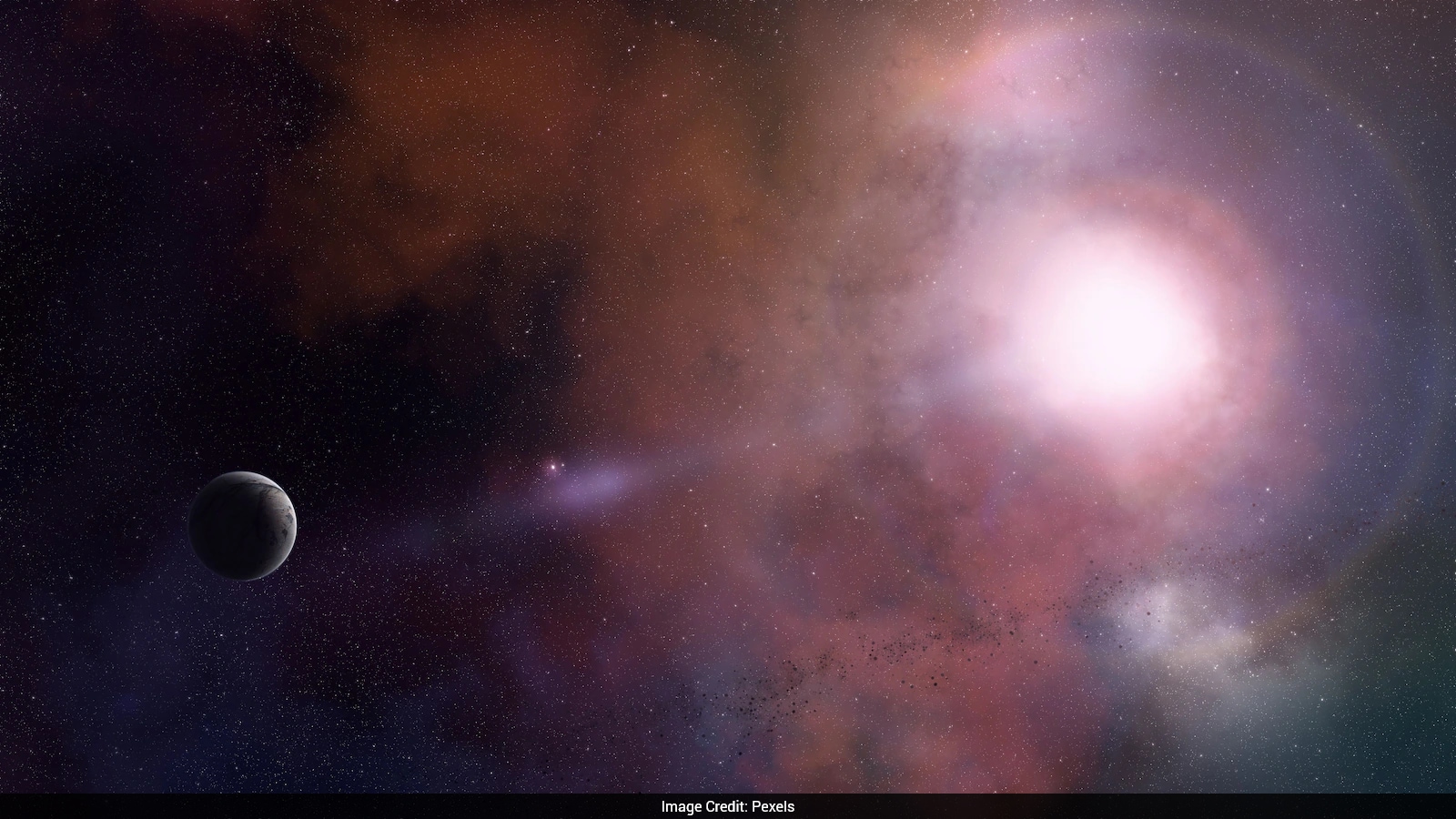
Scientists found a brand-new giant planet far, far away in space.
They used NASA's James Webb Space Telescope, a very powerful telescope.
The planet is called Beta Pictoris d.
It is at least two times bigger and heavier than Jupiter, the largest planet in our solar system.
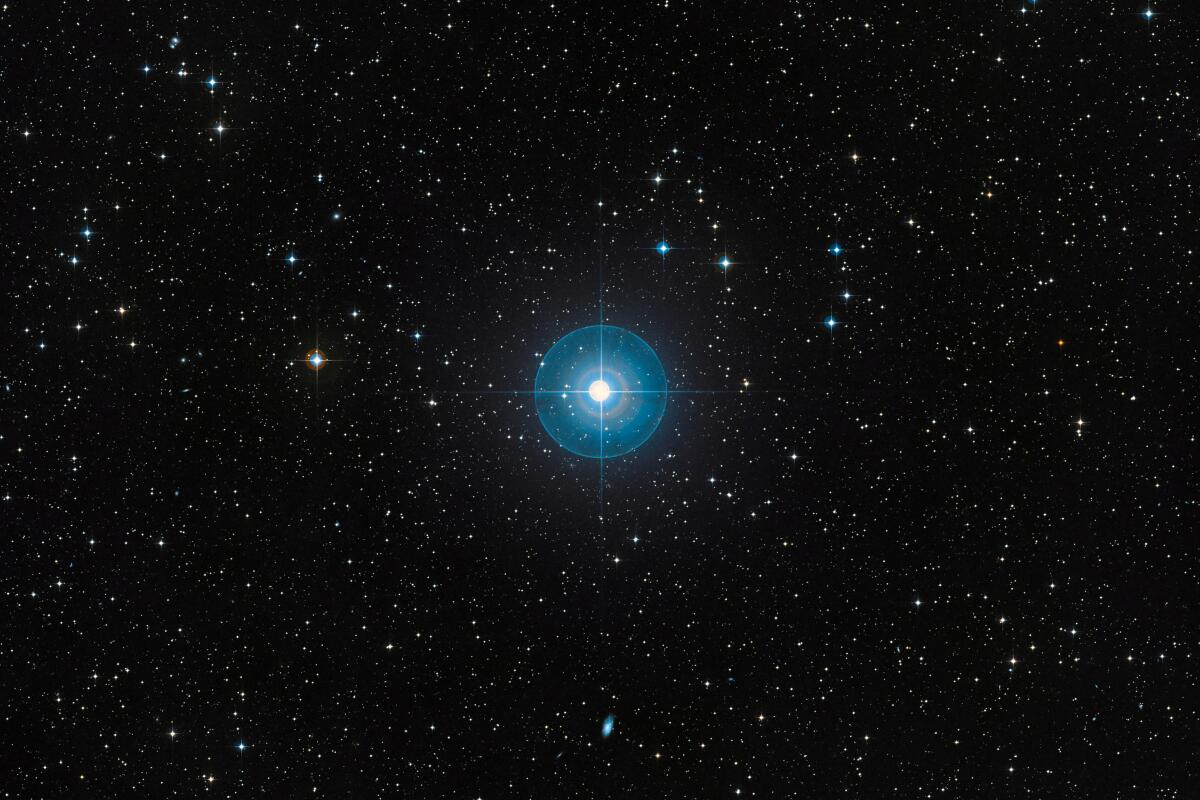
The planet lives in a star system called Beta Pictoris, which is 63 light-years from Earth.
That star system is very young, only about 23 million years old.
It already has two other known planets, Beta Pictoris b and c.
Scientists found the new planet by studying the special chemical fingerprint of its air, called its atmosphere.
The scientists were not even searching for a new planet at the time.
This discovery helps us learn how planets and families of planets are born and change over time.

NASA's James Webb Space Telescope has discovered a new giant exoplanet named Beta Pictoris d.
Beta Pictoris d is at least two times the mass of Jupiter, making it the smallest of the three known giant planets in its system.
Unlike the other two planets, it was detected through the unique chemical fingerprint of its atmosphere, not by direct imaging.
The Beta Pictoris system is 63 light-years from Earth and about 23 million years old, with the planet estimated to orbit at about 30 astronomical units.
The finding, led by Aidan Gibbs of the University of California, San Diego, was made while Webb studied Beta Pictoris b and was published in the Astrophysical Journal Letters.
- Who
- Astronomers led by Aidan Gibbs, a postdoctoral researcher at the University of California, San Diego, using NASA's James Webb Space Telescope.
- What
- Discovered Beta Pictoris d, a giant exoplanet at least two times as massive as Jupiter, detected through the chemical fingerprint of its atmosphere.
- Where
- The Beta Pictoris system, located 63 light-years from Earth.
- When
- Not specified in the articles; NASA recently reported the discovery, which is published in the Astrophysical Journal Letters.
- Why
- The unexpected discovery adds another piece to understanding how planetary systems form and evolve; it surfaced while the team studied Beta Pictoris b.
Key facts
- Exoplanet
- Beta Pictoris d
- Mass
- At least two times Jupiter's mass
- Host Star System
- Beta Pictoris, 63 light-years from Earth
- System Age
- About 23 million years
- Estimated Orbit
- About 30 astronomical units from its star
- Detection Method
- Chemical fingerprint of its atmosphere using the NIRSpec instrument
- Study Published In
- The Astrophysical Journal Letters
- Lead Author
- Aidan Gibbs, University of California, San Diego
Quotes
Aidan Gibbs
Lead author of the study, postdoctoral researcher at the University of California, San Diego
“Beta Pictoris has long served as a laboratory for understanding how planetary systems form and evolve, and now another planet is helping tell that story.”
 NDTV
NDTV
Sources
Related news
MIT Astronomers Discover 'Black Hole Star' in Early Universe
'Black hole star' may explain JWST's mysterious 'little red dots'

NASA Launches Roman Telescope to Explore Cosmic Mysteries

NASA Launches Roman Telescope to Map the Dark Universe

NASA Launches Roman Telescope to Probe Dark Energy Mysteries
NASA’s Roman Telescope Set to Probe Dark Energy, Exoplanets