2 weeks ago
Hyderabad-Born Astronomer Behind Study of Mysterious 'Black Hole Star'

Scientists have found a strange, super-bright object in space that looks like a star.
It is about 100 billion times brighter than an ordinary star like our Sun.
An astronomer named Rohan Naidu helped study this object.
Naidu grew up in Hyderabad, India, and left engineering school when he was 18.
He went to college in Singapore and eventually became a scientist at MIT.
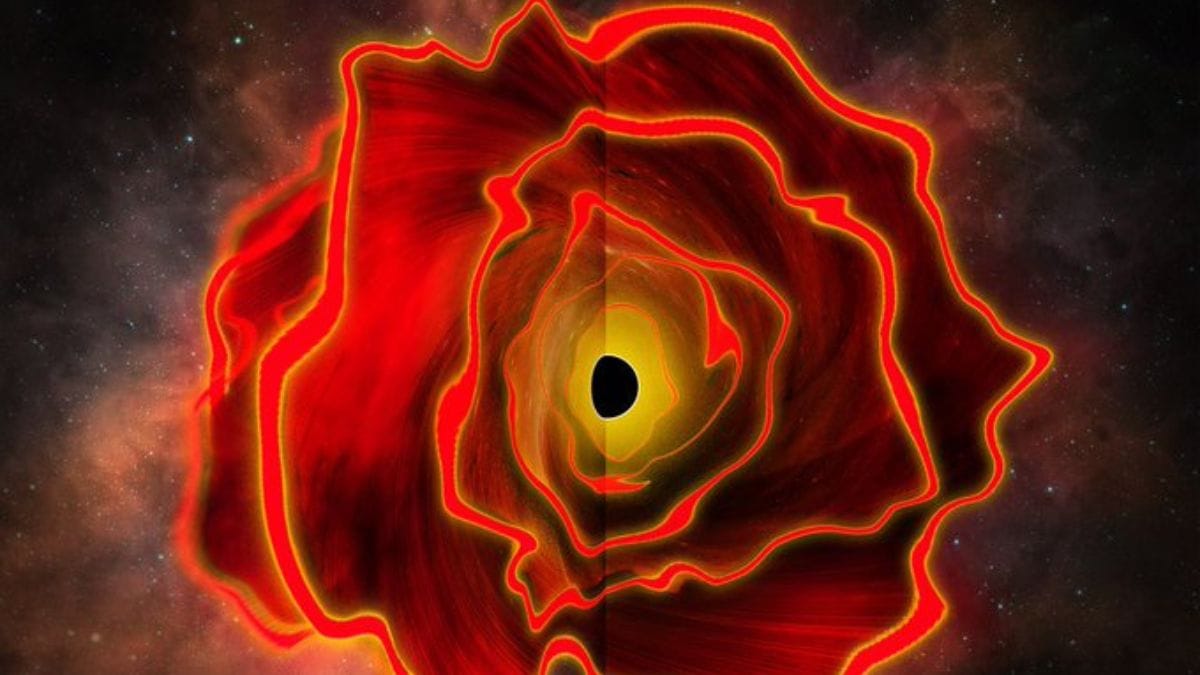
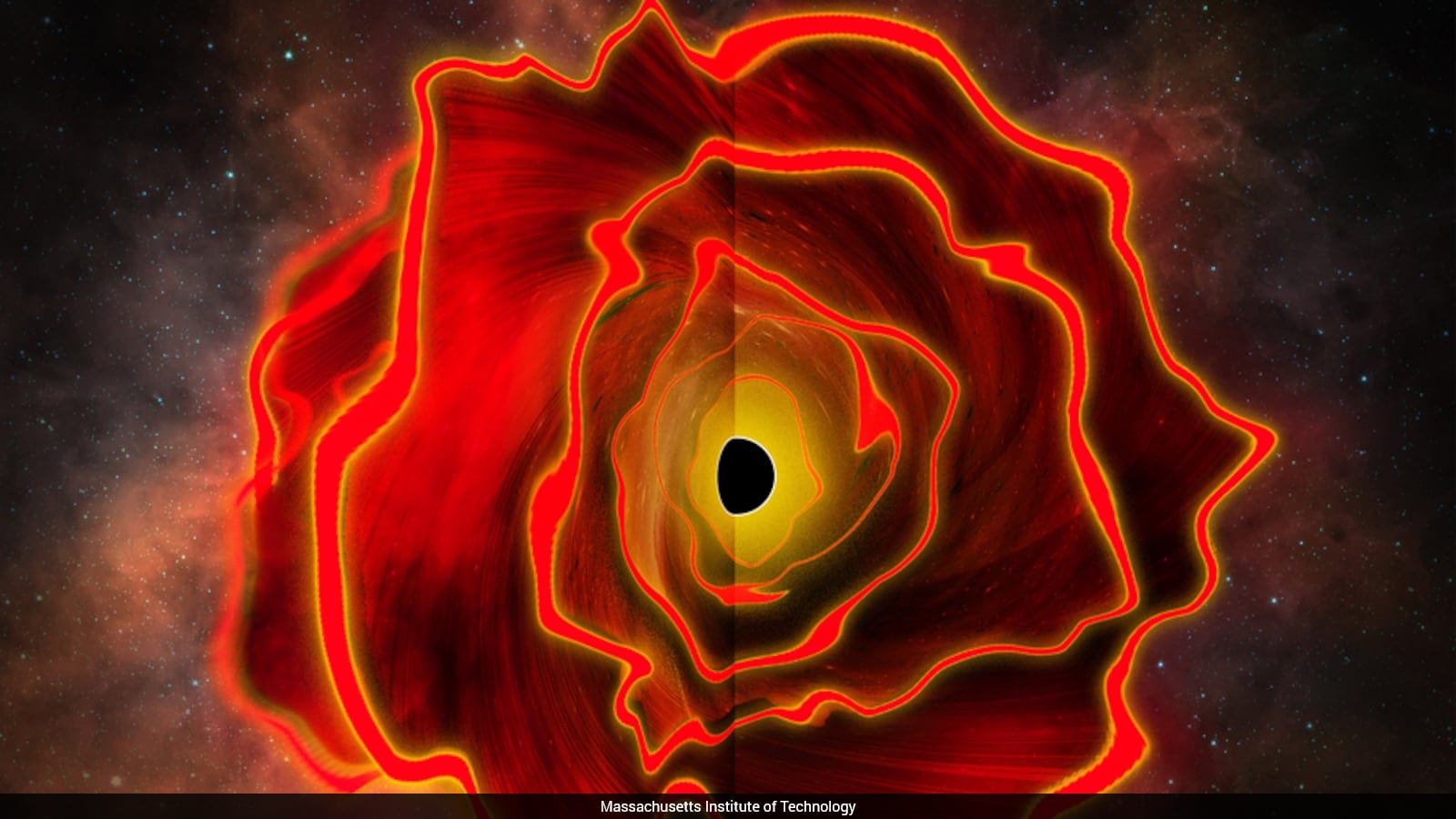
The object, called MoM-BH-1*, might actually be a black hole covered in a giant cloud of gas.
The gas is so thick that it looks like a huge star as big as our whole solar system.
The black hole eats up the gas, and that's what makes the object shine so brightly.
This discovery could help explain other strange little red dots that the James Webb Space Telescope has spotted in the early universe.

Rohan Naidu, a NASA Hubble Fellow at MIT's Kavli Institute, led research on an object possibly powered by a black hole wrapped in dense hydrogen.
The object, named MoM-BH-1*, is estimated to be around 100 billion times brighter than an ordinary star.
Naidu, born in Hyderabad, India, dropped out of engineering school at 18 to join the founding class at Yale-NUS College in Singapore.
Researchers believe a central black hole about 100,000 times the mass of the Sun sits inside an envelope of gas roughly the size of the solar system.
The findings could help explain the mysterious 'little red dots' detected by JWST throughout the early universe.
- Who
- Rohan Naidu, a NASA Hubble Fellow and Pappalardo Fellow at MIT's Kavli Institute for Astrophysics and Space Research, along with collaborators including Robert Simcoe.
- What
- Identification of MoM-BH-1*, an unusually red and bright object that may be a 'black hole star' — a black hole surrounded by a dense hydrogen envelope.
- Where
- The object was examined using James Webb Space Telescope (JWST) observations from the MoM survey; Naidu is based at MIT in the United States.
- When
- Not specified in the article.
- Why
- The object's brightness — about 100 billion times that of an ordinary star — cannot be explained by nuclear fusion, leading researchers to propose an actively feeding black hole.
Key facts
- Object
- MoM-BH-1*
- Brightness
- About 100 billion times brighter than an ordinary star
- Estimated black hole mass
- About 100,000 times the mass of the Sun
- Gas envelope
- Dense hydrogen envelope nearly the size of the solar system
- Telescope
- James Webb Space Telescope (JWST)
- Survey
- Mirage or Miracle (MoM) survey
- Lead researcher
- Rohan Naidu, MIT Kavli Institute
- Key evidence
- Deepest Balmer break ever observed in any object
Quotes
Rohan Naidu
MIT researcher and NASA Hubble Fellow
“We think there is a central black hole that is 100,000 times as massive as the sun. And around this black hole, there would be this very extended envelope of gas that looks like a star the size of the solar system. It’s huge.”
 businesstoday.in
“You have something that looks a bit like a star but is 100 billion times brighter. That means you can’t be powering this by nuclear fusion, which is the energy source that sits at the heart of all the stars we have.”
businesstoday.in
Sources
Related news
'Black hole star' may explain JWST's mysterious 'little red dots'
MIT Astronomers Discover 'Black Hole Star' in Early Universe
Milky Way's Mystery Engine Blasts Record-Breaking Cosmic Particle Energies
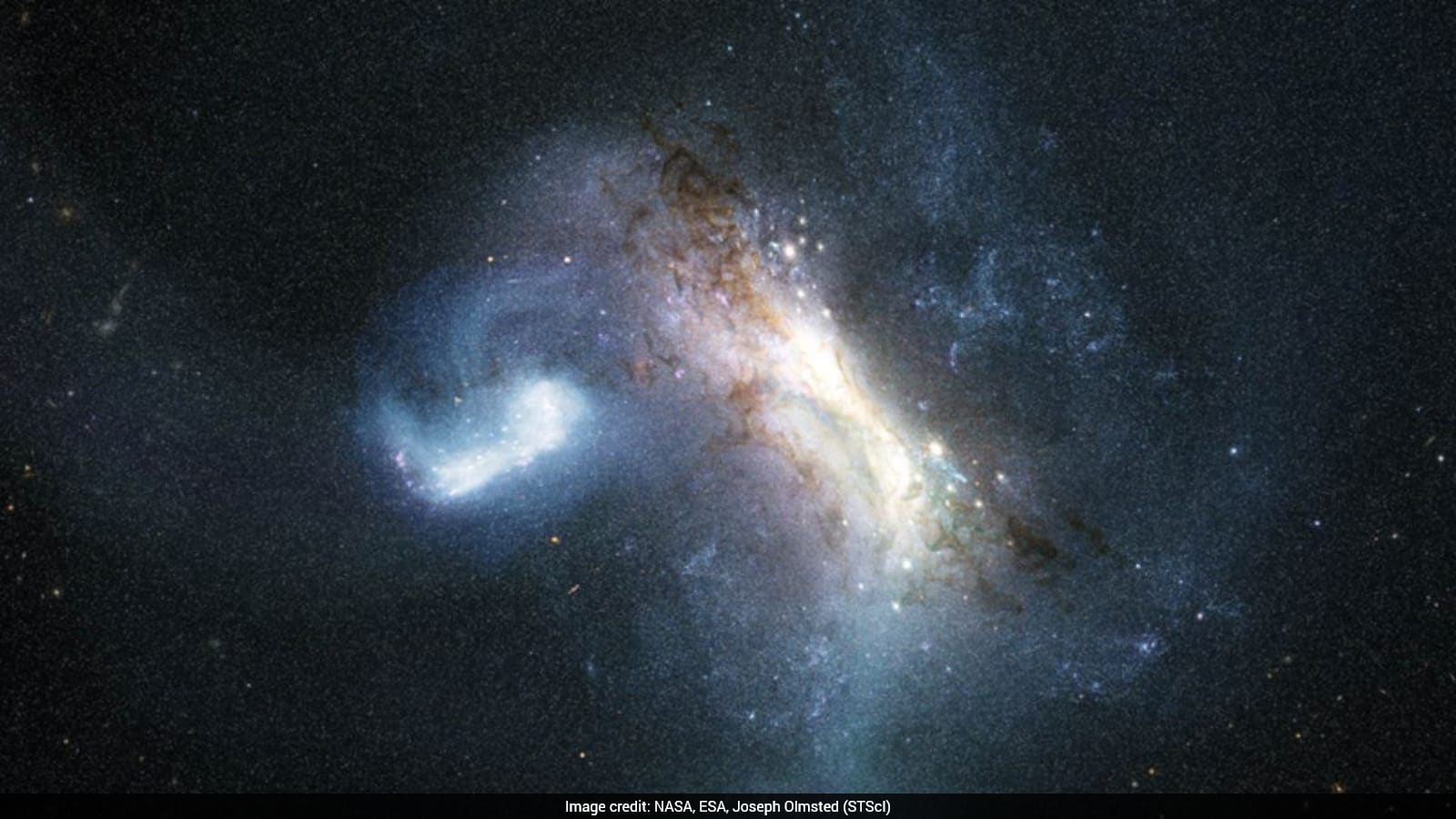
Hubble Reveals Ancient LKH Collision Shaped the Milky Way's Growth
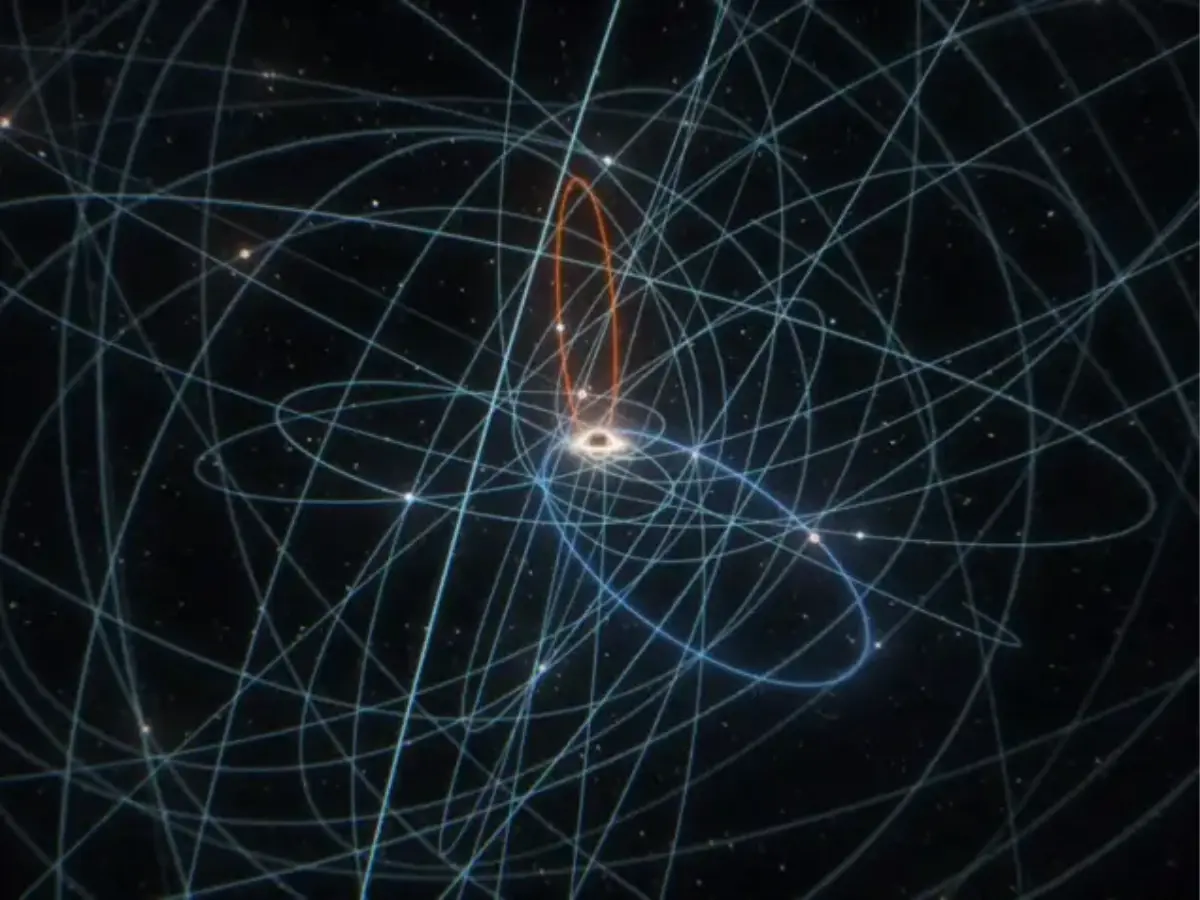
Fast-Moving Star Probes Spacetime Near Sagittarius A*
NASA Launches Roman Telescope to Probe Universe’s Mysteries
NASA Launches Roman Telescope to Explore Cosmic Mysteries

NASA Launches Roman Telescope to Map the Dark Universe

NASA’s Roman Telescope Set for Falcon Heavy Launch

NASA Launches Roman Telescope to Probe Dark Energy Mysteries