2 days ago
NASA Launches Roman Telescope to Explore Cosmic Mysteries
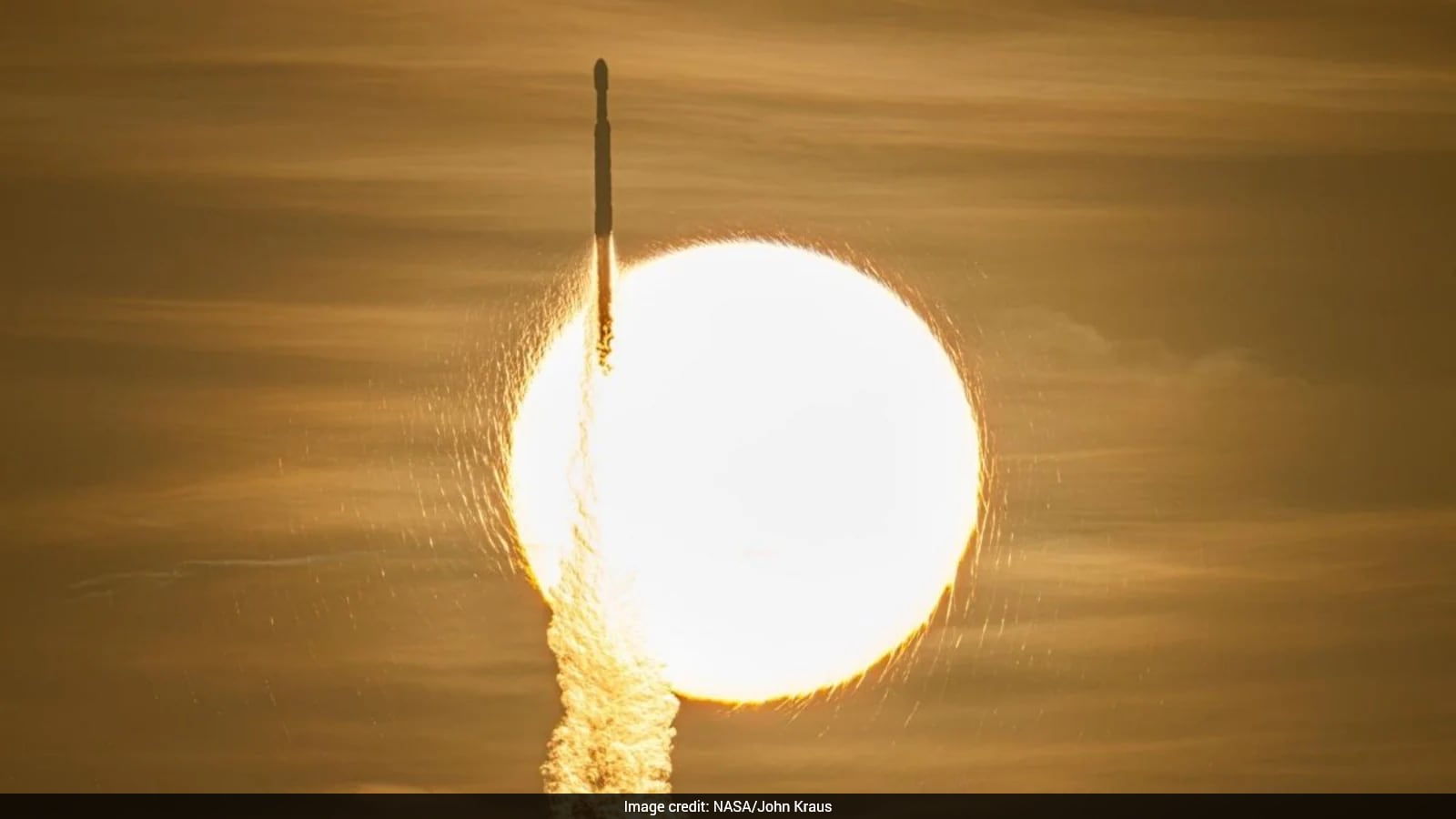
NASA has launched a new telescope called Roman into space.
It will travel about one million miles away from Earth.
Roman will work in the same general area as the James Webb Space Telescope.
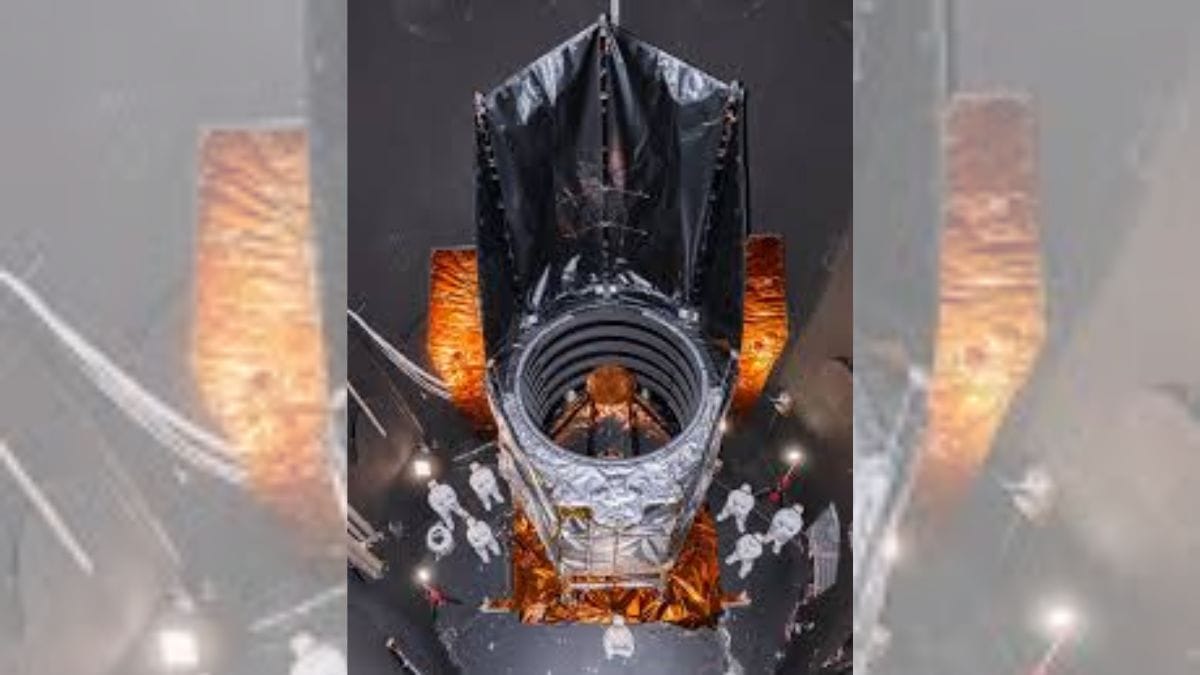
It has a powerful camera that can take large pictures of the universe using infrared light.
Another instrument can help scientists see planets close to bright stars.
Scientists will use Roman to study dark energy and dark matter.
They will also look for planets outside our solar system and test ideas about gravity.
Roman is planned to work for at least five years, with a goal of operating for 10 years.

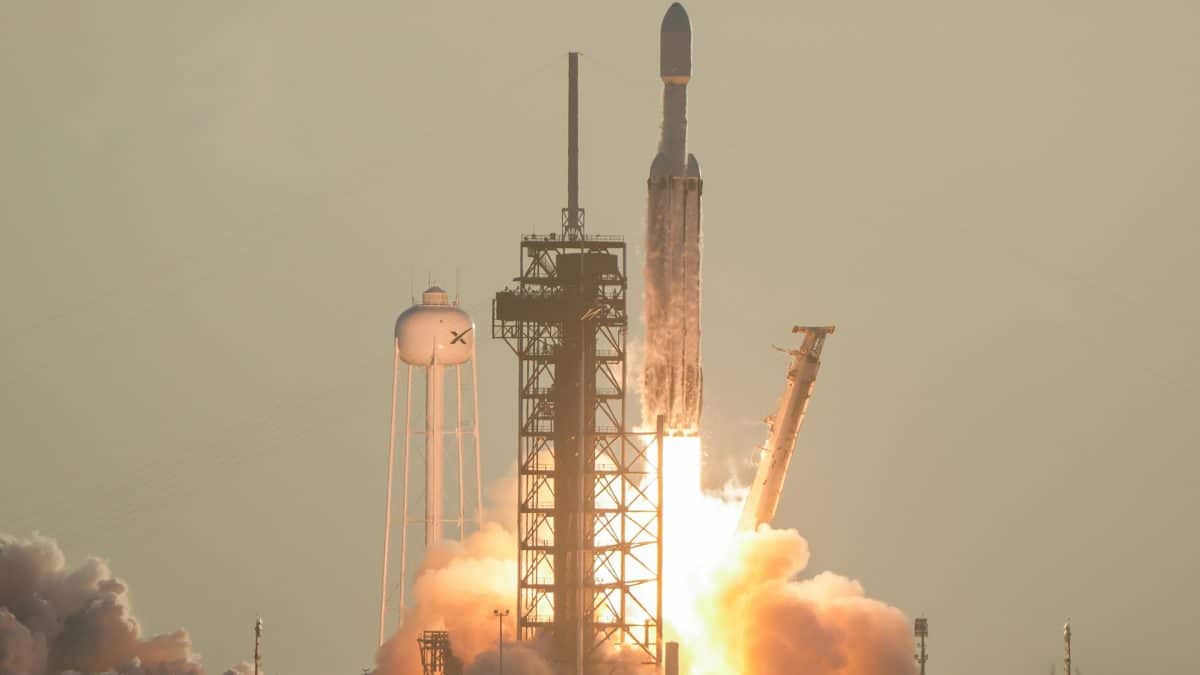
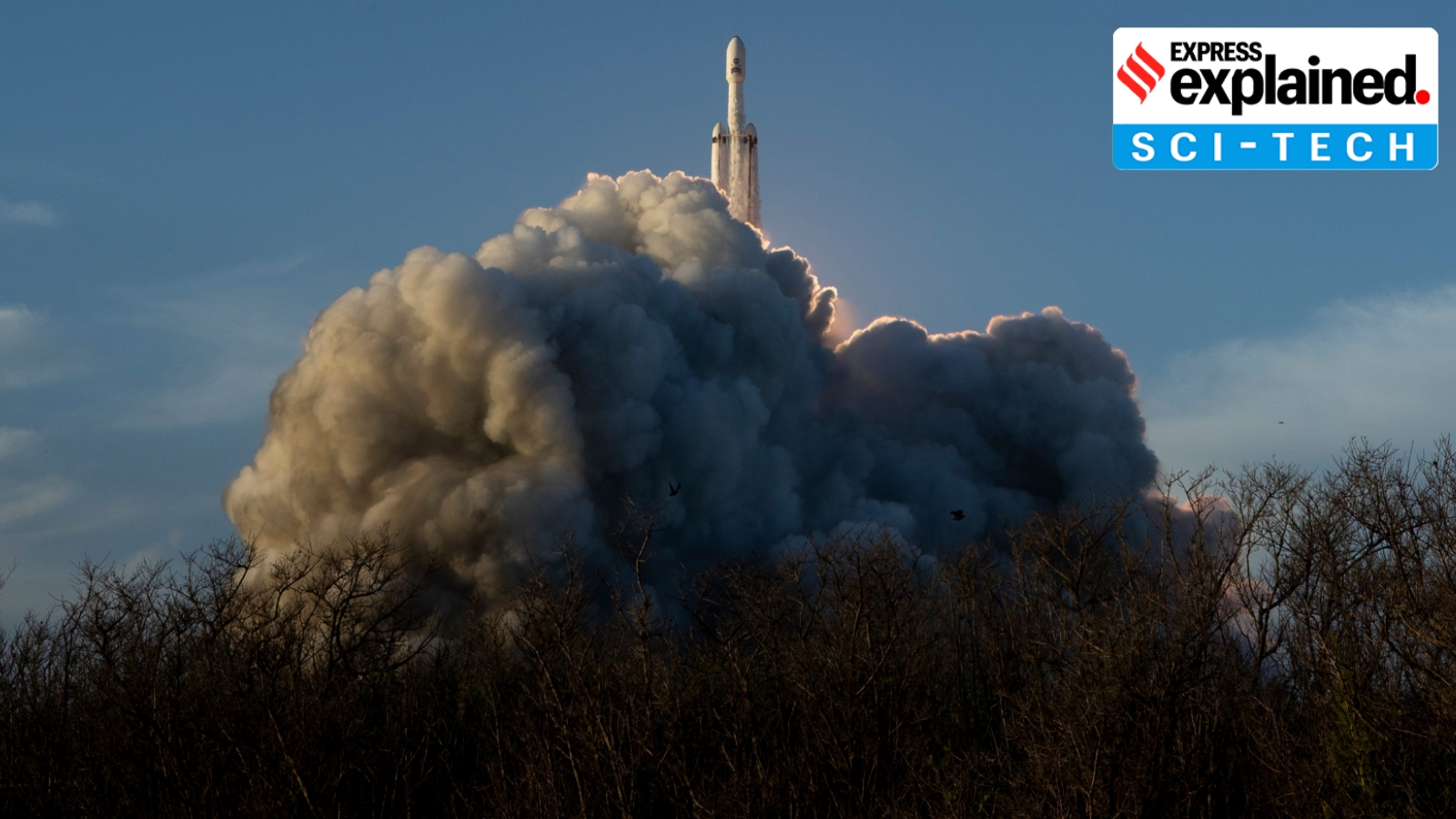
NASA launched the Nancy Grace Roman Space Telescope aboard a SpaceX Falcon Heavy from Florida’s Kennedy Space Center.
Roman is traveling to a region about one million miles from Earth, near the James Webb Space Telescope.
Its Wide Field Instrument has an approximately 300-megapixel near-infrared camera with 18 detectors.
Its Coronagraph Instrument will directly image some exoplanets and study their atmospheres.
NASA says Roman will survey the universe up to 1,000 times faster than Hubble to investigate dark energy, dark matter, gravity, and hidden planets.
- Who
- NASA launched the Nancy Grace Roman Space Telescope, with officials and scientists including Jared Isaacman, Nicky Fox, and Julie McEnery discussing its mission.
- What
- The telescope was launched to survey deep space, study cosmic history, investigate dark energy and dark matter, find exoplanets, and test gravity on cosmic scales.
- Where
- Roman launched from Kennedy Space Center in Florida aboard a SpaceX Falcon Heavy and is traveling to a region about one million miles from Earth.
- When
- The articles do not provide a launch date; Roman has a planned primary mission lifespan of five years and a goal of operating for 10 years.
- Why
- NASA says Roman’s wide field of view and rapid survey speed will create a broad new map of the universe and support the search for life beyond the solar system.
Key facts
- Launch vehicle
- SpaceX Falcon Heavy
- Launch site
- Kennedy Space Center, Florida
- Destination
- A region about one million miles (1.6 million kilometers) from Earth, near the James Webb Space Telescope
- Primary instruments
- Wide Field Instrument and Coronagraph Instrument
- Survey speed
- NASA says Roman will survey the universe 1,000 times faster than the Hubble Space Telescope
- Planned mission duration
- Five-year primary lifespan, with a goal of operating for 10 years
- Main research areas
- Dark energy, dark matter, exoplanets, cosmic history, and tests of gravity
Quotes

Jared Isaacman
NASA Administrator
“Roman is exactly the kind of success story we want to see across NASA. Delivered ahead of schedule and on budget, this mission reflects more than a decade of dedication from the NASA workforce and our industry partners.”
 NDTV
NDTV
Nicky Fox
Associate administrator for NASA’s Science Mission Directorate
“Roman will be a discovery machine that will bring us closer than ever before to answering humanity's most profound questions about our cosmic history.”
NDTV

Julie McEnery
Roman’s senior project scientist at NASA Goddard
“We've never been able to view the universe with eyes like Roman's before. There's no telling what more we'll know and have seen by this time next year.”
NDTV
Sources
Related news

NASA Launches Roman Telescope to Probe Dark Energy Mysteries
NASA’s Roman Telescope Set to Probe Dark Energy, Exoplanets
NASA Launches Roman Telescope to Map the Dark Universe
NASA Launches Roman Telescope to Probe Universe’s Mysteries
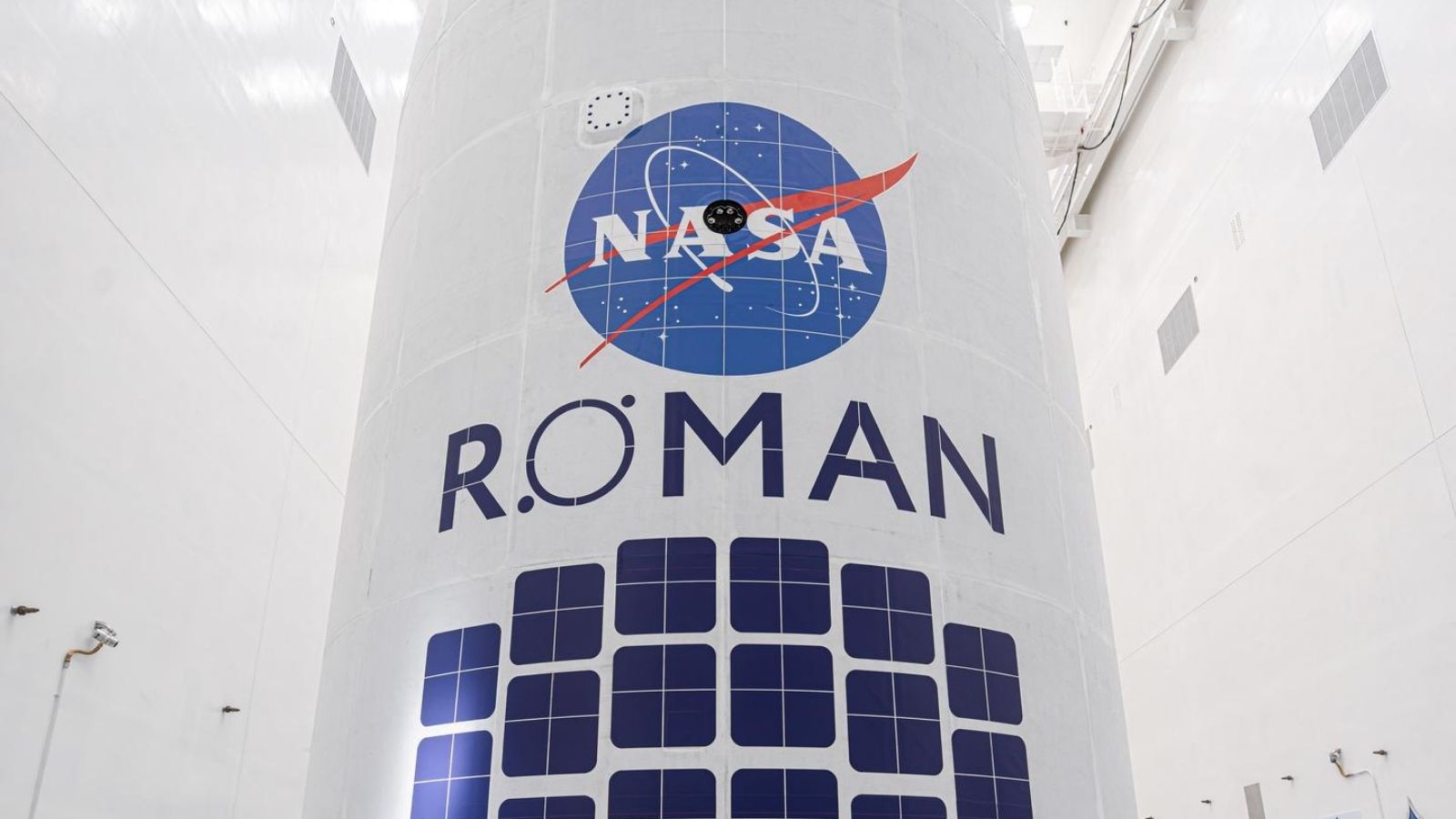
NASA’s Roman Telescope Set for Falcon Heavy Launch
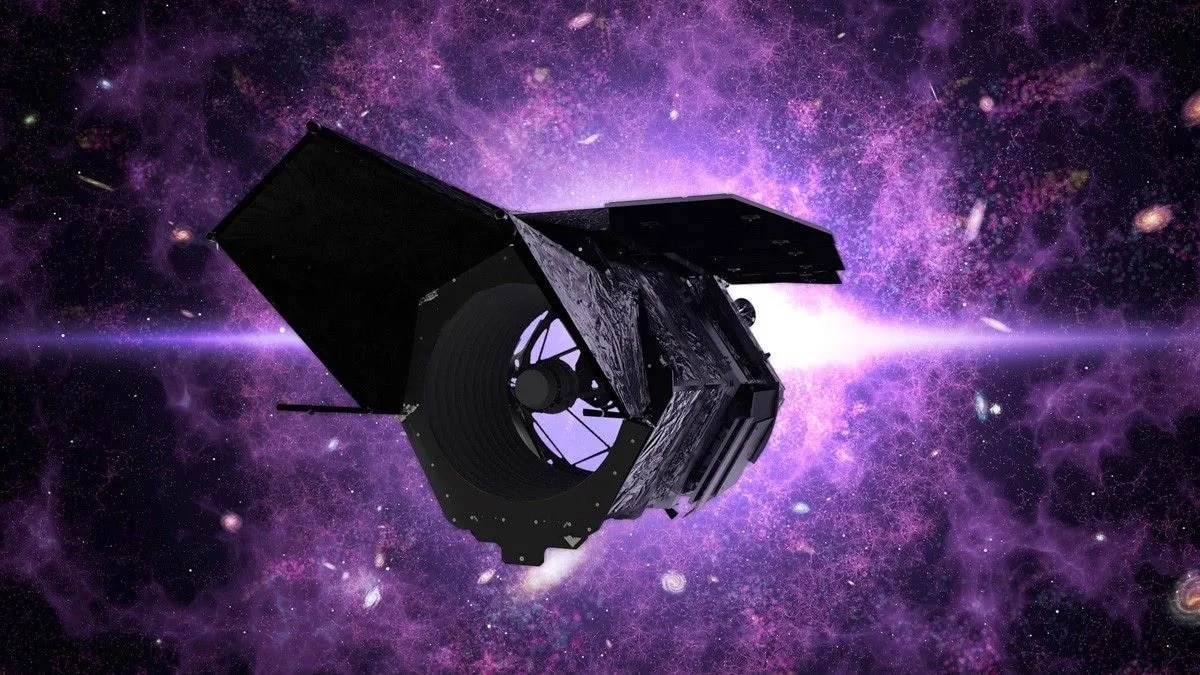
NASA's Roman telescope will change our view of the universe
Trump Honors Artemis II Crew, Establishes U.S. Space Academy

Trump Orders Commission to Design NASA-Led US Space Academy

Trump Signs Order Launching Proposed U.S. Space Academy
Artemis II Crew to Receive Congressional Space Medal of Honor