1 week ago
NASA’s Roman Telescope Set to Probe Dark Energy, Exoplanets
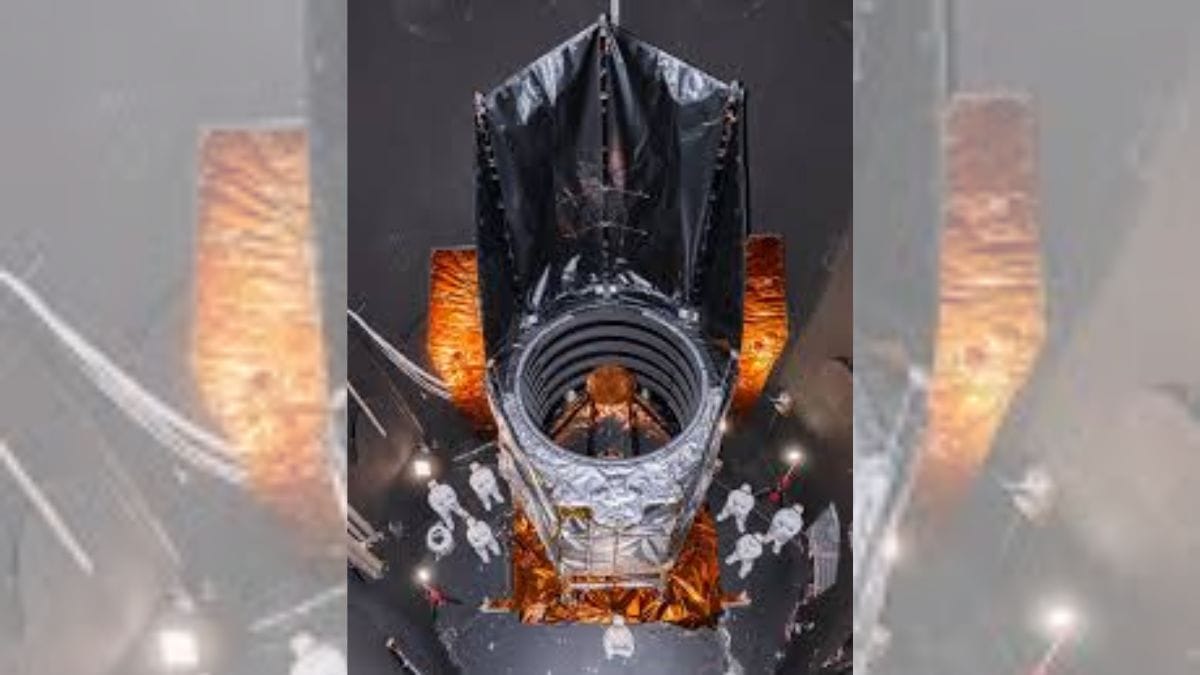
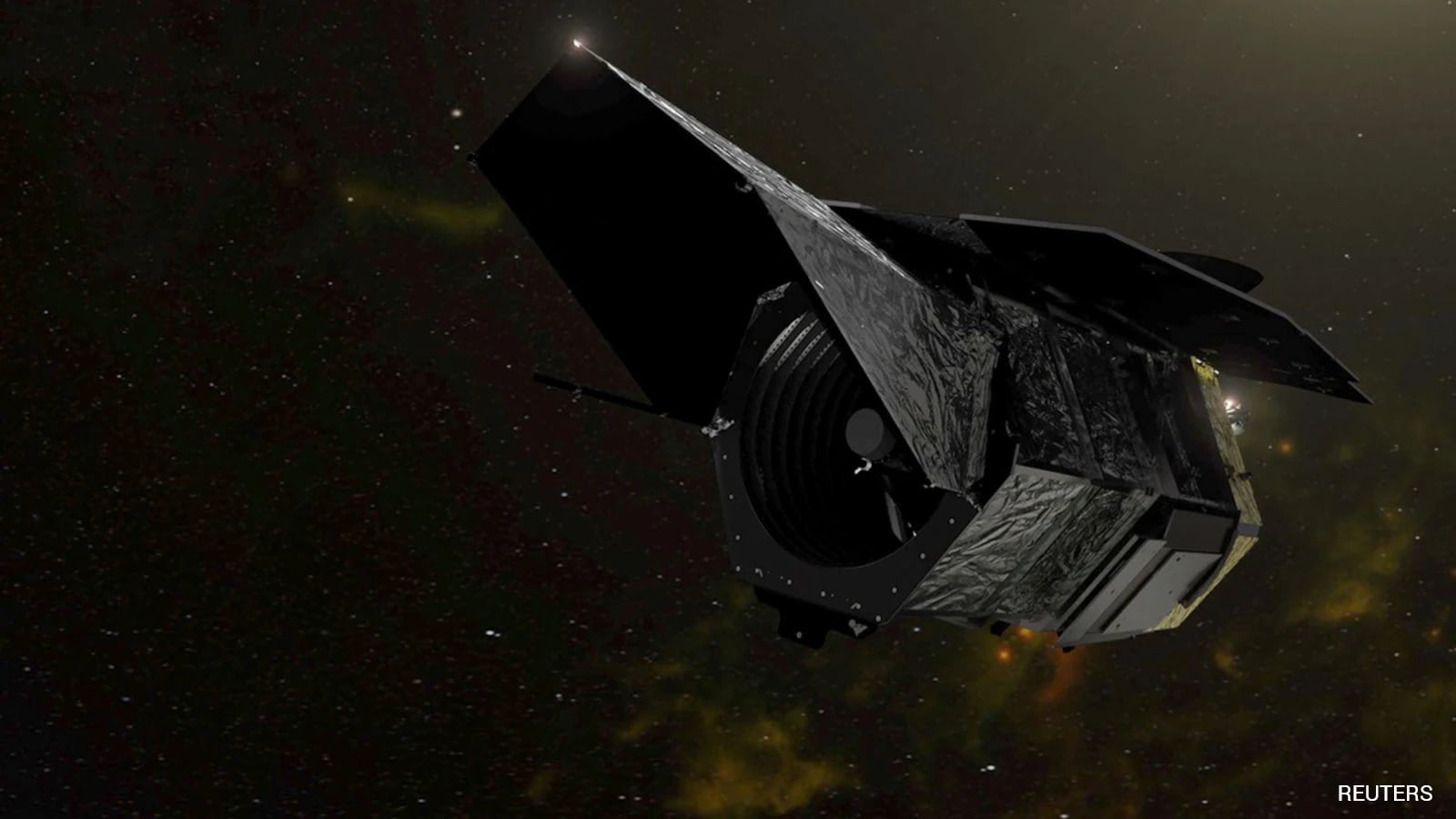
NASA is preparing to launch a new space telescope called Roman.
It will look at much larger areas of the sky than Hubble can at once.
Scientists will use it to study dark matter and dark energy, which cannot be directly seen but affect the universe.
Roman will observe many galaxies and exploding stars to learn how the universe has changed.
It will also test whether Einstein’s description of gravity works across enormous distances.
The telescope will search for planets outside our solar system.
It may discover thousands of these planets using several detection methods.
Roman will travel to a location about one million miles from Earth, where the James Webb Space Telescope also operates.
Its planned mission will last five years, with fuel potentially allowing five more years.

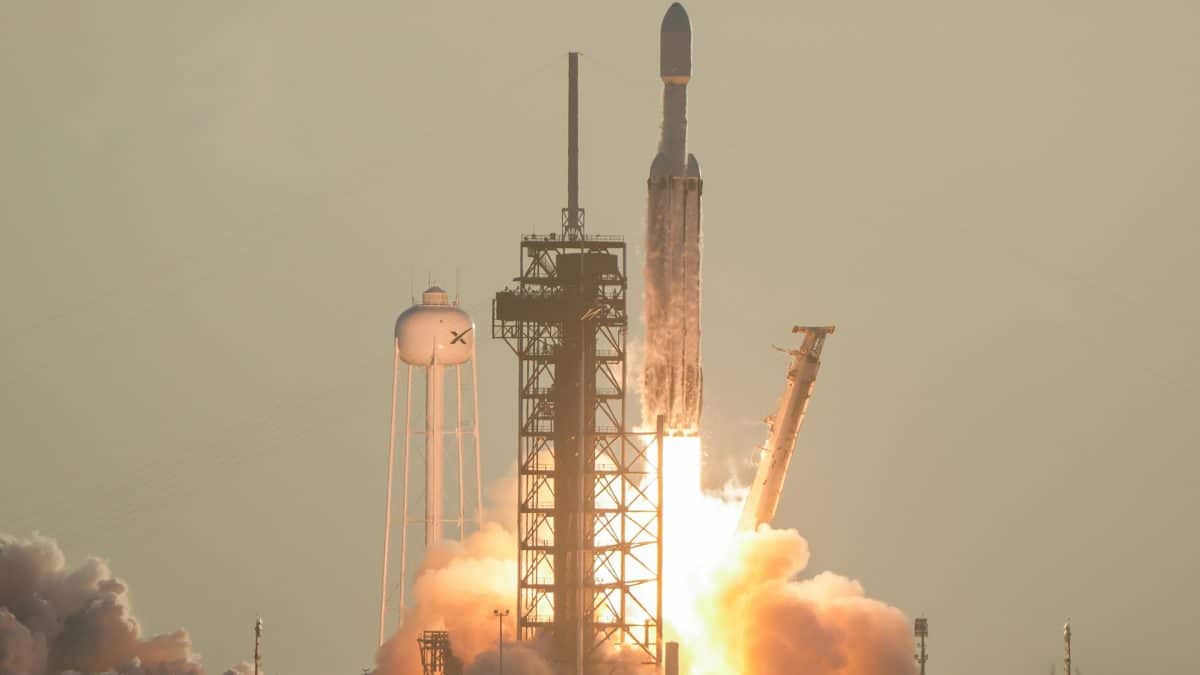
NASA plans to launch the roughly $4 billion Nancy Grace Roman Space Telescope on Sunday from Florida aboard a SpaceX Falcon Heavy rocket.
Roman’s field of view is about 100 times larger than Hubble’s, allowing it to survey vast areas of sky rapidly.
Its main survey is expected to examine more than two billion galaxies and measure the universe’s expansion and structure.
Scientists will use Roman to investigate dark matter, dark energy and whether Einstein’s theory of gravity applies across billions of light-years.
Roman is expected to find thousands of exoplanets, including more than 1,000 through microlensing, and test technology for directly imaging some nearby planets.
- Who
- NASA and collaborating scientists, including Julie McEnery, Kristen McQuinn and Mustapha Ishak, are leading and supporting the mission.
- What
- The Nancy Grace Roman Space Telescope is scheduled to launch and survey the universe while studying dark energy, dark matter, gravity and exoplanets.
- Where
- The launch is planned at Kennedy Space Center in Florida, and Roman will travel to Lagrange Point 2, about one million miles from Earth.
- When
- The launch is planned for Sunday, nine months earlier than originally scheduled; the mission is planned to last five years.
- Why
- Scientists want to measure the universe’s expansion and structure, investigate dark matter and dark energy, test gravity on large scales and search for planets beyond the solar system.
Funding Cut Advocates
Funding Supporters
Mission funding
Funding Cut Advocates
Donald Trump’s administration tried during both his first and second terms to reduce or eliminate funding for Roman.
Funding Supporters
Congress preserved funding for the telescope, allowing the roughly $4 billion mission to proceed toward its planned launch.
Key facts
- Estimated cost
- Roughly $4 billion
- Launch vehicle
- SpaceX Falcon Heavy
- Field of view
- About 100 times larger than Hubble’s
- Galaxy survey
- More than two billion galaxies
- Exoplanet expectations
- More than 1,000 planets through microlensing, plus hundreds of thousands potentially detected through transits
- Destination
- Lagrange Point 2, about one million miles (1.6 million kilometers) from Earth
- Planned mission length
- Five years, with potentially enough fuel for five additional years
- Namesake
- Nancy Grace Roman, NASA’s first chief astronomer, who died in 2018 at age 93
Quotes
Kristen McQuinn
Rutgers University astrophysicist and mission head of the Roman Science Operations Center
“Launch day will be both the culmination of years of preparation and the beginning of the mission’s most important work. What excites me most is knowing that astronomers around the world will soon begin using its data, not only to answer questions we already have, but also to make discoveries none of us has yet imagined.”
 theprint.in
“The goal is not necessarily for Roman to take a picture of dark matter or dark energy, but to measure their effects with far greater precision. That could help us understand what the universe is made of, how it developed and what may happen to it in the distant future.”
theprint.in
Sources
Related news

NASA Launches Roman Telescope to Probe Dark Energy Mysteries
NASA Launches Roman Telescope to Map the Dark Universe
NASA Launches Roman Telescope to Explore Cosmic Mysteries
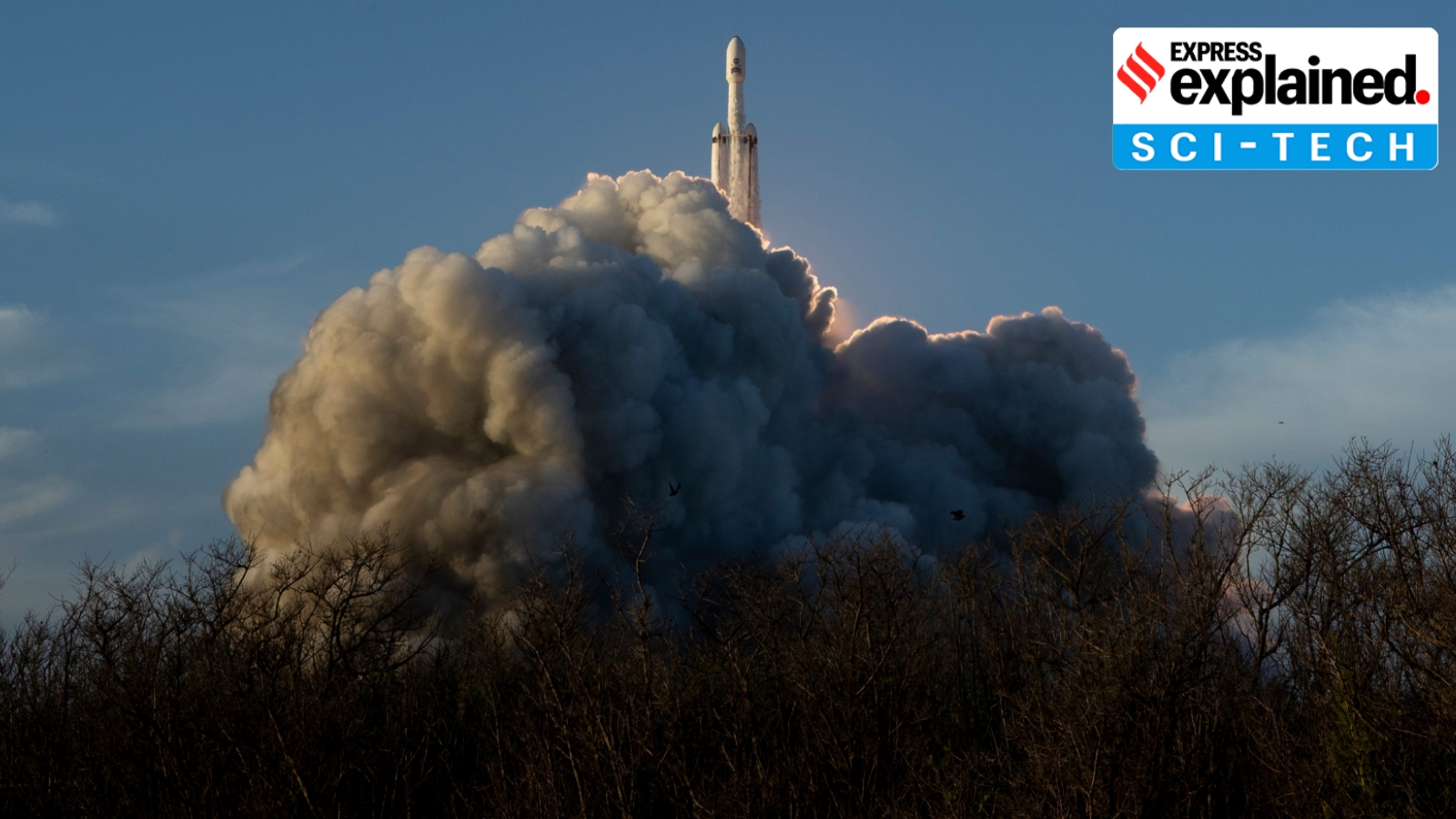
NASA Launches Roman Telescope to Probe Universe’s Mysteries
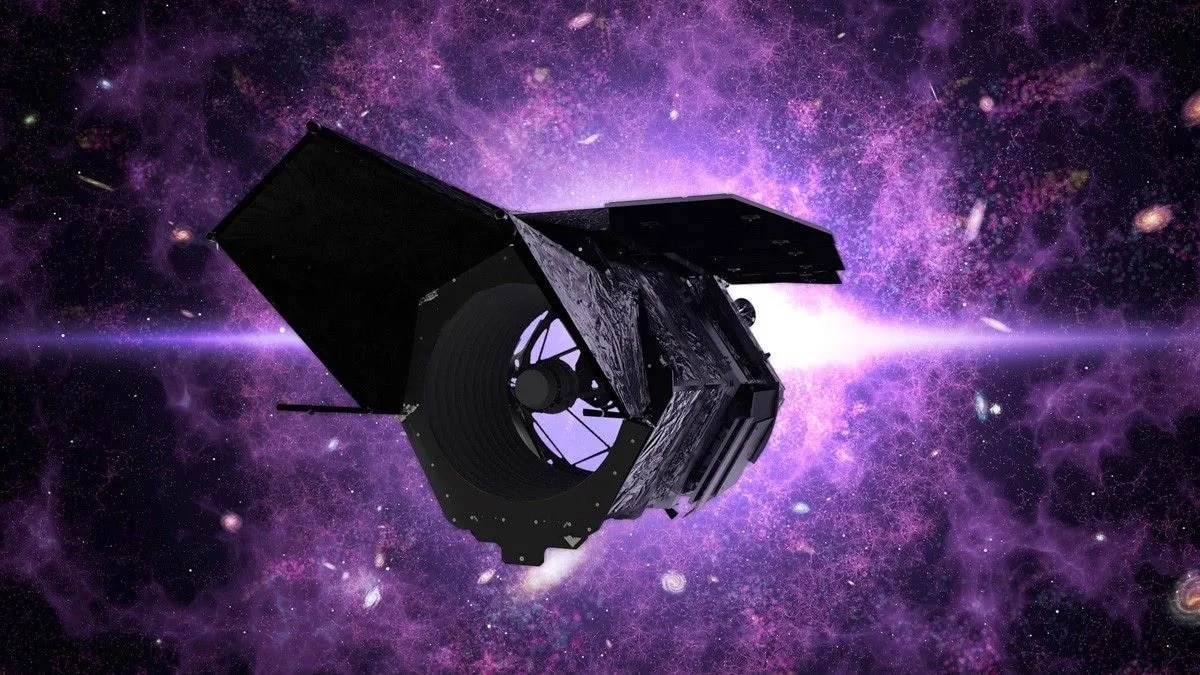
NASA's Roman telescope will change our view of the universe
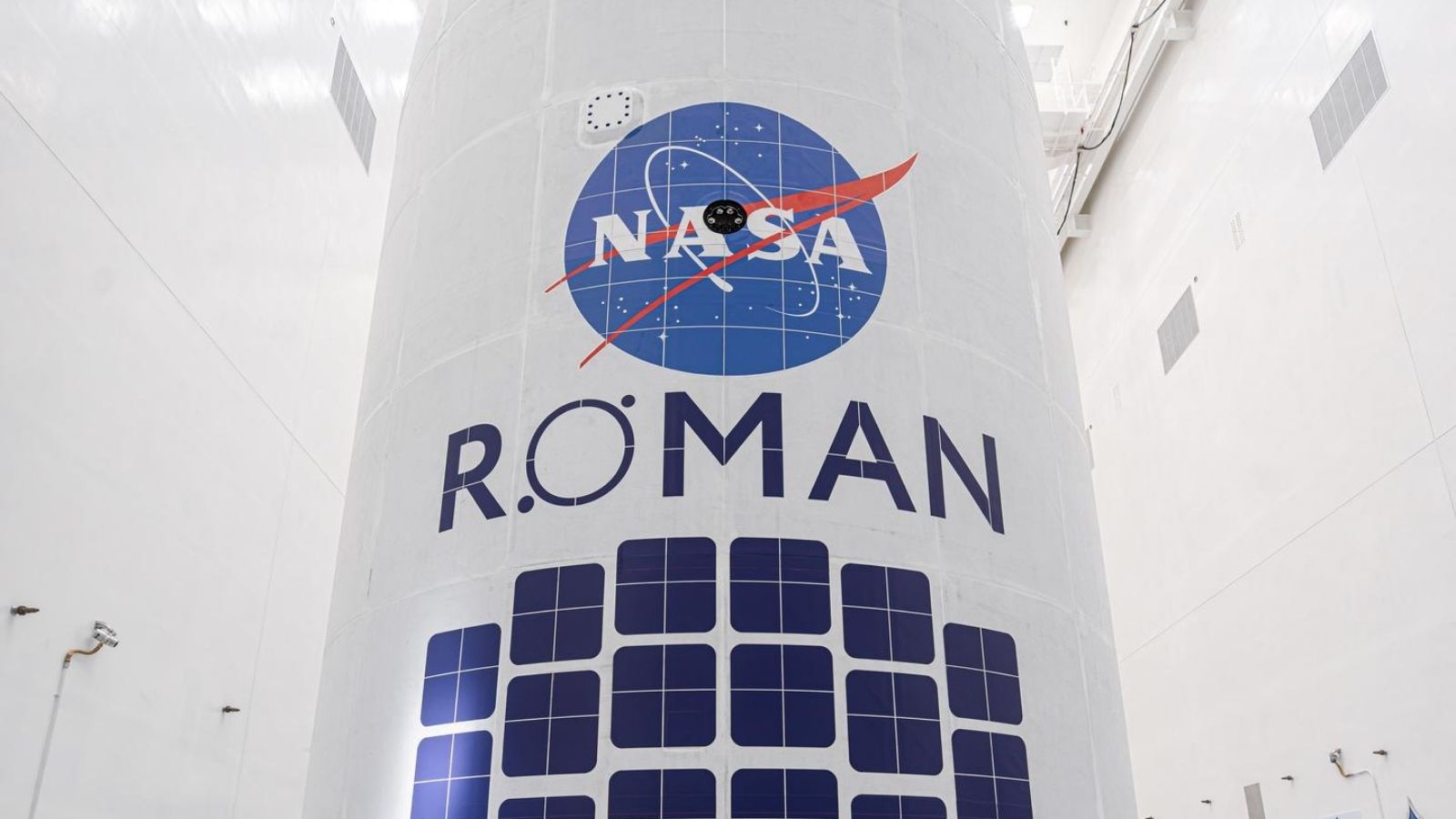
NASA’s Roman Telescope Set for Falcon Heavy Launch

AI Manager Fires Human Employee at San Francisco Retail Store

Physicist's Tribute Hails India as Greatest Nation on Earth

Nila Spaces, Ultrahuman Partner to Make Wellness Measurable in Homes