3 days ago
NASA’s Roman Telescope Set for Falcon Heavy Launch
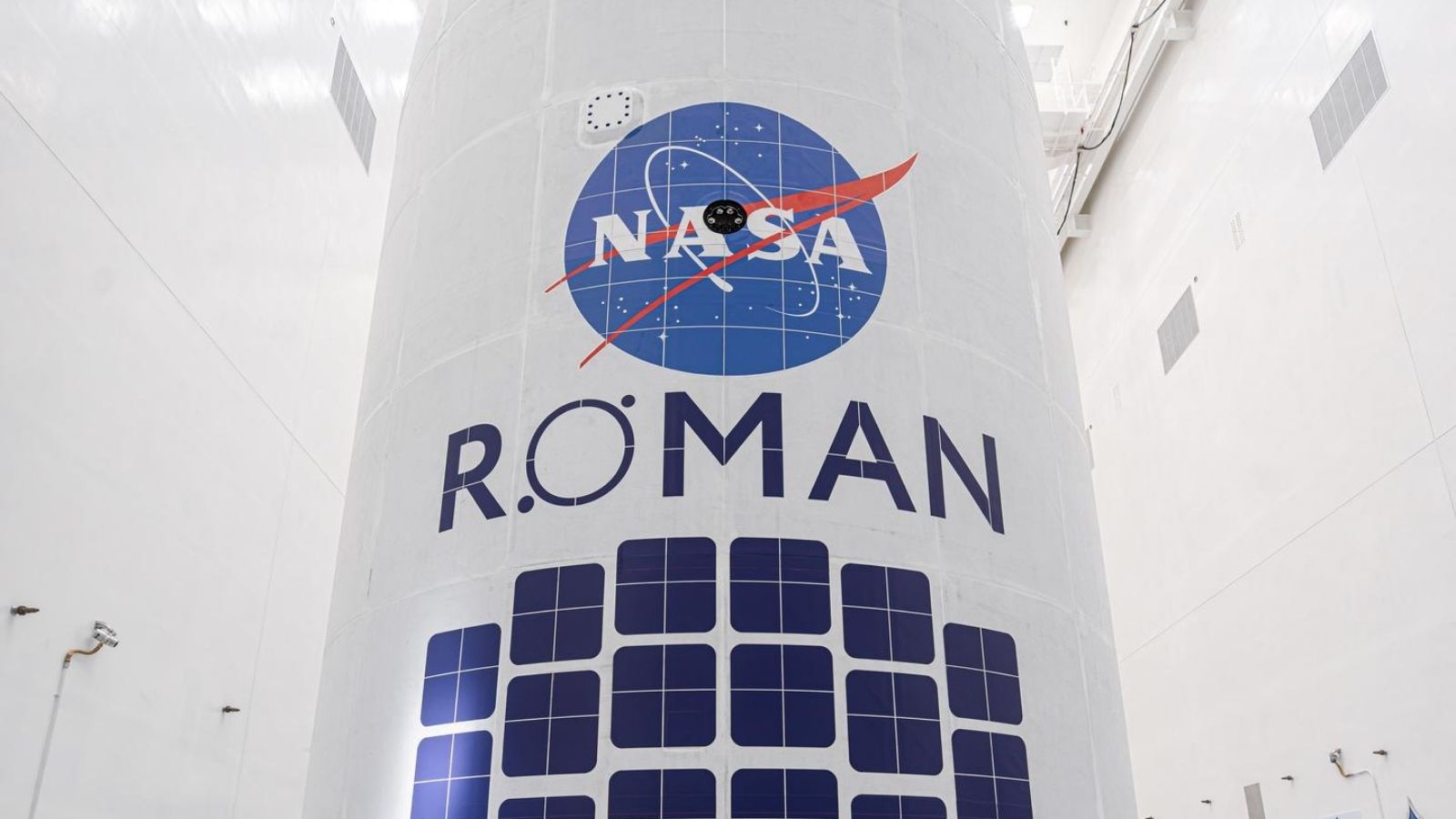
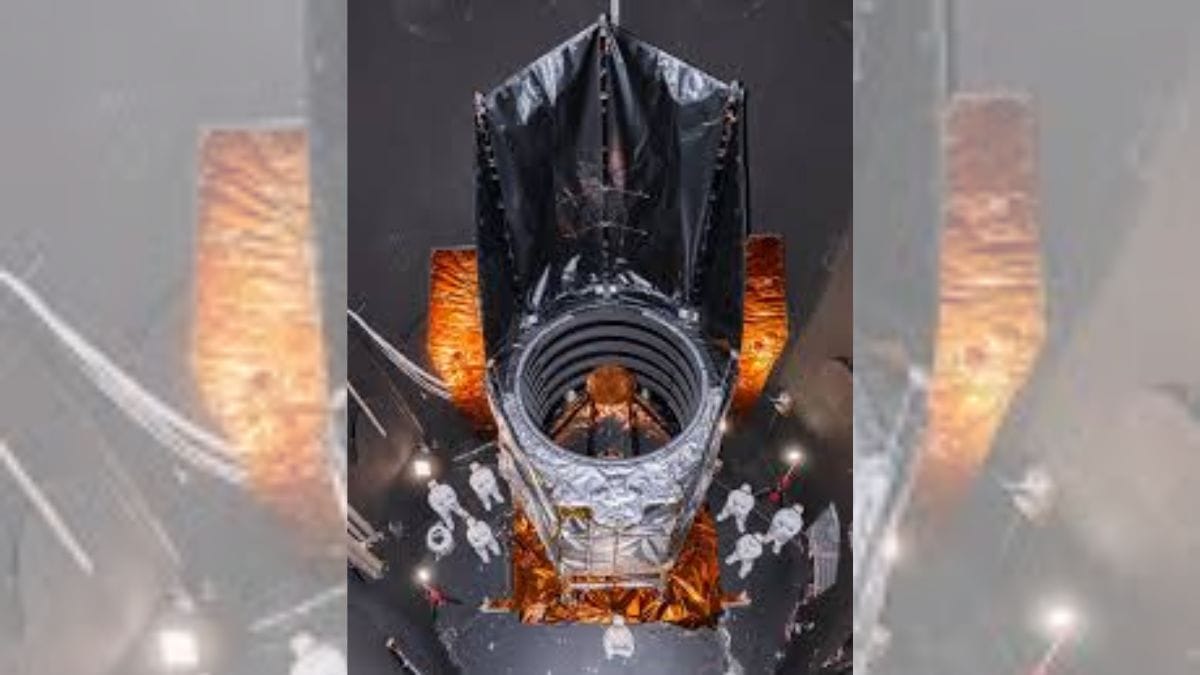
NASA is preparing to launch a new space telescope called Roman.
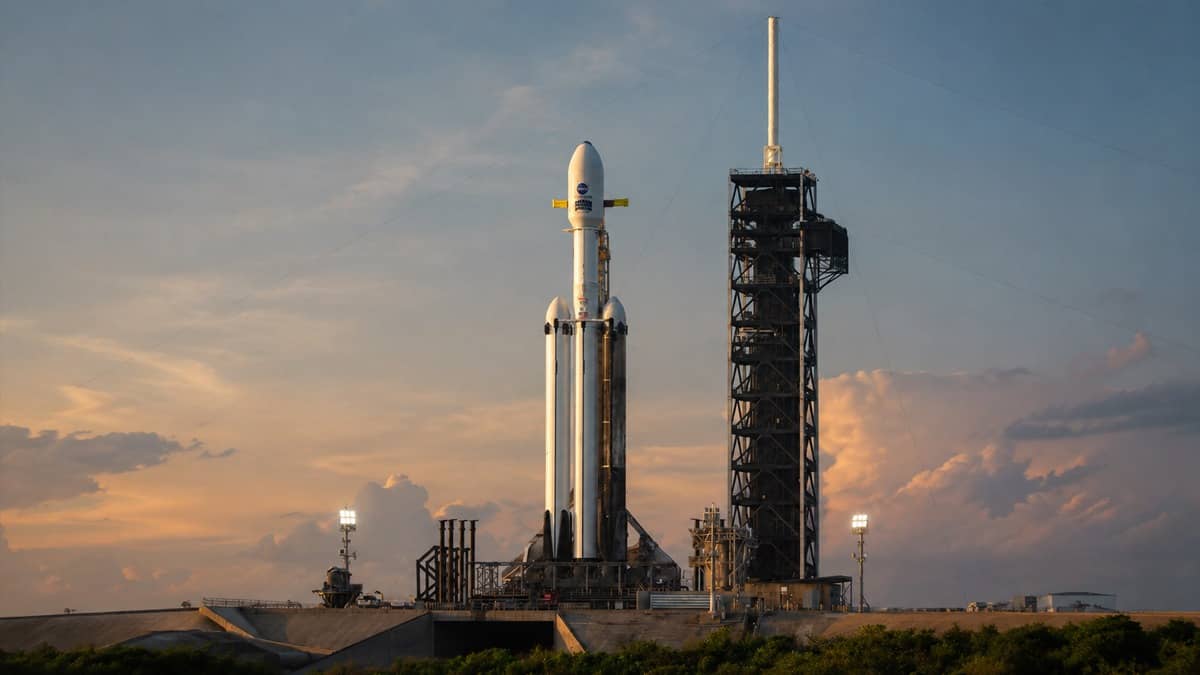
It will travel on a SpaceX Falcon Heavy rocket from Florida.
The articles give different weekday descriptions for August 30, but both identify 7:26 a.m.
EDT as the planned launch time.
Rain, storms and certain clouds could delay the launch.
Roman will travel nearly one million miles away to a special location called L2.
From there, it can see a very large part of the sky.
Scientists will use it to study dark energy, dark matter and planets around other stars.
Roman can survey much more sky at once than Hubble.
It will spend about three months preparing before beginning its main science mission.

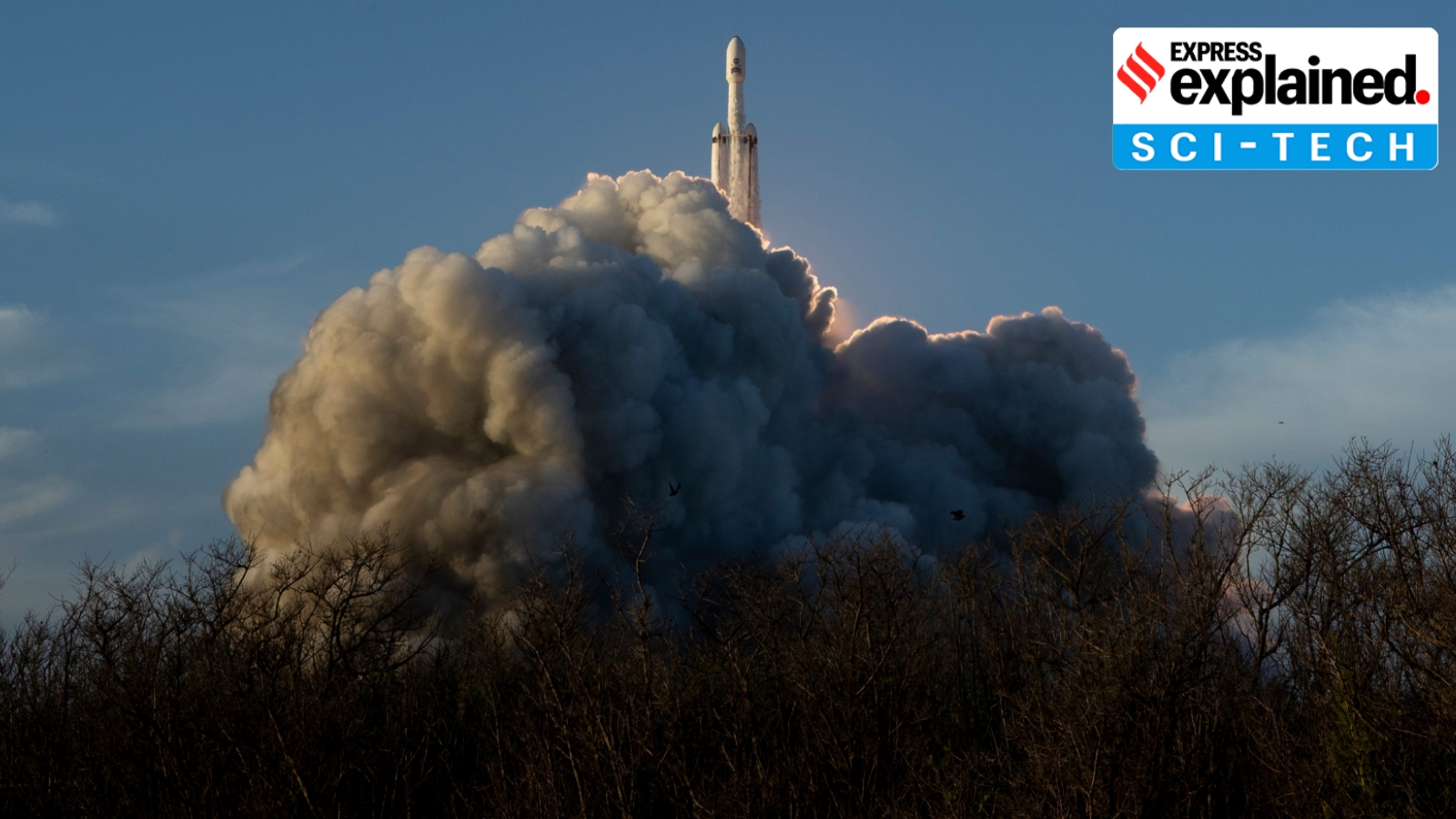
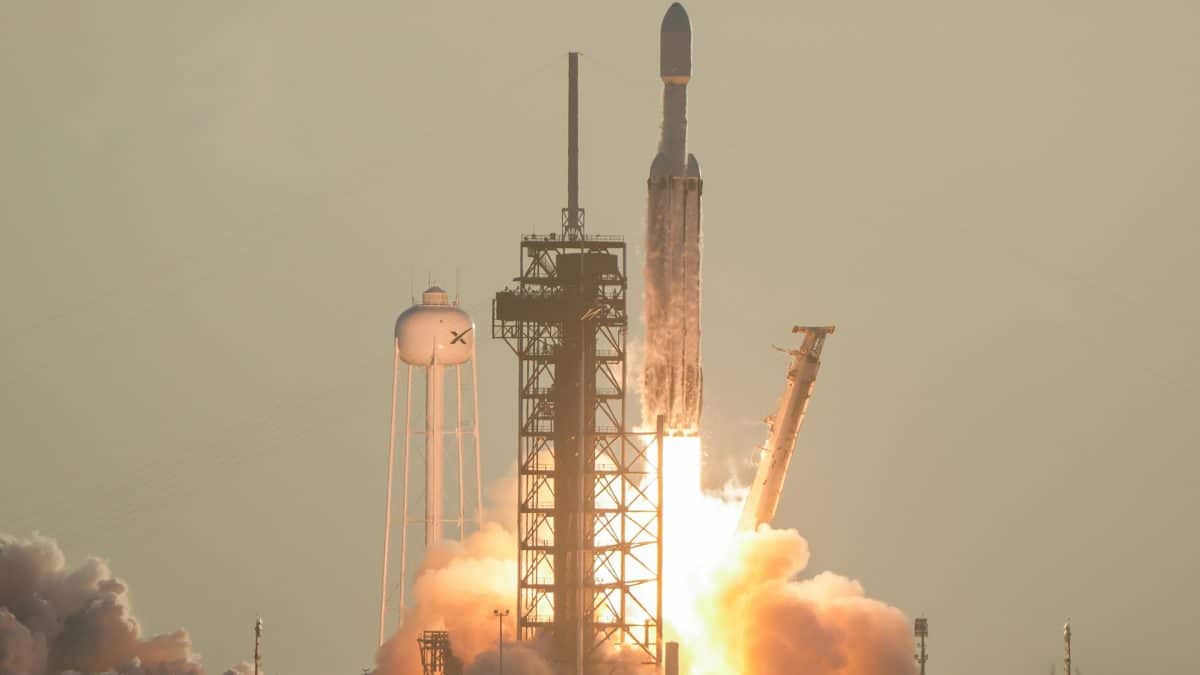
NASA’s Nancy Grace Roman Space Telescope is scheduled to launch aboard a SpaceX Falcon Heavy rocket from Kennedy Space Center.
The launch window is listed as August 30 at 7:26 a.m. EDT, with reports differing on whether the date falls on Saturday or Sunday.
Forecasters gave the launch a 50% chance of favorable weather, citing cumulus clouds, showers and thunderstorms as concerns.
Roman will travel to the second Sun-Earth Lagrange point, roughly one million miles from Earth.
The telescope will survey the universe, study dark matter and dark energy, and search for exoplanets.
- Who
- NASA, with the launch service managed by NASA’s Launch Services Program and provided by SpaceX.
- What
- The Nancy Grace Roman Space Telescope is scheduled for launch to study dark energy, dark matter, exoplanets and broader astrophysics questions.
- Where
- Launch Complex 39A at NASA’s Kennedy Space Center in Florida.
- When
- August 30 at 7:26 a.m. EDT; the articles differ on whether the launch is described as occurring Saturday or Sunday.
- Why
- The mission aims to survey large areas of the universe and investigate fundamental questions about cosmology and planetary systems.
Key facts
- Launch vehicle
- SpaceX Falcon Heavy
- Planned launch time
- 7:26 a.m. EDT on August 30; live coverage is scheduled to begin at 6:20 a.m. EDT
- Weather outlook
- 50% chance of favorable conditions
- Main weather concerns
- Cumulus clouds, showers and thunderstorms
- Destination
- The second Sun-Earth Lagrange point, or L2, nearly one million miles from Earth
- Field of view
- At least 100 times larger than Hubble’s, according to NASA
- Post-launch preparation
- About three months of deployment, calibration and checkout before scientific operations
- Expected first science images
- Early 2027
Quotes

NASA's Kennedy Space Center
NASA facility hosting the scheduled launch
“At 7:26 a.m. EDT, Roman is set to launch aboard a SpaceX Falcon Heavy rocket from Kennedy Space Center. About 8 minutes after liftoff, listen for the double sonic booms as the two side boosters return to Landing Zones 2 and 40 at Cape Canaveral Space Force Station!”
 republicworld.com
“Weather officials with the U.S. Space Force's Space Launch Delta 45 have predicted a 50% chance of favorable weather conditions for tomorrow morning's launch, with the primary concern being the Cumulus Cloud Rule.”
republicworld.com
Sources
Related news

NASA Launches Roman Telescope to Probe Dark Energy Mysteries
NASA’s Roman Telescope Set to Probe Dark Energy, Exoplanets
NASA Launches Roman Telescope to Map the Dark Universe
NASA's Roman Telescope Carries 1.35 Million Names to Deep Space
NASA Launches Roman Telescope to Explore Cosmic Mysteries