

1 month ago
India's EV transition could save 1.7 million lives by 2050
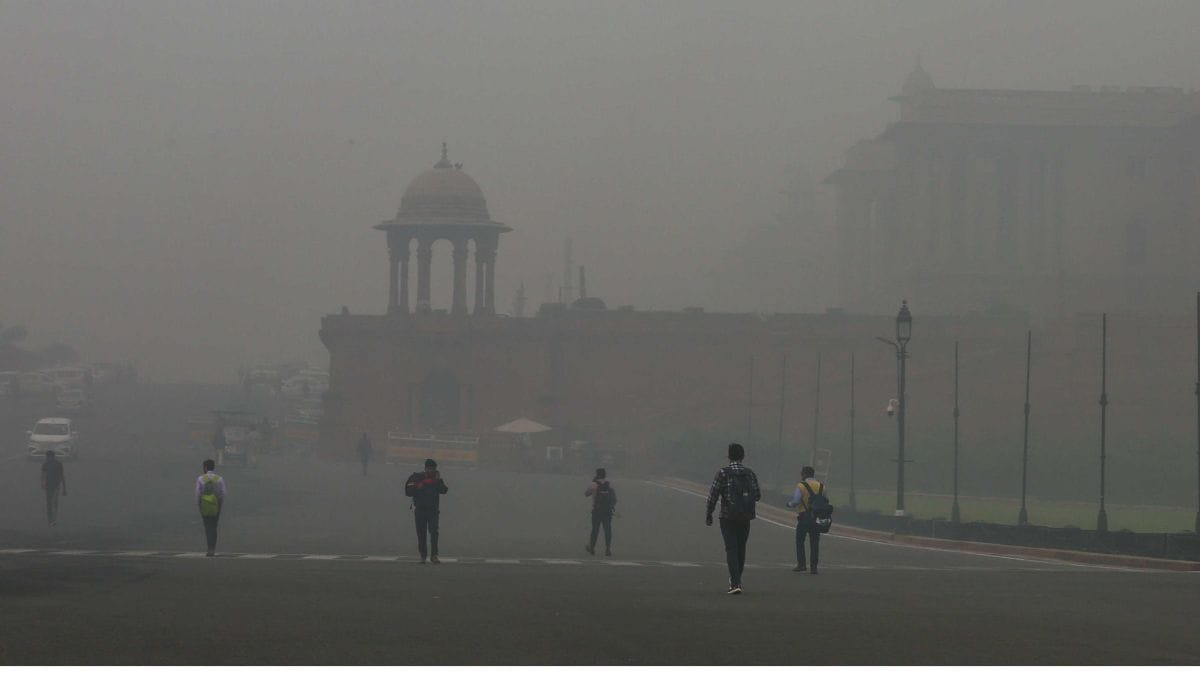
A new report says that if India switches to only electric vehicles by 2045, it could save 1.7 million lives by 2050.
Right now, pollution from cars and trucks causes a lot of health problems in India, like early deaths and asthma in children.
The report compares what happens if we keep doing things the way we are now versus if we speed up the switch to electric vehicles.
If we don't change, things will get worse.
But if we switch to electric vehicles quickly, we could see big improvements in air quality and health.
The report also shows that Delhi and nearby areas have a lot of these health problems, even though they don't have the most people.
This is because there are a lot of cars and a lot of people living close together.
The report says that policies like Delhi's EV policy are a good step, and we need more like it to make things better.

A shift to 100% zero-emission vehicle sales in India by 2045 could prevent 1.7 million deaths and 97,200 pediatric asthma cases by 2050.
Current policies will lead to increased premature deaths and only marginal reductions in emissions by 2050.
Delhi-NCR accounts for 9% of India's premature deaths and 23% of pediatric asthma cases from transport emissions, despite having only 5% of the population.
The ambitious EV transition scenario could reduce PM2.5, NOx, and CO emissions by 60-90% by 2050.
The report highlights the importance of accelerating the clean vehicle transition for both environmental and health reasons.
- Who
- International Council on Clean Transportation (ICCT)
- What
- A report on the health benefits of transitioning to zero-emission vehicles in India
- Where
- India, with a focus on Delhi-NCR
- When
- Report released on 29 July
- Why
- To highlight the public health benefits of accelerating the transition to zero-emission vehicles
Current Policies
Ambitious EV Transition
Emissions Reduction
Current Policies
Emissions such as PM2.5, nitrogen oxides, and carbon dioxide will remain steady and decline marginally by 2050.
Ambitious EV Transition
PM2.5, NOx, and CO will reduce by 60-90 per cent by 2050.
Health Outcomes
Current Policies
Premature deaths from emissions will increase by 2050.
Ambitious EV Transition
1.7 million road-transport emission-related deaths and 97,200 pediatric asthma cases could be prevented.
Key facts
- Report Author
- International Council on Clean Transportation (ICCT)
- Report Release Date
- 29 July
- Projected Lives Saved
- 1.7 million
- Projected Pediatric Asthma Cases Prevented
- 97,200
- Current Premature Deaths
- One every six minutes in 2024
- Current Pediatric Asthma Cases
- One new case every 34 minutes in 2024
- Global Lives Saved Potential
- 8 million by 2050
- Delhi-NCR's Share of Premature Deaths
- 9%
- Delhi-NCR's Share of Pediatric Asthma Cases
- 23%
Quotes

Amit Bhatt
ICCT India Managing Director
“The only way to eliminate tailpipe emissions is through electrification. Accelerating the transition to zero‑emission vehicles is critical to reducing transport‑related air pollution.”
 theprint.in
Linghzi Jin
ICCT Senior Researcher and study co‑author
“The burden is starkly uneven. The National Capital Region accounts for nearly a quarter of India’s road‑transport‑attributable childhood asthma cases.”
theprint.in
Sources
Related news

India EV sales jump 16-fold to 25 lakh: PM Modi

CAQM Sets Phased Electric Shift for Delhi-NCR Goods Vehicles
London Study Shows Traffic Cuts Improve Children’s Lung Health
India's freight sector: cleaner vehicles, smarter operations, richer drivers

Delhi's New EV Policy to Phase Out Petrol Vehicle Registrations

Maharashtra Showcases 7-55 Tonne Electric Trucks for Green Transport
Govt Extends PM E-Drive E-Two-Wheeler Subsidy to FY28, Raises Allocation
Indian EVs Outrun Tesla and BYD in Efficiency Ranking
Why India's EV Opportunity Could Be Bigger Than Investors Realise
