

1 week ago
CAQM Sets Phased Electric Shift for Delhi-NCR Goods Vehicles

Air-quality officials want new delivery and goods vehicles in Delhi-NCR to use electricity instead of petrol, diesel or CNG.
The first vehicles affected are smaller goods vehicles weighing up to 3.5 tonnes.
In Delhi, the new rule starts on January 1, 2027.
It will later spread to nearby districts and then to the rest of the NCR.
Larger goods vehicles will begin switching under the rule in 2028.
Officials say these vehicles are used frequently and create more pollution than their small numbers suggest.
CNG vehicles are included because their nitrogen oxide emissions can help create fine particles.
The change could affect delivery, grocery, logistics and other commercial businesses.

New petrol, diesel and CNG N1 goods vehicles up to 3.5 tonnes will be restricted to electric registrations in Delhi from January 1, 2027.
The N1 restriction is scheduled to reach Gurugram, Faridabad, Sonipat, Ghaziabad and Gautam Buddha Nagar from July 1, 2027, followed by other NCR districts in 2028.
For N2 goods vehicles weighing above 3.5 tonnes and up to 7.5 tonnes, electric-only registration begins in Delhi on January 1, 2028.
N2 restrictions extend to high-vehicle-density districts from July 2028 and other NCR districts from January 2029.
CAQM says LGVs represent about 1.2% of active NCR vehicles but contribute roughly 3.3% of particulate-matter emissions.
- Who
- The Commission for Air Quality Management, along with Delhi-NCR and state authorities responsible for implementing the directions.
- What
- A phased restriction on registering new petrol, diesel and CNG N1 and N2 goods vehicles, with electric vehicles becoming the required option in specified areas.
- Where
- Delhi and the National Capital Region, including Gurugram, Faridabad, Sonipat, Ghaziabad and Gautam Buddha Nagar.
- When
- N1 restrictions begin in Delhi on January 1, 2027; N2 restrictions begin there on January 1, 2028, with regional phases continuing through January 2029.
- Why
- To reduce vehicle-related emissions and improve air quality, particularly because LGVs contribute disproportionately to particulate-matter emissions.
Key facts
- Regulating authority
- Commission for Air Quality Management (CAQM)
- N1 vehicles
- Goods vehicles with gross vehicle weight up to 3.5 tonnes
- N1 Delhi deadline
- Only electric N1 vehicles may be registered from January 1, 2027
- N2 vehicles
- Goods vehicles weighing above 3.5 tonnes and up to 7.5 tonnes
- N2 Delhi deadline
- Only electric N2 vehicles may be registered from January 1, 2028
- Emissions rationale
- LGVs are about 1.2% of active NCR vehicles but account for approximately 3.3% of particulate-matter emissions
- Electric penetration
- Electric vehicles have reached close to 10% of the small commercial vehicle and pickup segment
- Reported discrepancy
- One report describes the N1 NCR rollout as beginning in July 2027 in named districts, while another source contains a conflicting reference to an NCR-wide January 2027 start; the detailed phased schedule identifies July 2027 for the named districts.
Quotes
CAQM source
An unnamed representative of the Commission for Air Quality Management
“These directions shall operate in addition to and not in derogation of the directions, advisories, orders and other measures issued by the Commission”
 thehindubusinessline.com
“No Diesel/Petrol/CNG LGVs (N1 - 3.5 tonnes GWV or less) shall be permitted to be registered in Delhi-NCR, in a phased manner”
thehindubusinessline.com
Sources
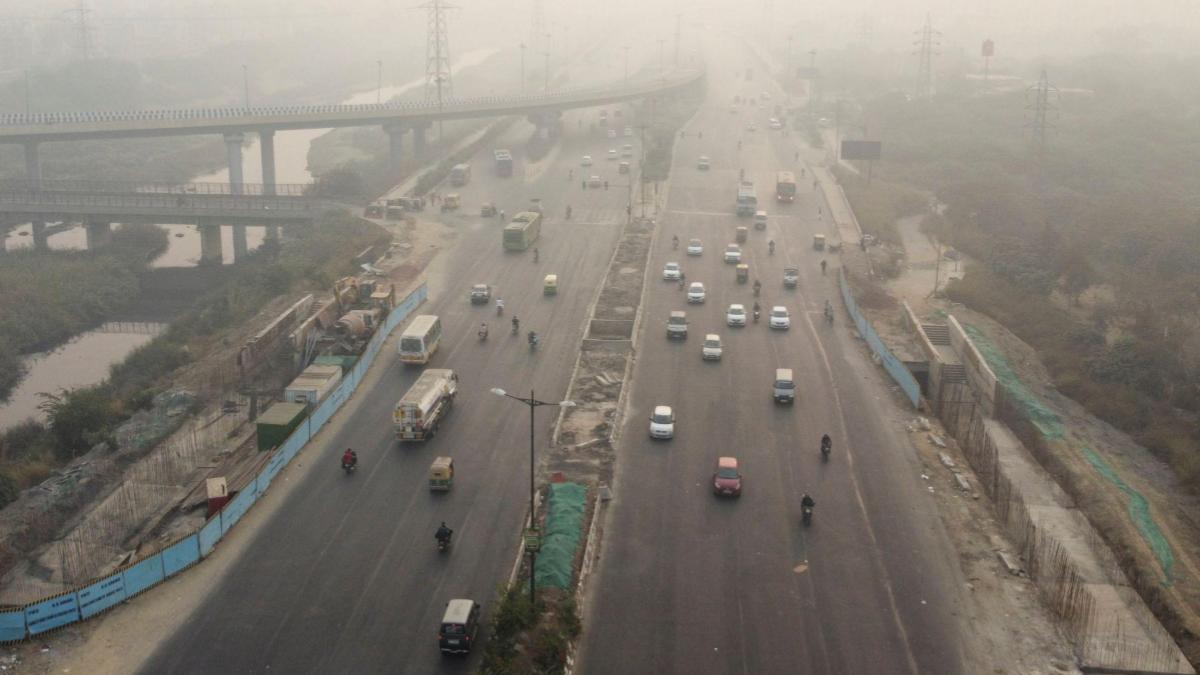
Related news
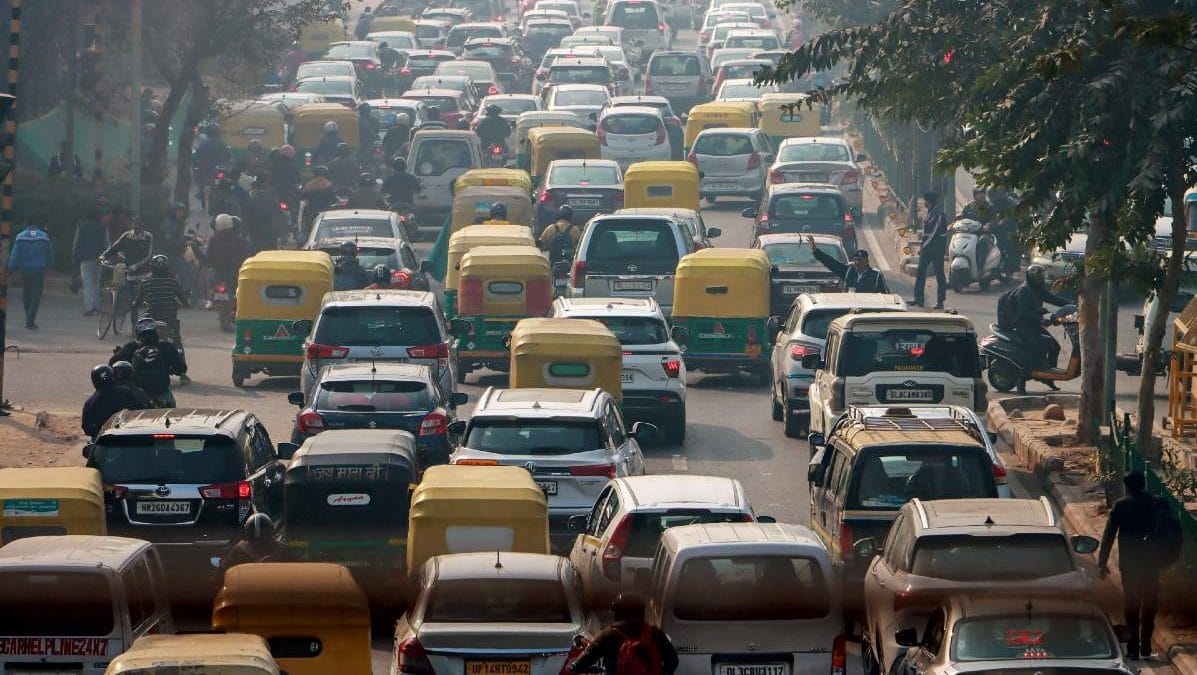
Delhi to Bar Petrol, Diesel, CNG Light Goods Vehicles
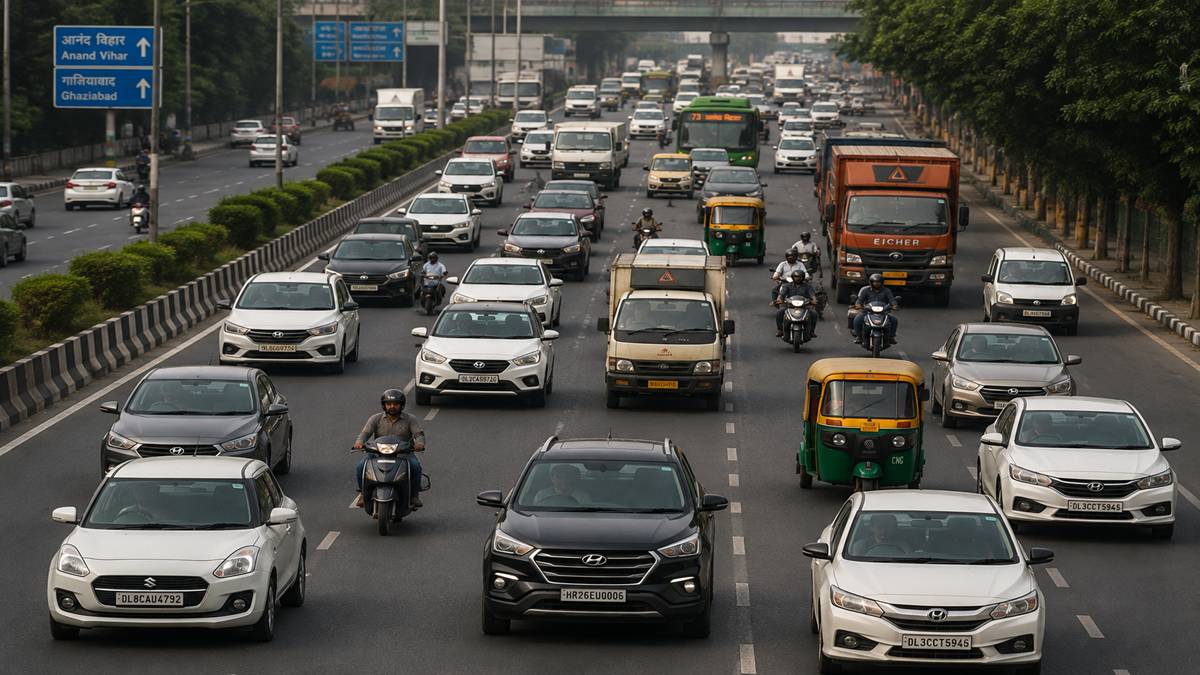
Delhi-NCR’s Phased LGV Registration Curbs Begin From 2027

Delhi Bans New Non-Electric Goods Vehicles From 2027

Delhi's New EV Policy to Phase Out Petrol Vehicle Registrations

Ho Chi Minh City Proposes Downtown Vehicle Curbs From 2027

Delhi Police Bust Interstate Arms Racket, Arrest Two
After euthanasia, Harish Rana’s parents rebuild lives, seek organ recipient
Journalist Challenges Police Request for Digital Activity Data
High Court Says Child Preference Cannot Decide Custody

How Indian News Photographs Became National Visual Memory
