3 weeks ago
Govt Extends PM E-Drive E-Two-Wheeler Subsidy to FY28, Raises Allocation
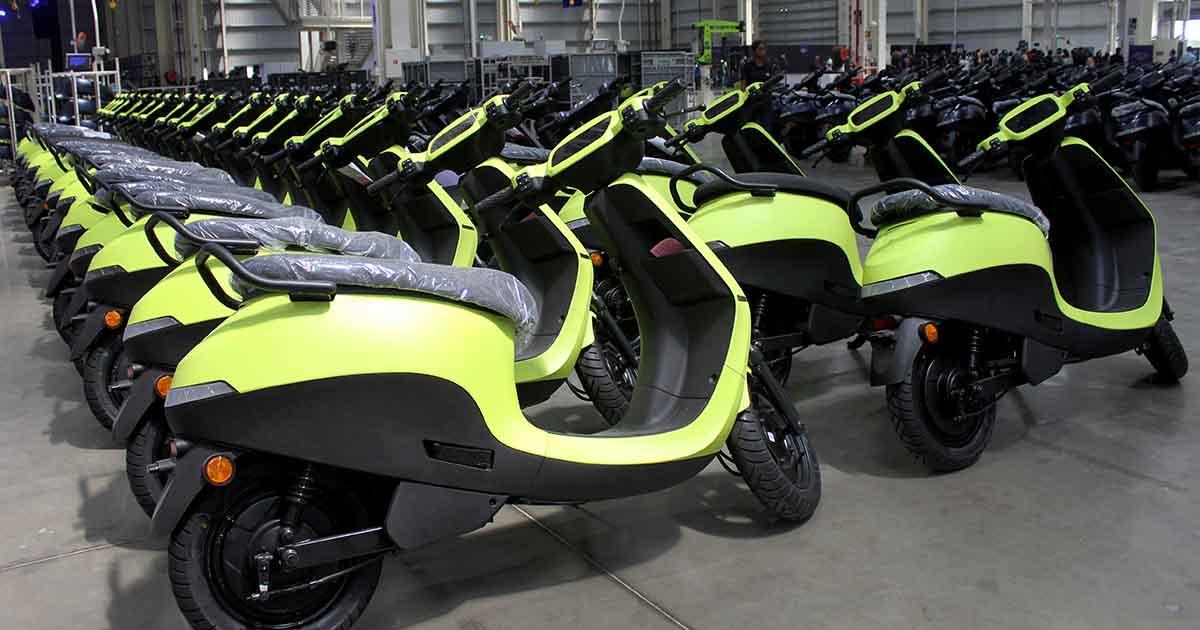
India's government has a program called PM E-Drive that makes electric vehicles cheaper to buy.
It gives money back to people who buy electric two-wheelers, like scooters and motorcycles.
The program was about to end, but the government decided to keep it going for a few more years.
It added about ₹1,000 crore more money, bringing the electric two-wheeler fund to ₹2,767 crore.
Now more scooters can get the discount — 4.57 million instead of 2.4 million.
Each electric two-wheeler can get up to ₹5,000 off.
Electric two-wheelers are good because they do not burn petrol, and two-wheelers use a lot of India's petrol.
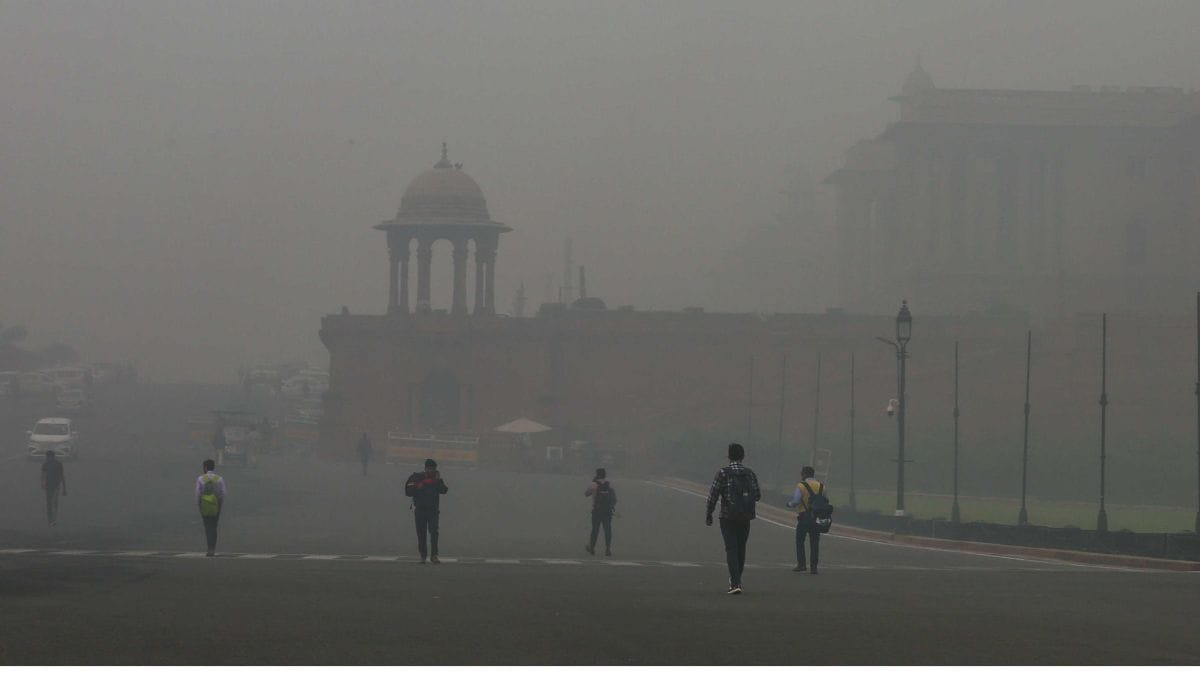
They also help keep the air cleaner, because two-wheelers cause a big share of air pollution.
With the government's promise to keep helping, companies that make electric scooters can plan to build many more of them.

The government extended PM E-Drive subsidies for electric two-wheelers to FY28, raising the allocation to ₹2,767 crore from ₹1,772 crore (an additional ~₹1,000 crore).
The number of eligible vehicles was raised to 4.57 million from over 2.4 million.
The subsidy rate remains ₹2,500 per kWh of battery capacity, capped at ₹5,000 per electric two-wheeler.
The notification sets the last claim date as 31 December 2027, while a ministry official said subsidies will continue until March 2028.
Electric two-wheeler sales rose to 1.46 million in FY26 from 252,787 in FY22, and penetration is about 7.6% with a target of 9-10%.
- Who
- The central government's heavy industries ministry, with finance ministry approval, following a push from industry body SIAM and a Rajya Sabha standing committee.
- What
- Subsidies for electric two-wheelers under the PM E-Drive scheme were extended till FY28, with the allocation raised to ₹2,767 crore from ₹1,772 crore and eligible vehicles increased to 4.57 million from over 2.4 million.
- Where
- India, announced in New Delhi.
- When
- Announced via a notification late Monday (10 August 2026), days after a standing committee report dated 6 August urged expediting the extension.
- Why
- To accelerate electric two-wheeler adoption, lift penetration from 7.6% toward 9-10%, give manufacturers policy visibility for investments, and reduce petrol dependence and air pollution from two-wheelers.
Key facts
- Scheme
- PM E-Drive (PM Electric Drive Revolution in Innovative Vehicle Enhancement)
- E-two-wheeler allocation
- ₹2,767 crore till FY28, up from ₹1,772 crore
- Eligible vehicles
- 4.57 million, up from over 2.4 million
- Subsidy rate
- ₹2,500 per kWh of battery capacity, capped at ₹5,000 per two-wheeler
- Last claim date
- 31 December 2027 (ministry official cited incentives till March 2028)
- Total scheme outlay
- ₹11,900 crore, up from ₹10,900 crore
- E-2W penetration
- 7.6%, target of 9-10%
- Petrol use by two-wheelers
- Two-thirds of the 42.6 million tonnes of petrol sold in India in FY26
Quotes
Ministry of Heavy Industries (MHI) official
Official from India's Ministry of Heavy Industries
“Since the e2w scheme was due to close on 31 July, we had requested the Ministry of Finance for additional funds so that the scheme could continue until March 2028. The Ministry of Finance has agreed to our request, and Rs 1 000 crore more has been sanctioned specifically for e2w.”
 rediff.com
“E2w penetration in India is currently around 7.6 percent. We think that we need to take this to at least 9–10 percent…”
rediff.com
Sharif Qamar
Associate director of transport and urban governance at the Energy and Resources Institute (TERI)
“With 2-wheelers accounting for nearly three-fourths of India’s vehicle sales and already leading EV adoption, the increased PM E-Drive allocation can further accelerate electrification. It can also help support and steer the phase-out of ICE two-wheelers in Delhi, as proposed under the government’s new EV policy. Importantly, it provides OEMs with greater visibility on future demand, helping them plan investments and accelerate the transition,”
 livemint.com
“Two-wheelers form 75-80% share in total vehicles sold and on-road vehicle population. The downside is that these contribute bulk of the ambient air pollution.”
livemint.com
Sources

Related news
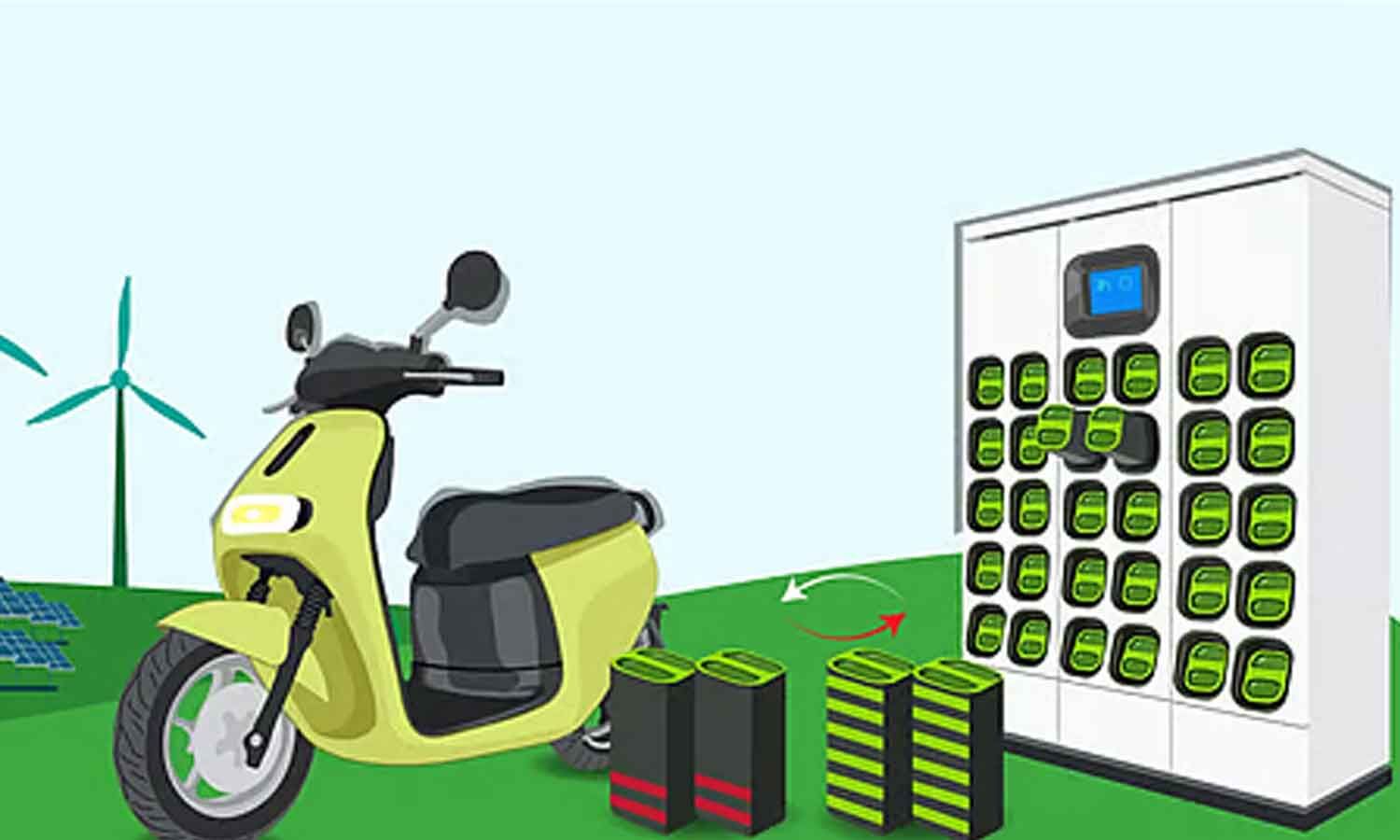
PM E-DRIVE: Govt Caps EV Two-Wheeler Incentive at Rs 5,000

Over 88,000 EVs Subsidised in Madhya Pradesh Under PM E-DRIVE
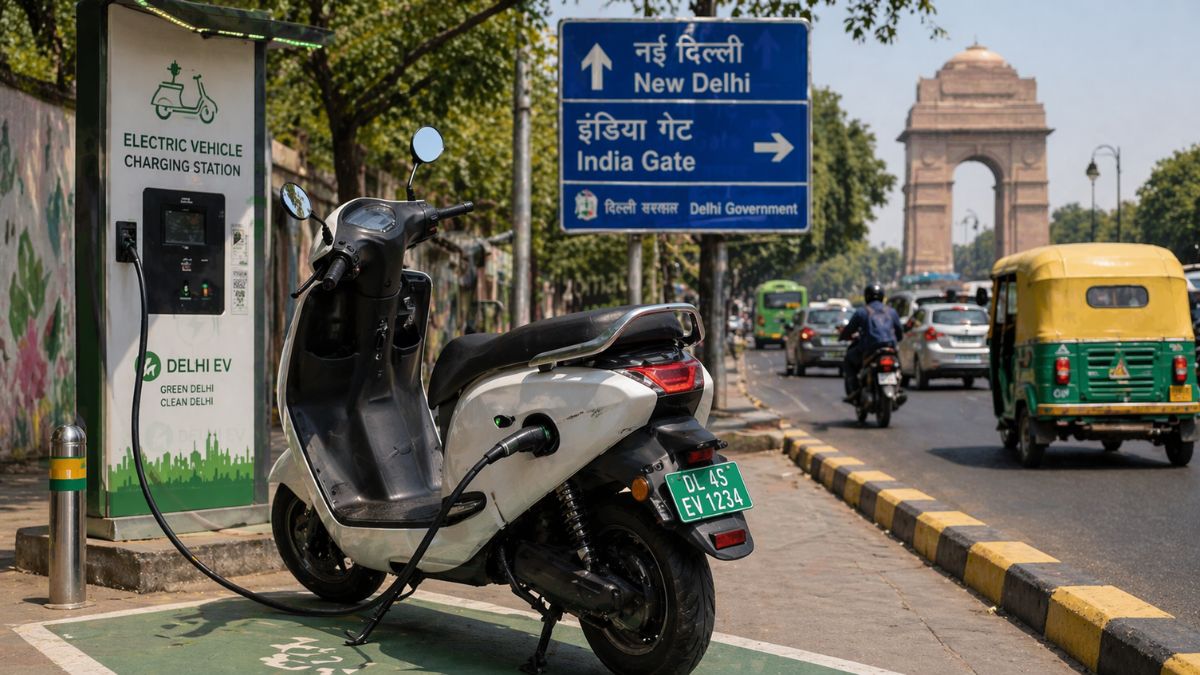
India’s Electric Two-Wheeler Sales Set New Annual Record
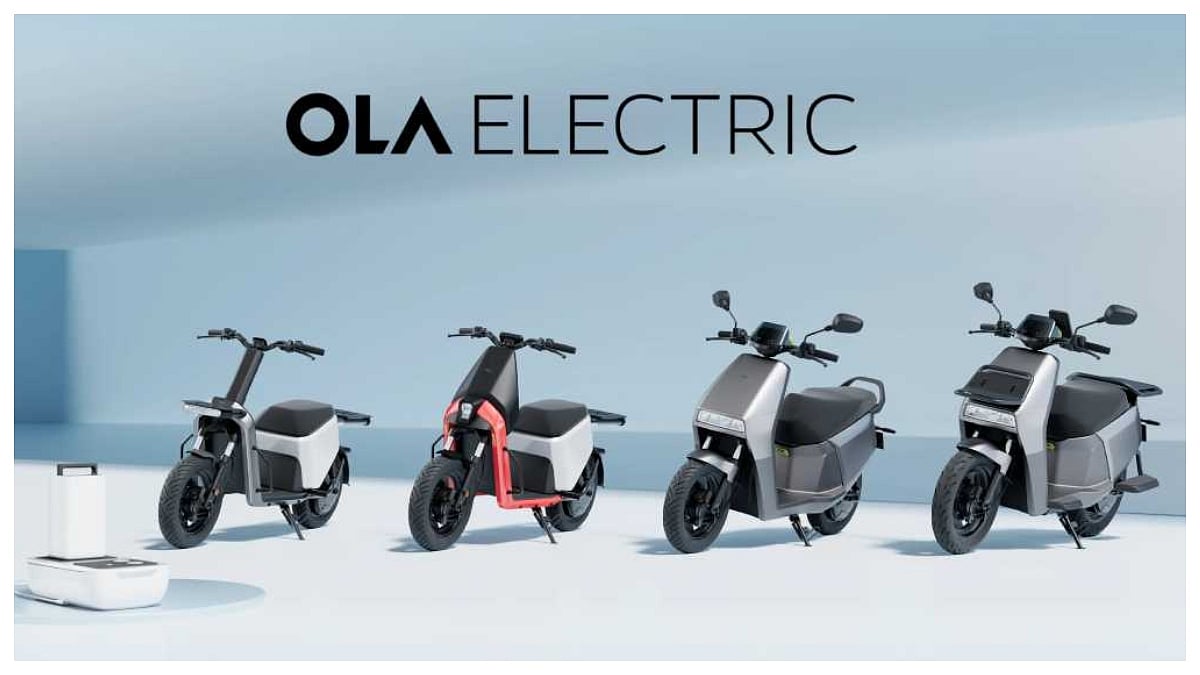
Ola Electric Secures ₹95.81 Crore Auto PLI Incentive
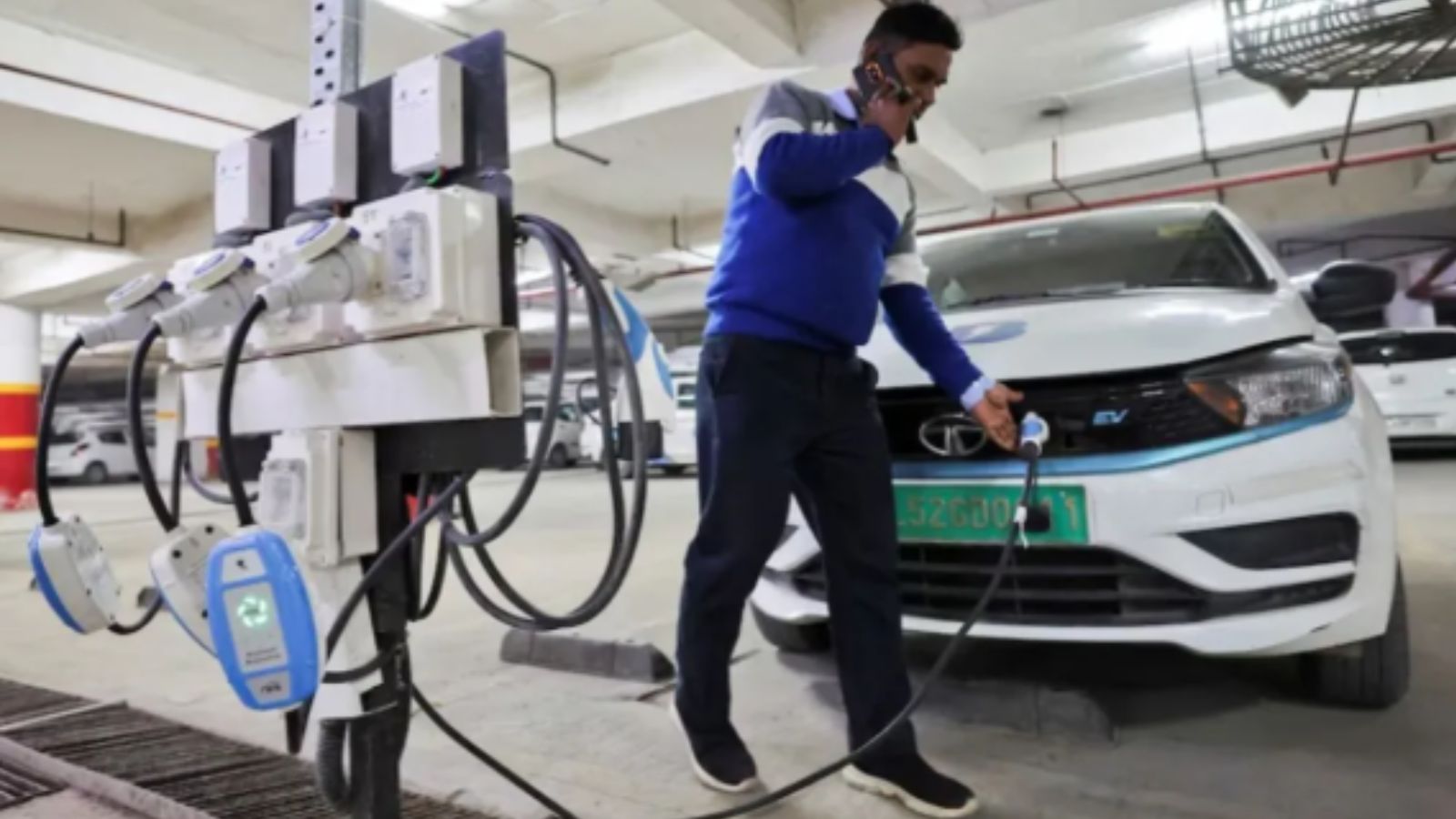
Delhi EV demand surges, but buyers ask: when will subsidy arrive?

India Approves 6,562 EV Chargers, None Installed Yet

Delhi's New EV Policy to Phase Out Petrol Vehicle Registrations
Indian EVs Outrun Tesla and BYD in Efficiency Ranking
Why India's EV Opportunity Could Be Bigger Than Investors Realise

Tata, Mahindra beat Tesla and BYD in EV efficiency ranking