2 weeks ago
Delhi's New EV Policy to Phase Out Petrol Vehicle Registrations

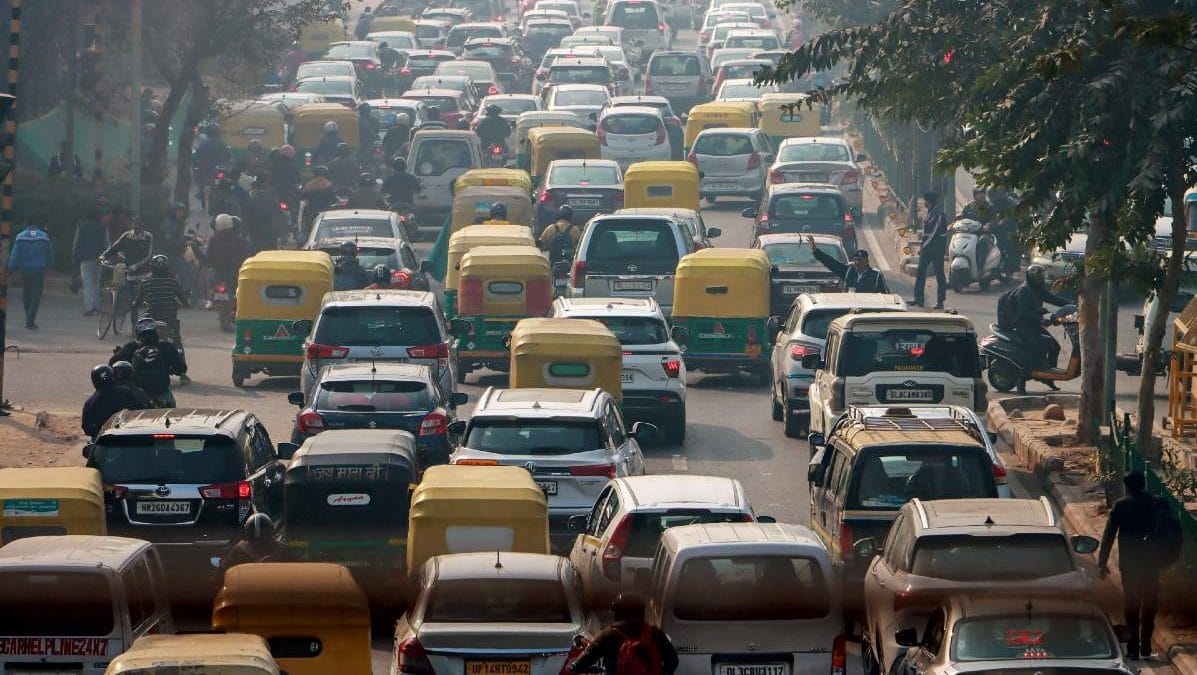
Delhi is a big city in India with lots of traffic.
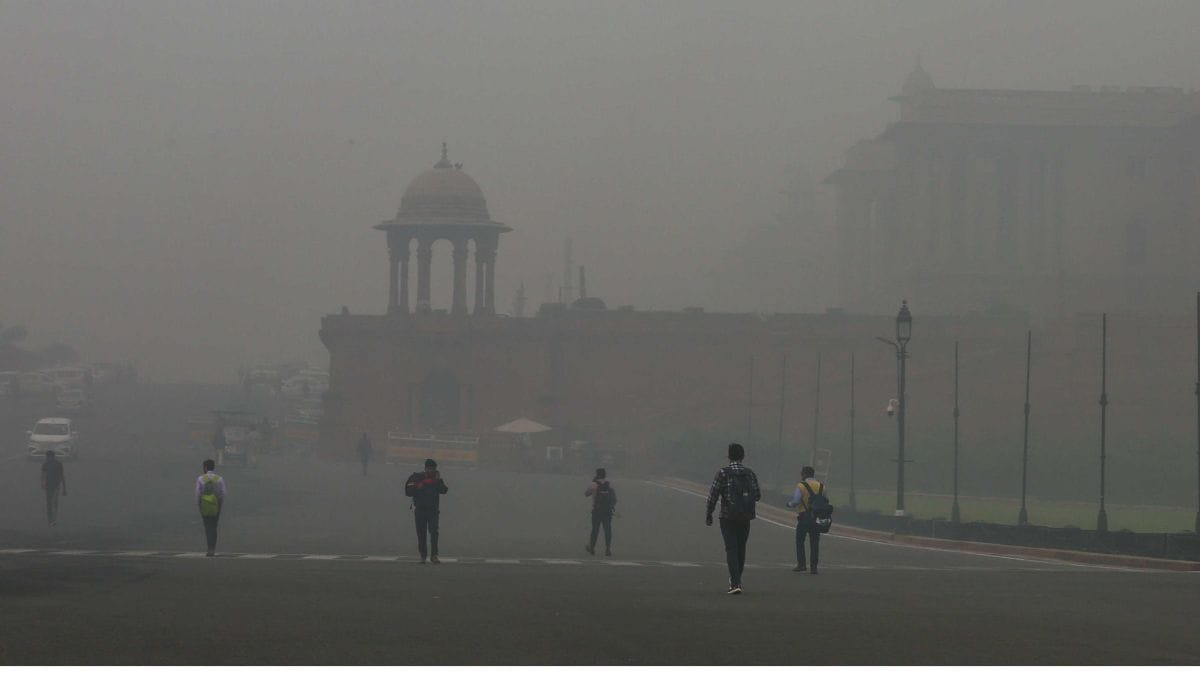
Cars, scooters and vans that burn petrol or diesel make smoke that makes the air dirty.
The Delhi government made a new rule to help clean the air.
It will slowly stop letting people buy new smoky vehicles.
First, new three-wheelers will be banned starting on January 1 next year.
Then, new two-wheelers and small delivery vans will be banned from April 2028.
People who already own these vehicles can keep using them for now.
The rule also says schools must use more electric buses.
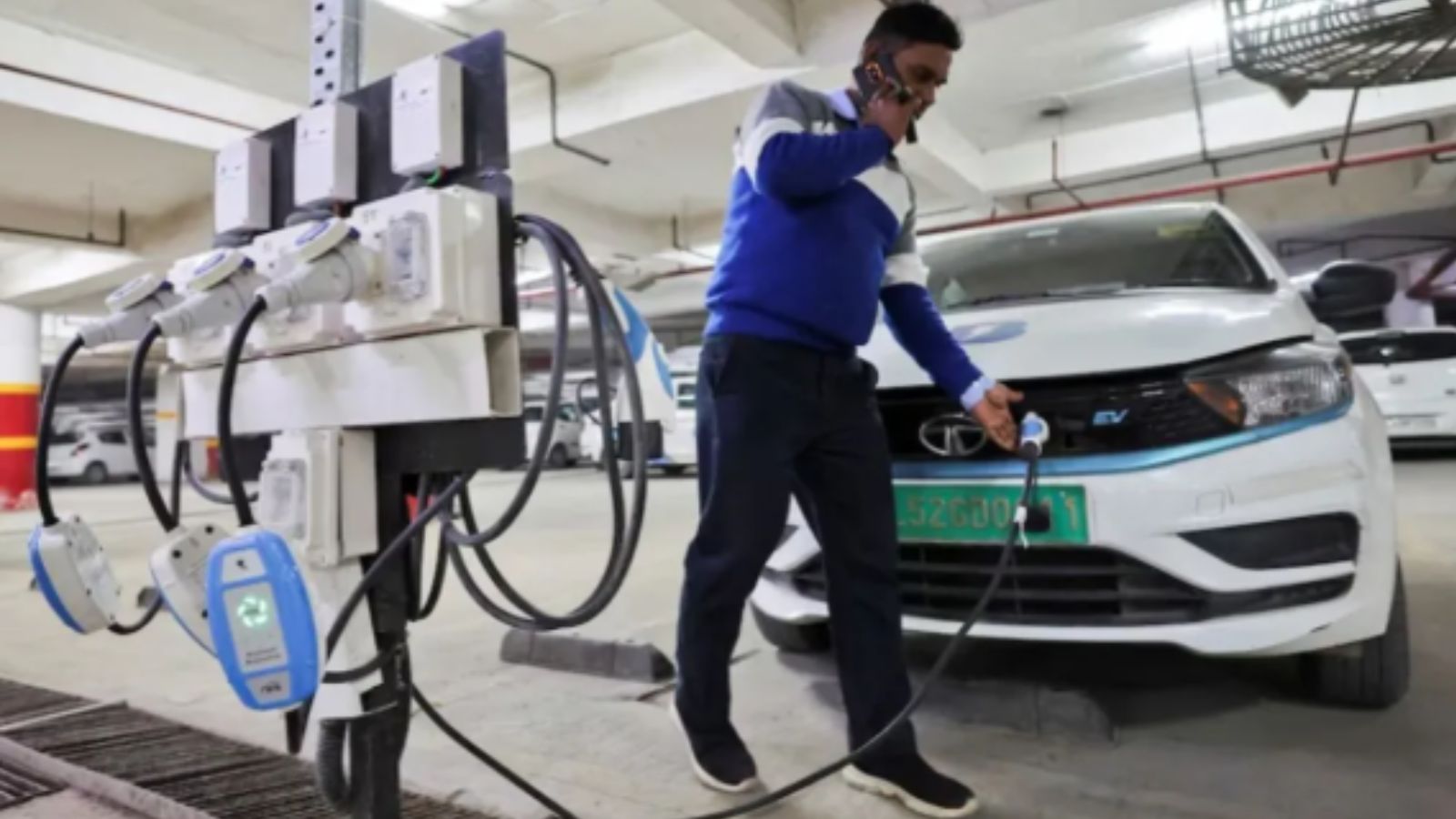
Electric vehicles run on batteries, so they don't make smoke on the street.
The government hopes companies will make better and cheaper electric vehicles because of this rule.

Delhi's newly approved EV Policy is the first in India to set a roadmap phasing out new internal combustion engine (ICE) vehicle registrations in key segments.
New petrol and diesel three-wheelers will no longer be registered in Delhi from January 1 next year.
New ICE two-wheelers and light commercial vehicles will stop being registered from April 2028.
Schools must progressively electrify 30 per cent of their bus fleets over five years.
Expert Amit Bhatt warns of challenges such as registration leakage to neighbouring NCR states and the continued operation of existing ICE vehicles.
- Who
- The Delhi government, which approved the new EV Policy; Amit Bhatt, Managing Director (India) of the International Council on Clean Transportation (ICCT), provided expert analysis.
- What
- Delhi approved a new Electric Vehicle Policy that phases out new ICE vehicle registrations in key segments, mandates electrification targets for school buses and retains purchase incentives.
- Where
- Delhi, India, with implications for the National Capital Region (NCR) states.
- When
- The policy was newly approved; new petrol and diesel three-wheeler registrations end from January 1 next year, and new ICE two-wheeler and light commercial vehicle registrations end from April 2028.
- Why
- To cut urban air pollution, since two-wheelers and three-wheelers account for nearly one-third of PM2.5 emissions from transport, and to give manufacturers market certainty for investing in electric mobility.
Key facts
- Policy
- Newly approved Delhi Electric Vehicle (EV) Policy
- First in India
- First Indian state policy to lay out a roadmap for phasing out new ICE vehicle registrations
- Three-wheeler ICE ban
- From January 1 next year for new petrol and diesel three-wheelers
- Two-wheeler and LCV ICE ban
- From April 2028 for new petrol and diesel two-wheelers and light commercial vehicles
- School bus mandate
- 30 per cent of school bus fleets to become electric over five years
- Emissions covered
- More than half of transport-related emissions; two- and three-wheelers are nearly one-third of PM2.5 transport emissions
- Existing vehicles
- Not banned; petrol vehicles up to 15 years and diesel vehicles up to 10 years remain legal
- Key expert view
- Amit Bhatt, MD (India), ICCT, calls cost the biggest barrier and urges a 'right to charge' framework
Quotes

Amit Bhatt
Managing Director (India), International Council on Clean Transportation
“From January 1 next year, new petrol and diesel three‑wheelers will no longer be registered in Delhi.”
 thestatesman.com
“The biggest difference is that the policy has moved beyond merely offering incentives...”
thestatesman.com
Sources
Related news

CAQM Sets Phased Electric Shift for Delhi-NCR Goods Vehicles
Delhi to Bar Petrol, Diesel, CNG Light Goods Vehicles
Delhi EV demand surges, but buyers ask: when will subsidy arrive?

Delhi Bans New Non-Electric Goods Vehicles From 2027
Delhi-NCR’s Phased LGV Registration Curbs Begin From 2027
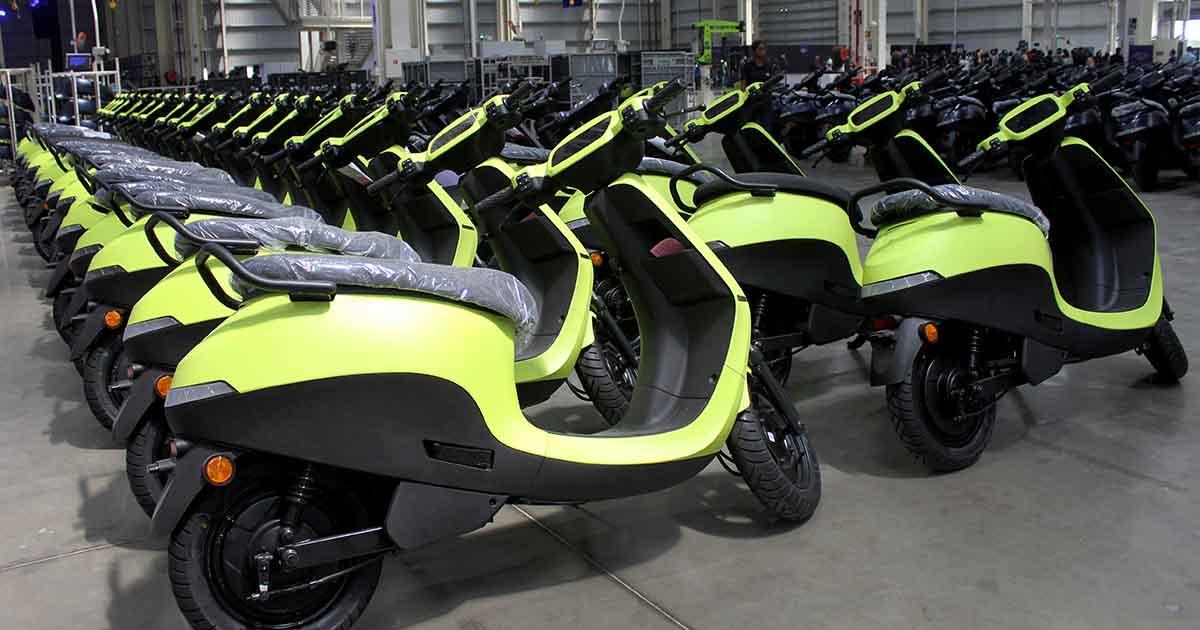
Govt Extends PM E-Drive E-Two-Wheeler Subsidy to FY28, Raises Allocation
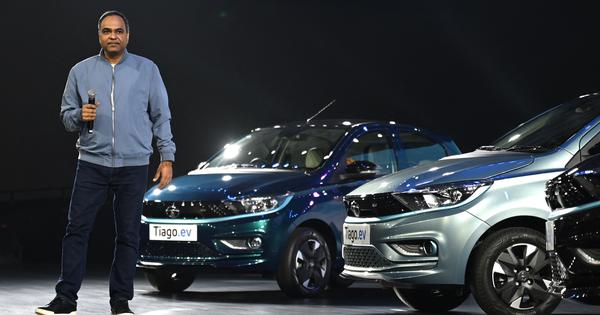
Indian EVs Outrun Tesla and BYD in Efficiency Ranking
Why India's EV Opportunity Could Be Bigger Than Investors Realise

Tata, Mahindra beat Tesla and BYD in EV efficiency ranking