

1 week ago
NASA Finds Earth Microbes Could Survive Near Moon’s South Pole

Scientists studying NASA research found that some tiny living things from Earth might survive on the Moon.
They tested conditions similar to harsh, dark areas near the Moon’s South Pole.
Some microbes may be able to last for at least one day there.
This means astronauts might accidentally bring microbes with them.
The astronauts may not know they are carrying them.
Scientists are concerned that these microbes could contaminate parts of the Moon.
The finding matters more as people prepare for longer trips to the Moon.
The study was published in Science Advances on August 19, 2026.

NASA research found some Earth microbes may survive at least one day near the Moon’s South Pole.
The microbes endured conditions in certain harsh, shadowed lunar areas.
The findings raise concerns that astronauts could unknowingly carry microbes into space.
The study was published in Science Advances on August 19, 2026.
The research highlights contamination risks as humans plan longer Moon missions.
- Who
- NASA researchers studying microbes from Earth.
- What
- They found that some Earth microbes may survive for at least one day in certain harsh, shadowed lunar areas.
- Where
- In certain shadowed areas near the Moon’s South Pole.
- When
- The study was published on August 19, 2026.
- Why
- The findings raise concerns about contamination during longer human missions to the Moon.
Key facts
- Research organization
- NASA
- Microbe origin
- Earth
- Potential survival time
- At least one day
- Lunar location
- Harsh, shadowed areas near the Moon’s South Pole
- Publication
- Science Advances
- Publication date
- August 19, 2026
- Main concern
- Human missions could unintentionally carry microbes to the Moon
Sources
Related news
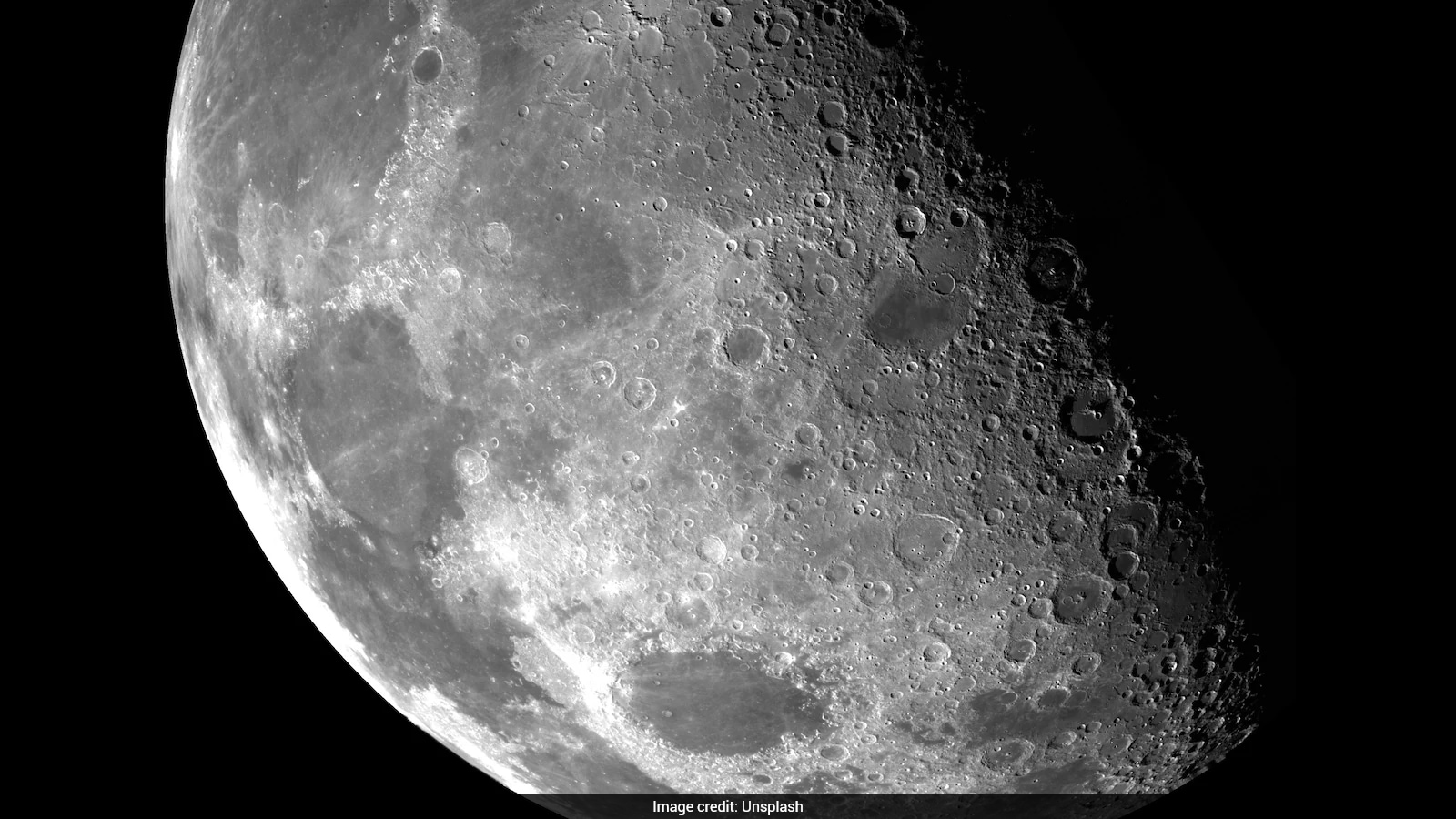
NASA Study Finds Earth Microbes May Survive Moon's South Pole

Lunar South Pole May Preserve Earth Microbes, Study Finds
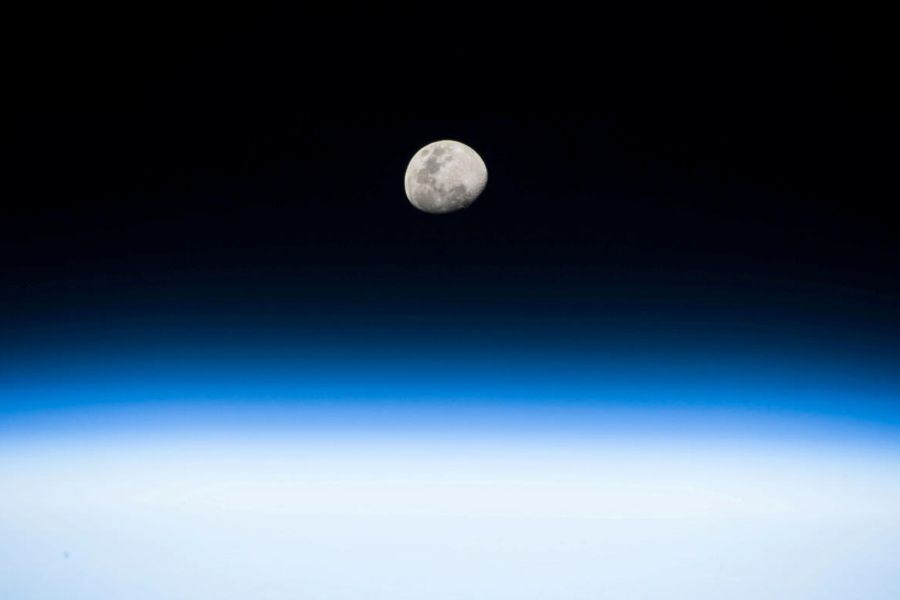
Some Earth Microbes May Survive Months on the Moon
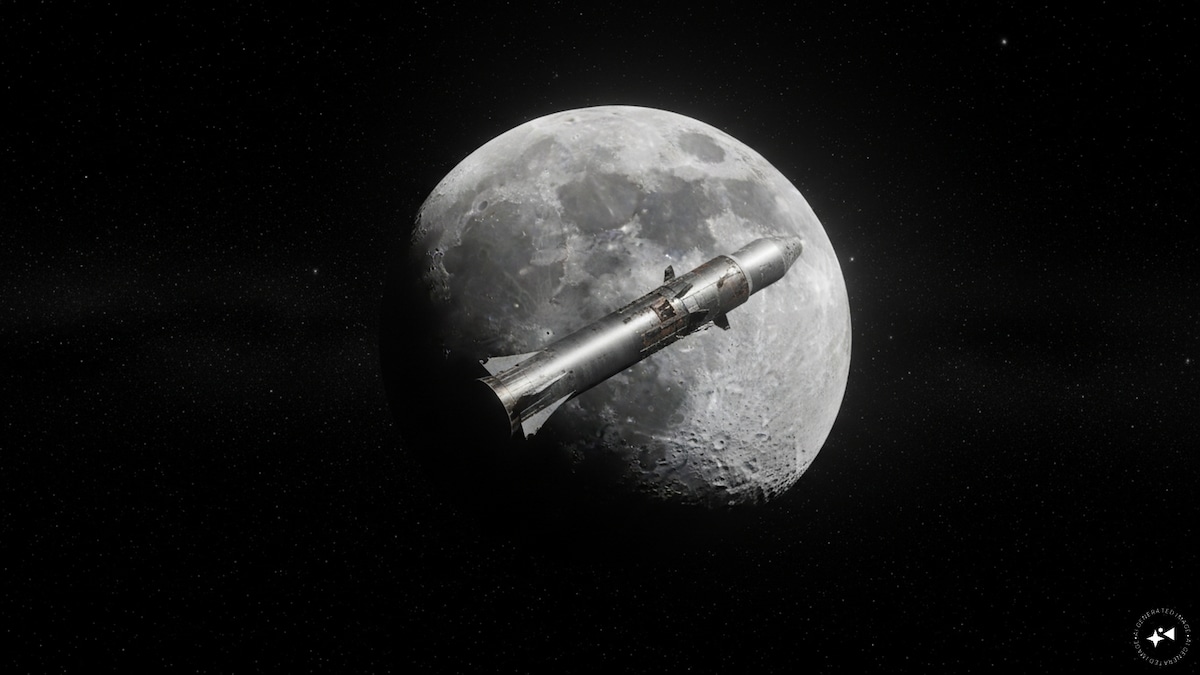
Stray SpaceX rocket believed to have slammed into Moon
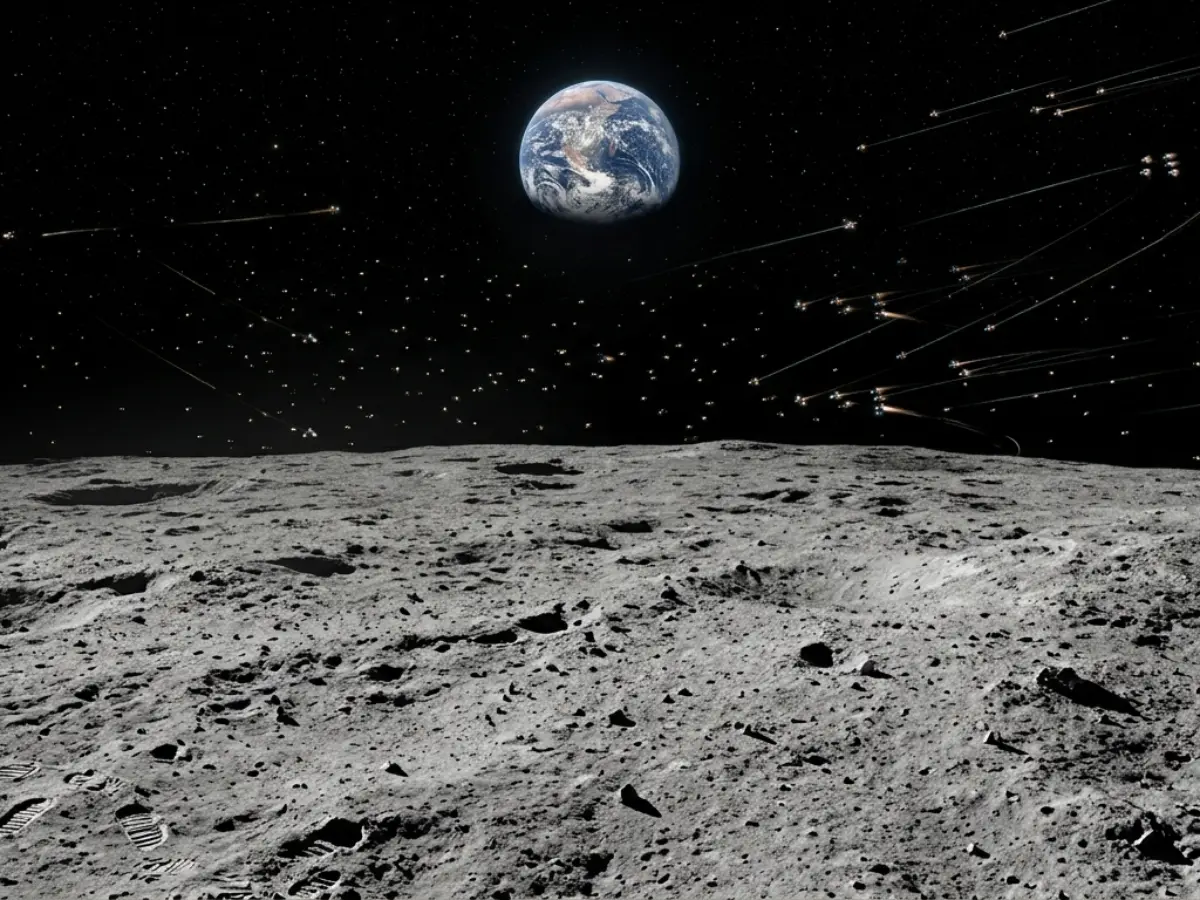
Ukrainian Astronomers Report More Than 20 UFOs Near the Moon

SpaceX Falcon 9 Upper Stage Likely Crashes Into the Moon
Next Lunar Eclipse Set for February 2027 Across India, World

Why Soil Is Brown: Humus, Iron, and Earth’s Colour

2026 Blood Moon Eclipse Draws Global Attention and Zodiac Claims

Smartphone Tips for Capturing the 2026 Partial Lunar Eclipse

Aditya-L1 Findings Clarify Magnetic Heating of the Sun’s Corona
