3 weeks ago
Stray SpaceX rocket believed to have slammed into Moon
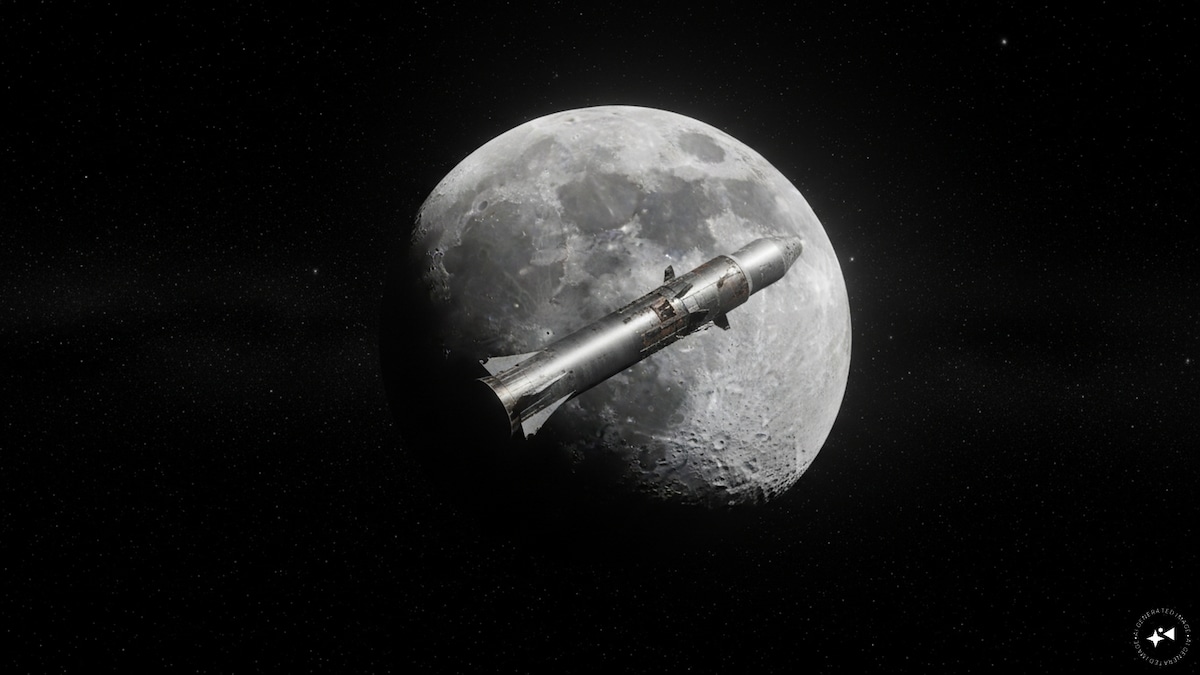
A big part of a rocket flew through space for more than a year.
It belonged to a company called SpaceX.
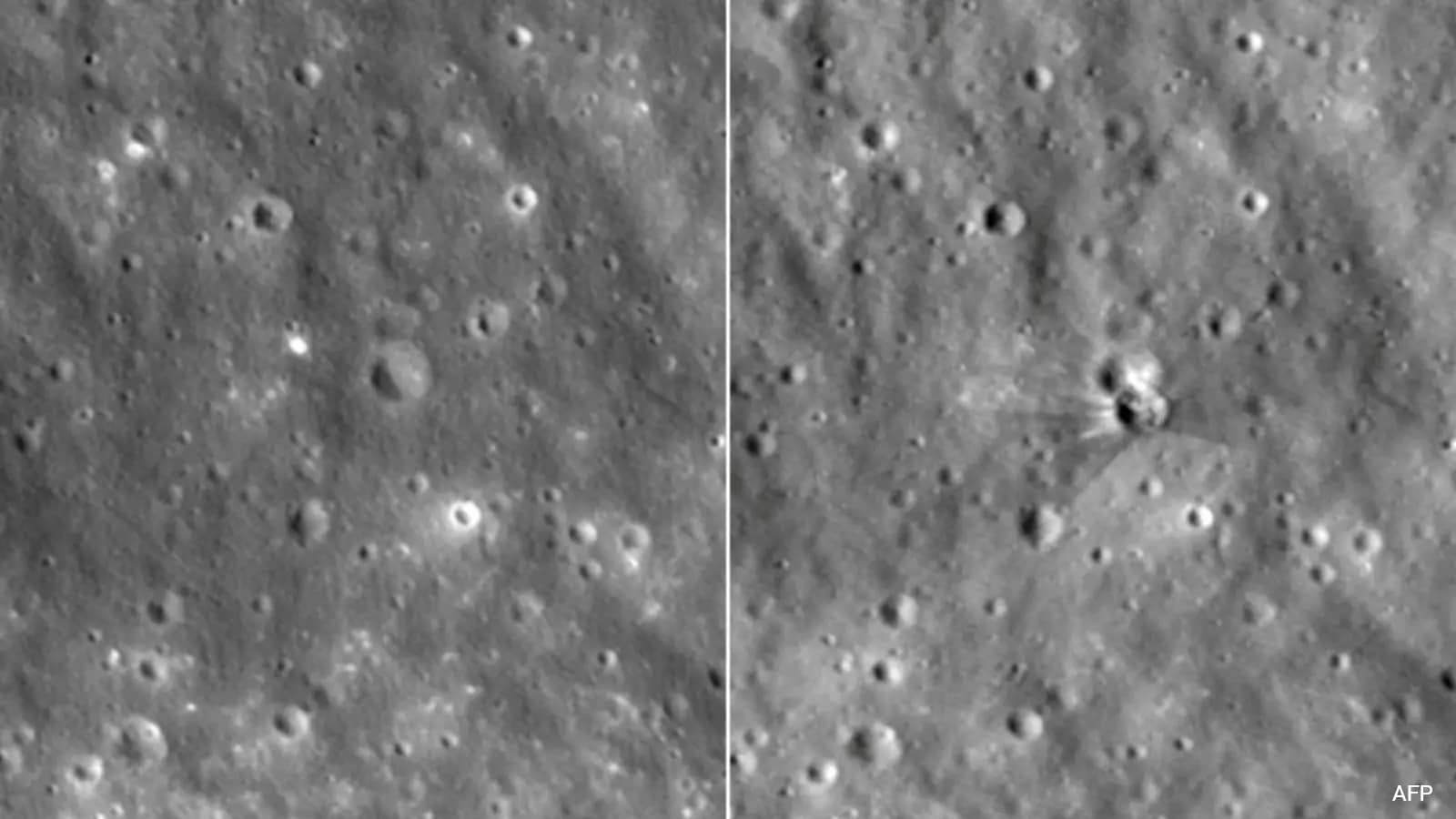
Scientists think it hit the Moon.
The crash happened near a place called Einstein Crater.
We don't know for sure yet, because nobody has officially confirmed it.
When something hits the Moon, it can leave a dent or crater.
Some people are worried about all the junk left around the Moon.
This junk is called lunar debris.
Lots of countries and companies are sending missions to the Moon now.
That means there is more traffic and more chances for space junk to cause problems.

A SpaceX Falcon rocket upper stage is believed to have crashed into the Moon near Einstein Crater.
The rocket stage had been drifting in space for more than a year before the collision.
Scientists reported the incident, but official confirmation is still pending.
The event has renewed concerns over the growing problem of lunar debris.
NASA, China and private companies are accelerating Moon missions under an increasingly crowded exploration programme.
- Who
- Scientists tracking the SpaceX Falcon rocket upper stage; SpaceX built the rocket.
- What
- A stray SpaceX Falcon rocket upper stage believed to have crashed into the Moon near Einstein Crater.
- Where
- Near Einstein Crater on the Moon.
- When
- After the rocket stage had drifted in space for more than a year; the exact date of impact is not specified.
- Why
- The rocket stage was believed to have drifted in space before the collision; the incident renewed concerns over growing lunar debris as Moon missions increase.
Key facts
- Incident
- Stray SpaceX Falcon rocket upper stage believed to have crashed into the Moon
- Crash site
- Near Einstein Crater, Moon
- Drift duration
- More than one year in space
- Confirmation status
- Official confirmation still pending
- Concern raised
- Growing problem of lunar debris
- Context
- Increasingly crowded Moon exploration programme involving NASA, China and private companies
- Source
- PTI, citing scientists