

5 days ago
Smartphone Tips for Capturing the 2026 Partial Lunar Eclipse

A lunar eclipse happens when Earth moves between the Sun and the Moon.
Earth’s shadow then falls across the Moon.
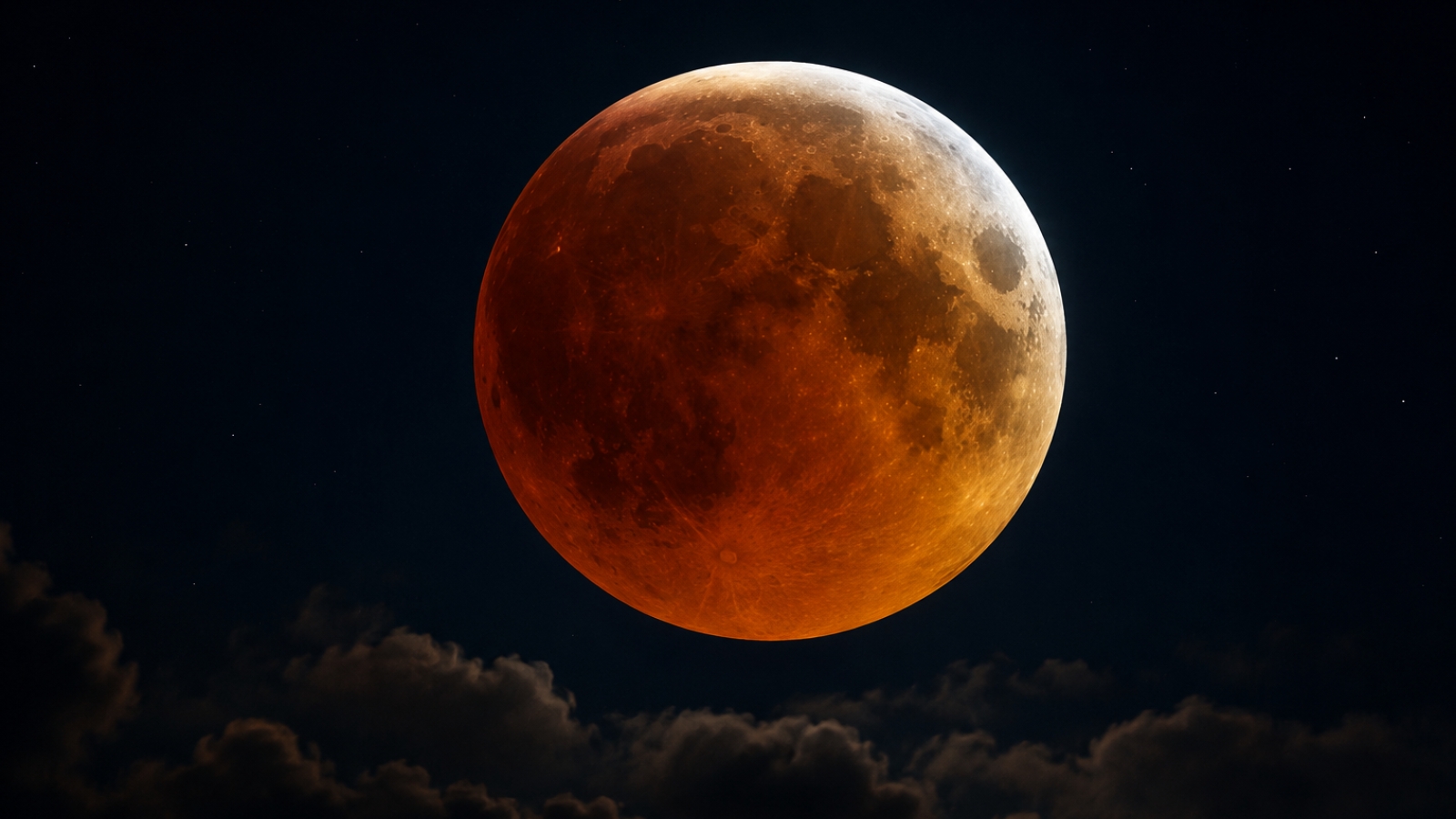
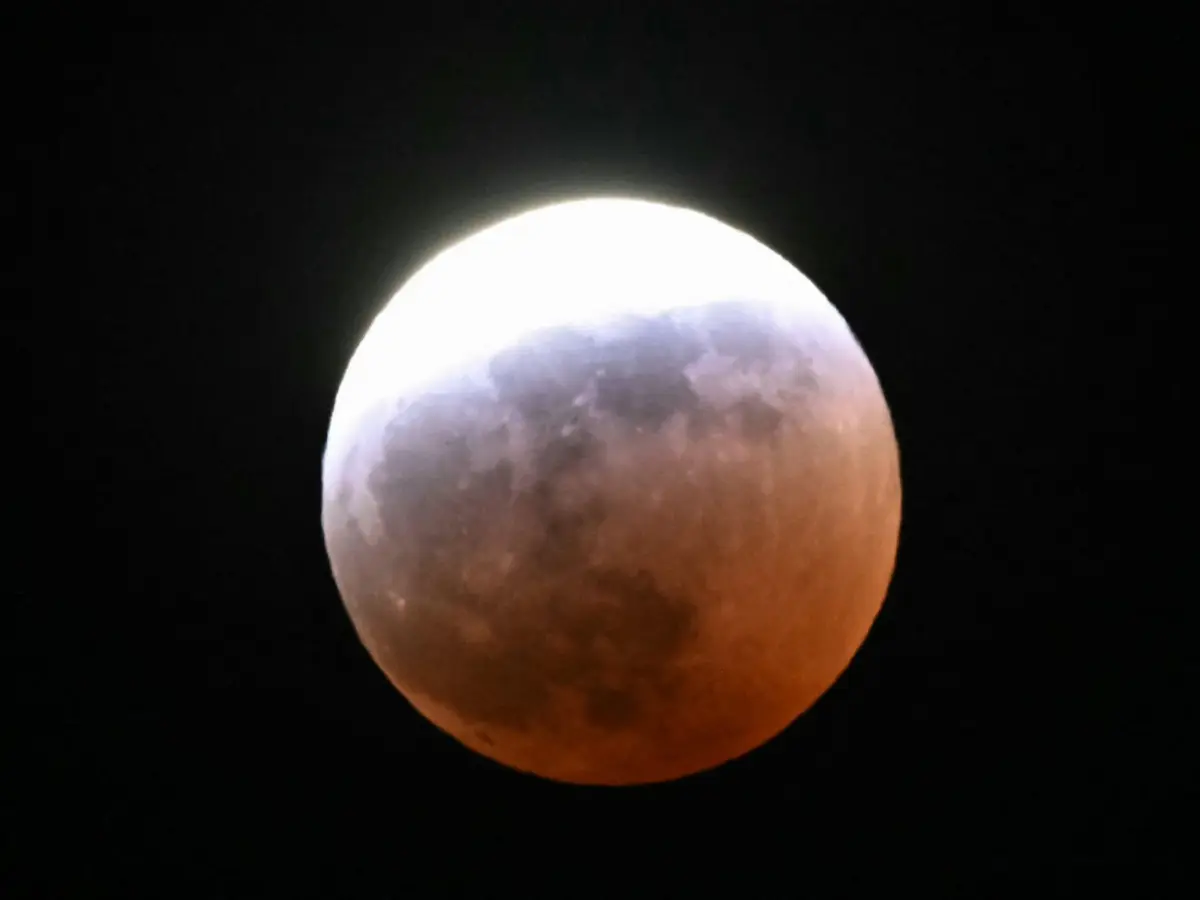
During this partial eclipse, much of the Moon can look dark red or orange.
About 93% of the Moon will enter Earth’s darkest shadow at the peak.
The event’s stages happen between 01:24 and 07:02 UTC.
A smartphone can take better pictures using night mode or astrophotography mode.
Keeping the phone still and tapping the Moon to lock focus can make the image clearer.
Lower ISO settings can help when the Moon is bright, while higher settings may help when it is dim.

The partial lunar eclipse can make the Moon appear rusty red or copper-colored.
At greatest eclipse, about 93% of the Moon’s diameter will be inside Earth’s umbra.
The eclipse stages run from 01:24 to 07:02 UTC, with greatest eclipse at 04:13 UTC.
Night, astrophotography, manual, or pro camera modes can improve smartphone images.
Stabilizing the phone, locking focus, and adjusting ISO and exposure can prevent blurry or overexposed photos.
- Who
- Sky gazers and cosmic enthusiasts; NASA provided information about the eclipse’s visibility and timing.
- What
- A partial lunar eclipse, also called a Blood Moon, in which Earth’s shadow crosses the Moon.
- Where
- Visible from much of North and South America and parts of Europe and Africa.
- When
- The eclipse runs from 01:24 UTC to 07:02 UTC, with greatest eclipse at 04:13 UTC.
- Why
- Earth aligns between the Sun and the Moon, causing Earth’s shadow to fall on the lunar surface.
Key facts
- Event type
- Partial lunar eclipse, also called a Blood Moon
- Greatest eclipse
- 04:13 UTC
- Partial eclipse begins
- 03:34 UTC
- Partial eclipse ends
- 05:52 UTC
- Maximum coverage
- About 93% of the Moon’s diameter inside Earth’s umbra
- Visibility
- Much of North and South America and parts of Europe and Africa
- Recommended equipment
- A smartphone; a stable surface, tripod, telescope, or binoculars can improve results
Quotes

NASA
The United States space agency providing eclipse visibility and appearance information
“At maximum eclipse, about 93% of the Moon's diameter will be inside Earth's dark central shadow, called the umbra. The Moon will not be completely covered, but it can look dramatically darkened, with a rusty, coppery tint along the covered edge.”
 livemint.com
Sources
Related news
August 2026 Partial Lunar Eclipse Nearly Total, Invisible in India
August 2026 Partial Lunar Eclipse Visible Across Americas, Europe

August 28 Partial Lunar Eclipse Not Visible in India
August 2026 Deep Partial Eclipse Will Create Blood Moon

Where to Watch Thursday’s Partial Lunar Eclipse Online

August 2026 Partial Lunar Eclipse Nears Totality, Misses India
Next Lunar Eclipse Set for February 2027 Across India, World

Why Soil Is Brown: Humus, Iron, and Earth’s Colour

2026 Blood Moon Eclipse Draws Global Attention and Zodiac Claims

Aditya-L1 Findings Clarify Magnetic Heating of the Sun’s Corona
