1 week ago
Some Earth Microbes May Survive Months on the Moon
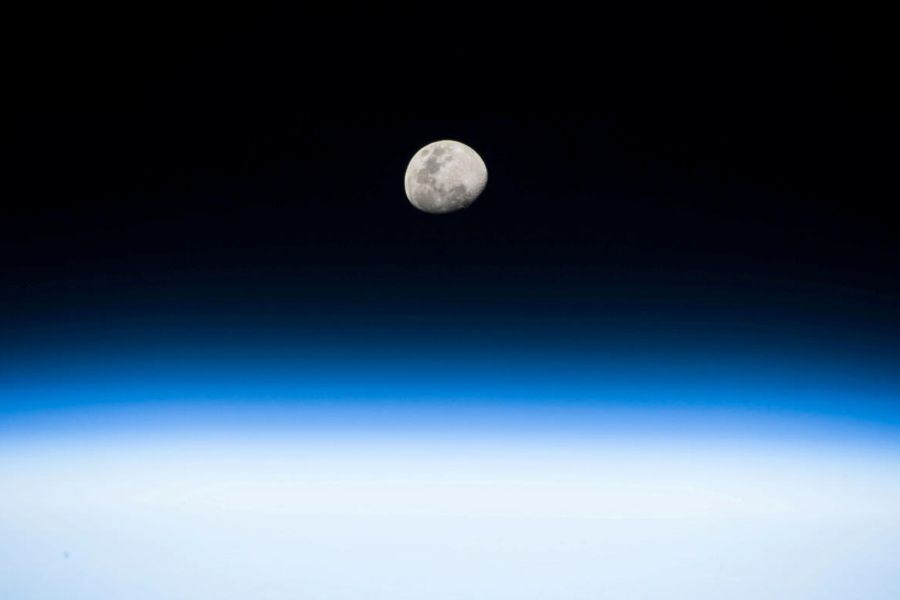
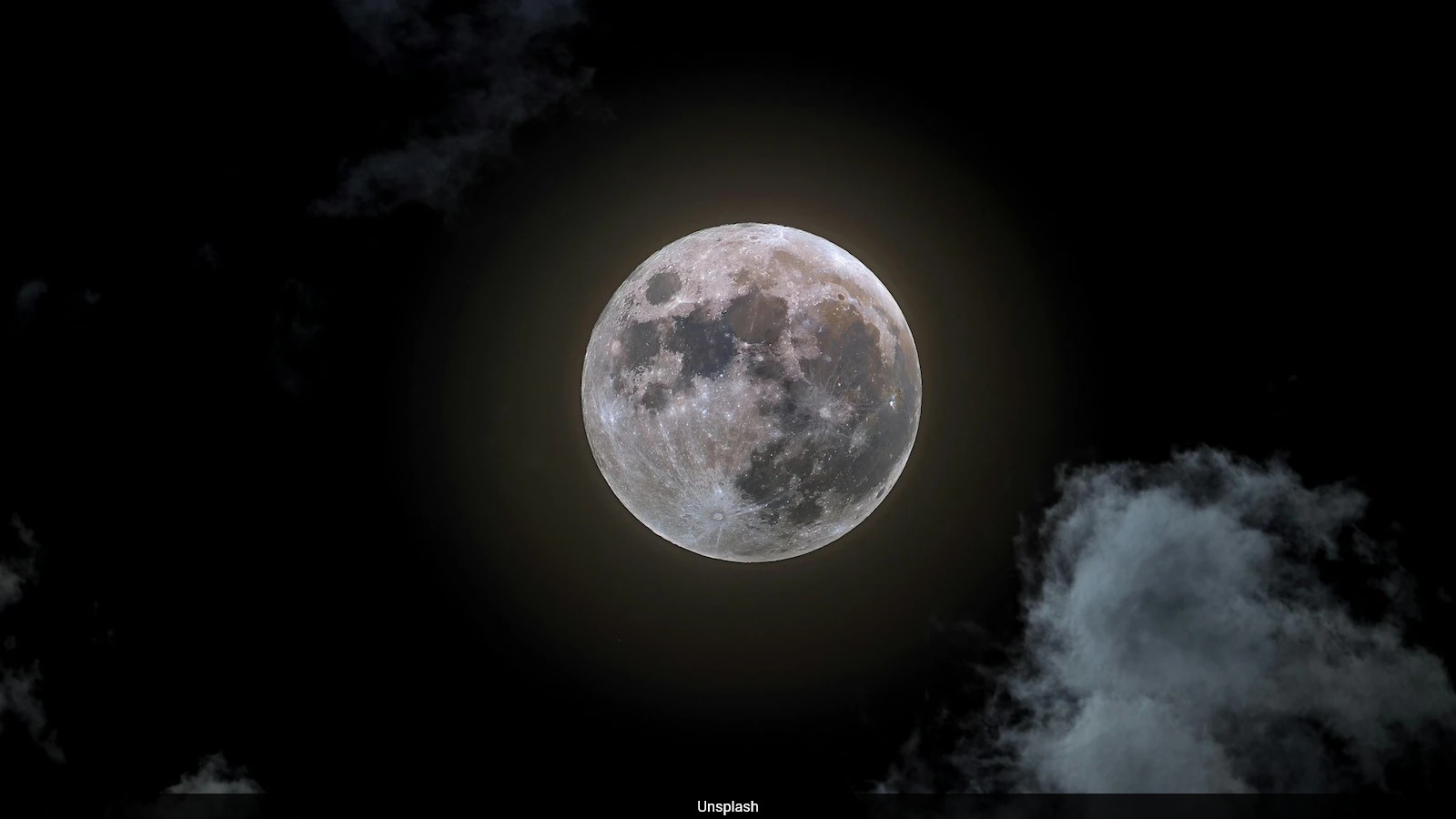
The Moon is extremely difficult for humans and most Earth life to survive on.
It has no breathable air, very hot and cold conditions, and strong radiation.
Scientists tested whether some tiny fungi and bacteria could remain alive there.
Computer models suggested that certain microbes might survive for weeks or months in protected places.
These places include permanently shadowed crater floors near the lunar poles.
Aspergillus niger, a common black mold, was the strongest survivor in the study.
The researchers only studied whether the microbes could stay alive, not whether they could grow or become more dangerous.
Astronauts might accidentally carry microbes to the Moon on spacesuits, tools or machines.
This could make it harder for scientists to tell what chemicals came from the Moon and what came from Earth.

NASA-led simulations found some Earth fungi and bacteria could survive for weeks to months in lunar polar niches.
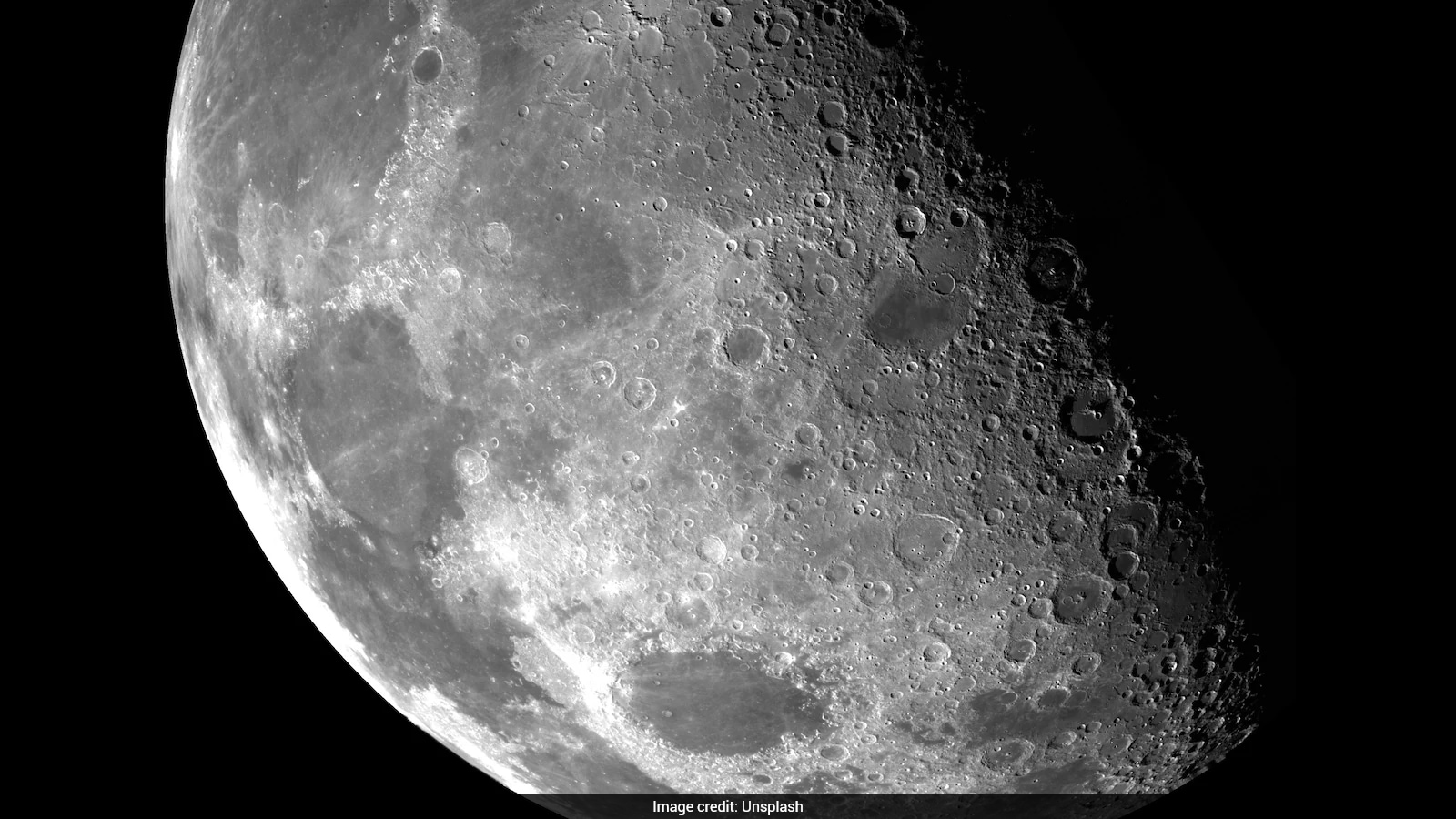
The study modeled conditions at three South Pole regions: Nobile Rim, Connecting Ridge and de Gerlache Rim.
Aspergillus niger was the most resilient organism tested, while fungi generally outlasted the bacteria.
Permanent shadows, autumn and winter, and possible burial could protect microbes from radiation and heat.
Researchers warned contamination could affect lunar science and future analyses of water, regolith and organic molecules.
- Who
- NASA scientists, including planetary scientist Prabal Saxena and organic geochemist Heather Graham, studied five forms of fungi and bacteria.
- What
- The research modeled whether Earth microbes could survive on the lunar surface and found that some might persist for weeks to months under certain conditions.
- Where
- The simulations examined the lunar South Pole regions Nobile Rim, Connecting Ridge and de Gerlache Rim, including permanently shadowed craters.
- When
- The study was published this week in Science Advances; the modeled survival included autumn and winter conditions.
- Why
- Researchers wanted to assess possible contamination from microbes carried unintentionally by astronauts and its effects on future lunar exploration and scientific analysis.
Key facts
- Most resilient microbe
- Aspergillus niger, a common fungus sometimes called black mold
- Other organisms studied
- Fusarium fungi, plus Deinococcus radiodurans, Staphylococcus aureus and Bacillus subtilis bacteria
- Potential survival period
- Weeks to months in certain lunar regions and seasons
- Main threats
- Ultraviolet radiation, heat, energetic particle radiation and the Moon’s natural vacuum
- Modeled regions
- Nobile Rim, Connecting Ridge and de Gerlache Rim near the lunar South Pole
- Lunar daytime temperature
- Approximately 260 degrees Fahrenheit (127 degrees Celsius)
- Study limitation
- The researchers modeled cellular survival, not microbial growth, reproduction, mutation or future pathogenicity
Quotes
Prabal Saxena
NASA Goddard Space Flight Center planetary scientist and lead study author
“The bacteria we examined were less resilient to ultraviolet radiation and consequently had less survival, with Deinococcus leading the way and Staphylococcus and Bacillus bringing up the rear.”
 telegraphindia.com
“Aspergillus was the most well-suited to survive in regions of the lunar poles. Fusarium was similarly resilient, though not to the extent of Aspergillus.”
telegraphindia.com
Heather Graham
NASA Goddard Space Flight Center organic geochemist and study co-author
“Contamination is unavoidable, so we need to track what we're bringing with us so that we can later distinguish lunar chemistry from stuff we brought from Earth.”
telegraphindia.com
Sources
Related news
NASA Study Finds Earth Microbes May Survive Moon's South Pole

Lunar South Pole May Preserve Earth Microbes, Study Finds

NASA Finds Earth Microbes Could Survive Near Moon’s South Pole

SpaceX Falcon 9 Upper Stage Likely Crashes Into the Moon
Stray SpaceX rocket believed to have slammed into Moon

Science Quiz Covers Vehicle Communication, Space, Medicine, Missiles and Time
NASA Launches Roman Telescope to Probe Universe’s Mysteries

India's R&D Ecosystem Faces Hurdles On Path To Knowledge Economy
NISAR's Nepal Flood Silence Raises Questions About Disaster Readiness
Next Lunar Eclipse Set for February 2027 Across India, World