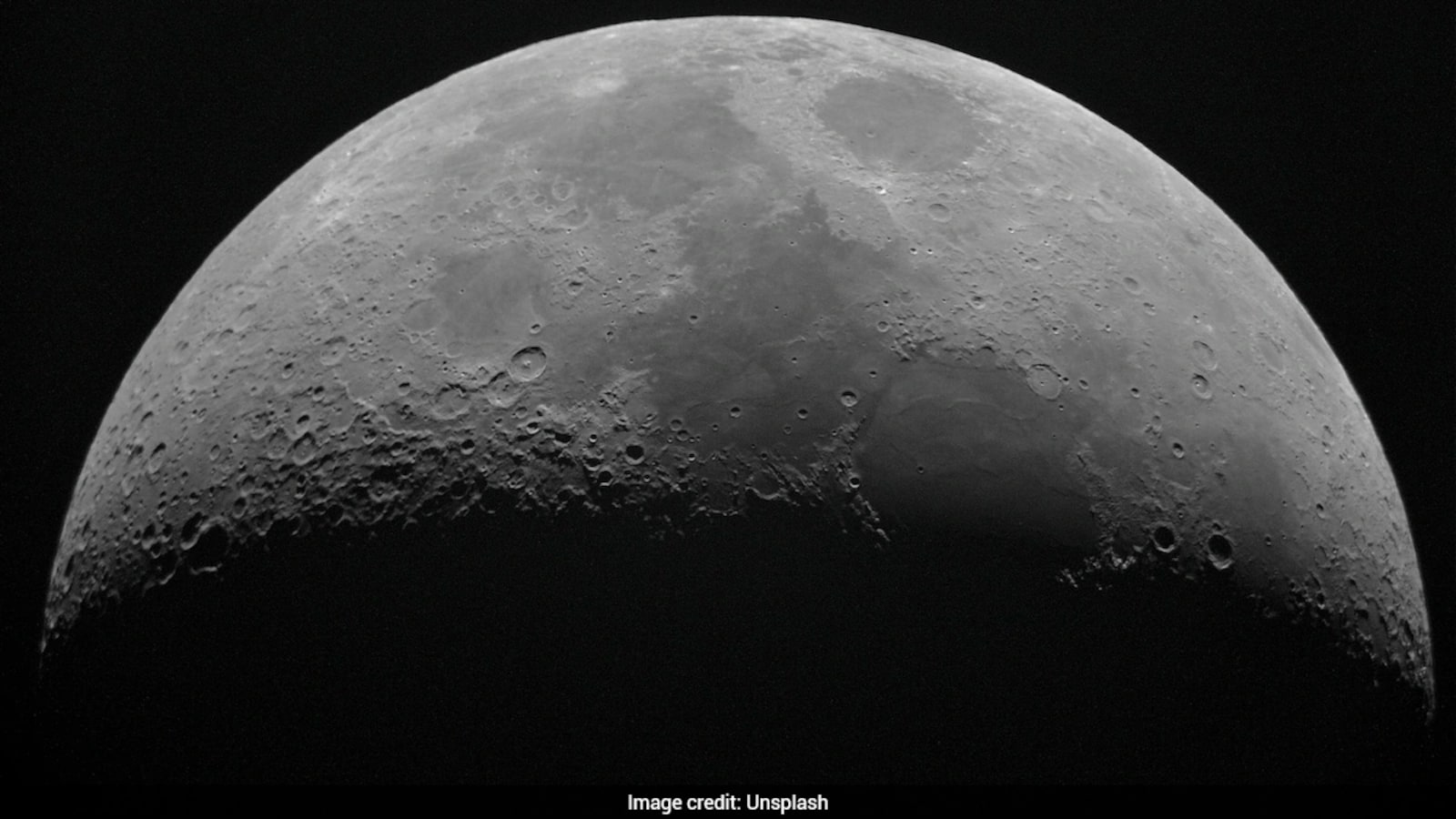
0 months ago
SpaceX Falcon 9 Upper Stage Likely Crashes Into the Moon

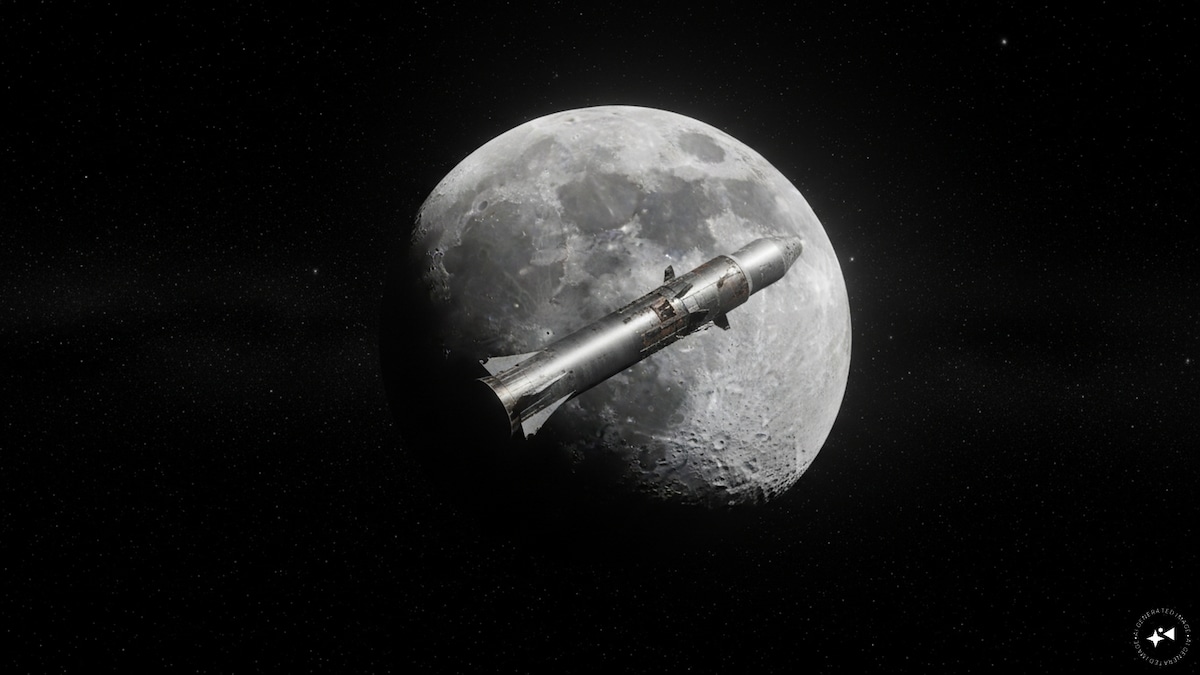
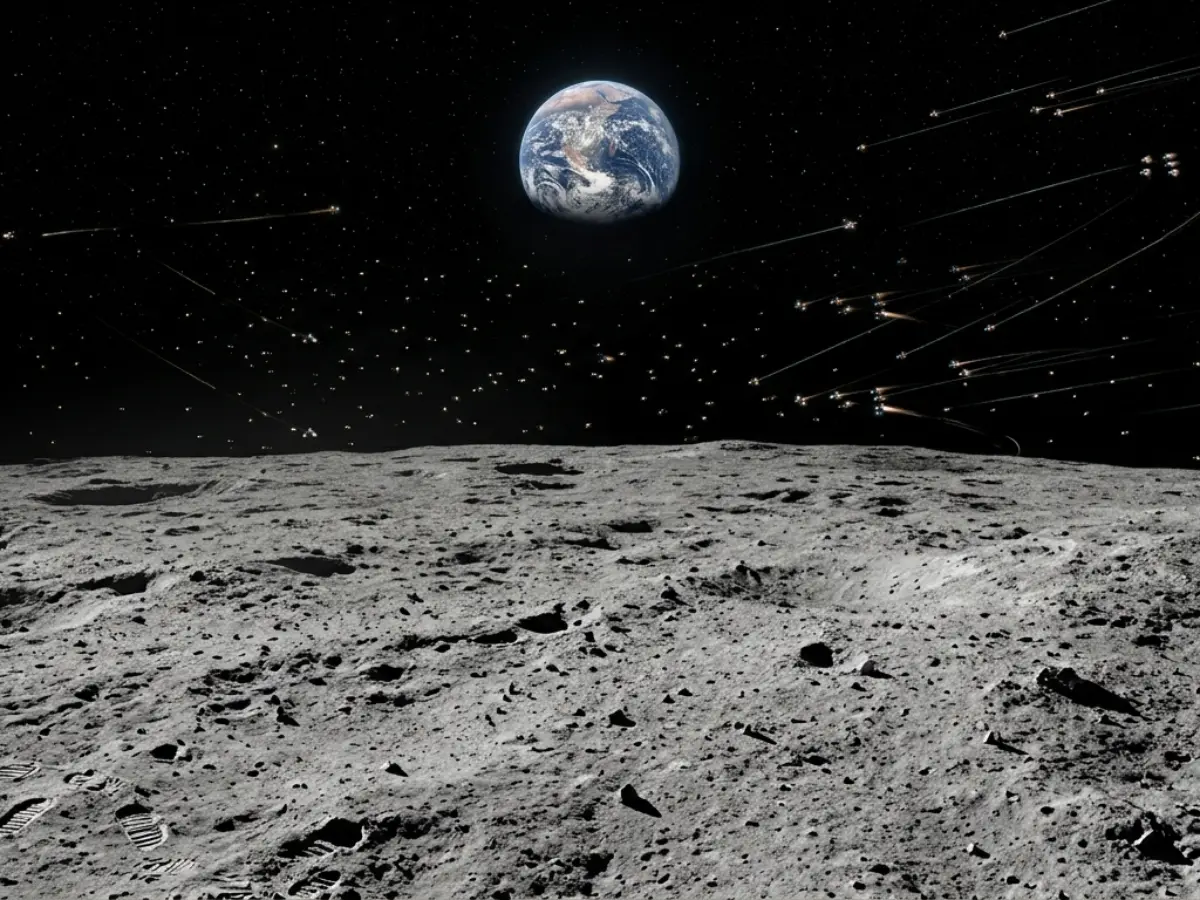
A big piece of a SpaceX rocket crashed into the Moon.
The piece was the top part of a Falcon 9 rocket, left over from a launch in January 2025.
On that trip, it helped carry two small Moon landers.
After the landers were dropped off, the rocket part stayed in space like space garbage.
It floated around for about 18 months because it had no fuel left to steer.
Slowly, the Sun's energy and gravity pushed it onto a path that hit the Moon.
It struck the surface very fast, about 8,690 kilometres per hour.
The crash made a hole in the Moon but did not hurt anyone on Earth.
Scientists are watching because they knew where it would hit in advance.
Cameras on spacecraft near the Moon are taking pictures to confirm the crash.

A discarded four-tonne SpaceX Falcon 9 upper stage is believed to have unintentionally crashed into the Moon on Wednesday, August 5, with official confirmation still pending.
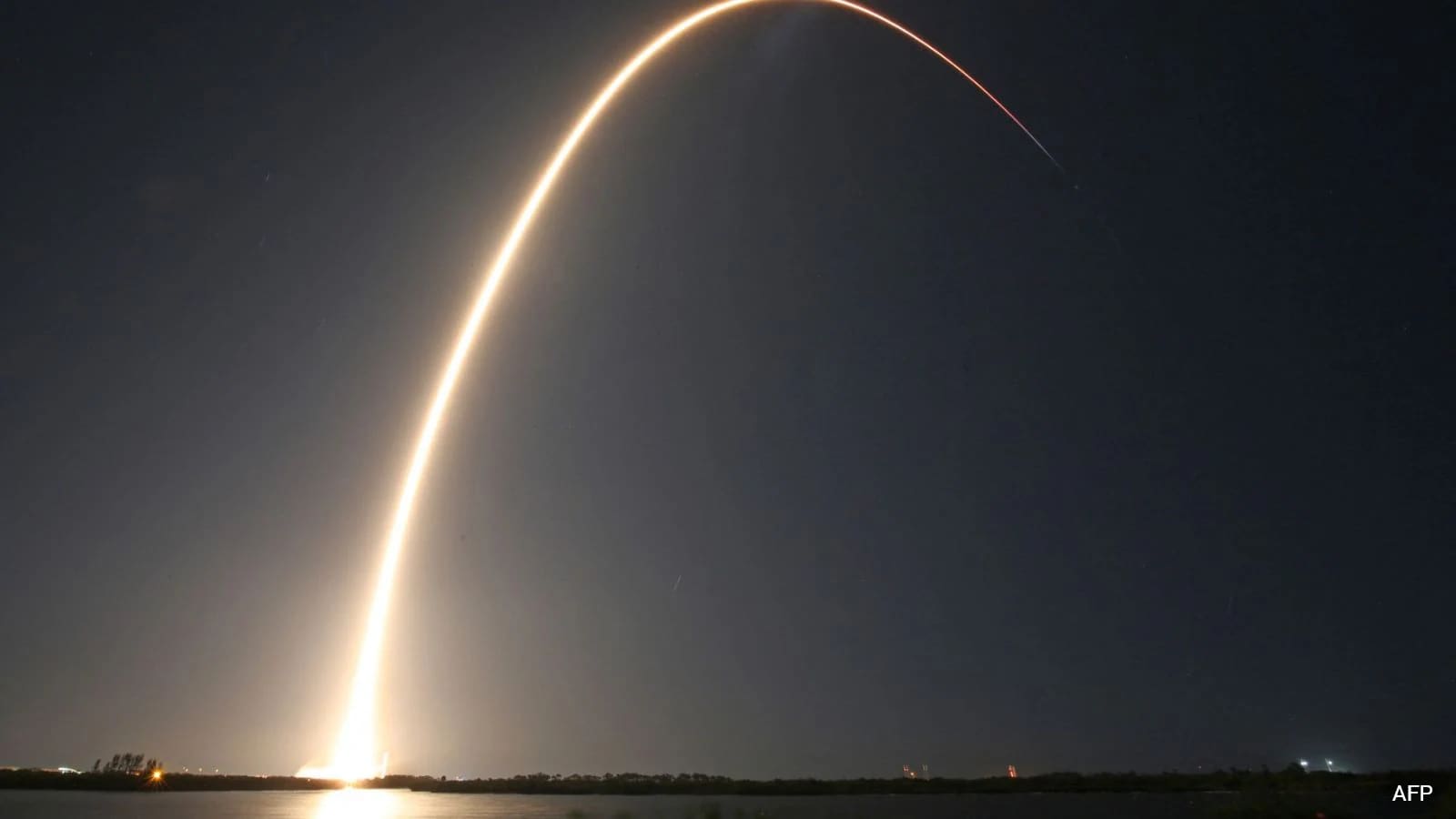
The stage was launched on January 15, 2025, carrying Firefly Aerospace's Blue Ghost-1 and ispace's Hakuto-R Mission 2 lunar landers toward the Moon.
Impact was expected around 0635 GMT (2:35 am EDT / 12:05 pm IST), near the Einstein Crater at about 5,400 mph (8,690 km/h), posing no danger to Earth.
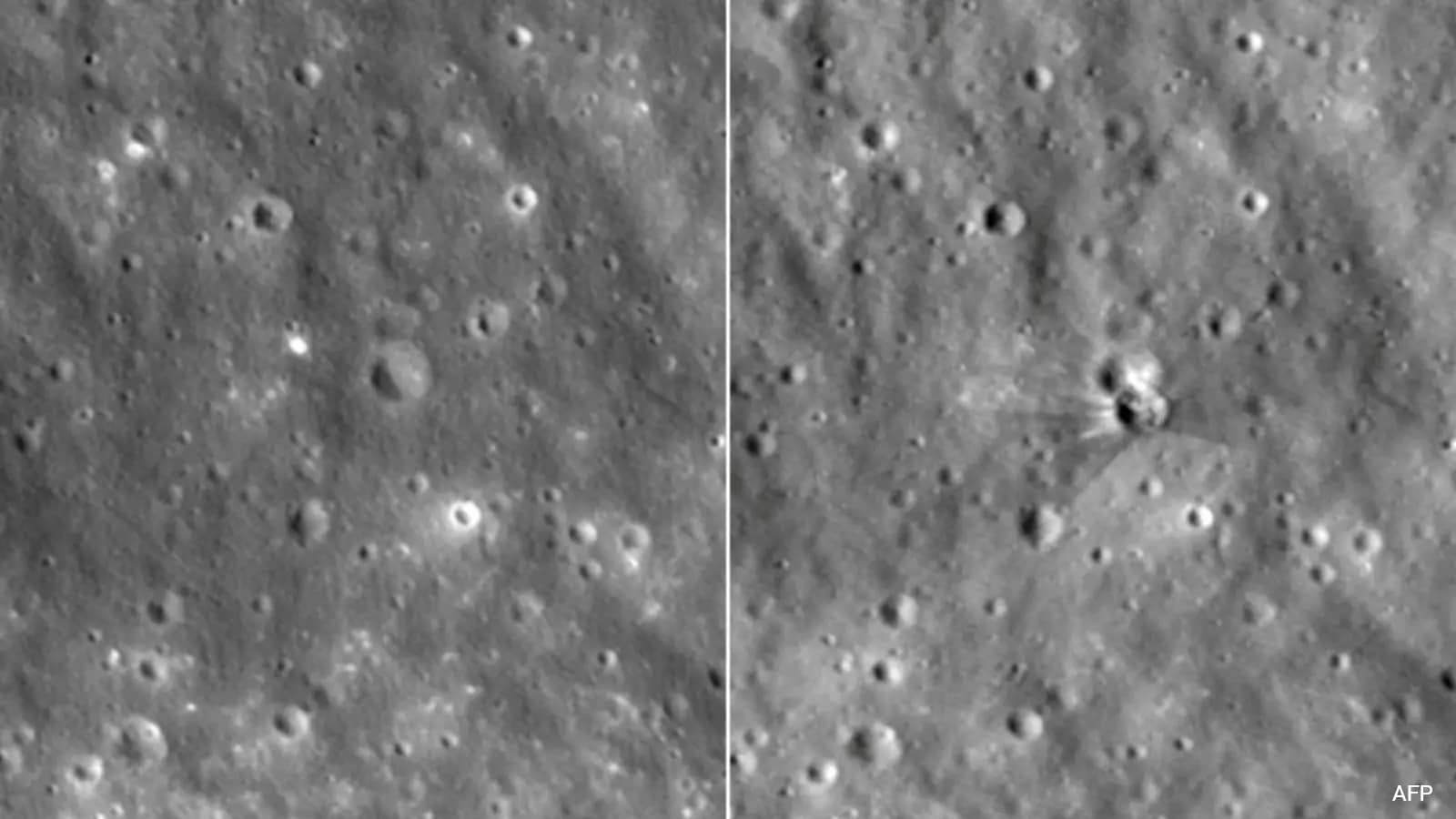
Scientists estimate the crash carved out a crater 20-30 metres wide, though one report put it at about 18 metres wide and 4 metres deep, and it may have sent a dust plume up to 100 km above the surface.
NASA's Lunar Reconnaissance Orbiter, South Korea's Pathfinder Lunar Orbiter, and India's Chandrayaan-2 are expected to image the site, with confirmation possibly taking hours to days.
- Who
- A discarded four-tonne upper stage of a SpaceX Falcon 9 rocket, monitored by scientists and agencies including NASA, South Korea's Pathfinder Lunar Orbiter (Danuri), and India's Chandrayaan-2.
- What
- The Falcon 9 upper stage unintentionally crashed into the Moon near the Einstein Crater, creating a new crater and a possible dust plume, with no danger to Earth; official confirmation is still pending.
- Where
- Near the Einstein Crater in the Moon's northern hemisphere; reports differ, placing the site on the lunar far side, near the Moon's visible edge, or on the Earth-facing side close to Bell Crater.
- When
- Early Wednesday, August 5; expected impact around 0635 GMT (2:35 am EDT / 12:05 pm IST / 07:35 BST).
- Why
- The stage, left in a high-energy orbit after its January 15, 2025 mission, had exhausted its fuel and could no longer be steered; a mixture of solar activity and gravitational forces shifted its trajectory onto a collision course with the Moon.
Scientific Opportunity
Space Debris Concerns
Scientific value of the crash
Scientific Opportunity
Researchers view it as a rare natural experiment with a well-documented object, offering a chance to study crater formation, dust plumes, subsurface material, and future lunar seismology and mission planning.
Space Debris Concerns
Astronomer Bill Gray, who first predicted the impact, described its scientific value as 'probably minor,' though still worth studying.
Disposing of rocket stages on the Moon
Scientific Opportunity
NASA says disposing of upper stages on the lunar surface is a technically accepted and safe method and, in some cases, can be the only practical option for missions in low lunar orbit.
Space Debris Concerns
Experts warn about the growing accumulation of space junk, with more than 46,000 pieces in orbit, and some warn of a possible 'Kessler syndrome' chain reaction of collisions around Earth.
Key facts
- Object
- SpaceX Falcon 9 upper stage (discarded space debris)
- Estimated weight
- ~4,000 kg (8,800 lbs); one report cites ~4,500 kg
- Impact speed
- ~8,690 km/h (~5,400 mph); one report says nearly 8,700 km/h
- Expected impact time
- ~0635 GMT (2:35 am EDT / 12:05 pm IST / 07:35 BST), Wednesday, August 5
- Expected impact location
- Near Einstein Crater, Moon's northern hemisphere; one report says close to Bell Crater, another says lunar far side
- Launch date
- January 15, 2025
- Payloads carried
- Firefly Aerospace's Blue Ghost-1 and ispace's Hakuto-R Mission 2
- Expected crater size
- 20-30 metres wide (one report: ~18 m wide, 4 m deep); impact energy ~3 tonnes of TNT
Quotes

Benjamin Fernando
Lead author at Los Alamos National Laboratory
“"It might be possible for folks with a telescope to observe the plume of ejecta created by the impact," said Benjamin Fernando of Los Alamos National Laboratory in New Mexico, the lead author on a recent paper on the anticipated impact.”
 NDTV
NDTV
 deccanchronicle.com
“"Although unplanned in this instance, disposing of upper stages on the lunar surface is a technically accepted and safe method and, in some cases, can be the only practical option for missions in low lunar orbit,"”
 livemint.com
Sources
SpaceX Rocket Piece Weighing 4 Tonnes May Have Crashed Into Moon

SpaceX Falcon 9 second stage rocket hits the Moon after drifting in space since 2025; NASA tracking impact

SpaceX Falcon 9 Upper Stage Likely Crashes Into Moon; Confirmation Awaited

SpaceX rocket 'crashes' into Moon
SpaceX rocket crashes into Moon: Why the impact was nearly impossible to witness

SpaceX Rocket Stage Believed To Have Slammed into Moon
Related news

SpaceX Falcon 9 rocket stage believed to crash into Moon
Stray SpaceX rocket believed to have slammed into Moon
NASA Orbiter Reveals 60-Foot Crater From SpaceX Rocket Impact

Moon Crash Is a Space Debris Warning We Cannot Ignore
Ukrainian Astronomers Report More Than 20 UFOs Near the Moon