1 week ago
Lunar South Pole May Preserve Earth Microbes, Study Finds

Scientists studied whether tiny living things from Earth could survive on the Moon.
They found that some bacteria and fungi might stay alive in very cold and shaded areas near the lunar south pole.
These places receive less sunlight and ultraviolet radiation than much of the lunar surface.
The microbes probably could not grow or reproduce there.
Instead, they might enter a resting condition called cryptobiosis.
The study says survival could last for at least one Earth day under the tested conditions.
A bootprint or rover track might provide a small amount of shelter.
This creates a risk that astronauts could bring Earth microbes to the Moon.
Scientists also want to protect lunar evidence that could help explain the history of Earth and other worlds.

A new study found that some Earth microbes could survive in shaded, cold regions of the lunar south pole.
Researchers compared microorganism survivability data with lunar maps showing ultraviolet radiation and surface temperatures.
The microbes would likely remain in cryptobiosis, meaning alive but unable to grow or reproduce.
The study examined three types of bacteria and two types of fungi commonly associated with crewed space missions.
Chandrayaan-1’s RADOM radiation measurements and data from NASA’s Lunar Reconnaissance Orbiter helped assess the lunar radiation environment.
- Who
- NASA-affiliated researchers, including Prabal Saxena, Heather Graham, and Andrew Needham, studied the survival of microbes associated with crewed space missions.
- What
- The study assessed whether five types of Earth microorganisms could survive in lunar polar conditions and identified possible survivable niches.
- Where
- The potential niches are on the Moon, especially in shaded and cold areas near the lunar south pole; the study also identified possible areas at both lunar poles.
- When
- The findings come from a newly reported study; the articles do not provide a publication date.
- Why
- Low temperatures, reduced ultraviolet radiation, and local topography may protect microbes, while the findings also raise concerns about contamination during future human missions.
Contamination and preservation concerns
Scientific exploration opportunities
Human missions and lunar evidence
Contamination and preservation concerns
Astronauts, spacesuits, habitats, bootprints, and rovers could introduce Earth microbes and make it harder to distinguish ancient lunar chemistry or biology from contamination.
Scientific exploration opportunities
The Moon’s polar regions could serve as a natural laboratory for studying the limits of life and microbial resilience in extreme environments.
Interpreting possible life-related evidence
Contamination and preservation concerns
Researchers say contamination must be controlled before searching the Moon or Mars for signs of life, so discoveries are not confused with material brought from Earth.
Scientific exploration opportunities
The Moon may preserve evidence from Earth’s past, including material potentially delivered by ancient cosmic impacts, because its polar regions can trap volatiles such as water.
Key facts
- Study
- Potential survivable niches for microbial life on the lunar south pole
- Microorganisms examined
- Three kinds of bacteria and two kinds of fungi
- Likely survival state
- Cryptobiosis, in which microbes remain alive but cannot grow or reproduce
- Minimum survival meaning
- Survival in the study means remaining alive for at least one Earth day
- Key lunar conditions
- Persistent low temperatures and ultraviolet radiation in some polar regions
- Radiation data
- Measurements from Chandrayaan-1’s RADOM and NASA’s Lunar Reconnaissance Orbiter’s CRaTER instrument
- Contamination concern
- Human missions could unintentionally transport microbes that complicate searches for ancient lunar chemistry or biology
Quotes

NASA scientists
Scientists associated with NASA who described the study’s microbial-survival finding
“Some of Earth’s microbes likely to hitch a ride to space with human explorers could survive the shaded nooks and crannies of the Moon’s South Pole region.”
 livemint.com
“Even a bootprint or a rover's tread may create a habitable area.”
livemint.com

Heather Graham
Study co-author discussing contamination risks from space exploration
“Our findings show that we need to be even more thoughtful about the materials that we might unintentionally take with us when we are exploring space, and the impacts that we might have.”
livemint.com
Sources
Related news
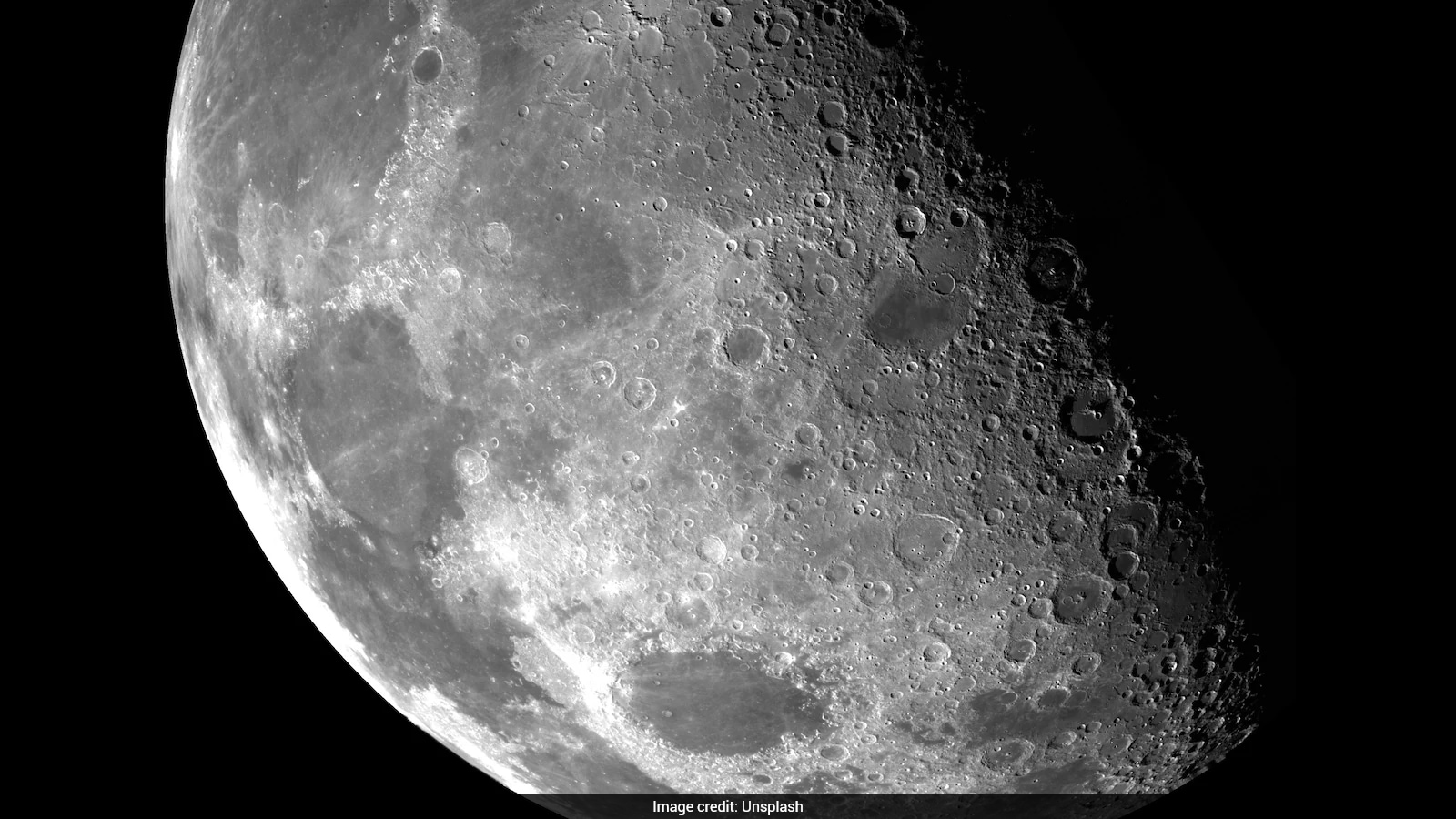
NASA Study Finds Earth Microbes May Survive Moon's South Pole
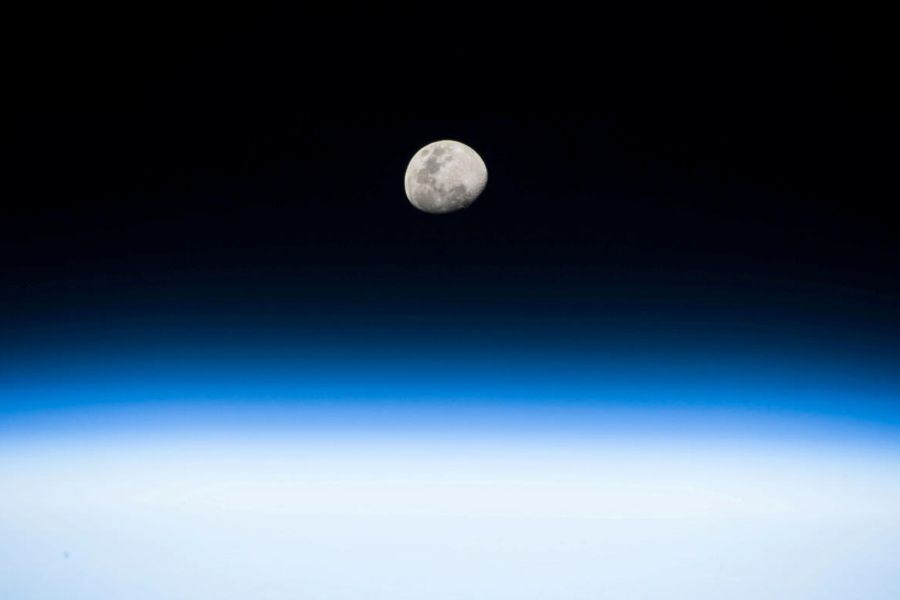
Some Earth Microbes May Survive Months on the Moon

NASA Finds Earth Microbes Could Survive Near Moon’s South Pole
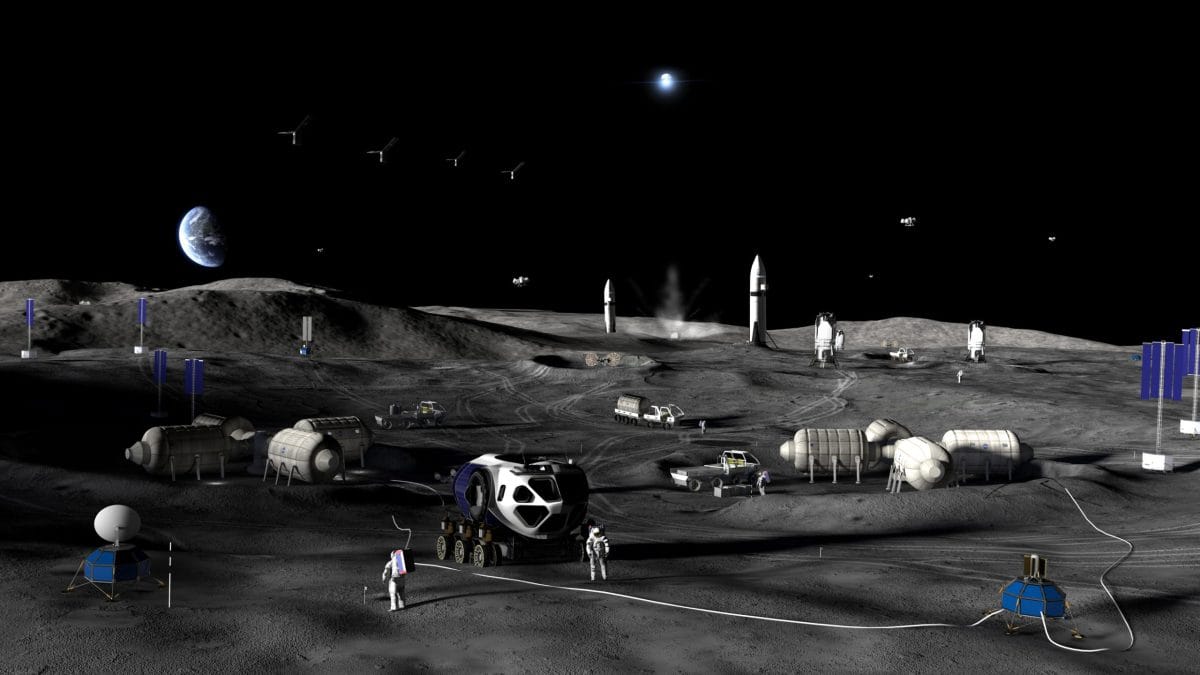
NASA Invites ISRO to Join Moon Base Programme

MJ Akbar Quips Jinnah Would Partition the Moon After Rover
NASA Extends Voyager 2 Mission, Invites ISRO to Moon Base

India’s Space Sector Expands With 440 Startups After Reforms

From Mangalyaan to Chandrayaan-3: India's Rise as a Space Power

Mumbai's Nehru Science Centre Hosts AI Prompt Art 2026 Exhibition

10 Creative Tricolour Independence Day Drawing Ideas for Students