3 days ago
NASA Study Finds Earth Microbes May Survive Moon's South Pole
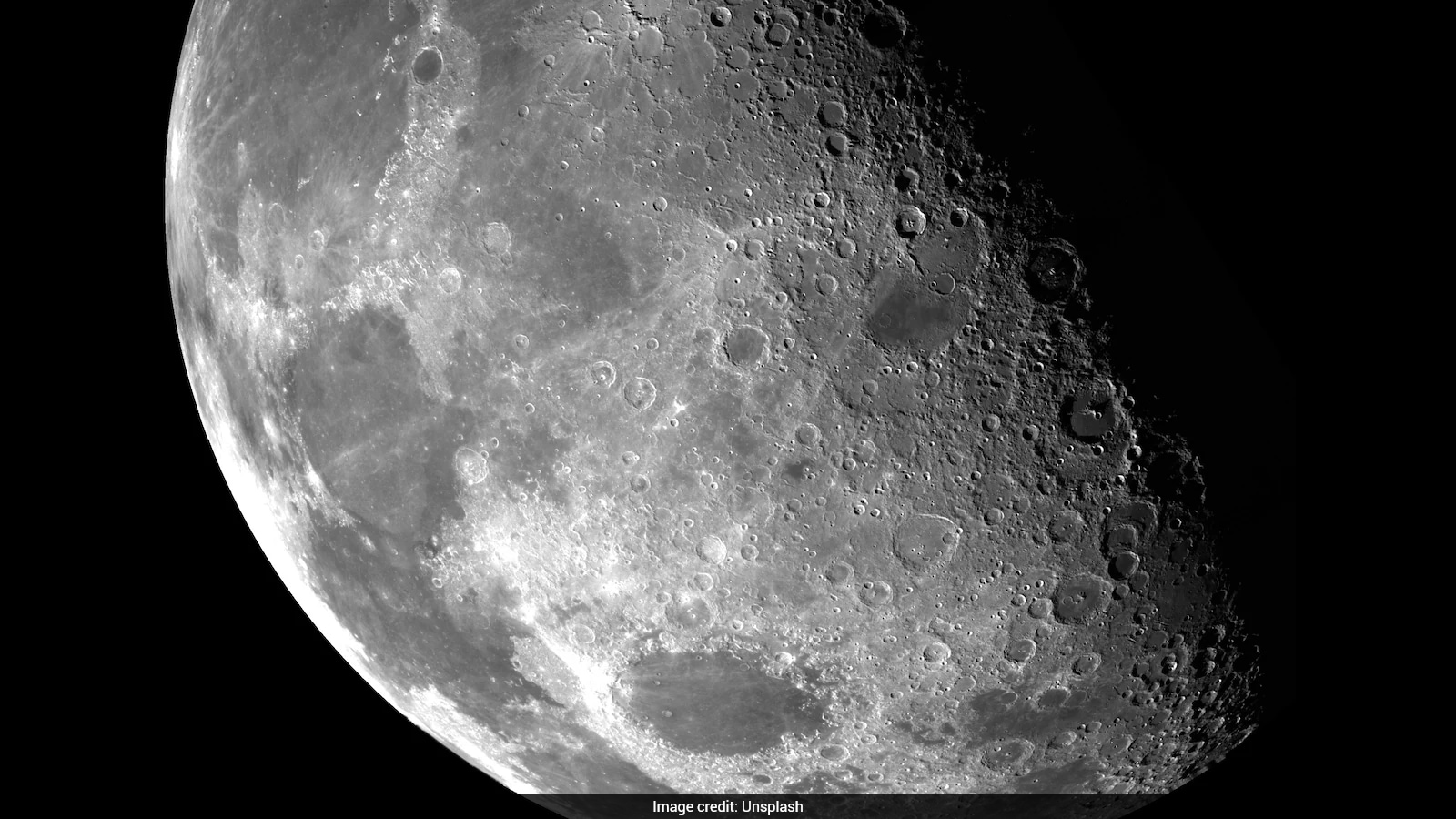
Scientists studied whether tiny microbes from Earth could survive on the Moon.
Humans can accidentally carry bacteria and fungi with them when they travel into space.
The researchers looked at the Moon’s very cold, dark areas near its south pole.
They found that some shaded places might protect microbes from the harsh environment.
Five common spaceflight microbes were tested in computer models.
All of them could stay dormant for at least one day in some locations.
One fungus, Aspergillus niger, might survive for as long as a week.
This could make it harder to study untouched Moon soil or find signs of ancient materials.
Scientists want to understand this risk before humans create a permanent presence on the Moon or search for life on Mars.

A NASA and University of Maryland study says some Earth microbes could survive in the Moon’s south-pole shadows.
Researchers modeled conditions in candidate Artemis III landing zones using elevation and temperature data.
Five common spaceflight microbes, including Staphylococcus aureus and Aspergillus niger, were analyzed.
All tested microbes could remain dormant for at least 24 hours in some shaded polar areas.
Aspergillus niger could potentially survive in the cold shadows for up to a week, raising contamination concerns.
- Who
- Researchers from NASA and the University of Maryland, led by NASA planetary scientist Prabal Saxena, studied five common spaceflight microbes.
- What
- The study assessed whether Earth bacteria and fungi could survive in shadowed, extremely cold areas near the Moon’s south pole.
- Where
- The potential survival areas are shaded regions near the lunar south pole, including candidate Artemis III landing zones.
- When
- The timing of the study’s publication is not specified in the article; it was published in Science Advances.
- Why
- Scientists want to understand microbial contamination before human missions and avoid confusing Earth-origin material with lunar or Martian evidence of life.
Exploration and Scientific Opportunity
Planetary Protection and Contamination Risk
Human missions and microbes
Exploration and Scientific Opportunity
Human explorers naturally bring microbes, and researchers said their presence could become a useful experiment.
Planetary Protection and Contamination Risk
Microbes carried by humans could persist around landing sites and contaminate pristine lunar material.
Scientific research
Exploration and Scientific Opportunity
Studying survivable niches could improve understanding of microbial survival in extreme environments.
Planetary Protection and Contamination Risk
Persistent biological material could complicate efforts to study the Moon’s untouched chemistry or identify ancient organic compounds.
Key facts
- Study institutions
- NASA and the University of Maryland
- Study leader
- Prabal Saxena of NASA’s Goddard Space Flight Center
- Publication
- Science Advances
- Data used
- Elevation maps and temperature records from NASA’s Lunar Reconnaissance Orbiter
- Microbes tested
- Five common spaceflight microbes, including Staphylococcus aureus and Aspergillus niger
- Modeled survival
- All tested microbes could remain dormant for at least 24 hours in some shaded polar pockets
- Longest potential survival
- Aspergillus niger could potentially survive in the cold shadows for up to a week
Quotes
Prabal Saxena
Planetary scientist at NASA’s Goddard Space Flight Center and study leader
“Humans are natural explorers, and with them come their voices, their memories... and their microbes. For some scientists, myself included, that reality can be unsettling. But it also creates an opportunity to turn an imperfect situation into a useful experiment.”
 NDTV
NDTV
Andrew Needham
NASA Goddard-based co-author of the study
“We need to understand what was there before us, because when we go to Mars to search for signs of life beyond our planet, we will want to make sure it's not stuff we brought.”
NDTV
Sources
Related news
Some Earth Microbes May Survive Months on the Moon

Lunar South Pole May Preserve Earth Microbes, Study Finds

NASA Finds Earth Microbes Could Survive Near Moon’s South Pole
NASA Invites ISRO to Join Moon Base Programme
NASA Extends Voyager 2 Mission, Invites ISRO to Moon Base