

1 day ago
Next Lunar Eclipse Set for February 2027 Across India, World
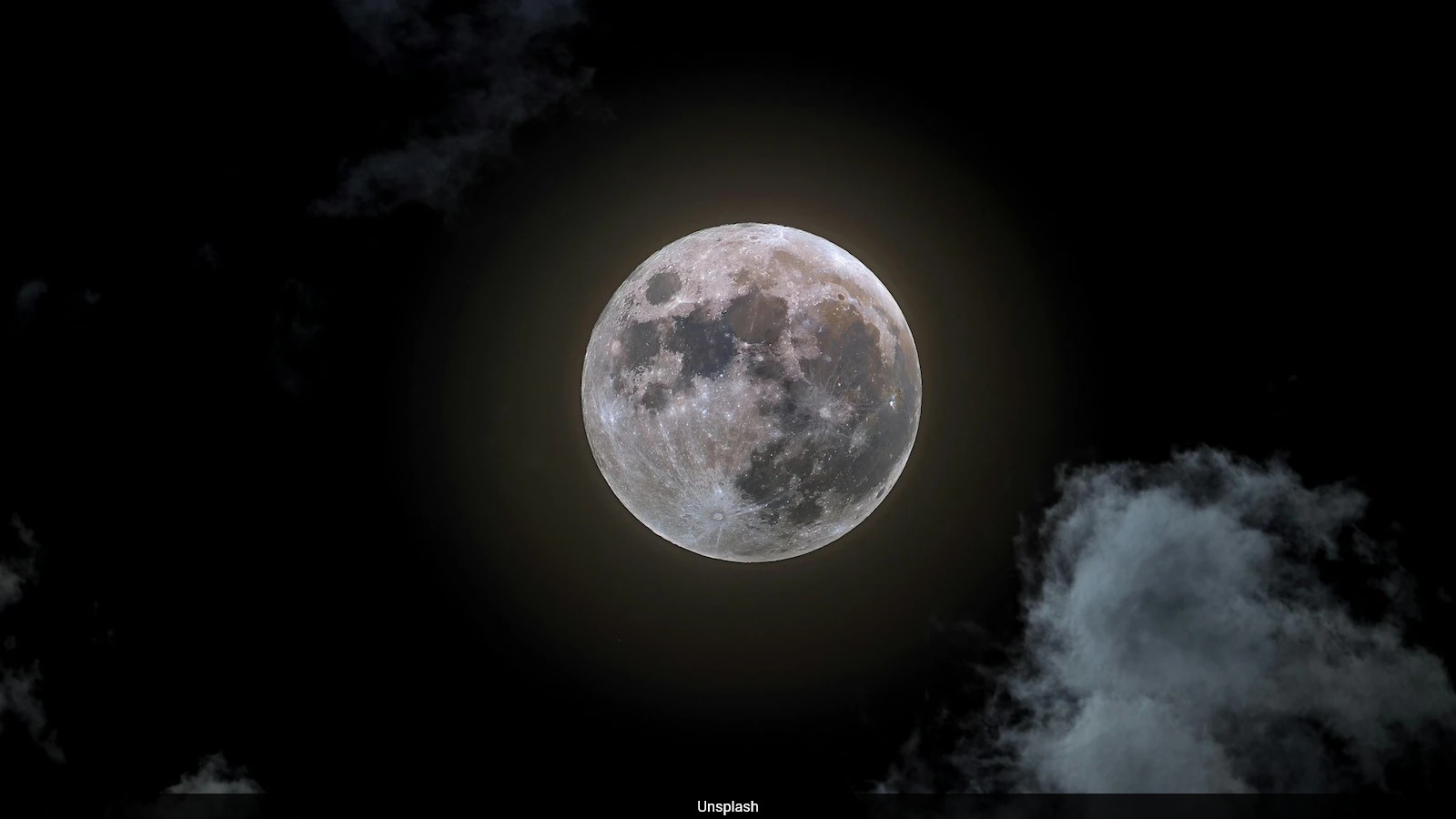
A lunar eclipse happens when Earth’s shadow falls on the Moon.
The next one will happen on February 20 and 21, 2027.
It will be a penumbral eclipse, which is the faintest kind.
This means the Moon will pass through the lighter outside part of Earth’s shadow.
The Moon will not turn deep red or show a sharp shadow.
People in India can see it during the early morning of February 21.
It will also be visible in many parts of the Americas, Europe, Africa, Asia and western Australia.
The eclipse will happen during the full Moon called the Snow Moon.
People can safely watch it without special glasses, although the change may be hard to notice.

A penumbral lunar eclipse will occur on February 20–21, 2027.
It will begin at 21:12 UTC, peak around 23:12–23:13 UTC, and end at 01:13 UTC.
In India, the eclipse will run from about 2:42 a.m. to 6:43 a.m. IST on February 21.
The event will be visible across the Americas, Europe, Africa, Asia and western Australia.
Because the Moon will pass only through Earth’s faint outer shadow, the dimming may be difficult to see.
- Who
- Skywatchers in India and across the Americas, Europe, Africa, Asia and western Australia.
- What
- A penumbral lunar eclipse coinciding with February’s full Snow Moon.
- Where
- It will be visible across the Americas, Europe, Africa, Asia and western Australia; in New Delhi, it will be visible from 2:42 a.m. to 6:43 a.m. IST.
- When
- February 20–21, 2027; it peaks around 23:12–23:13 UTC on February 20, or about 6:12 p.m. EST.
- Why
- The Moon will move through the faint outer portion of Earth’s shadow, called the penumbra.
Key facts
- Eclipse type
- Penumbral lunar eclipse
- Start time
- 21:12 UTC on February 20, 2027
- Maximum eclipse
- Around 23:12–23:13 UTC, or 6:12 p.m. EST, on February 20
- End time
- 01:13 UTC on February 21
- New Delhi timing
- Begins about 2:42 a.m., peaks at 4:42 a.m. and ends at 6:43 a.m. IST
- Visibility
- The Americas, Europe, Africa, Asia and western Australia, with broader visibility including parts of the Pacific, Atlantic and Antarctica
- Viewing
- Safe to view with the naked eye; binoculars or a small telescope are optional
Sources
Related news
August 2026 Partial Lunar Eclipse Visible Across Americas, Europe

August 2026 Partial Lunar Eclipse Nears Totality, Misses India

August 28 Partial Lunar Eclipse Not Visible in India
Partial Lunar Eclipse Will Darken 96% of Sturgeon Moon
August 2026 Partial Lunar Eclipse Nearly Total, Invisible in India

Total Solar Eclipse August 2026: India Out, Greenland, Spain In

Why Soil Is Brown: Humus, Iron, and Earth’s Colour

2026 Blood Moon Eclipse Draws Global Attention and Zodiac Claims

Smartphone Tips for Capturing the 2026 Partial Lunar Eclipse

Aditya-L1 Findings Clarify Magnetic Heating of the Sun’s Corona
