

2 weeks ago
US threatens indefinite blockade of Iran as Hormuz talks stall
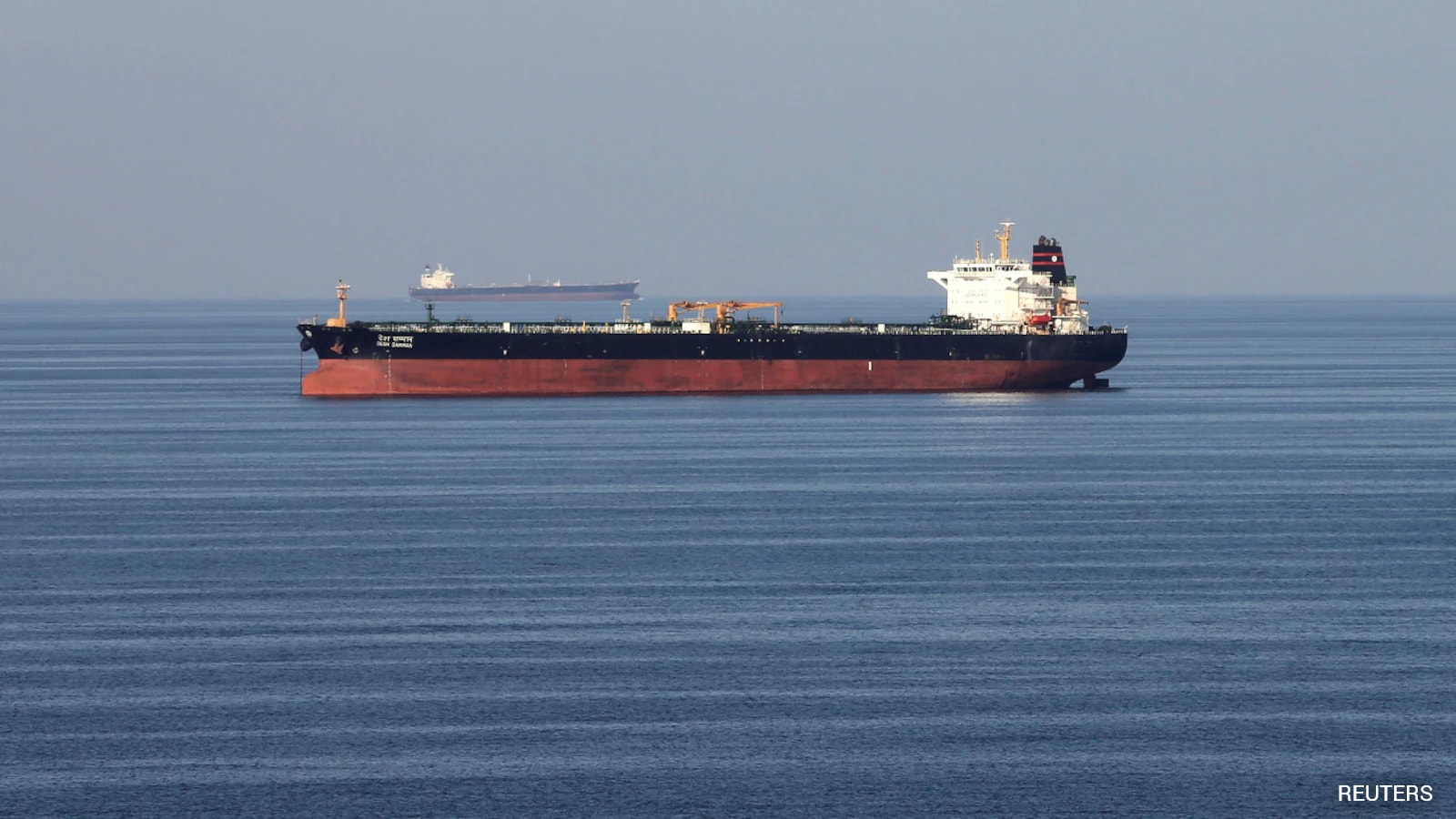
The United States and Iran are in a big fight.
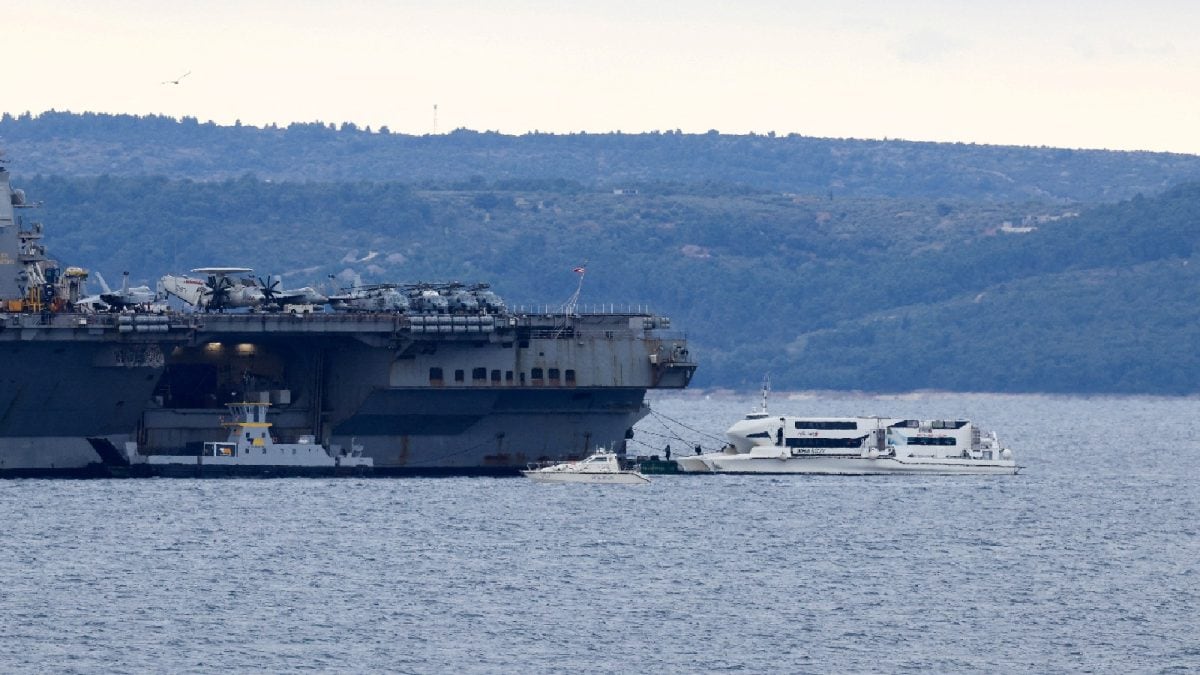
The US said its Navy will block ships from going to or leaving Iran for as long as needed, which is called a blockade.
The US wants Iran to open a sea path called the Strait of Hormuz, because a huge amount of the world's oil travels through it.
Talks to make a deal have stalled, meaning they are not working.
Other ships are also being attacked near another waterway called the Bab al-Mandab strait.
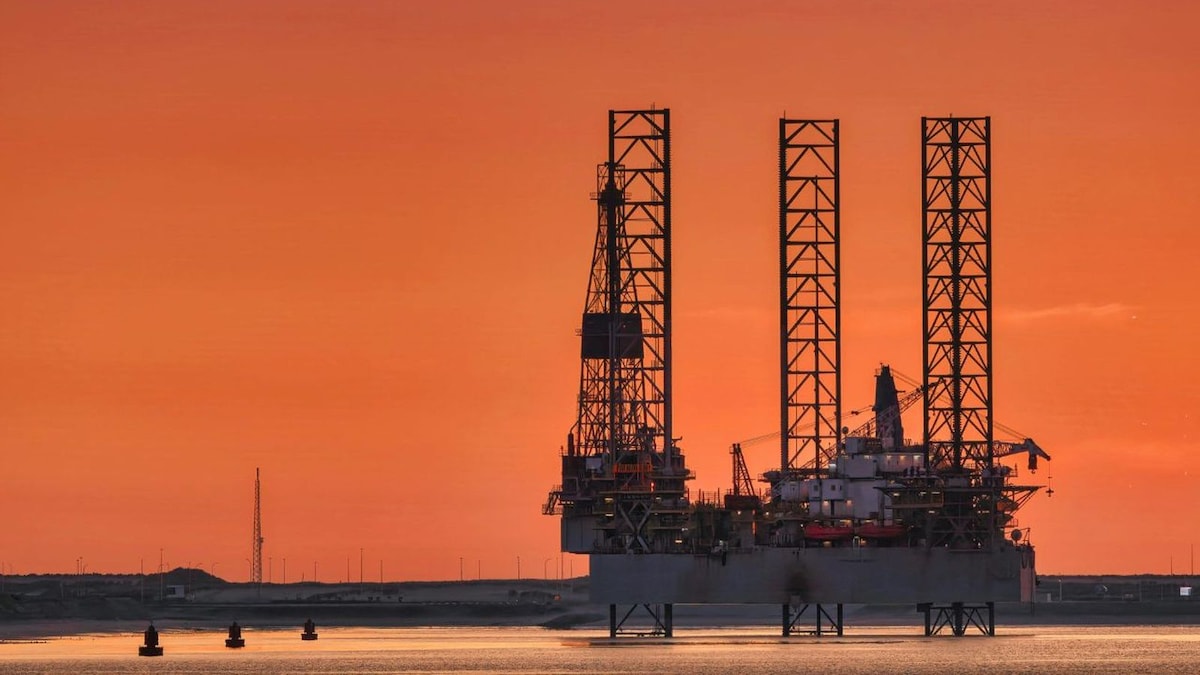
Because so much oil cannot get through, energy prices are going up around the world.
An energy agency says the world will have much less oil this year.
In America, gas costs more than $4 a gallon, which makes people unhappy.
A poll shows many voters prefer Democrats before the mid-term elections.
That puts pressure on President Trump, so the US is trying money pressure instead of a big war.

The US threatened Iran with an indefinite naval blockade, with Defense Secretary Pete Hegseth saying the Navy can maintain it by rotating ships in and out.
Treasury Secretary Scott Bessent promised new economic measures next week, saying they would be unlike anything seen in the history of economic isolation.
Talks on an Iran-Oman deal to reopen the Strait of Hormuz have stalled, and Houthi attacks have spread to the Bab al-Mandab strait.
The International Energy Agency forecast global oil supply would fall by 4.3 million barrels per day (4 percent) this year, with nearly 20 percent of world oil and gas supply cut off.
Ahead of US mid-term elections, petrol remains above $4 a gallon and a Cygnal survey shows Democrats with a 7-point edge over Republicans.
- Who
- US President Donald Trump, Defense Secretary Pete Hegseth, and Treasury Secretary Scott Bessent
- What
- The US threatened an indefinite naval blockade of Iran and promised unprecedented economic isolation measures to force Iran to open the Strait of Hormuz
- Where
- The Strait of Hormuz, the Bab al-Mandab strait, and wider West Asian waters
- When
- The threat was announced on a Thursday; the IEA's oil supply forecast was issued the previous day, on Wednesday
- Why
- To force Iran to open the Strait of Hormuz and end the war, as talks stall and Trump faces pressure ahead of US mid-term elections
US perspective
Iranian perspective
Blockade and the Strait of Hormuz
US perspective
The blockade is necessary maximum pressure to force Iran to open the Strait of Hormuz and end the war; President Trump asserts the US has total control over the strait.
Iranian perspective
Iran says US claims do not change reality, stating the Strait of Hormuz remains blocked and will not be reopened until its conditions (removing sanctions and releasing frozen assets) are accepted.
Blame for stalled talks
US perspective
Iran has failed to return to negotiations despite tightened US sanctions and pressure.
Iranian perspective
The interim peace deal unravelled as Trump refused to abide by the document he himself signed, contributing to the collapse of talks.
The war and its burdens
US perspective
The war is deeply unpopular in the US, worsening the cost-of-living crisis and pressuring Trump to end it before the midterms.
Iranian perspective
The war against Iran is described as imposed by the US, with Iran's actions framed as resistance to US pressure and economic isolation.
Key facts
- US action
- Indefinite naval blockade of Iran threatened
- Economic pressure
- Treasury Secretary Scott Bessent promises unprecedented isolation measures next week
- Talks status
- Iran-Oman deal to reopen the Strait of Hormuz has stalled
- Iran's conditions
- Remove economic sanctions and release frozen Iranian assets
- Global oil supply
- Nearly 20 percent cut off; IEA forecasts a fall of 4.3 million barrels per day (4 percent) this year
- US petrol price
- Consistently above $4 a gallon
- Mid-term poll
- Cygnal survey: Democrats lead Republicans by 7 points
- Navigation threats
- Threatened from three sides: Iran's actions, the US blockade, and Houthi attacks at Bab al-Mandab
Quotes
Defense Secretary Pete Hegseth
U.S. Secretary of Defense
“Watch this space for more announcements coming next week because we are going to apply measures like have never been seen in the history of economic isolation on a country,”
 firstpost.com
“"Indefinitely the United States Navy can maintain a blockade like that because we'll rotate ships in and out, as we have, and we'll continue to."”
 NDTV
firstpost.com
NDTV
firstpost.com
Sources
Related news

Hormuz traffic nears standstill as US vows indefinite Iran blockade
Hegseth: US can sustain Iran naval blockade indefinitely amid standoff
US Threatens Indefinite Iran Blockade Amid Hormuz Tanker Attacks
Oil Prices Rise as US Threatens Indefinite Blockade of Iran

US Escalates Iran Economic Pressure as Hormuz Crisis Deepens

Oil Rises as US Threatens Unprecedented Economic Pressure on Iran
Iran Seizes Fuel-Smuggling Vessel in Gulf, Arrests 11 Crew
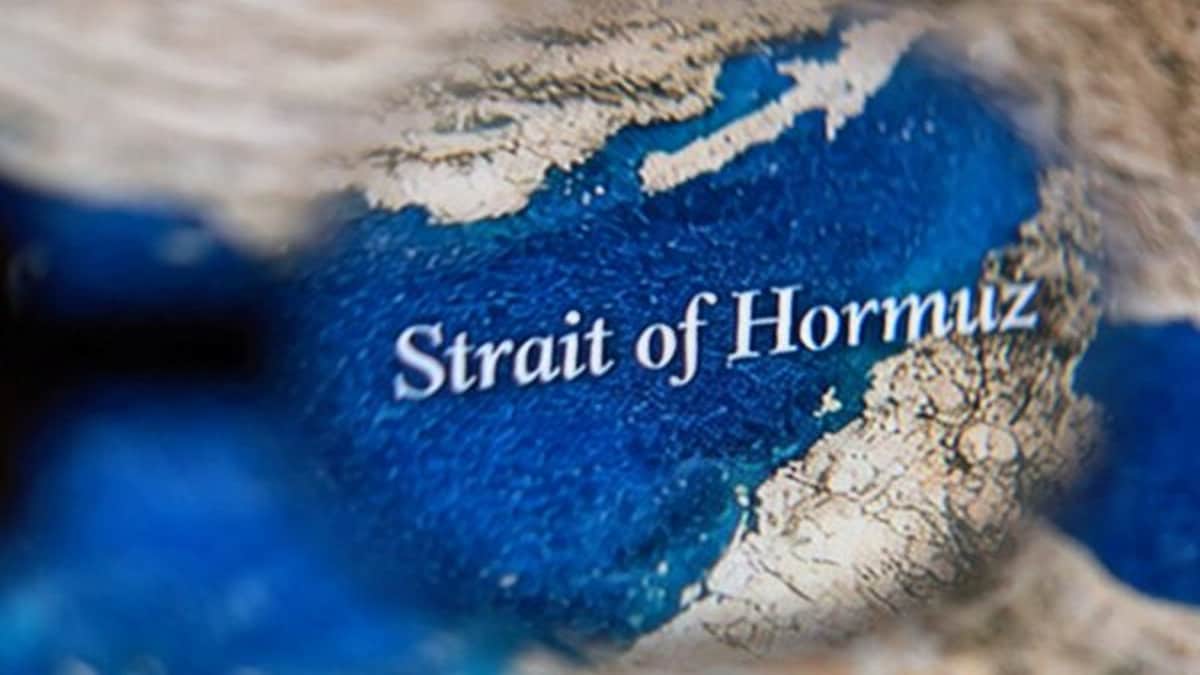
Trump Floats Renaming Strait of Hormuz as “Trump Strait”

Chevron Plans $7 Billion Venezuela Expansion Amid U.S. Oil Push
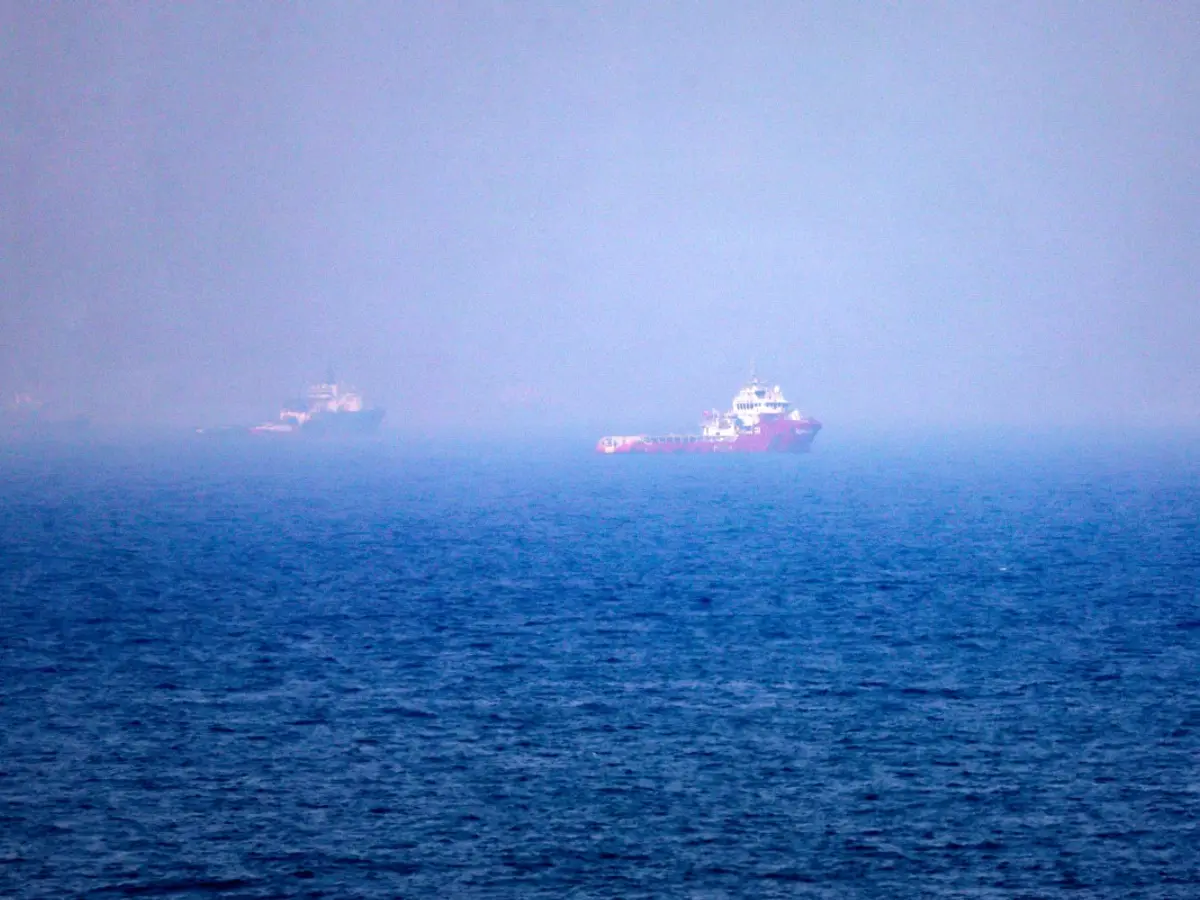
Saudi Tanker Hit in Hormuz, Killing Two Filipino Sailors

Indian Stocks Extend Three-Day Losing Streak as Oil Rises